
Alpha Male Facelift
MD. Burak Sercan Erçin
In the modern days of corporate leadership and professional visibility, facial aesthetics have evolved from a matter of vanity into a strategic asset.
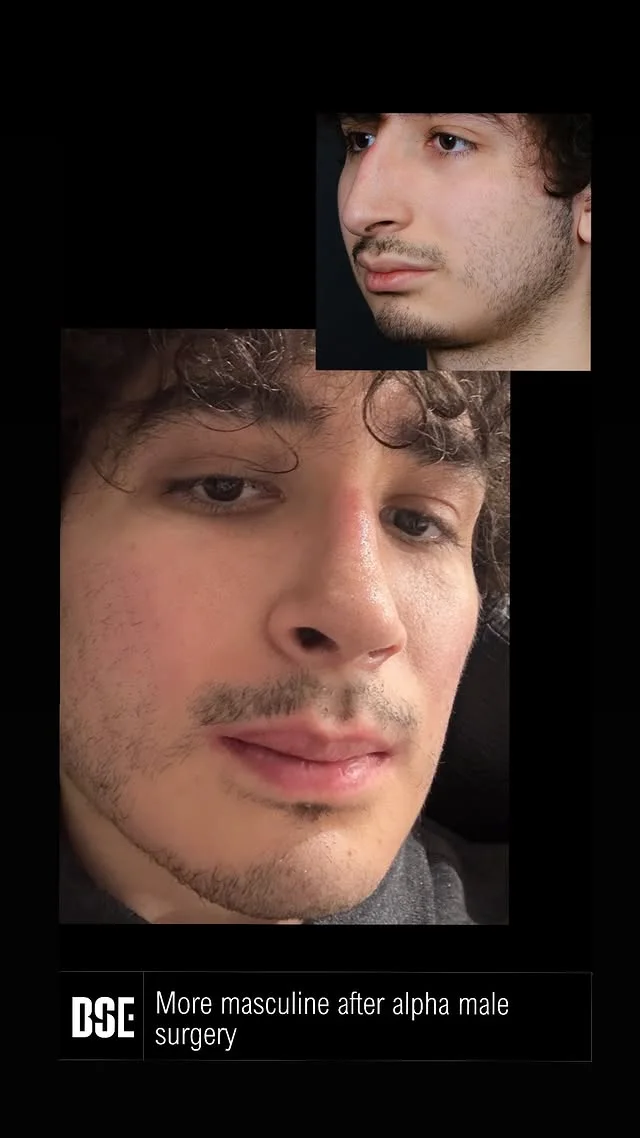
The concept of the “Alpha Male Facelift” represents a paradigm shift in alpha male plastic surgery, moving away from the feminizing, skin-tightening procedures of the past toward a structural, restorative approach that enhances masculine authority.
Contact Dr. Burak now for more info.
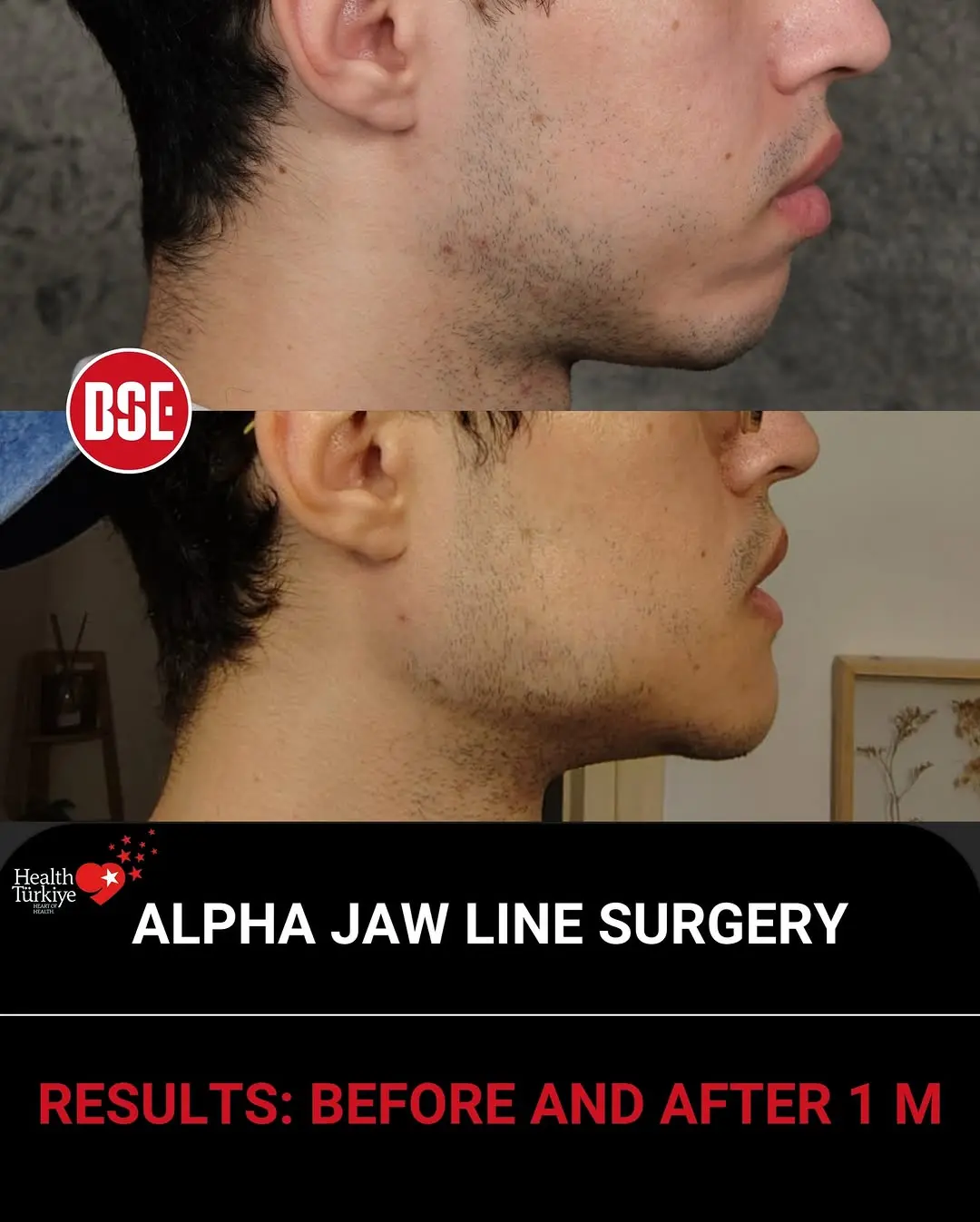
Male Facial Anatomy and Aging
To appreciate the sophistication of the Alpha Male Facelift, one must first understand the unique biomechanics of the male face. Male anatomy differs significantly from female anatomy in terms of skeletal mass, skin thickness, and vascularity, all of which dictate a specialized surgical approach.
The Osteological Foundation: The Skull
The primary determinant of a masculine face is the underlying skeletal structure. The male skull is characterized by a prominent supraorbital ridge (brow bone), a wider bi-zygomatic width (cheekbones), and, most critically, a square, projecting mandible (jawbone).
- Skeletal Resorption: Aging is a process of volume loss. As men enter their 40s and 50s, the facial skeleton undergoes resorption. The mandible shrinks, causing the gonial angle (the rear corner of the jaw) to become more obtuse and less defined. This loss of bony support acts like a collapsing tent pole; the overlying soft tissues, no longer supported, slide downward and inward.
- The Gonial Angle Metric: Anthropometric studies define the ideal male gonial angle as between 100 and 120 degrees. This acute angle provides the sharp, chiseled look associated with strength and vitality. In contrast, the female ideal is softer, ranging from 120 to 140 degrees. A successful Alpha Facelift often requires restoring this angle, sometimes necessitating the use of structural fillers or custom implants to compensate for bone loss.
The Soft Tissue: Ligaments and Fat Pads
The face is structured by a series of retaining ligaments—tough, fibrous bands that tether the skin and superficial muscle (SMAS) to the underlying bone.
- Ligamentous Laxity: The four key ligaments: zygomatic, masseteric, mandibular, and cervical; loosen over time. In men, who typically have heavier skin and thicker facial muscles, this laxity has profound effects. The malar fat pad (cheek fat) descends, not just flattening the cheekbone but creating deep nasolabial folds.
- The Jowl Formation: The descent of the facial tissues accumulates at the jawline, tethered by the mandibular ligament. This creates the “jowl,” which disrupts the straight line of the jaw, a primary marker of aging. The “Alpha” aesthetic requires a straight, uninterrupted mandibular border; the presence of jowls is the single most aging feature in the male lower face.
Skin Characteristics and Vascularity
Male facial skin is thicker, more sebaceous (oily), and significantly more vascular (richer blood supply) than female skin.
- Vascular Implications: The increased blood supply, driven in part by the hair follicles of the beard, promotes faster healing but significantly increases the risk of hematoma (a collection of blood under the skin) post-surgery. Men are twice as likely as women to experience hematomas. This biological reality mandates strict blood pressure control and often the use of surgical drains in the immediate postoperative period.
- Beard Follicles: The presence of the beard is a double-edged sword. While it can hide incision scars, it also complicates incision placement. Pulling hair-bearing skin into non-hair-bearing areas (like the ear or behind the ear) can lead to unnatural hair growth that is difficult to manage. Surgical planning must account for the vector of the beard to avoid the “bearded tragus” deformity.
Contact Us Now
Male Deep Plane Facelift
The traditional facelift, known as SMAS-plication or cutaneous lift, involves separating the skin from the muscle, pulling it tight, and trimming the excess. For the male patient, this technique is increasingly viewed as obsolete and potentially disfiguring. The “windblown” look, widened mouth, and “pixie ears” are hallmarks of tension-based skin lifts. The modern standard is the Deep Plane Facelift.
The Physics of the Deep Plane
The Deep Plane Facelift, championed by Dr. Andrew Jacono and utilized by Dr. Burak Sercan, operates on a fundamental principle: release, don’t pull.
- Composite Elevation: Instead of separating the skin from the muscle (SMAS), the surgeon enters the deep tissue plane beneath the SMAS. This allows the skin and muscle to be lifted as a single, composite unit. Because the skin remains attached to the muscle, its blood supply is preserved, leading to better healing.
- Ligament Release: The defining maneuver of the deep plane lift is the surgical release of the zygomatic and masseteric ligaments. These ligaments act as anchors holding the face in its descended position. By cutting these tethers, the surgeon can freely reposition the midface and jawline tissues to their youthful location without applying tension to the skin.
- Tension-Free Closure: Once the heavy lifting is done at the muscle level, the skin is gently re-draped. There is zero tension on the incision lines. This is critical for men, as tension causes scars to widen (hypertrophy). With a tension-free closure, scars heal as fine lines that are virtually imperceptible, even with short hair.
The Vertical Vector vs. The Horizontal Pull
A pivotal differentiation in male surgery is the direction of the lift (the vector).
- The Horizontal Mistake: Older techniques pulled the face horizontally, toward the ears. In men, this flattens the cheek, widens the mouth (giving a “Joker” appearance), and sweeps the sideburns unnaturally behind the ears.
- The Vertical Solution: Another solution is a vertical vector. Gravity pulls the face down; the surgery must lift it up. The Vertical Restore technique lifts the fallen cheek fat back up to the orbital rim and lifts the jowls vertically to define the jaw. This preserves the width of the face (crucial for masculinity) while restoring the “V” shape of youth. The ideal vertical angle at approximately 60 degrees, which maximizes the rejuvenation of the midface and minimizes distortion.
The Extended Deep Plane (M.A.D.E. Lift)
For executives with significant heaviness in the neck and midface, Minimal Access Deep-Plane Extended (M.A.D.E.) Lift offers a robust solution.
- Mechanism: This technique extends the deep plane dissection further medially (towards the nose) and inferiorly (into the neck). It allows for the recruitment of descended tissues from the nasolabial fold and the jowl, lifting them vertically.
- Benefit: It provides a more dramatic correction of deep folds and neck laxity while maintaining the “minimal access” incisions that are crucial for men concerned with scarring.
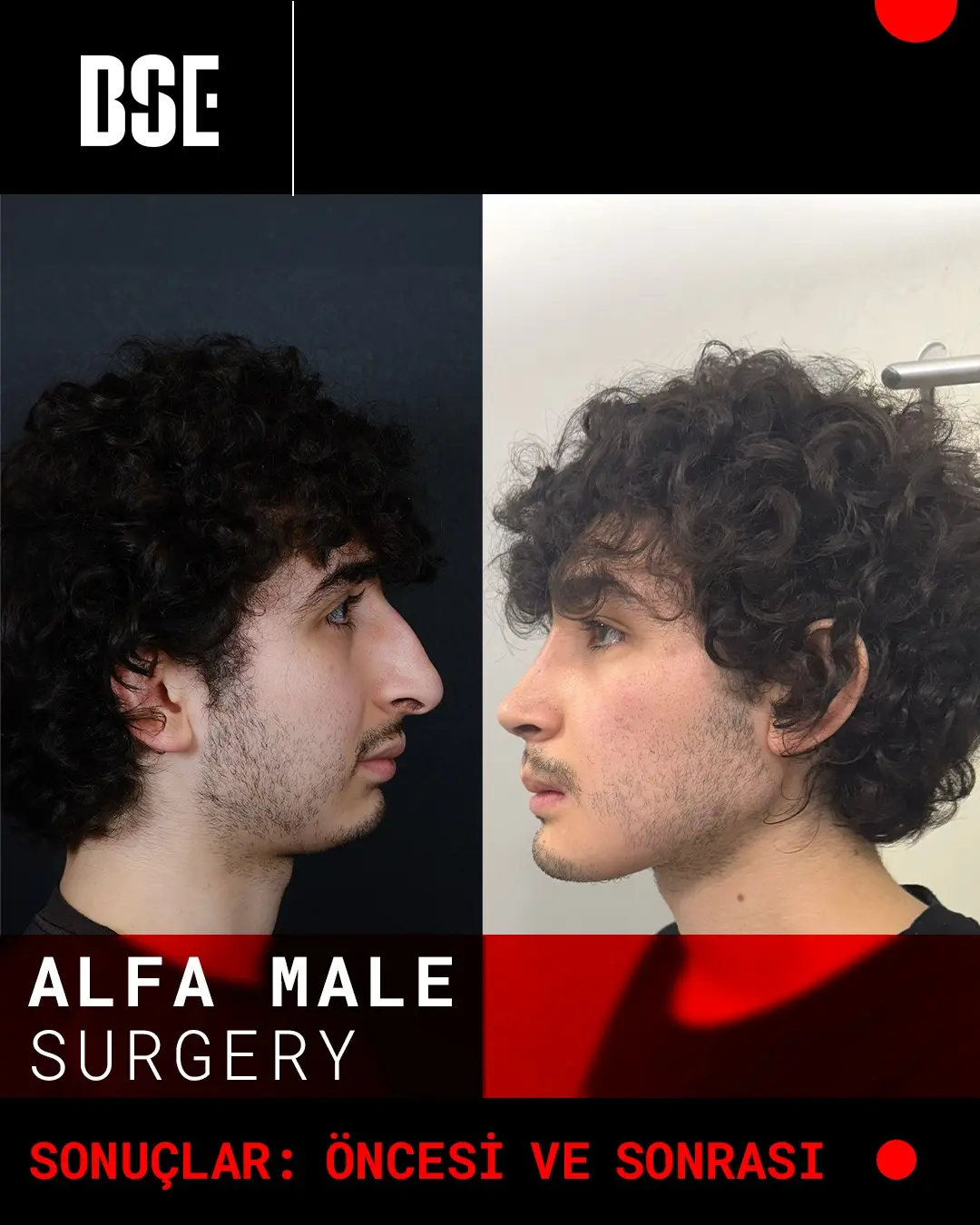
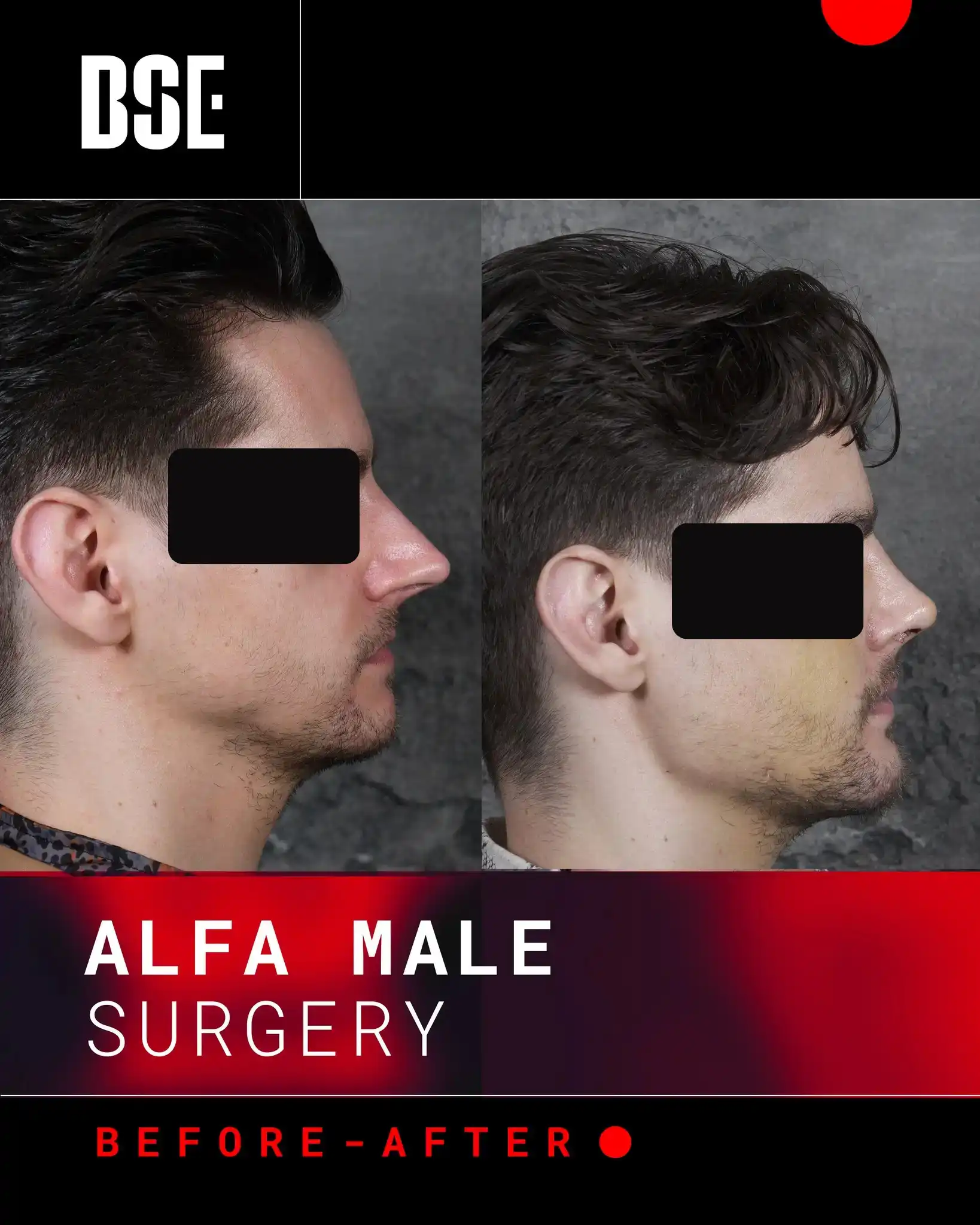
Alpha Jawline and Neck Lifts
The jawline is the most significant signifier of masculinity in the human face. A weak, undefined jawline is subconsciously associated with weakness or lack of vitality. The “Alpha” aesthetic demands a razor-sharp division between the face and the neck.
Advanced Neck Contouring
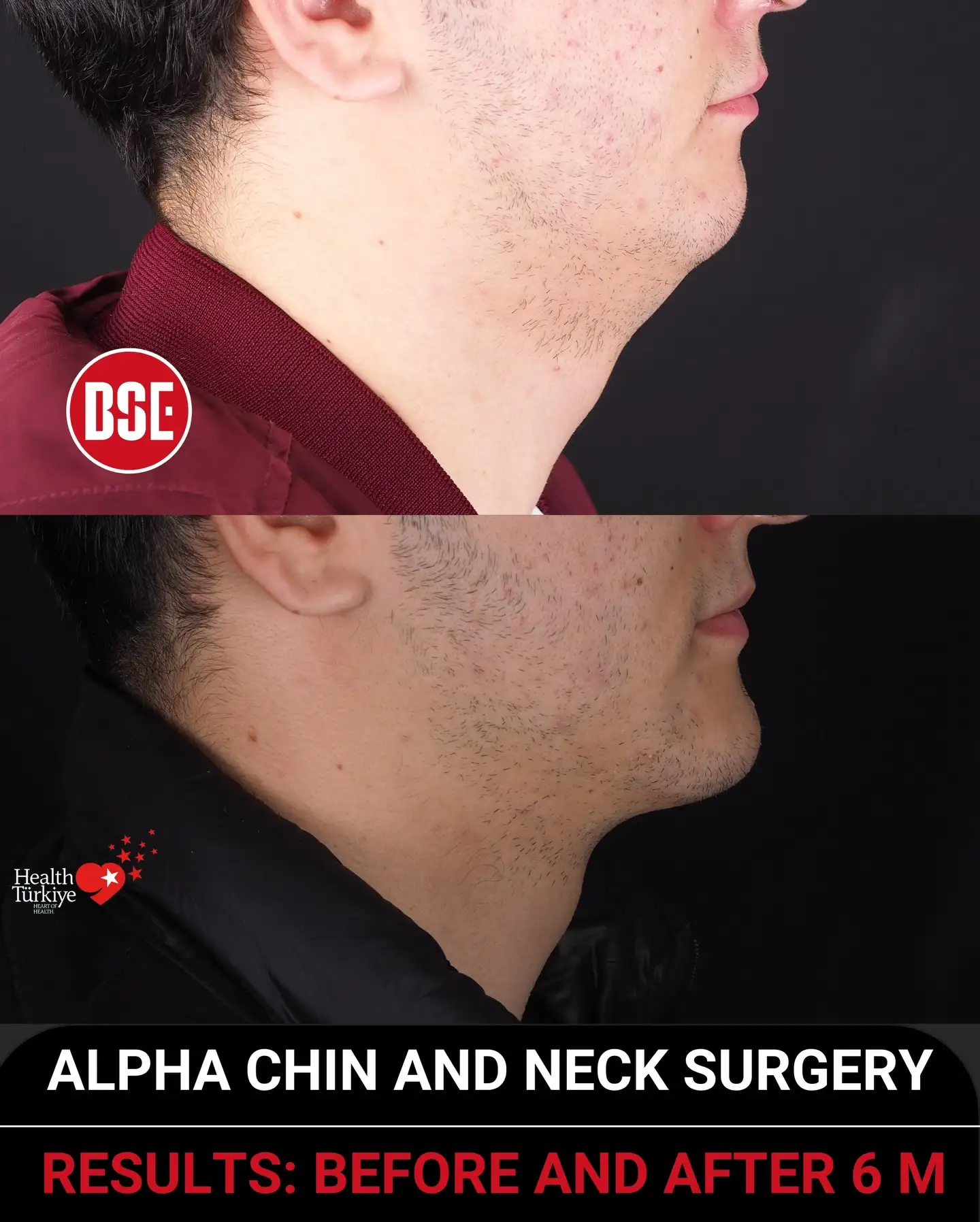
Liposuction alone is rarely sufficient for the male neck, which often contains sub-platysmal fat (fat deep under the muscle) and digastric muscle hypertrophy.
- Platysmaplasty: The platysma muscle often separates into vertical bands (the “turkey gobbler” neck). Surgeons perform a corset platysmaplasty, suturing the medial edges of the muscle together to create a tight sling that supports the floor of the mouth.
- Myotomy: In some cases, the muscle is partially cut (myotomy) to allow it to retract and deepen the cervicomental angle (the angle between chin and neck). A sharp 90-degree angle is the target.
- Submandibular Gland Management: Bulky glands can obscure the jawline. Advanced surgeons may perform a partial resection of these glands to sharpen the mandibular border, though this increases the complexity and risk profile of the surgery.
Structural Augmentation: Chin and Jaw
A facelift tightens the skin, but it cannot replace missing bone.
Chin Implants: A retrognathic (recessed) chin weakens the profile and exacerbates neck laxity. Placing a silicone chin implant brings the chin forward to Reidel’s line (aligning with the lower lip), balancing the nose and tightening the submental skin.
Custom Jaw Angle Implants: For men with a narrow or weak jaw, custom-milled PEEK or silicone implants can be placed at the gonial angle. This widens the bigonial distance, creating the square, masculine lower face that signals strength.


