
This article was written by Assoc. Prof. Dr. Burak Sercan Erçin and is based on clinical experience. A specialist in Plastic, Reconstructive and Aesthetic Surgery; prepared in accordance with current medical literature and personal surgical data. A consultation is recommended before making any medical decisions.

Your Smile Muscles
When we smile, several facial muscles work in coordination to create that expression. One of the key players is the zygomaticus major muscle, which runs from your cheekbone (zygomatic arch) to the corner of your mouth. This muscle is primarily responsible for lifting the corners of your mouth upward when you smile. Its partner, the zygomaticus minor, helps lift the upper lip.
Another important muscle in this facial orchestra is the depressor labii inferioris, which pulls the lower lip downward and to the side. This muscle often becomes a focus during cosmetic procedures because its function can significantly influence smile symmetry.
Common Causes of an Asymmetrical Smile
An uneven or crooked smile can result from various factors:
- Natural facial asymmetry: Everyone has some degree of facial asymmetry, as our faces aren’t perfectly mirrored on both sides.
- Muscle imbalance: Differences in muscle strength or tone on either side of the face can lead to uneven movement when smiling.
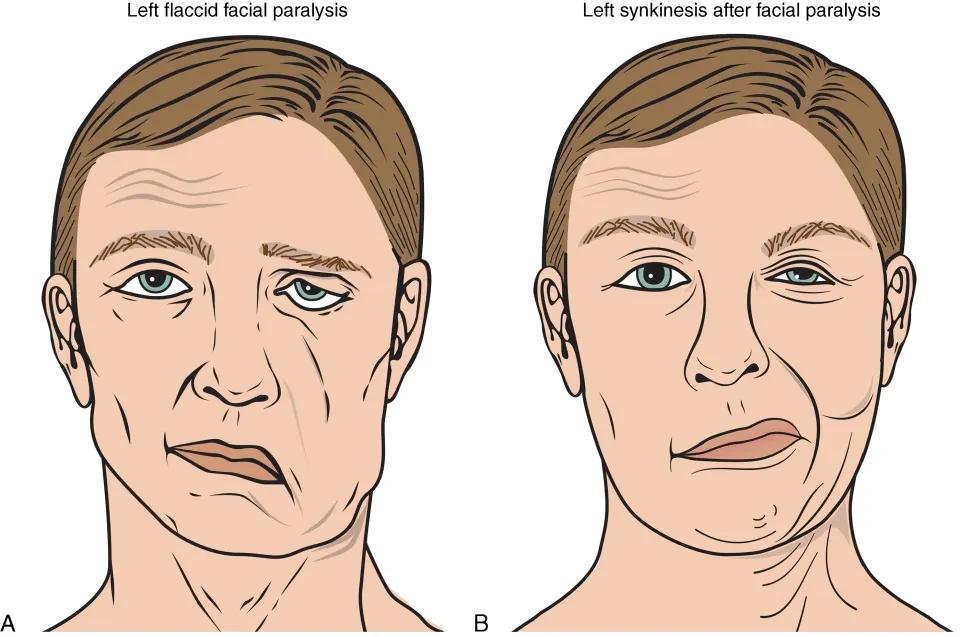
- Nerve damage: Conditions like Bell’s palsy or facial nerve trauma can weaken muscles on one side of the face.
- Previous dental work: Extensive dental procedures might affect how your lips move when smiling.
- Aging: As we age, facial muscles can lose tone unevenly, causing asymmetry.
- Previous cosmetic procedures: Sometimes, poorly administered injections can create rather than solve asymmetry issues.
Diagnosing the Cause of Your Asymmetrical Smile
Before attempting to fix an uneven smile, it’s crucial to identify which muscles are causing the issue. A qualified healthcare provider will typically:
- Observe your smile in motion
- Ask you to make different facial expressions
- Analyze photos of your face at rest and while smiling
- Examine the strength and function of your facial muscles
- Review your medical history, including any previous cosmetic procedures
This thorough assessment helps determine whether the asymmetry is caused by overactive muscles on one side, underactive muscles on the other, or a combination of both.
Treatment Options for an Asymmetrical Smile
1- Non-Invasive Approaches
Facial Exercises to Strengthen the Zygomaticus Muscle
If your asymmetry is due to muscle weakness, targeted exercises may help:
- Smile and hold: Smile as wide as possible, hold for 10 seconds, then relax. Repeat 10-15 times daily.
- Cheek puffs: Puff air into your cheeks and move it from side to side for 30 seconds.
- X-O exercises: Alternate between pronouncing “X” and “O” exaggeratedly to work the zygomaticus muscles.
- Resistance training: Place your fingers at the corners of your mouth and smile while providing gentle resistance.
Massage Techniques to Release Tight Facial Muscles
For tension in the zygomaticus or other facial muscles:
- Use your fingertips to apply gentle pressure in circular motions along the cheekbones and around the mouth.
- Warm facial oil or cream can enhance the massage’s effectiveness.
- Focus on any areas that feel particularly tight or tender.
- Perform for 5-10 minutes daily.
2- Medical Interventions
Botulinum Toxin (Botox) Treatment
Botox is often the go-to treatment for smile asymmetry because of its precision:
- It works by temporarily relaxing overactive muscles.
- For smile asymmetry, injections typically target the stronger side to create balance.
- The depressor labii inferioris is frequently treated to prevent it from pulling down one side of the mouth.
- Results typically appear within 3-14 days and last 3-4 months.
Physical Therapy
A specialized physical therapist can:
- Provide customized exercises based on your specific muscle imbalances
- Use techniques like neuromuscular re-education
- Implement biofeedback to help you gain better control over facial movements
- Track progress and adjust treatments accordingly
Facial Fillers
In some cases, dermal fillers can:
- Add volume to areas where muscle or tissue loss has occurred
- Help balance facial contours
- Provide structural support for better muscle function
- Create a more symmetrical appearance even when smiling
Managing Complications from Previous Treatments
If your asymmetrical smile resulted from a previous Botox treatment, several options exist:
- Wait it out: Effects of Botox are temporary (3-4 months). Sometimes the best approach is patience.
- Corrective injections: A skilled practitioner may administer small amounts of Botox to the opposite side to create better balance.
- Zinc supplements: Some research suggests zinc may help metabolize Botox faster, though evidence is limited.
- Neuromuscular electrical stimulation: This therapy may help strengthen weakened muscles.
Prevention is Better Than Correction
To avoid developing an asymmetrical smile after cosmetic procedures:
- Choose a qualified provider with extensive experience in facial anatomy and injection techniques.
- Start conservatively with lower doses, especially for first-time treatments.
- Bring photos of yourself with a natural, symmetrical smile to your consultation.
- Follow post-procedure instructions carefully to ensure optimal results.
- Attend follow-up appointments so your provider can assess results and make any necessary adjustments.
When to Seek Professional Help
Consider consulting a healthcare provider, like Dr. Burak Sercan, if:
- Your smile asymmetry appeared suddenly
- You’re experiencing other facial weakness or numbness
- The asymmetry is progressively worsening
- You’re experiencing pain along with the asymmetry
- Previous treatments have not improved or have worsened the condition
Conclusion
While a slightly asymmetrical smile is completely normal and often adds character to a face, significant asymmetry can be addressed through various approaches. From simple exercises to strengthen the zygomaticus muscle to more advanced medical interventions like Botox, options exist for every severity level.
Remember that facial harmony, rather than perfect symmetry, should be the goal of any treatment. Always consult with qualified healthcare professionals who understand the complex interplay of facial muscles before undergoing any procedure to correct smile asymmetry.
This content was written by Assoc. Prof. Dr. Burak Sercan Erçin in line with clinical experience and current medical literature. It is intended for general informational purposes only and does not constitute medical advice. A personal consultation with Dr. Erçin is recommended for individual assessment.
Faculty Member · Bahçeşehir University
Graduate of Ege University Faculty of Medicine, Assoc. Prof. Dr. Erçin completed advanced fellowships at Tampa General Hospital (USA) under Dr. Deniz Dayıcıoğlu in breast reconstruction and burn surgery, and at the clinic of Dr. Pedro Cavadas in Valencia, Spain in reconstructive microsurgery. After passing the EBOPRAS examination in 2018, he joined Bahçeşehir University as a faculty member and continues his private practice on Bağdat Avenue, Istanbul, specialising in face, breast and body aesthetics alongside complex reconstructive surgery.