This article was written by Assoc. Prof. Dr. Burak Sercan Erçin and is based on clinical experience. A specialist in Plastic, Reconstructive and Aesthetic Surgery; prepared in accordance with current medical literature and personal surgical data. A consultation is recommended before making any medical decisions.

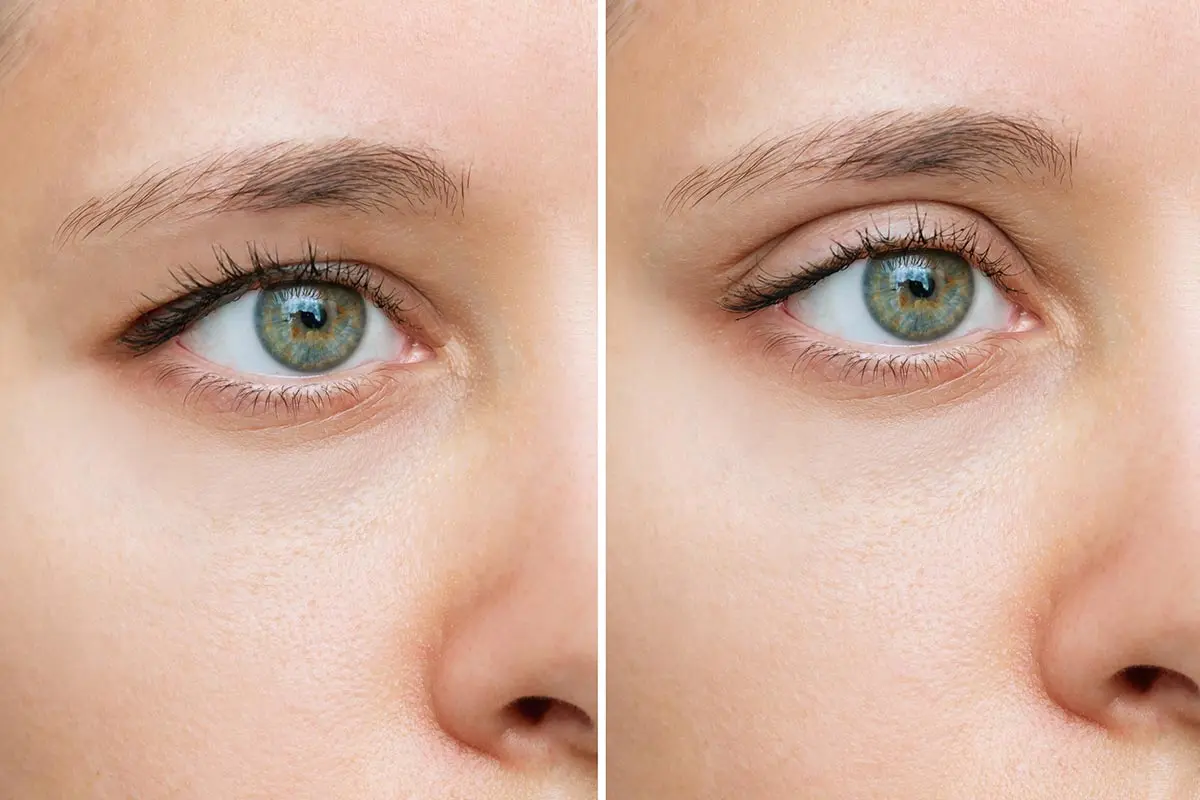
Canthoplasty is derived from the Greek words “Canthos” meaning corner of the eye and “plasty” meaning shaping. Canthoplasty is a cosmetic procedure that involves reshaping the corner of the eye.
Almond Eye is a reconstructive surgical procedure used to correct drooping or sagging in the outer corner of the eye by increasing the canthus to achieve a larger, brighter eye.
Canthoplasty should not be confused with another type of eyelid surgery called lower eyelid Blepharoplasty. Blepharoplasty is done to remove excess skin, muscle and fat from the lower or upper eyelids to make the eye look younger but it does not change the shape or size of the eye.
Why do people get canthoplasty?
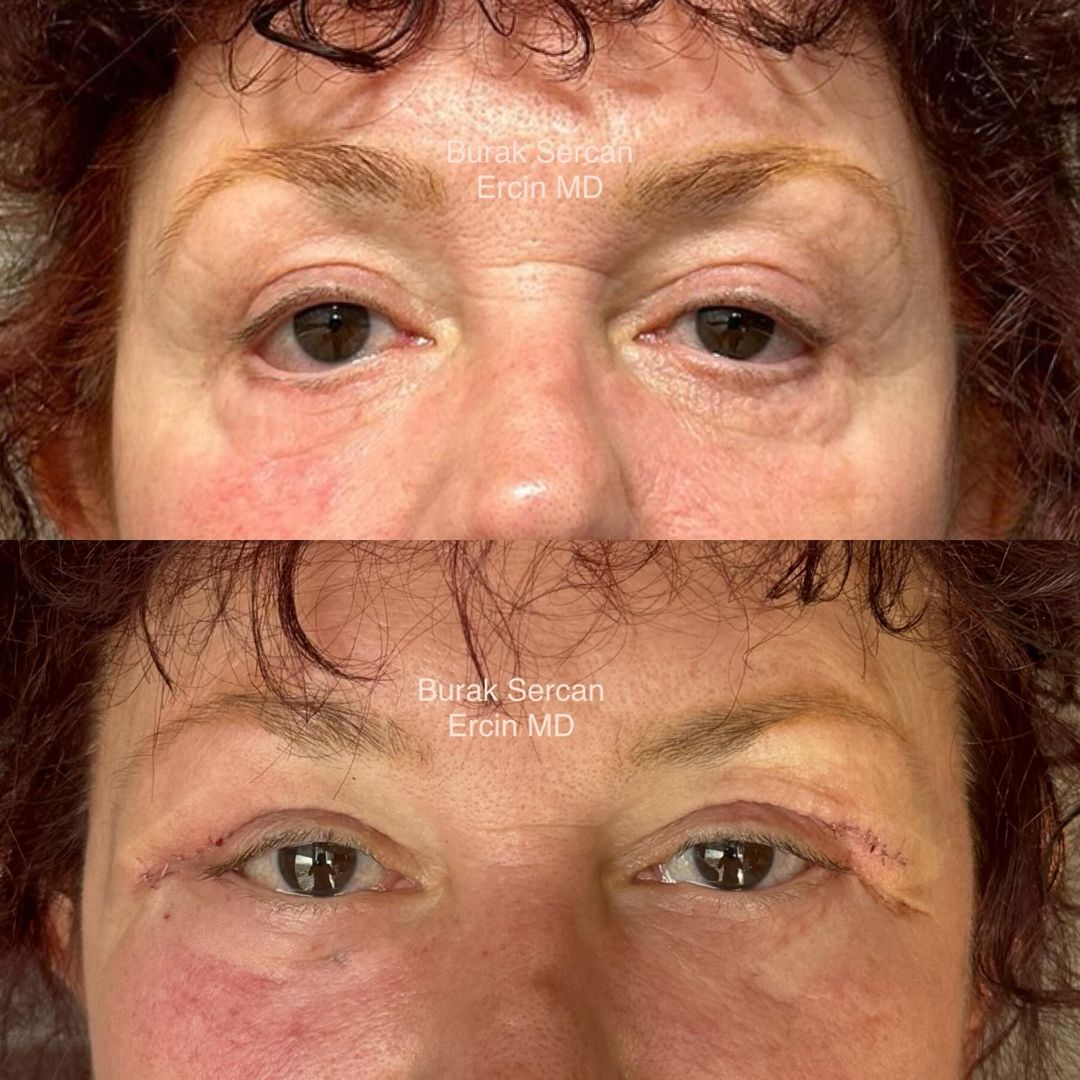
The drooping of the lower eyelids (called ectropion) can be annoying in appearance. With age, the skin and tendons around the eyes lose their elasticity. It causes the lower eyelids to droop, creating a tired or sad appearance.
Eye trauma that causes laxity of the lower eyelids or retraction of the lower eyelids may require canthoplasty to correct incorrect position in the outer corner of the eye.
Dissatisfaction with the previous surgical result: Some Canthoplasts are performed as revision surgery to correct lower eyelid complications from previous surgery, such as drooping lower eyelids or eversion deformities that reveal too much white of the eye (revealing the sclera).
Some patients need canthoplasty surgery to achieve a more almond-shaped eye by lifting a downward sloping eyelid and increasing the horizontal length of the eye.
Why Do Lower Eyelids Droop?
Some of the causes of lower eyelid droop include: With age, the skin and the soft tissues of the eye area become weak and lose elasticity, resulting in a drooping of the lower eyelids. This reduction in the levels of collagen and elastin fibers, along with the aging process that affects the muscles that form the support structure for the eyelids, is what causes the sagging.
Furthermore, other factors that may worsen this condition include; prolonged exposure to the sun, genetic factors, and lifestyle choices. It is also possible that certain medical conditions that can impact the connective tissue, or underlying muscle strength may also contribute to the lower eyelid drooping.
What happens during Canthoplasty surgery?
During your first consultation, your surgeon will carefully examine the shape and function of your eyes and will talk to you in detail about the look you want to achieve with your surgery. Once you both have decided that Canthoplasty in Turkey is the most appropriate choice, your doctor will design your eye shape based on your eye shape, proportion and symmetry.
Local anesthesia or general anesthesia will be used in your surgery. The procedure usually takes one to two hours. Surgery involves cutting and repositioning or tightening the lower lid tendon. An incision is usually made in the natural crease of the outer corner of the eyelid to minimize any visible scarring.
The tendon is then pulled up to be lifted from the junction of the upper and lower eyelids and then reattached with stitches. In addition, Canthoplasty is possible by entering through the scalp without leaving any visible scars on the face.
When the operation is complete, a temporary shield is placed over your eyes.
Who Is Actually a Good Candidate for Canthoplasty?
Not every patient asking about canthoplasty is a good candidate. The strongest results are seen in patients with a specific set of anatomical features: a downward-tilting outer canthus (negative canthal tilt) that they want lifted into a neutral or slightly positive position, lower eyelid laxity confirmed on clinical examination, an intact upper eyelid position and eyebrow height, and realistic expectations about the degree of change achievable. Patients with prominent eyes (proptosis), thyroid-related eye disease, dry eye syndrome, or previous unsuccessful lower blepharoplasty require a more cautious assessment, and in some cases a different procedure entirely. A patient seeking eye-shape reshaping without the anatomical basis for it may be better served by non-surgical options or by procedures such as almond eye canthoplasty or lateral canthoplasty, each of which addresses distinct aesthetic goals. The right procedure begins with correctly identifying which anatomical feature is producing the concern.
“The single most common reason canthoplasty results disappoint patients is over-correction, particularly an excessively steep positive canthal tilt that looks pulled or feline rather than naturally almond-shaped. My approach is always conservative: adjust the outer canthus to the position that matches the patient’s overall facial harmony, not to the position the patient saw in a social media reference photo. A canthoplasty that reads as natural at conversational distance is the goal. A canthoplasty that reads as an operation from across a room is a failure regardless of how sharp the tilt is.”
🩺 Dr. Burak’s Clinical Note
Recovery after Canthoplasty surgery
When you wake up after the surgery and remove the eye shields, you will notice that your vision is blurred. This is because an antibiotic ointment is applied to the eyes during surgery to prevent them from drying out. You will be sent home with this ointment along with instructions for applying it into the eye and incision several times a day to prevent infection.
You will be asked to bring someone with you to drive you home after the surgery. It is recommended to have someone with you for one or two days after the surgery, because your eyes will be closed and you will need help.
Recovery after cantoplasty is similar to other eyelid surgeries. Recovery usually takes two to three weeks. Most patients experience significant improvement within the first two weeks, but swelling and bruising may take several weeks to disappear completely. Final results will appear after a few months.
During this period, it is especially important to follow the doctor’s post-operative instructions to avoid complications and scarring of the delicate soft tissues surrounding the eyes. To prevent infections, ointments or eye drops may be given in addition to artificial tears and various steroids also may be administered. Their regular use is very important to relieve eye swelling.
It will be recommended that you do not splash water on your face and rub your eyes while taking a shower for at least one month after the surgery. Heavy and strenuous exercise should be avoided for at least two weeks or until your doctor sees you for follow-up and says it’s safe. Makeup is usually allowed after two weeks.
Canthoplasty vs Canthopexy: The Difference Every Patient Should Understand
Canthoplasty and canthopexy are often confused, and the distinction matters clinically. Canthoplasty cuts and repositions the lateral canthal tendon itself, physically reshaping the outer corner of the eye. It is the more invasive of the two, produces a more definitive change in eye shape, and is the appropriate procedure for patients with significant lower eyelid laxity, negative canthal tilt, or reconstructive needs. Canthopexy tightens the existing lateral canthal tendon without cutting it, essentially reinforcing the corner of the eye in its current position. It is less invasive, produces subtler results, and is typically used to prevent eyelid descent in younger patients or as a supporting step in blepharoplasty. Neither is universally better. The right choice depends on the anatomy being addressed, and an experienced surgeon selects between them based on clinical assessment rather than patient request alone.
Are the results of canthoplasty permanent?
A very high level of skill and experience is required to perform the canthoplasty procedure well. The results of a canthoplasty procedure performed by a well-trained doctor are considered a permanent solution for eyelid malposition, and revision surgeries are rarely necessary.
Are there any risks or complications may happen due to canthoplasty?
Of course, all surgeries have risks, but serious complications from canthoplasty are extremely rare. Swelling and bruising are common in the first few weeks after surgery and usually disappear within two to three weeks. For the first few weeks after surgery, you may have dry eyes, excessive lacrimation and blurred vision.
Your surgeon will review and discuss with you all the potential risks and complications of your surgical procedure during the preoperative consultation.
Cost of Canthoplasty
The price range of canthoplasty depends on the following factors. These are; the difficulty of the procedure, the extent of experience of the surgeon and the individual patient’s requirements. Every surgery is different and the general cost may vary depending on the specifics of the operation, the type of services implied and after-operation care. For a more accurate and detailed quote that fits your needs, it is advised to arrange a meeting to describe the objectives and get a price offer.
Canthoplasty with Dr. Burak
Dr. Burak is an accomplished professional who is famous for his great talent and deep insight into matters that are complicated. He has rich practical experience gained in the course of his career, which is characterized by the development of new concepts and ideas.
Dr. Burak’s thoroughness and keen understanding of the business enable him to achieve the most effective outcomes and are the reasons for his expertise. To get professional advice and to get the best services, please contact us now.
FAQ
What is the purpose of a Canthoplasty?
Canthoplasty is a surgery performed to modify the shape of the eyes especially the outer corner of the eyes and make them look more refreshed.
How long does a canthoplasty last?
The longevity of the outcomes of a Canthoplasty procedure may range from several years up to a lifetime and will also depend on the age of the patient, the quality of the skin, and the lifestyle that the patient leads.
What is the difference between Canthoplasty and brow lift?
Canthoplasty and brow lift are two different procedures in which Canthoplasty aims to treat the outer corner of the eyes while a brow lift aims to treat the forehead and the eyebrows to give a more youthful appearance reducing wrinkles.
How long do I need to stay in Istanbul after canthoplasty?
Most international patients plan for 7 to 10 nights in Istanbul following canthoplasty. The first 24 to 48 hours involve initial rest and the removal of protective eye shields. Post-operative reviews are typically scheduled at day three and day seven, at which point most patients are cleared for a return flight. Some swelling and bruising will be present at the time of travel, but is easily concealed with sunglasses. Full resolution of swelling continues over 3 to 4 weeks, and final results settle at approximately three to six months. Dr. Burak’s team provides WhatsApp-based post-operative support for international patients after they return home, with photograph review at agreed intervals.
This content was written by Assoc. Prof. Dr. Burak Sercan Erçin in line with clinical experience and current medical literature. It is intended for general informational purposes only and does not constitute medical advice. A personal consultation with Dr. Erçin is recommended for individual assessment.
Faculty Member · Bahçeşehir University
Graduate of Ege University Faculty of Medicine, Assoc. Prof. Dr. Erçin completed advanced fellowships at Tampa General Hospital (USA) under Dr. Deniz Dayıcıoğlu in breast reconstruction and burn surgery, and at the clinic of Dr. Pedro Cavadas in Valencia, Spain in reconstructive microsurgery. After passing the EBOPRAS examination in 2018, he joined Bahçeşehir University as a faculty member and continues his private practice on Bağdat Avenue, Istanbul, specialising in face, breast and body aesthetics alongside complex reconstructive surgery.