
Rhinoplasty for Men in Istanbul
Most men who ask about rhinoplasty want two things at once: a nose that stops drawing the eye, and a face that still looks like their own. The male nose is built differently, and techniques designed around a smaller, upturned result are why some men leave surgery looking softened. The plan here keeps a strong, straight profile and corrects breathing in the same operation when the septum needs it.
- EBOPRAS board certification in plastic surgery
- Reconstructive surgery background, including the nose
- Faculty post in plastic and reconstructive surgery
- Operating in a full-service hospital, Istanbul
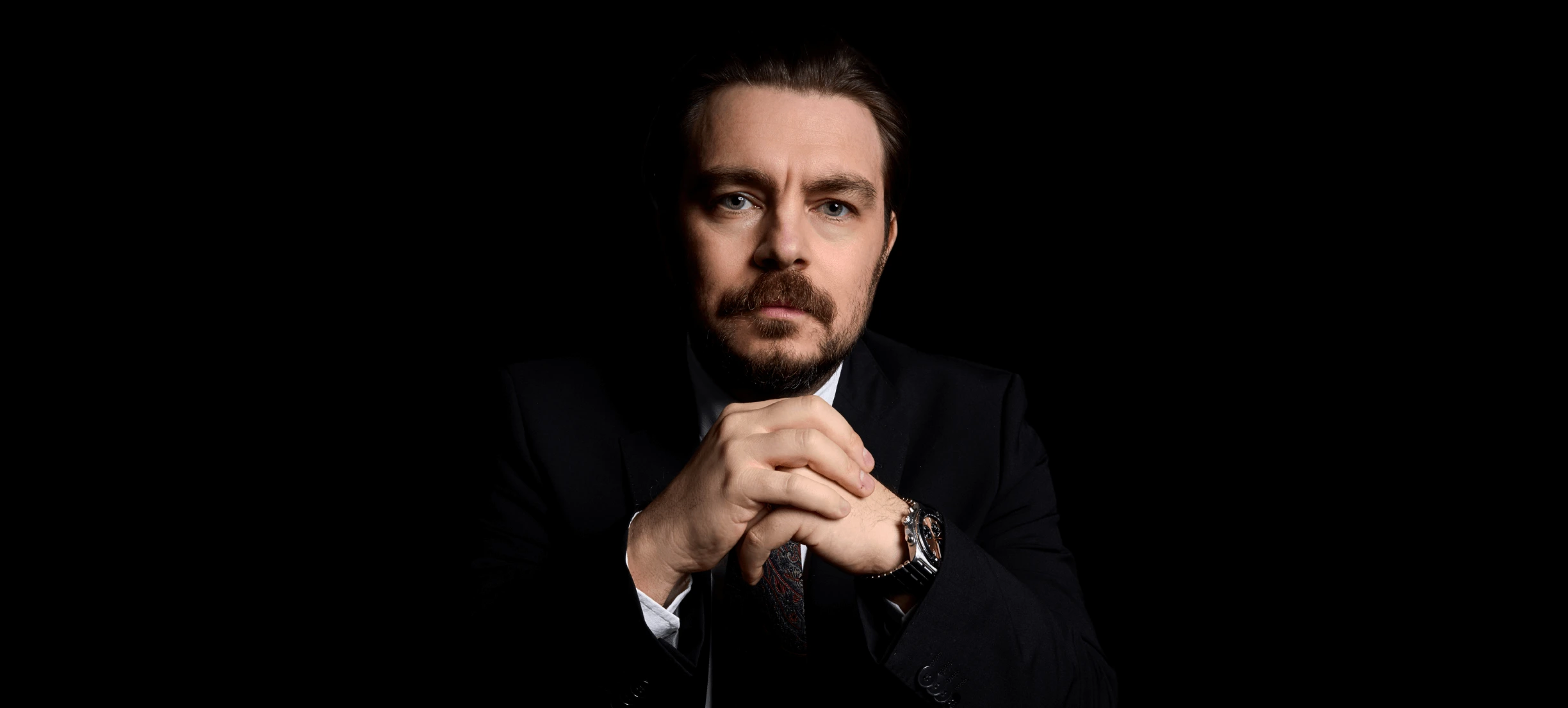
Every plan starts with an examination in Kadikoy, where the profile, the skin thickness and the airway are assessed separately.
Ask before you book anything
Send one front photograph, both profiles and a line about your breathing. You get an answer about what your nose actually needs, and whether anything else is shaping the profile.
Send photographs on WhatsAppBook a consultationCall +90 533 433 52 50- Weekdays 09:00 to 20:00, Istanbul time
- First consultation is free, and your details stay confidential under GDPR
What rhinoplasty changes in a male face, and what it should keep
Rhinoplasty reshapes the bone and cartilage of the nose. It can take down a hump, narrow a wide bridge, refine a heavy tip and straighten a nose that was broken years ago. The septum inside can be corrected in the same sitting.
A male nose follows different rules. The bridge sits straight or very slightly convex, the tip is turned up only a little, and the angle between nose and upper lip stays close to a right angle. The aim is a nose that fits a male face, not simply a smaller one. Over-reduction scoops the bridge and lifts the tip, and that is the change people notice as feminine.
Done well, three things improve together: the profile from the side, the balance of the face from the front, and airflow through a septum that is often deviated. Many men come for the look and find the breathing was the bigger gain. For men planning more than one change, rhinoplasty often sits inside alpha male plastic surgery.
See a male result settle, then ask about your own
A nose changes slowly after surgery, especially at the tip, and a short video shows that better than a single photograph. Send your own front and profile photographs and you get a straight answer about what rhinoplasty would change for you.
- Reply within about 15 minutes on weekdays
- First consultation free, confidential under GDPR
From the clinic on Instagram
A male rhinoplasty case from the practice account.
Follow @drburaksercanercin
What can be changed
Few men need every part of the nose touched. Most plans focus on one or two things that pull the eye, and leave the rest alone so the face keeps its character.
Profile
- Dorsal humpTaken down without scooping. A straight or faintly convex line reads masculine, while a dipped bridge rarely suits a male face.
- Bridge heightWhere the bridge is low or flat, it can be built up with cartilage so the profile carries more strength.
- Starting point between the eyesThe height of the radix changes how long and how strong the whole nose looks from the side.
Tip
- Heavy or bulbous tipRefined within what thicker male skin allows. Definition comes more slowly, and over-thinning shows through later.
- Drooping tipSupported and lifted slightly, stopping well short of the upturned tip that reads feminine.
- ProjectionHow far the tip sits out from the face, adjusted in relation to the lips and the chin.
Width and alignment
- Wide bony bridgeNarrowed by controlled repositioning of the nasal bones, so the width matches the rest of the face.
- Nostrils and baseWide or flaring nostrils are reduced conservatively, because over-narrowing a male base looks pinched.
- Crooked noseA nose bent by an old injury is straightened at the bone and the septum together, or it drifts back.
Breathing
- Deviated septumThe wall inside the nose is straightened. This is usually where the blocked side comes from.
- Enlarged turbinatesThe structures on the side walls are reduced when they narrow the airway.
- Collapsing valveWhere the sides draw in on breathing, cartilage grafts hold the passage open.
A nose is always read against the chin and the jaw. Where the profile problem sits there rather than in the nose, face and jaw surgery may do more than any change to the nose.
Male rhinoplasty before and after
Each case is photographed in profile and front view, in the same light and at the same distance, at least six months after surgery. The nose keeps refining for up to a year, so earlier photographs still carry swelling, especially at the tip.


Nose photographs are only useful when they are taken the same way twice: same angle, same distance, same light. The profile view shows the most, and anything earlier than a year still carries tip swelling in men with thicker skin.


Every case is shown with the patient's written consent, and no image is retouched. Results differ from person to person because skin thickness, anatomy and healing differ. There are more cases in the full gallery.
Male cases on Instagram
See the accountShort case notes from the practice, filmed as results settle. They show how much a nose changes between the first month and the first year.
Who rhinoplasty suits, and who it does not
This is the part of the consultation that matters most. Rhinoplasty is a precise operation for a specific problem, and a poor answer to several problems that look similar in a mirror.
Usually a good fit
Where the nose itself is what stands out.
- A hump, a bend or a heavy tip that bothers you. A clear, specific concern gives the plan a clear target and a result you can judge.
- A blocked side or constant mouth breathing. Shape and function are corrected together, and the airway is checked whatever the reason you came.
- A face that has finished growing. The nose keeps changing through the teenage years, so surgery waits until growth has stopped.
- General health that allows anaesthesia, with long-term conditions under control and smoking stopped well before the date.
Better served by something else
Not a refusal, a different conversation.
- A weak chin or a recessed jaw. The nose then looks larger than it is. Chin or jaw work through face and jaw surgery can balance the profile better.
- Wanting a different face. Rhinoplasty refines your own nose. It will not copy someone else's, and it should not try to.
- A concern out of proportion to what shows. When a small detail feels overwhelming, surgery rarely settles it, and saying so honestly is part of the consultation.
- A recent injury still healing. A freshly broken nose needs months to settle before it can be reshaped reliably.
Most men sit comfortably in the first column, with one clear concern and often a breathing problem they had stopped noticing. If you are not sure which column you are in, send your photographs and ask.
The approaches, and what actually separates them
Clinics often market the approach as though it decides the result. It does not decide it on its own. The choice follows from what needs changing, how thick the skin is, and whether the nose has been operated on before.
| Approach | How it works | Where it helps | Trade-off |
|---|---|---|---|
| OpenThe most controlled view | A small incision across the skin between the nostrils lets the skin be lifted and the framework seen directly. | Tip work, grafting, crooked noses and most revisions. | A fine scar under the nose, and tip swelling that takes longer to settle. |
| ClosedNo visible incision | All incisions sit inside the nostrils, with no external scar. | Moderate hump reduction and smaller changes where the tip needs little work. | Less direct access, so complex tip or grafting work is harder. |
| PreservationKeeps the natural dorsum | The bridge is lowered from beneath rather than shaved from the top, keeping its natural surface. | Straight, well-shaped bridges with a hump and no major deviation. | Not suited to every anatomy, and a hump can partly return. |
| Septoplasty and airway workFunctional | The septum is straightened, turbinates reduced and weak side walls supported. | Blocked breathing, whether alone or alongside a cosmetic change. | Adds some operating time; it rarely changes recovery much. |
| RevisionSecondary rhinoplasty | A previously operated nose is rebuilt, often with cartilage from the septum, ear or rib. | Over-reduced, collapsed or still crooked noses. | Longer surgery and slower settling, and scar tissue limits what is predictable. |
Which one is chosen for you is decided at the examination rather than booked in advance from a price list. If you are thinking about a second operation, bring the notes from the first one; they change the plan considerably. More about the surgeon's academic work is on the publications page.
How recovery actually runs
The first two weeks are about bruising and the splint. Everything after that is about swelling, which leaves the bridge first and the tip last.
- First 48 hours
Head up, and the nose blocked
You wake with a splint on the bridge and the nose feeling blocked, which is expected. Sleeping with the head raised and cold compresses around the eyes keep swelling down. Blowing the nose and bending forward both wait.
- First week
Bruising peaks, then the splint comes off
Bruising under the eyes peaks around day two or three and then fades. The splint and any external stitches come off at the review around day seven. This is also when travel home is discussed if you came from abroad.
- Weeks two and three
Back to work and to ordinary days
Most men return to desk work within seven to ten days, and to a normal social routine soon after. To other people the nose already looks settled, though you will still see and feel the swelling.
- Weeks four to eight
Training returns in stages
Light cardio comes back first, and weights follow gradually. Contact sports, and glasses resting on the bridge after bone work, wait for the timing your surgeon gives at review, typically around six weeks.
- Three to twelve months and beyond
The tip catches up
The bridge settles early, while the tip keeps refining for a year or longer in thicker male skin. Judging the final shape before then is judging swelling, and revision is never considered until it has cleared.
What decides how smoothly this goes
Keeping the head up, not blowing the nose, protecting it from knocks and not smoking. Those four do more for the result than any device used in theatre. If you are unsure about a symptom, ask the clinic rather than waiting.
What can go wrong, and what reduces it
Rhinoplasty is among the more demanding operations in aesthetic surgery, because small changes show. These are the issues that come up in practice, and what is done about each.
A result that reads feminine
Over-reducing the bridge or over-rotating the tip softens a male face. It is one of the most common reasons men seek revision.
What reduces it: planning to male proportions from the start, removing less rather than more, and checking the profile against the chin before anything is taken away.
Breathing that does not improve
A nose can look better and breathe worse if its internal support is weakened, or if the airway was never assessed.
What reduces it: examining the airway at every consultation, and supporting the side walls with cartilage where reduction would narrow them.
Irregularity or asymmetry
Small bumps along the bridge or slight differences between sides, often only visible once swelling has cleared.
What reduces it: careful smoothing of the bony bridge, and pointing out existing asymmetry at the consultation rather than after.
Long-lasting tip swelling
Thicker skin holds swelling for many months, and the tip can look full long after the rest has settled.
What reduces it: realistic expectations about timing, sun protection, and patience before judging the tip.
Bleeding and septal problems
Nosebleeds in the first days are the most common issue. A blood collection in the septum or a small hole in it is rare but needs attention.
What reduces it: stopping blood-thinning medication as instructed, careful septal technique, and review at the first sign of a problem.
The need for a second operation
A proportion of rhinoplasties need a smaller touch-up later, even when the first operation went well.
What reduces it: a conservative first plan, and waiting at least a year before any revision is discussed.
Numbness at the tip and a dulled sense of smell are normal for weeks to months and almost always recover. Heavy bleeding that does not stop, fever, rising pain or any change in vision is not part of the expected course and should be reported the same day.

Assoc. Prof. Dr. Burak Sercan Erçin
Plastic, reconstructive and aesthetic surgery
Rhinoplasty for men is planned as part of the whole face rather than as a nose in isolation. The profile is read against the chin, the jaw and the brow, so the change fits the face it sits on and nobody can point at what was done.
The reconstructive side of the training is what informs it. Rebuilding noses after injury and cancer teaches how much support a nose needs to keep its shape and keep breathing, and why taking away less is usually the better decision.
- EBOPRAS board certification
- University faculty post in the specialty
- Peer-reviewed publications in the field
- Consulting and operating in Istanbul
Coming from abroad
Most international patients plan around seven to ten days in Istanbul for a first rhinoplasty. Revision or combined work usually means longer, and that is agreed before you book anything.
- 1.
Send photographs and your history
A front view, both profiles and a view from below, plus any past nose surgery or injuries. Enough to say whether rhinoplasty is the right operation for you.
- 2.
Video consultation
A conversation with the surgeon rather than a coordinator, covering what is realistic, what is not, and whether the chin or jaw belongs in the plan.
- 3.
Dates and preparation
Surgery date, hospital, pre-operative tests, and a written list of what to stop and when. Travel is arranged around the date, not the other way round.
- 4.
Examination, surgery, first days
In-person examination the day before surgery, including the airway, then the operation and usually one night in hospital.
- 5.
Splint off, then follow-up from home
Review at around a week, when the splint comes off, then remote follow-up with photographs at the points where the result is worth checking.
Flying is discussed at the review rather than booked in advance, because it depends on how you are healing. If you would rather start with a written answer than a call, send your details through the contact page and you will get a reply from the clinic.
Questions men ask before booking
These come up in almost every consultation. If yours is not here, it is worth asking directly rather than reading around it.
Will my nose look feminine after rhinoplasty?
Not if it is planned to male proportions. A feminine result comes from specific choices: scooping the bridge, turning the tip up too far and narrowing the base too much.
Male rhinoplasty avoids all three. The bridge stays straight or faintly convex, the tip stays close to a right angle with the lip, and the nose is kept in proportion with the chin and jaw.
Can my breathing be fixed in the same operation?
Yes. A deviated septum, enlarged turbinates or weak side walls are corrected in the same sitting as the cosmetic change.
The airway is examined at every consultation, including for men who came only for the shape. Many have a blocked side they had stopped noticing.
Open or closed rhinoplasty, which is better?
Neither is better in general. Open access gives the most control for tip work, grafting and crooked noses, at the cost of a fine scar under the nose.
Closed access leaves no visible scar and suits smaller changes. The choice is made at the examination, from what the nose needs.
How long until I see the final result?
Most of the change is visible once the splint comes off and the bruising fades. The final shape takes a year or longer.
Men with thicker skin hold swelling at the tip for longest, so the tip is the last part to refine. Revision is never discussed before that.
When can I go back to the gym?
Walking starts straight away and light cardio returns after about two to three weeks. Heavier weights come back gradually after that.
Contact sports and anything with a risk of a knock to the face usually wait around six weeks, and longer after bone work. Your surgeon confirms the timing at review.
When can I wear glasses again?
If the nasal bones were repositioned, glasses resting on the bridge usually wait around four to six weeks. Until then they can be taped to the forehead or swapped for contact lenses.
If no bone work was done, the restriction is often shorter. You are told which applies to you before you leave.
Will there be visible scars?
With a closed approach, no external scar. With an open approach there is a fine incision across the skin between the nostrils, which usually fades to be hard to find.
If the nostrils are narrowed, small incisions sit in the natural crease where the nostril meets the cheek.
Is there an age limit?
The nose should have finished growing, which in men is usually by the late teens. There is no upper limit as such.
Older skin is thinner and cartilage more brittle, which changes the technique rather than ruling surgery out. General health matters more than age.
When can I fly home?
Usually after the splint comes off at the review around day seven, once the surgeon has seen how you are healing.
Cabin pressure can make the nose feel blocked for a while, which is uncomfortable rather than harmful. Moving regularly and staying hydrated on the day you travel still matter.
Can rhinoplasty be combined with chin or jaw work?
Yes, and for men it often should be considered. A weak chin makes the nose look larger than it is, and correcting both gives a more balanced profile than reducing the nose alone.
Whether to combine is decided on your anatomy and health. Where a combined case would be too long, it is staged instead.
If your question is about your own nose rather than the operation in general, it is quicker to ask it directly.
Ask the surgeonWhere to go next
If the nose turned out not to be the whole story, one of these probably covers the rest.
Often planned alongside it
Alpha male plastic surgery
The wider plan for men who want a stronger, more defined face, of which rhinoplasty is often one part.
Face and jaw surgery
Chin and jaw work that balances the profile when the nose is not the real problem.
Alpha male facelift
Lifting the lower face and neck while keeping a masculine jawline, for men further along.
Worth seeing first
Find out what your nose actually needs
Send a front photograph, both profiles and a line about your breathing, and you will get a straight answer about whether rhinoplasty addresses it, whether the chin or jaw is involved, or whether the two work better together. That answer comes from the surgeon.
- Reply within about 15 minutes on weekdays
- No price quoted before an examination
- English-speaking contact throughout
The first consultation is free and your details stay confidential under GDPR.

