This article was written by Assoc. Prof. Dr. Burak Sercan Erçin and is based on clinical experience. A specialist in Plastic, Reconstructive and Aesthetic Surgery; prepared in accordance with current medical literature and personal surgical data. A consultation is recommended before making any medical decisions.
The field of plastic and reconstructive surgery is currently navigating a period of unprecedented transformation, a shift so profound that it rivals the introduction of anesthesia or the operating microscope. For nearly a century, the practice of aesthetic enhancement was defined by the manual dexterity of the surgeon and the subjective artistic vision shared—often imperfectly—between doctor and patient. It was an analog discipline in a physical world, relying on hand-drawn markings, 2D photography, and the surgeon’s “eye” for symmetry and proportion. Today, however, we stand at the precipice of a new era: the age of Computational Aesthetics.
This report provides an exhaustive analysis of how Artificial Intelligence (AI), robotics, and data-driven medicine are redefining the standards of care in plastic surgery. While the principles of anatomy remain constant, the tools used to analyze, visualize, and modify that anatomy have evolved into sophisticated digital ecosystems. We explore this revolution through the lens of global medical tourism, specifically focusing on Istanbul, Turkey, a metropolis that has emerged as the “Silicon Valley” of aesthetic medicine. Within this ecosystem, the work of Dr. Burak Sercan Erçin, a reconstructive microsurgeon whose practice integrates high-level surgical craft with advanced digital planning, serves as a primary case study for the modern, tech-enabled surgical practice.
The Shift from Analog Artistry to Algorithmic Precision
To understand the magnitude of the AI revolution, one must first appreciate the inherent limitations of the traditional surgical model. Historically, plastic surgery consultations were fraught with semantic ambiguity. A patient requesting a “natural” nose and a surgeon promising a “natural” result often had vastly different visualizations of the outcome. This disconnect was not a failure of skill but a failure of communication tools. Two-dimensional photographs could not convey volumetric changes, and sketches could not account for dynamic tissue healing or scarring propensity.
The introduction of AI has fundamentally altered this dynamic by converting the subjective language of beauty into the objective language of mathematics. AI algorithms, particularly Convolutional Neural Networks (CNNs), are now capable of analyzing facial features with a granularity that exceeds human perception. These systems assess thousands of data points—skin texture, pore size, subsurface vascularity, and dynamic muscle vectors—to create a “Digital Twin” of the patient. This allows for a democratization of expertise; the accumulated knowledge of thousands of surgical outcomes is now accessible to guide the planning of a single procedure, ensuring that decisions are based on empirical data rather than intuition alone.
The Global Context: Medical Tourism and the Technocratic Rise of Turkey
The adoption of these technologies is not uniform globally. While the United States and Western Europe have traditionally led in medical research, the implementation of high-tech surgical workflows has accelerated rapidly in Turkey. Driven by government incentives and a competitive medical tourism market, Turkish clinics have invested heavily in the “Value Triangle” of cost, quality, and technology.
Turkey’s healthcare strategy has pivoted from simply offering affordability to offering superior technological infrastructure. Hospitals like Medical Park, where Dr. Burak Sercan Erçin operates, are equipped with robotic systems, 3D imaging suites, and AI-integrated logistical platforms that often rival or exceed those found in private Western clinics. This technological density attracts a specific demographic of international patients: the “Smart Medical Tourist.” These are individuals who research not just the price, but the specific technologies (e.g., VECTRA 3D imaging, Piezo ultrasonics, Symani robotics) used in their care. They seek a surgeon who is not merely a service provider, but an academic and technical expert.
In this report, we will dissect the specific technologies driving this shift—from predictive analytics that forecast aging to robotic systems that suture vessels smaller than a millimeter—and examine how surgeons like Dr. Erçin are utilizing them to deliver safer, more predictable, and aesthetically superior results for a global patient base.
Computational Beauty – How AI Defines and Refines Aesthetics
The concept of beauty has perplexed philosophers and artists for millennia. Is it subjective, lying “in the eye of the beholder,” or is it objective, rooted in mathematical ratios and symmetry? In the age of AI, the answer is increasingly leaning toward the latter, but with a nuanced, data-driven twist.
The Mathematics of Attractiveness: Beyond the Golden Ratio
Traditionally, plastic surgeons relied on neoclassical canons and the “Golden Ratio” (Phi, 1.618) to determine ideal proportions. While these provided a rough framework, they failed to account for ethnic diversity, age-related changes, and the dynamic nature of facial expressions.
AI models today are trained on vast datasets of diverse human faces, rated for attractiveness across different cultures and demographics. This allows the software to generate a “personalized ideal” rather than imposing a rigid template.
- Vector Analysis: Modern AI tools analyze the “vectors” of the face—the direction in which tissues sag or pull. For a facelift, the algorithm can calculate the precise angle of lift required to restore a youthful appearance without creating the dreaded “windblown” or “pulled” look.
- Volumetric Assessment: In procedures like breast augmentation or fat grafting, AI analyzes volume distribution. It can calculate exactly how many cubic centimeters of fat are needed in the cheek versus the temple to restore the “Ogee curve,” a key marker of youthful facial structure.
Pre-Operative Simulation: The “Digital Twin” Experience
The most visible application of AI for the patient is in 3D simulation. Platforms like Lindapp and Vectra have revolutionized the consultation process.
The Mechanism of 3D Modeling
These systems use a process called photogrammetry. Multiple high-resolution cameras capture the patient from various angles simultaneously. The software then stitches these images together to create a fully rotatable, high-fidelity 3D mesh of the patient’s body.
- Texture Mapping: The AI applies the patient’s actual skin texture to the model, including freckles, pores, and scars, making the simulation hyper-realistic.
- Dynamic Simulation: Advanced versions can simulate how the breasts will look when standing versus lying down, or how the nose will appear when smiling.
Clinical Application in Dr. Erçin’s Practice
For Dr. Burak Sercan Erçin, who treats a high volume of international patients, this technology bridges the geographic gap. A patient in London or New York can upload photos to a secure server. Dr. Erçin can then manipulate the 3D model during a video consultation, showing the patient: “This is your nose with a 2mm dorsal reduction,” or “This is how 350cc implants look compared to 400cc.” This visual agreement acts as a “visual contract,” significantly reducing anxiety and ensuring that the patient’s expectations align with surgical reality.
Predictive Analytics: Forecasting the Fourth Dimension (Time)
Plastic surgery is not static; the results evolve as the patient ages. AI is now capable of “Predictive Morphing,” showing not just the immediate post-operative result, but how that result is likely to age over 5, 10, or 20 years.
- Scar Evolution: By analyzing skin type (Fitzpatrick scale) and genetic markers, AI can predict the likelihood of hypertrophic scarring or keloids. This allows surgeons to adjust their incision placement or prescribe proactive silicone therapy.
- Tissue Relaxation: AI algorithms can predict how much skin laxity will recur after a facelift, helping surgeons decide whether to perform a deep-plane technique (which lasts longer) versus a SMAS plication.
The Robotic Extension – Precision Beyond Human Limits
While AI provides the map, robotics provides the vehicle. The integration of robotic systems into plastic surgery is transforming the field from “macroscopic” to “microscopic” precision. This is the domain where Dr. Burak Sercan Erçin’s specialized training sets a distinct standard.
The Evolution of Microsurgery
Microsurgery involves operating on structures that are too small to be seen by the naked eye, typically blood vessels and nerves ranging from 0.5mm to 2mm in diameter. This capability is the foundation of complex reconstruction—reattaching severed fingers, transferring tissue from the thigh to the breast (free flaps), or reanimating a paralyzed face.
The Fellowship at Clinica Cavadas
Dr. Erçin’s expertise was honed during his fellowship at Clinica Cavadas in Valencia, Spain, under Dr. Pedro Cavadas. Dr. Cavadas is a legendary figure in the medical world, known for performing the world’s first double leg transplant and face transplants.
- Significance: Training in such an elite environment instills a level of discipline and respect for tissue that is rare in standard cosmetic practice. A surgeon who has performed face transplants understands facial anatomy at a depth that far exceeds that of a typical cosmetic injector or general plastic surgeon.
- Translation to Aesthetics: This “microsurgical mindset” translates to aesthetic procedures in the form of gentler tissue handling, preservation of neurovascular bundles, and consequently, less bruising, reduced swelling, and faster recovery times for patients.
The Symani Surgical System: Super-Microsurgery
The frontier of this field is “Super-Microsurgery”—operating on vessels smaller than 0.8mm (often 0.3mm-0.5mm). This is where the Symani Surgical System comes into play, a robotic platform specifically designed for microsurgery.
Technology Overview
The Symani system features the world’s smallest wristed surgical instruments (NanoWrist). It sits between the surgeon and the patient, translating the surgeon’s hand movements into microscopic actions.
- Tremor Filtration: Even the steadiest human hand has a physiological tremor. The robot filters this out completely, allowing for needle placement with absolute stillness.
- Motion Scaling: The system can scale movement down by a factor of 20. A 2-centimeter movement of the surgeon’s hand at the console results in a 1-millimeter movement of the instrument tip.
Clinical Benefits
- Lymphatic Surgery: For patients with lymphedema (swelling after cancer surgery), robots allow for the connection of tiny lymphatic channels to veins (LVA), a procedure that was previously incredibly difficult.
- Free Flap Breast Reconstruction: In DIEP flap surgery, where skin and fat are moved from the belly to the breast, the robot ensures perfect connection of the blood vessels, reducing the risk of flap failure (necrosis) to near zero.
Robotic Hair Transplantation
In Turkey, hair transplantation is a major industry, and AI-driven robotics has refined this high-volume procedure.
- Follicular Unit Extraction (FUE): Robotic arms use AI vision to identify the healthiest hair follicles and extract them with a punch tool. The robot calculates the angle of hair growth below the skin surface to avoid transecting (cutting) the root.
- Recipient Site Creation: The robot creates thousands of tiny incisions in the recipient area, ensuring uniform spacing and depth, which is critical for natural-looking density.
The Intelligent Clinic – AI in Patient Safety and Logistics
For the international patient, the fear of the unknown is the biggest barrier. “What if I have a complication?” “How will I communicate?” AI is solving these logistical and safety challenges, making medical tourism safer and more transparent.
Risk Stratification Algorithms
Before a patient even books a flight, AI is working in the background to assess safety.
- Patient Selection: Clinics use AI tools to analyze patient health questionnaires. The software flags risk factors—such as a high BMI combined with a history of smoking—that might increase the risk of DVT (Deep Vein Thrombosis) or wound healing issues.
- Customized Protocols: Based on this risk profile, the AI suggests tailored pre-op protocols (e.g., specific blood thinners or smoking cessation programs) to optimize the patient for surgery.
HealthGPT and Multilingual Support
A major innovation in the Turkish medical landscape is the development of HealthGPT, a Large Language Model (LLM) specifically trained on Turkish medical data but designed for international interaction.
- Breaking the Language Barrier: Unlike generic translation apps, HealthGPT understands medical context. If a patient asks about “pain in the calf,” the system recognizes this as a potential DVT warning sign and translates it accurately to the medical team, rather than just translating the literal words.
- 24/7 Virtual Assistant: Patients have round-the-clock access to an AI assistant that can answer routine post-op questions (“Can I shower today?”, “Is this swelling normal?”) based on the specific protocols of Dr. Erçin. This reduces anxiety and ensures patients are never left without guidance.
Remote Monitoring and the “Connected Patient”
The post-operative period is critical. AI-enabled remote monitoring allows Dr. Erçin to “see” his patients even after they return to the UK or USA.
- Computer Vision Wound Analysis: Patients upload photos of their incisions to a secure app. AI algorithms analyze the color and texture of the wound to detect early signs of infection (erythema) or necrosis (tissue death) days before they might become clinically obvious to an untrained eye.
- Wearable Integration: Smartwatches track heart rate, sleep quality, and activity levels. A sudden spike in resting heart rate could indicate an infection or systemic issue, triggering an alert to the clinic’s medical team.
Dr. Burak Sercan Erçin – The Modern Microsurgeon Profile
In the crowded marketplace of Istanbul’s medical tourism, distinguishing between a “clinic brand” and a “master surgeon” is vital. Dr. Burak Sercan Erçin represents the latter—a surgeon whose practice is built on a foundation of rigorous academic and clinical excellence.
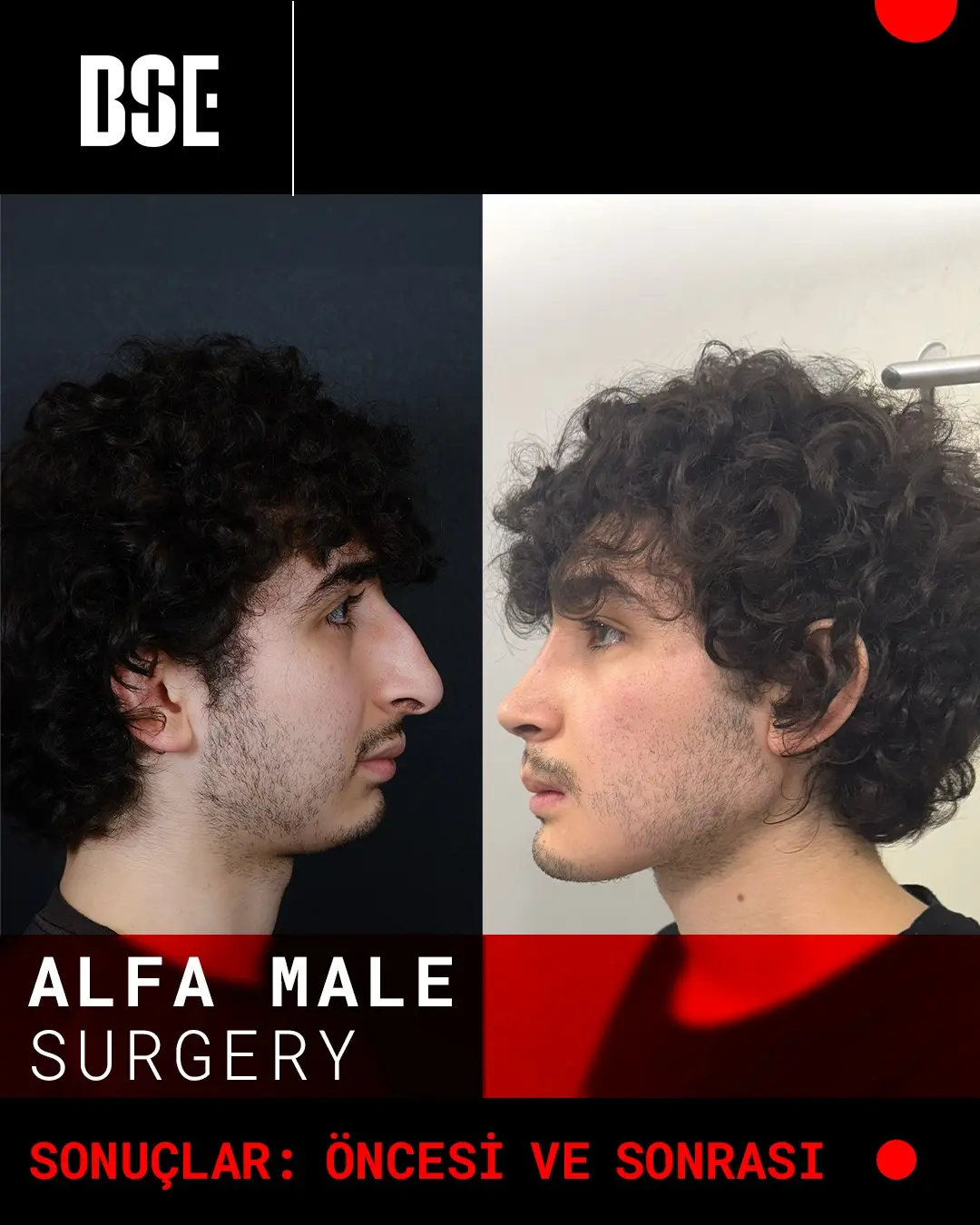
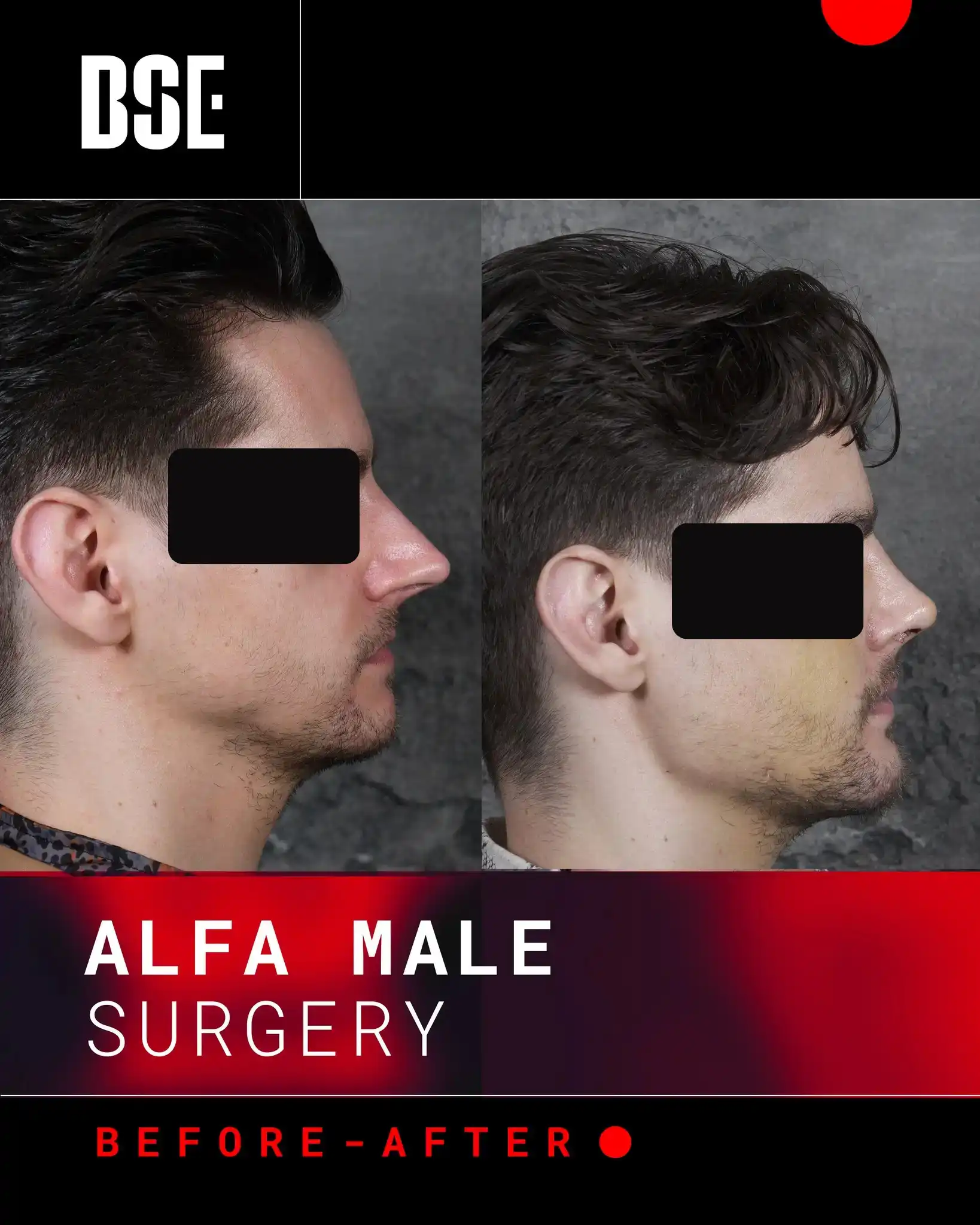
The “Alpha Male” Aesthetic Protocol
One of Dr. Erçin’s signature areas of expertise is male plastic surgery, a rapidly growing sector that requires a distinct approach. The “Alpha Male” concept is not about imposing a generic look but enhancing masculine markers based on geometric analysis.
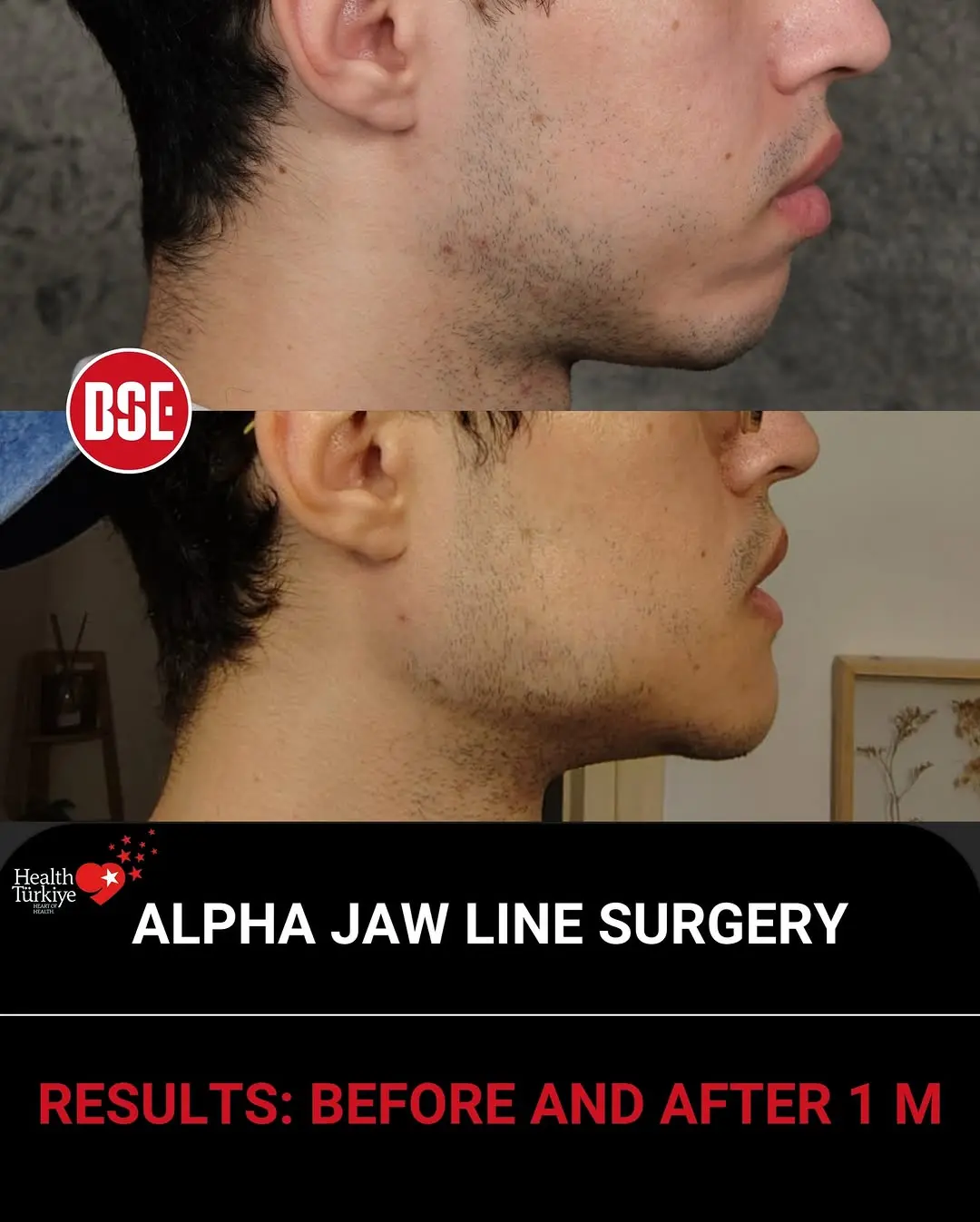
- The Jawline-Chin Complex: AI analysis reveals that the male chin should be roughly the width of the mouth, with a strong, square definition. Dr. Erçin uses custom implants or structural fat grafting to widen the bi-gonial distance (jaw width), creating a powerful lower facial third.
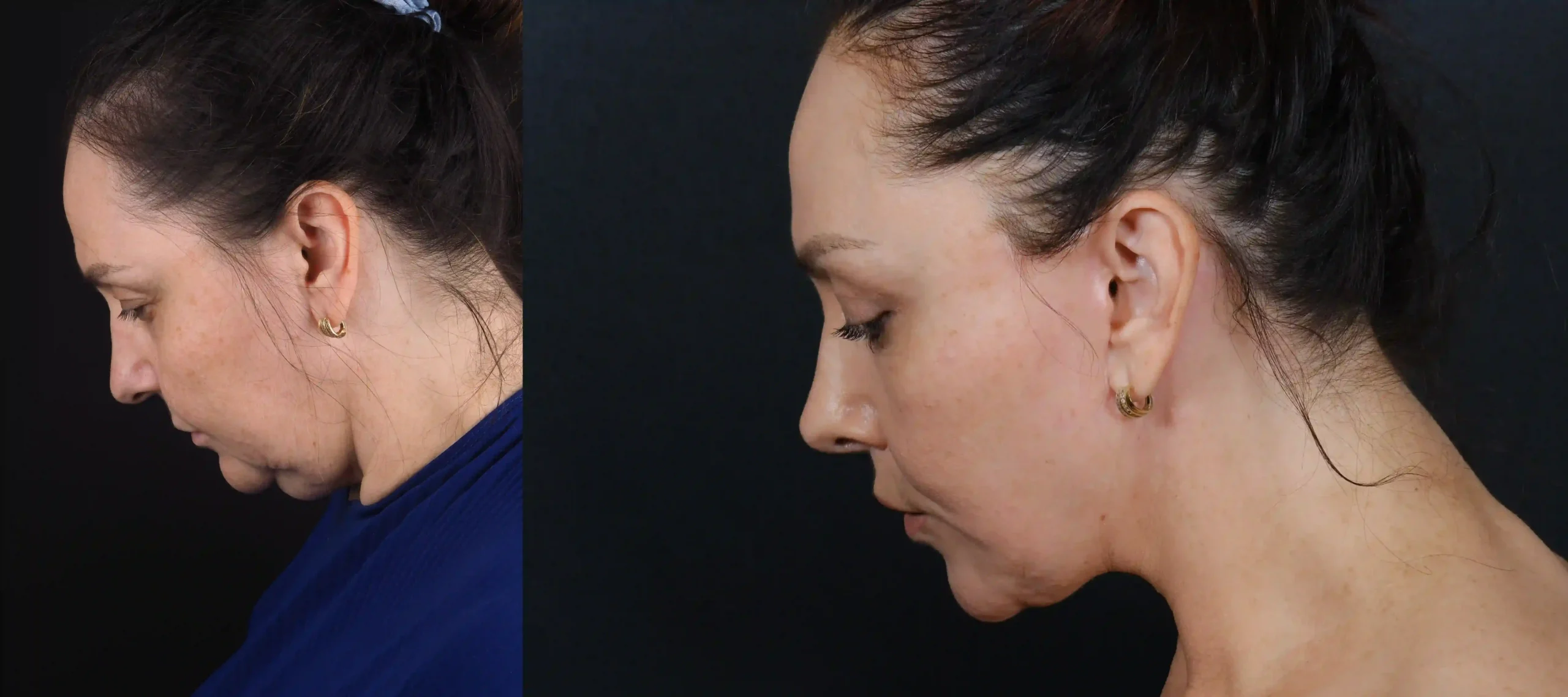
- The Deep Plane Facelift: Men have thicker skin and heavier muscles than women. Traditional skin-only facelifts often fail or look unnatural on men. Dr. Erçin employs the Deep Plane Facelift, which releases and repositions the deeper ligaments and SMAS layer. This restores the midface volume without stretching the skin, preserving the rugged texture and beard growth patterns that are essential to male aesthetics.
Breast Reconstruction: The Art of Restoration
Dr. Erçin’s background in cancer reconstruction deeply informs his cosmetic breast surgery.
- DIEP Flap Expertise: He is an expert in the DIEP flap procedure, where skin and fat are taken from the abdomen (like a tummy tuck) and used to build a new breast. This is the “gold standard” of reconstruction because it uses the patient’s own living tissue, which feels warm and soft, unlike implants.
- Microsurgical Safety: This procedure requires connecting blood vessels under a microscope. Dr. Erçin’s high success rate in these complex surgeries is a testament to his technical precision, which he applies equally to standard breast augmentations, ensuring minimal trauma and optimal implant pocket creation.
Academic and Scientific Leadership
Dr. Erçin is an Associate Professor at Bahçeşehir University and holds the EBOPRAS (European Board of Plastic, Reconstructive and Aesthetic Surgery) diploma.
- Why This Matters: Board certification serves as a quality seal. It means the surgeon has passed rigorous written and oral examinations demonstrating their knowledge of European safety standards.
- Research Output: With over 22 oral presentations and numerous publications, Dr. Erçin is an active contributor to the scientific community. He does not just follow trends; he helps define them through research into new techniques and technologies.
The Turkey Advantage – A Global Hub of Innovation
To understand why patients travel to Istanbul, one must look at the macro-economic and infrastructural factors that have created this “Medical Superpower.”
The “Value Triangle” Explained
Medical tourism in Turkey is driven by a unique convergence of factors:
- Cost Efficiency: Due to the exchange rate and lower labor costs, procedures in Turkey can be 50-70% less expensive than in the US or UK. However, unlike “discount” destinations, this cost saving is not achieved by cutting corners on quality.
- High-Volume Expertise: Malcolm Gladwell’s “10,000 Hour Rule” applies perfectly to surgery. Turkish surgeons often perform 3-4 times the annual case volume of their Western counterparts. This high repetition leads to extreme proficiency and lower complication rates.
- Technological Superiority: Government incentives allow clinics to purchase the latest FDA-approved technology (Vaser Lipo, Da Vinci Robots, J-Plasma) that might be too capital-intensive for smaller private practices in Europe.
The Ecosystem of Care
Medical tourism in Turkey is a comprehensive service industry.
- VIP Logistics: The experience is designed to be stress-free. Patients are met at the airport by private transfers, driven to 5-star hotels, and provided with personal coordinators.
- JCI Accreditation: Many hospitals, including the Medical Park group where Dr. Erçin operates, are JCI accredited. This is the gold standard in global healthcare, ensuring that the hospital meets the same safety and hygiene protocols as top US hospitals like the Mayo Clinic.
The Patient Journey – From Inquiry to Recovery
For an international patient, the process is structured to ensure safety and clarity at every step.
Phase 1: Virtual Discovery
The journey begins digitally. Patients submit photos via WhatsApp or email. Dr. Erçin’s team uses AI tools to screen these images for suitability. A video consultation follows, where the “Digital Twin” simulation is used to align expectations.
Phase 2: Arrival and Pre-Op
Upon arrival in Istanbul, the patient undergoes a comprehensive medical check-up (blood work, ECG, anesthesia clearance). This is more rigorous than in many Western clinics, as the goal is to ensure zero preventable complications.
Phase 3: The Procedure
Surgery takes place in fully equipped, hospital-grade operating theaters (not office backrooms). Advanced anesthesia protocols (TIVA – Total Intravenous Anesthesia) are often used to reduce post-op nausea and grogginess.
Phase 4: Recovery and “Smart” Monitoring
Post-op care includes lymphatic drainage massages and hyperbaric oxygen therapy (in some cases) to speed healing. Before flying home, the patient is set up with the remote monitoring apps that will keep them connected to Dr. Erçin for the next 12 months.
Ethical Considerations in the AI Era
As we embrace these technologies, we must also navigate the ethical landscape.
Algorithmic Bias
AI models are only as good as the data they are trained on. Historically, medical datasets have been skewed toward Caucasian features. Dr. Erçin’s clinic is aware of this and utilizes AI tools that have been validated on diverse datasets, ensuring that ethnic features (e.g., in Asian or African rhinoplasty) are respected and not “normalized” to a Western standard.
Body Dysmorphia and AI Gatekeeping
With the rise of “Snapchat Dysmorphia,” where patients want to look like filtered selfies, ethical screening is crucial. AI can now analyze patient communication patterns to detect signs of Body Dysmorphic Disorder (BDD). If flagged, Dr. Erçin prioritizes counseling over surgery, adhering to the highest ethical mandate: Primum non nocere (First, do no harm).
Future Horizons (2026-2030)
The future holds even more radical advancements.
Bioprinting and Regenerative Medicine
We are moving toward a future where we no longer use silicone implants. Instead, we will 3D bioprint scaffolds using the patient’s own stem cells to grow new breast tissue or cartilage for nose reconstruction. This “Regenerative Aesthetics” promises results that are 100% biological and permanent.
Genomic Aesthetics
AI will soon analyze a patient’s genome to predict their aging trajectory. We will know at age 25 if a patient is genetically prone to collagen breakdown, allowing for “preventative” micro-treatments that stop aging before it starts, effectively freezing time.
Conclusion: The New Standard of Excellence
The integration of Artificial Intelligence and robotics in plastic surgery is not a fad; it is the new standard of excellence. It represents a shift from “guessing” to “knowing,” from “artistic intuition” to “data-driven precision.”
For the international patient, Dr. Burak Sercan Erçin offers a compelling proposition: the safety and precision of a world-class microsurgeon, augmented by the predictive power of AI, all within the hospitable and technologically advanced ecosystem of Istanbul. In this new era, beauty is no longer just skin deep—it is intelligent, calculated, and perfectly engineered.
Appendix A: Comparative Analysis of Traditional vs. AI-Enhanced Plastic Surgery
Below is a direct comparison of how the patient experience differs between the old analog models and Dr. Erçin’s modern digital approach.
- Consultation: In the traditional approach, surgeons relied on mirrors, 2D photos, and verbal descriptions. The AI-enhanced approach uses a 3D Digital Twin and Rotatable 360° Simulation. The benefit to the patient is the ability to “try on” their new look, eliminating misunderstandings.
- Surgical Planning: Traditionally, this involved visual estimation and manual calipers. Now, it involves volumetric analysis and vector calculation. This ensures precise symmetry and optimized implant selection.
- Rhinoplasty: The old method often used a hammer and chisel (osteotome). The modern approach uses Piezo Ultrasonic technology and AI flow analysis. This results in no black eyes, preserved breathing function, and faster healing.
- Microsurgery: Traditional methods used manual sutures and loupe magnification. The modern approach utilizes robotic assistance (Symani) with tremor filtration. This provides the ability to repair sub-millimeter vessels and ensures higher flap survival.
- Post-Op Care: Formerly, this relied on phone calls and periodic visits. Today, it involves wearable biosensors and AI wound analysis apps. This creates a 24/7 safety net for the early detection of complications.
- Risk Assessment: Traditionally done via a standard medical history form. Now, AI-driven risk stratification algorithms are used. This allows for personalized safety protocols and better prevention of DVT or infection.
Appendix B: Dr. Burak Sercan Erçin – Professional Profile Snapshot
Name: Assoc. Prof. Dr. Burak Sercan Erçin Specialization: Plastic, Reconstructive, and Aesthetic Surgery Location: Istanbul, Turkey (Medical Park Pendik / BSE Clinic)
Key Credentials:
- EBOPRAS Board Certified: European Board of Plastic, Reconstructive and Aesthetic Surgery.
- Microsurgery Fellowship: Trained at Clinica Cavadas, Spain (World-renowned transplant center).
- Academic Role: Associate Professor, Bahçeşehir University.
- Observer-ships: University of South Florida, Moffitt Cancer Center (Breast & Burn Reconstruction).
Signature Procedures:
- Alpha Male Facelift: Specialized deep-plane technique for men.
- DIEP Flap Breast Reconstruction: Microsurgical tissue transfer.
- Revision Rhinoplasty: Correction of complex deformities using rib cartilage.
- Composite Breast Augmentation: Implants combined with fat grafting for natural cleavage.
Appendix C: Understanding the Technologies
VECTRA 3D Imaging A high-resolution capture system that uses multiple cameras to build a 3D model of the face or body. It allows for the simulation of procedures like rhinoplasty, chin augmentation, and breast augmentation. It is the gold standard for pre-operative visualization.
Piezo Surgery (Ultrasonic Rhinoplasty) A technology that uses ultrasonic vibrations to cut bone without damaging soft tissue. Unlike traditional hammers and chisels, it minimizes trauma, resulting in significantly less bruising and swelling.
Symani Surgical System A robotic platform designed for super-microsurgery. It allows surgeons to suture vessels as small as 0.3mm by filtering out hand tremors and scaling down movements. It is critical for complex reconstruction and free flap surgery.
HealthGPT (Turkey) A specialized Large Language Model (AI) developed in Turkey to facilitate medical tourism. It provides accurate medical translation and guidance for international patients, bridging the language gap in healthcare settings.
Medical Disclaimer: The information provided in this report is for educational purposes only and does not constitute medical advice, diagnosis, or treatment. All surgical procedures carry risks. Patients should consult with a board-certified plastic surgeon to discuss their specific goals and medical history. The mention of specific technologies (e.g., Symani, Vectra) implies their availability in the broader field of modern plastic surgery; specific availability should be confirmed directly with the clinic.
Detailed Section: The Economic & Logistic Architecture of Turkish Medical Tourism
To fully grasp why Dr. Erçin’s clinic is a top choice for international patients, we must deep-dive into the logistical and economic architecture that supports it.
The Cost-Quality Paradox
Western patients often associate lower cost with lower quality. In Turkey, this correlation does not hold due to “Purchasing Power Parity” (PPP).
- Labor Costs: The cost of skilled labor (nurses, technicians) and operational overhead (rent, utilities) is significantly lower in Turkey than in the US or UK.
- Currency Exchange: The valuation of the Turkish Lira against the Dollar, Euro, and Pound creates a massive arbitrage opportunity for foreign patients.
- Domestic Manufacturing: Turkey has a robust domestic pharmaceutical and medical device manufacturing industry, reducing the cost of consumables compared to countries that import everything.
Estimated Cost Comparison (USD)
- Rhinoplasty: In the USA or UK, costs typically range from $8,000 to $15,000. In Turkey, the estimated cost is $3,000 to $5,000. This represents savings of approximately 65%.
- Facelift: In the USA or UK, costs typically range from $15,000 to $30,000. In Turkey, the estimated cost is $5,000 to $8,000. This represents savings of approximately 70%.
- Breast Augmentation: In the USA or UK, costs typically range from $6,000 to $10,000. In Turkey, the estimated cost is $3,000 to $4,500. This represents savings of approximately 55%.
- Hair Transplant: In the USA or UK, costs typically range from $10,000 to $20,000. In Turkey, the estimated cost is $2,000 to $4,000. This represents savings of approximately 80%.
Note: These are estimated ranges for 2025/2026 and vary by clinic and complexity.
The “All-Inclusive” Package Model
Unlike Western clinics where the surgeon’s fee, anesthesia fee, and facility fee are billed separately, Turkish clinics typically offer “All-Inclusive Packages.”
- What’s Included: Surgery, anesthesia, hospital stay (1-2 nights), hotel accommodation (5-7 nights), VIP airport transfers, medications, and translator services.
- Benefit: This creates price certainty. A patient knows exactly what the trip will cost before they leave home, eliminating the fear of “surprise billing.”
Detailed Section: Deep Dive into “Alpha Male” Aesthetics
The male aesthetics market is the fastest-growing segment in plastic surgery, yet it is the most prone to error. A feminine nose on a male face, or an over-filled cheek, can be disastrous. Dr. Erçin’s “Alpha Male” approach is a scientifically rigorous protocol designed to avoid these pitfalls.
The Science of Dimorphism
Sexual dimorphism refers to the physical differences between biological sexes. AI algorithms analyze these differences to guide surgical planning.
- Brow Ridge: Men have a more prominent supraorbital ridge. In brow lifts, Dr. Erçin is careful not to over-elevate the brow, which would feminize the face.
- Nasal Dorsum: While women often want a slight curve (supratip break), men typically require a straight, strong dorsal line. AI simulation ensures the reduction is conservative.
- Chin Projection: A weak chin is often the primary complaint. Dr. Erçin uses “Genioplasty” (moving the chin bone) or custom implants to create a square, projected chin that aligns vertically with the lower lip.
High-Definition Liposuction (Etching)
For body contouring, the “Alpha Male” protocol involves High-Definition (Hi-Def) Liposuction.
- Technique: This is not just removing fat; it is sculpting. Dr. Erçin removes fat from the valleys of the abdominal muscles (linea alba, linea semilunaris) while leaving a thin layer of fat over the muscle bellies.
- Result: This reveals the underlying musculature, creating a “six-pack” look that is permanent, provided the patient maintains a stable weight. AI ultrasound tools are used intraoperatively to measure fat thickness and ensure symmetry.
Detailed Section: Post-Operative Psychology & Support
Recovering from surgery in a foreign country can be psychologically taxing. Dr. Erçin’s clinic implements a “Psychological Safety Net.”
The “Post-Op Blues”
It is common for patients to feel a dip in mood 3-4 days after surgery due to the comedown from anesthesia and the physical discomfort of swelling.
- Education: Patients are educated about this pre-operatively so they recognize it as a normal physiological response, not a sign that they made a mistake.
- Connectivity: The 24/7 availability of the team via WhatsApp or HealthGPT provides reassurance. Knowing that a doctor is just a message away is a powerful anxiolytic.
Managing Expectations
Even with AI simulation, the immediate post-op result is masked by swelling.
- The “Trust the Process” Protocol: Patients receive a timeline graphic showing the typical swelling curve (e.g., “Day 3 is the peak of swelling,” “Week 6 is 70% resolved”). This manages expectations and prevents panic during the early recovery phase.
Final Strategic Recommendations for the Patient
- Do Your Homework: Don’t just look at Instagram. Look for board certifications (EBOPRAS) and fellowships (like Dr. Erçin’s time with Dr. Cavadas).
- Verify the Technology: Ask specifically if the clinic uses 3D simulation (Vectra/Lindapp) and what their protocol is for post-op monitoring.
- Plan for Recovery: Don’t try to fly home too soon. Give yourself the recommended 7-10 days in Istanbul to ensure you are fit to fly and have had your final check-up with Dr. Erçin.
- Embrace the “Digital Twin”: Use the AI simulation tools during your consultation to be bold in your questions. It is the best way to ensure your vision matches the surgeon’s plan.
By following this guide and choosing a provider who sits at the cutting edge of AI and microsurgery, you are ensuring that your medical tourism journey is a success story—a perfect blend of Turkish hospitality, robotic precision, and artistic vision.
This content was written by Assoc. Prof. Dr. Burak Sercan Erçin in line with clinical experience and current medical literature. It is intended for general informational purposes only and does not constitute medical advice. A personal consultation with Dr. Erçin is recommended for individual assessment.
Faculty Member · Bahçeşehir University
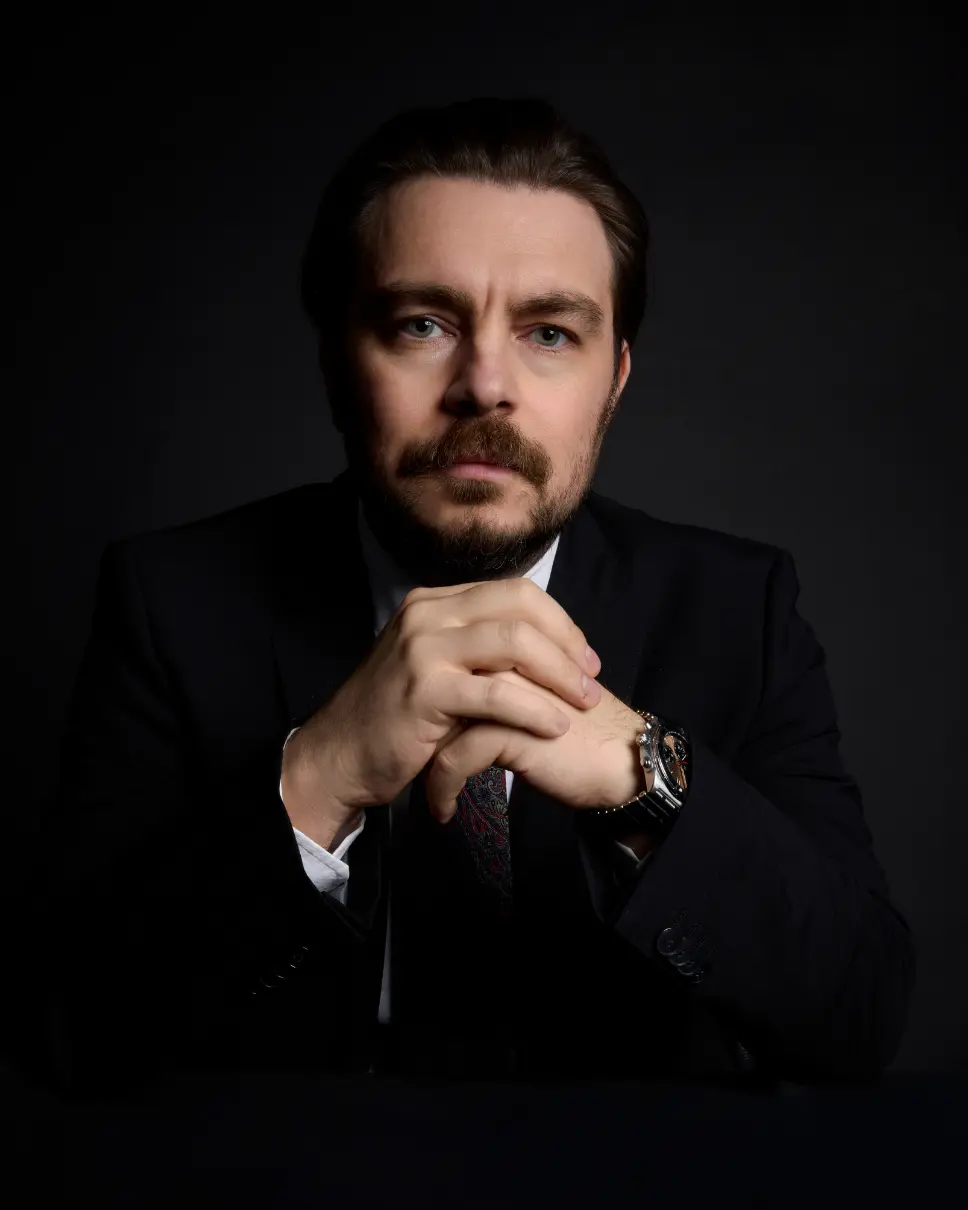
Graduate of Ege University Faculty of Medicine, Assoc. Prof. Dr. Erçin completed advanced fellowships at Tampa General Hospital (USA) under Dr. Deniz Dayıcıoğlu in breast reconstruction and burn surgery, and at the clinic of Dr. Pedro Cavadas in Valencia, Spain in reconstructive microsurgery. After passing the EBOPRAS examination in 2018, he joined Bahçeşehir University as a faculty member and continues his private practice on Bağdat Avenue, Istanbul, specialising in face, breast and body aesthetics alongside complex reconstructive surgery.