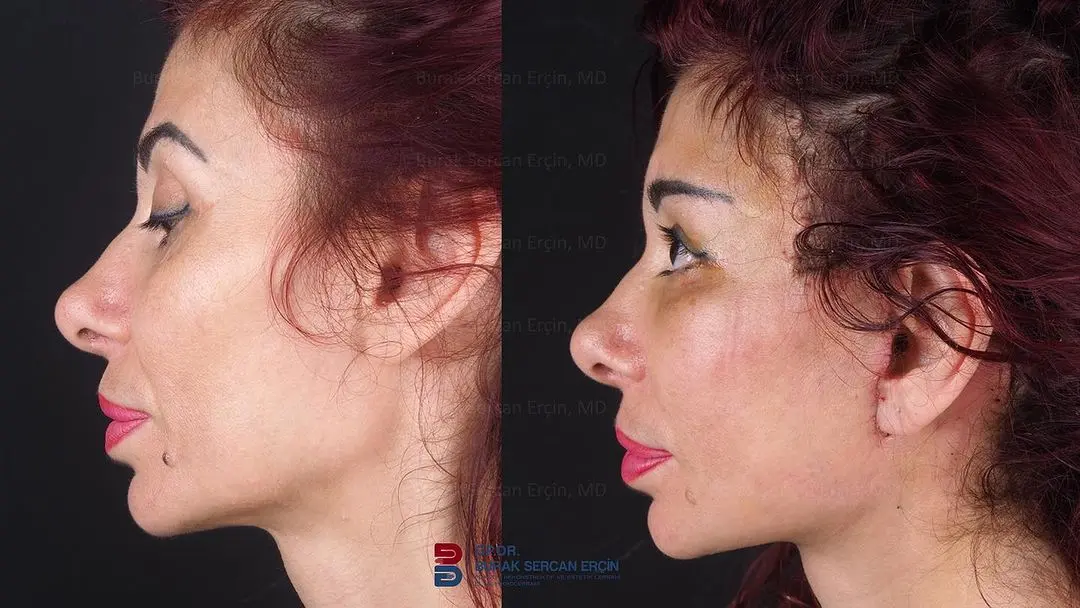

This article was written by Assoc. Prof. Dr. Burak Sercan Erçin and is based on clinical experience. A specialist in Plastic, Reconstructive and Aesthetic Surgery; prepared in accordance with current medical literature and personal surgical data. A consultation is recommended before making any medical decisions.

The search for facial harmony and youthful aesthetics has led to a global increase in specialized eye surgeries. Lateral canthoplasty is now one of the most sought-after procedures in modern aesthetic medicine. Often called almond eye surgery or cat eye surgery, this delicate surgical intervention reshapes the outer corner of the eye. It provides a lifted, rejuvenated, and structurally sound lower eyelid. Patients worldwide are looking beyond their borders to find top-tier surgical expertise combined with accessible, world-class healthcare. Istanbul has firmly positioned itself as a premier global destination for cosmetic and reconstructive excellence. Finding the Best lateral canthoplasty Turkey has to offer requires a deep understanding of the procedure, periorbital anatomy, and the surgeon’s credentials. This guide explores every aspect of lateral canthoplasty to provide you with the ultimate resource for your aesthetic journey.
Introduction
The human eye is not just an organ of vision. It is the focal point of facial expression, interpersonal communication, and perceived youthfulness. Over time, the delicate tissues around the eyes experience the effects of gravity, environmental stressors, and the natural aging process. This often results in a drooping or sagging lower eyelid. Such a condition can create a perpetually tired, sad, or aged appearance, even if you feel energetic. To fix this, aesthetic medicine has moved away from simple skin excision toward advanced structural modifications.
Lateral canthoplasty represents the highest level of this medical progress. Surgeons strategically reposition and reinforce the lateral canthal tendon to restore youthful tension to the lower eyelid. This corrects functional impairments like ectropion and creates the highly desired upward tilt. As we move through 2026, the demand for this procedure has reached record heights. This growth is driven by advancements in surgical precision and a growing awareness of its potential to improve appearance.
Turkey has become the main center for this specialized surgery. It offers a unique combination of elite medical talent, modern facilities, and a culture of hospitality. The purpose of this article is to explain the science behind the Best lateral canthoplasty Turkey provides. We want to empower you with the latest clinical data, recovery timelines, and expert advice so you can make an informed decision. We will explore surgical techniques, global statistics, cost benefits of medical tourism, and the psychological impacts of achieving your desired look.
Understanding the Complex Anatomy of the Lateral Canthus
To appreciate the precision required for a successful lateral canthoplasty, you must first understand the micro-anatomy of the periorbital region. The eye sits within the bony orbit and is protected by the upper and lower eyelids. These eyelids meet at two distinct junctions: the medial canthus near the nasal bridge and the lateral canthus near the temporal region. The lateral canthus is a highly complex, three-dimensional structure. It plays a critical role in maintaining the shape, tone, and functional integrity of the eye.
At its core is the lateral canthal tendon. This strong band of fibrous connective tissue anchors the tarsal plates to the periosteum of the lateral orbital rim. The tarsal plates act as the dense structural frameworks of the eyelids. This tendon is not a single structure. It consists of a superior crus and an inferior crus that fuse to form a common tendon. This tendon attaches to a small bony prominence known as Whitnall’s tubercle.
The exact position of this attachment determines the canthal tilt. This tilt is the angle formed by an imaginary line drawn from the medial canthus to the lateral canthus. In a youthful, aesthetically ideal eye, the lateral canthus sits about 1 to 2 millimeters higher than the medial canthus. This creates a positive canthal tilt.
However, factors like aging, genetics, previous eyelid surgeries, or facial trauma can cause the lateral canthal tendon to stretch, weaken, or detach. This structural degradation leads to a negative canthal tilt. A negative tilt causes a downward slanting of the outer eye, excessive visibility of the white of the eye (scleral show), and an overall fatigued appearance.
The Best lateral canthoplasty Turkey clinics use advanced imaging and anatomical mapping. They assess the specific degree of laxity in the lateral retinaculum. This ensures that any surgical intervention precisely addresses the underlying structural deficit. It does so without compromising the dynamic function of the orbicularis oculi muscle. This muscle is responsible for closing the eye and protecting the cornea.
What is Lateral Canthoplasty? The Science Behind Almond Eye Surgery
Lateral canthoplasty is a highly specialized surgical procedure. It is designed to reconstruct, tighten, and raise the lateral canthus. This restores both the functional competence and the aesthetic appeal of the lower eyelid. Unlike less invasive procedures that merely address superficial skin laxity, lateral canthoplasty involves a fundamental structural reorganization of the eye’s outer corner.
The procedure typically begins with a precise incision known as a canthotomy, which releases the lateral commissure. This is followed by a cantholysis. During this critical step, the surgeon carefully detaches the inferior crus of the lateral canthal tendon from its bony insertion at the orbital rim. Once the tendon is mobilized, the surgeon can shorten it and reshape the lateral tarsal plate. The entire complex is then resuspended to a higher, more secure position on the inner aspect of the lateral orbital wall.
This resuspension is carefully calibrated to achieve the desired lift and tension. It changes a rounded, drooping eye into a sleek, elongated almond shape. The science behind this change relies on biomechanics. By altering the vector of tension across the lower eyelid, the surgeon counteracts the downward pull of gravity and midfacial soft tissues.
Securing the tendon to the periosteum just inside the orbital rim ensures the eyelid remains closely positioned to the eyeball. This prevents complications like dry eye syndrome or excessive tearing (epiphora). The mastery of this procedure requires deep knowledge of periorbital neurovasculature, a refined aesthetic eye, and strict surgical precision.
When seeking the Best lateral canthoplasty Turkey has available, patients look for a specific type of surgeon. They need a professional who can blend rigorous anatomical science with the art of facial harmonization. This combination produces results that are structurally sound and visually stunning. If you are ready to explore your options, contact us today to book a consultation.
Lateral Canthoplasty vs. Canthopexy vs. Epicanthoplasty: Decoding the Differences
In the field of periorbital rejuvenation, medical terms can often confuse prospective patients. It is crucial to distinguish lateral canthoplasty from other related procedures, like lateral canthopexy and epicanthoplasty. Each serves a distinct anatomical purpose and yields different outcomes.
As established, lateral canthoplasty involves the actual detachment, reconstruction, and reattachment of the lateral canthal tendon. This makes it a powerful tool for correcting severe eyelid laxity, significant lower lid retraction, and pronounced negative canthal tilts. In contrast, a lateral canthopexy is a less invasive procedure that does not involve severing the tendon.
Instead, the surgeon uses strategically placed sutures to gather and secure the existing intact tendon and the surrounding orbicularis oculi muscle to the orbital rim. Canthopexy acts as a supportive measure. It reinforces the lateral canthus without fundamentally changing its underlying architecture. It is often performed alongside lower blepharoplasty to prevent postoperative downward pulling of the eyelid. However, it is generally insufficient for creating the dramatic, elongated “cat eye” effect that many patients desire.
On the other hand, epicanthoplasty focuses entirely on the inner corner of the eye (the medial canthus). This procedure is designed to reduce or eliminate the epicanthal fold. This fold is a web of skin that covers the inner corner of the eye, commonly seen in individuals of Asian descent. Removing it increases the horizontal width of the palpebral fissure and creates a more open, alert appearance.
For a complete understanding of how these procedures can be tailored to your specific anatomical needs, exploring the different types of canthoplasty is an essential step in your research. A highly skilled surgeon will carefully evaluate your facial vectors, tissue elasticity, and aesthetic goals. This helps determine whether a canthoplasty, a canthopexy, or a combination of techniques is the best course of action to achieve the Best lateral canthoplasty Turkey results.
The Global Surge in Eyelid Aesthetics: 2024-2026 Statistical Insights
The field of aesthetic surgery has undergone a massive shift in recent years. There is a clear focus on facial and periorbital procedures. The International Society of Aesthetic Plastic Surgery (ISAPS) released its highly anticipated 2024 Global Survey results in mid-2025. This data fundamentally redefines industry trends.
For the first time since global records began, eyelid surgery officially dethroned liposuction as the most frequently performed cosmetic surgical procedure worldwide. This category includes blepharoplasty and advanced procedures like lateral canthoplasty. The comprehensive data indicated that over 2.12 million eyelid surgeries were performed globally in a single year. This represents a staggering 13.4% year-over-year increase.
This monumental surge highlights a collective global prioritization of facial rejuvenation. It is driven by the desire for a refreshed, expressive, and youthful gaze. The statistics also revealed that the total number of aesthetic procedures reached nearly 38 million. This highlights the booming nature of the industry and the normalization of cosmetic enhancement.
Within this context, Turkey has solidified its position as a dominant force in the global medical tourism market. The country consistently ranks among the top destinations for these complex facial procedures. It draws tens of thousands of patients annually from the United States, the United Kingdom, Western Europe, and the Middle East. The sheer volume of periorbital surgeries performed in Turkey contributes directly to the unmatched experience level of its medical professionals.
When a surgical team performs hundreds of complex canthoplasties annually, their technical proficiency reaches an elite level. Their complication management protocols and aesthetic intuition become extraordinarily difficult to replicate in regions with lower surgical volumes. This statistical reality is a primary reason why individuals seeking the Best lateral canthoplasty Turkey has to offer can proceed with high confidence. They know they are participating in a globally validated trend backed by extensive clinical success and refined surgical expertise.
Why is Turkey the Global Center for the Best Lateral Canthoplasty?
The rapid rise of Turkey as the undisputed global center for aesthetic surgery is not a coincidence. It is the result of a carefully developed healthcare infrastructure and a deep pool of highly specialized medical talent. Its strategic geographic location also bridges East and West perfectly.
When considering the Best lateral canthoplasty Turkey provides, several critical factors place the country above other international medical tourism destinations. First and foremost is the exceptional caliber of Turkish plastic surgeons. Many of the leading practitioners in Istanbul have undergone rigorous international training. They hold prestigious board certifications (such as EBOPRAS) and actively contribute to global medical literature. Their expertise in microsurgery and complex facial reconstruction translates seamlessly into the delicate art of periorbital aesthetics.
Secondly, the private healthcare facilities in Turkey are world-class. Clinics and hospitals frequently boast accreditations from the Joint Commission International (JCI) and the International Organization for Standardization (ISO). This ensures their operating theaters, sterilization protocols, and patient care standards meet or exceed those found in the US and the UK.
Furthermore, the economic dynamics of Turkey offer an unmatched value proposition. Due to favorable exchange rates and lower domestic operational costs, patients can access elite surgical care, luxury accommodations, and comprehensive VIP concierge services. They receive all of this for a fraction of the price they would pay in their home countries. This cost-effectiveness does not come at the expense of quality. Instead, it democratizes access to top-tier aesthetic medicine.
Additionally, the Turkish medical tourism sector is highly organized. It offers seamless end-to-end experiences that include multilingual patient coordinators, airport transfers, and dedicated postoperative nursing care. For a deeper look into why this destination is the optimal choice for your aesthetic journey, reading about almond eye canthoplasty in Turkey provides valuable information. It highlights the complete patient experience that has made Istanbul a beacon for individuals seeking safe and sophisticated surgical outcomes. Reach out today and schedule your preliminary consultation.
Choosing the Best Lateral Canthoplasty Surgeon in Turkey
Assoc. Prof. Dr. Burak Sercan Erçin is an esteemed reconstructive surgeon in Istanbul with extensive expertise. He has over 10 years of experience in breast and burn reconstructive surgeries. With a specialization in Plastic, Reconstructive, and Aesthetic Surgery and a qualification diploma from EBOPRAS, MD. Burak has worked alongside some of the world’s leading reconstructive microsurgeons, including Dr. Pedro Cavadas.
With a commitment to excellence in both clinical practice and academic research, Dr. Burak is dedicated to providing his patients with the highest quality care possible. Book a consultation today and take the first step towards your physical improvement.
What Dr. Burak Specifically Offers in Turkey:
PRP Treatment (Platelet Rich Plasma), Breast Augmentation Surgery, Preservé™ Breast Augmentation, Breast Lift Surgery, Breast Reduction Surgery, Male Breast Reduction Surgery, Nose Aesthetics (Rhinoplasty), Almond Eye Surgery (Canthoplasty), Non-Surgical Aesthetics, Botox, Skin Rejuvenation (Microdermabrasion), Gummy Smile Botox, HIFU: Non-Surgical Facial and Skin Rejuvenation, Phototherapy (IPL) (Light Therapy), Chemical Peeling, Masseter Botox, Mesotherapy, Brow Lift Surgery, Prominent Ear Surgery (Otoplasty), Chin and Face Correction, Facial Feminization (FFS), Eyelid Aesthetics (Blepharoplasty), Lip Lift, Face Lift Surgery, Endoscopic Face Lift, Facial Masculinization (FMS), Alpha Male Treatment, Mommy Makeover, Liposuction, Vaginoplasty, Labiaplasty, Sex Reassignment Surgery, Jaw Surgery, Congenital Anomalies, Post-Cancer Reconstruction, Abdominal and Torso Reconstruction, Microsurgery, Revision Surgery, Hand Surgery, Bone Disease Treatments, Congenital Anomaly Treatments, Facial Paralysis, Burn Repair Treatments, Leg Lift Surgery, Brazilian Butt Lift (BBL), Abdominoplasty (Tummy Tuck Surgery), Arm Lift Surgery (Brachioplasty), Chronic Wound Treatments.
Functional vs. Cosmetic Indications for Canthoplasty
While the popularity of lateral canthoplasty is largely driven by its cosmetic benefits, it is fundamentally a reconstructive procedure. It has vital functional applications that protect ocular health. Understanding the dual nature of this surgery is essential for anyone seeking the Best lateral canthoplasty Turkey has to offer.
On the cosmetic front, the primary indication is the desire for aesthetic enhancement. Specifically, patients want the creation of an almond-shaped eye or the correction of a tired, sad appearance caused by a negative canthal tilt. Patients seeking the “fox eye” or “cat eye” look rely on lateral canthoplasty to permanently lift the outer corner of the eye. This provides a sleek, exotic, and youthful contour that makeup alone cannot achieve.
However, the functional indications for canthoplasty are equally, if not more, critical. As individuals age, the lower eyelid can lose its elastic recoil. This leads to a condition known as senile ectropion, where the eyelid margin turns outward. It exposes the delicate conjunctiva to the air, resulting in chronic irritation, redness, and severe dry eye syndrome.
Conversely, the eyelid can turn inward (entropion), causing the eyelashes to rub painfully against the cornea. This can potentially lead to abrasions and vision impairment. Additionally, patients who have undergone previous, overly aggressive lower eyelid surgeries may suffer from lower lid retraction or lagophthalmos (the inability to fully close the eye).
In these complex reconstructive scenarios, lateral canthoplasty is not merely a cosmetic luxury. It is an absolute medical necessity. By restoring the structural integrity of the lateral retinaculum, the surgeon re-establishes the proper tension of the lower eyelid against the globe. This effectively cures these debilitating conditions, protecting the patient’s vision while delivering a superior aesthetic outcome. The ability to seamlessly integrate functional restoration with cosmetic perfection is the mark of an elite reconstructive surgeon.
Preoperative Assessment: The 7 Key Anatomical Findings
The foundation of any successful surgical outcome is laid long before the first incision is made. In the context of periorbital surgery, a meticulous preoperative assessment is absolutely vital. Leading clinical studies emphasize that the success of the procedure depends entirely on the proper analysis of periorbital anatomy.
Surgeons striving to deliver the Best lateral canthoplasty Turkey can provide rely on identifying and documenting specific physical findings. This helps them determine the most appropriate surgical technique. Research highlights seven key preoperative findings that must be evaluated carefully.
The first is the presence of a negative vector. This occurs when the most prominent part of the globe projects further forward than the underlying cheekbone (maxillary hypoplasia). This anatomical reality provides poor support for the lower eyelid. It increases the risk of postoperative sagging and necessitates a stronger canthoplasty technique.
Other critical findings include lid margin eversion (the outward turning of the eyelid margin) and the degree of scleral show (the amount of white visible between the iris and the lower eyelid). The existing canthal tilt must also be measured to see if it is neutral, positive, or negative. Furthermore, the surgeon must measure the lateral canthus-to-orbital rim distance. A distance greater than 1 centimeter often indicates significant tendon laxity that requires precise shortening.
During the consultation, the surgeon will also perform dynamic physical exams. The “snap-back test” involves pulling the lower eyelid down and releasing it to observe how quickly it snaps back against the eye. The “distraction test” involves pulling the eyelid horizontally away from the globe to measure laxity. By synthesizing all these complex anatomical variables, the surgeon formulates a highly customized surgical blueprint. This ensures that the lateral canthoplasty achieves the desired aesthetic lift and maintains the long-term functional stability of the eye.
Step-by-Step: How the Lateral Canthoplasty Procedure is Performed
Understanding the specific steps involved in a lateral canthoplasty can significantly reduce patient anxiety. It also highlights the exceptional skill required to perform the surgery correctly. The journey toward achieving the Best lateral canthoplasty Turkey offers begins in a fully equipped, sterile operating theater.
The procedure is typically performed under local anesthesia with intravenous sedation. This ensures the patient is completely comfortable and pain-free. It also allows the surgeon to assess the eyelid’s dynamic position during the surgery. Once the anesthesia has taken effect, the surgeon makes a precise, micro-incision. Depending on the specific technique employed, this incision may be hidden within the natural crease of the upper eyelid or placed directly at the lateral commissure.
The next crucial step is the canthotomy. The surgeon carefully divides the lateral palpebral raphe to expose the underlying lateral canthal tendon. Following this, a cantholysis is performed. The surgeon meticulously releases the inferior crus of the tendon from its attachment to the orbital rim. This mobilization allows the lower eyelid to be freely manipulated.
The surgeon then determines the precise amount of tendon shortening required to achieve the desired tension and lift. In many advanced cases, a small strip of the lateral tarsal plate is fashioned. This is known as the lateral tarsal strip technique, and it provides a strong anchoring point. Using specialized, non-absorbable or slow-absorbing sutures, the surgeon suspends this newly fashioned tendon complex. It is attached to the periosteum (the dense connective tissue covering the bone) on the inner aspect of the lateral orbital rim.
The placement of this suture is the most critical moment of the surgery. It dictates the final canthal tilt and ensures the eyelid hugs the curvature of the eyeball perfectly. Finally, the surgeon carefully closes the mucosal and skin incisions with ultra-fine sutures. This minimizes the potential for visible scarring and initiates the healing process.
Advanced Techniques: The Lateral Tarsal Strip and Minimally Invasive Approaches
The field of periorbital reconstructive and aesthetic surgery is constantly evolving. Surgeons are always refining their techniques to maximize results while minimizing tissue trauma and recovery time. When researching the Best lateral canthoplasty Turkey has to offer, prospective patients will frequently encounter discussions regarding advanced surgical methodologies.
The gold standard for addressing significant lower eyelid laxity and achieving a deep, lasting lift is the Lateral Tarsal Strip (LTS) procedure. It was developed to overcome the limitations and high relapse rates of older techniques. The LTS involves completely detaching the lateral canthal tendon and splitting the lateral eyelid to expose the dense tarsal plate. The surgeon essentially creates a new, customized tendon from this strong tissue. This “strip” is then securely sutured to the periosteum of the orbital rim.
The LTS provides unmatched structural support and allows for highly precise adjustments to the eyelid’s contour and tension. Conversely, for patients requiring purely aesthetic enhancements with minimal existing laxity, surgeons may employ minimally invasive approaches. Pioneering studies have demonstrated the efficacy of performing aesthetic lateral canthoplasty through a small, strategically hidden incision in the upper eyelid crease.
This technique allows the surgeon to access the lateral retinaculum, perform the necessary resuspension, and achieve a beautiful almond eye contour. It accomplishes this without making any incisions on the lower eyelid or the outer corner itself. This minimally invasive approach significantly reduces the risk of visible scarring, minimizes postoperative swelling, and accelerates the overall recovery timeline.
Furthermore, some cutting-edge clinics in Turkey are integrating laser technology into their canthoplasty procedures. Laser canthoplasty utilizes highly focused light energy to make incisions and simultaneously cauterize blood vessels. This results in less intraoperative bleeding, reduced bruising, and potentially faster initial healing. The selection of the specific technique is highly dependent on the patient’s unique anatomy. This highlights the bespoke nature of elite aesthetic care in Istanbul. Contact Dr. Burak’s clinic to find out which method suits you best.
Combining Lateral Canthoplasty with Blepharoplasty and FFS
One of the most compelling aspects of undergoing aesthetic surgery in a premier destination like Turkey is the ability to safely combine multiple procedures. Lateral canthoplasty is exceptionally versatile. It is frequently performed alongside other facial surgeries to achieve a balanced and deeply effective rejuvenation plan.
The most common pairing is with blepharoplasty (eyelid surgery). While lateral canthoplasty addresses the structural tension and tilt of the outer eye, an upper blepharoplasty removes excess, hooded skin that weighs down the upper lid. Meanwhile, a lower blepharoplasty eliminates the bulging fat pads (eye bags) that cause a tired appearance. When these procedures are executed simultaneously, the entire periorbital region is revitalized. This results in a bright, alert, and dramatically younger-looking gaze.
To fully grasp the combined potential of these treatments, exploring the options for comprehensive eyelid aesthetics is highly recommended. Furthermore, lateral canthoplasty plays a vital role in more extensive facial contouring protocols, such as Facial Feminization Surgery (FFS). In FFS, the goal is to soften masculine facial features and create a more delicate, feminine aesthetic.
A positive, slightly elevated canthal tilt is widely recognized as a feminine marker of beauty. Incorporating an almond eye surgery into an FFS treatment plan can significantly enhance the overall feminization of the face. This is often done alongside procedures like brow bone reduction, rhinoplasty, and jaw contouring.
Similarly, combining a canthoplasty with an endoscopic brow lift can yield spectacular results. While the canthoplasty lifts the outer corner of the eye, the brow lift lifts the heavy tissues of the forehead and eyebrow. This completely opens up the upper third of the face. The surgeons providing the Best lateral canthoplasty Turkey boasts are masters of facial proportionality. They possess the expertise to design and execute these complex, multi-procedure surgical plans with flawless precision and safety.
The Recovery Timeline: What to Expect After Cat Eye Surgery in Turkey
A successful surgical outcome depends heavily on the patient’s strict adherence to postoperative care protocols. Understanding the recovery timeline is crucial for managing expectations. It ensures a smooth healing journey after receiving the Best lateral canthoplasty Turkey has to offer.
The immediate postoperative period (Days 1 to 3) is characterized by the most noticeable side effects. Patients should expect moderate swelling, bruising around the periorbital region, and a sensation of tightness at the outer corners of the eyes. A common, though temporary, occurrence is chemosis. This is a jelly-like swelling of the conjunctiva (the clear membrane covering the white of the eye). It occurs due to the disruption of lymphatic drainage during surgery and typically resolves on its own.
During these initial days, patients are instructed to rest with their head elevated at a 45-degree angle. This minimizes fluid accumulation. It is also important to apply cold compresses diligently. Prescribed lubricating eye drops and antibiotic ointments must be used to prevent infection and maintain ocular moisture. By Days 4 to 7, the acute swelling and bruising will begin to subside significantly.
If non-absorbable sutures were used for the skin closure, they are typically removed during this window at a follow-up appointment in the Istanbul clinic. During Weeks 2 to 4, the majority of patients feel comfortable returning to work and social activities. The eyes will look noticeably lifted, though some residual, subtle swelling may persist. Patients can usually resume wearing makeup and contact lenses once the incisions are fully closed and cleared by the surgeon.
It is during this phase that the “overcorrected” look begins to settle into its permanent, natural-looking contour. This deliberate surgical technique pulls the eye slightly higher than the final desired position to account for natural tissue relaxation. From Month 3 to Month 6, the deep internal sutures dissolve or integrate. The scar tissue matures and fades into invisibility, and the final almond shape of the eye is fully realized. Throughout this entire process, Turkish medical tourism packages typically provide continuous access to nursing support and virtual follow-ups.
Managing Risks and Ensuring High Success Rates
As with any surgical intervention, lateral canthoplasty carries inherent risks. A transparent discussion of these potential complications is a mark of ethical medical practice. However, when performed by a highly qualified, board-certified reconstructive surgeon in a modern facility, the procedure is overwhelmingly safe. Severe complications are exceedingly rare.
Clinical studies monitoring large groups of patients undergoing lateral canthoplasty techniques report highly favorable outcomes. Successful results are noted in 86% to 95% of cases according to both surgeon and patient assessments. The most frequently encountered postoperative issue is chemosis (conjunctival swelling). Studies indicate this can occur in up to 9.5% to 15% of patients.
While visually alarming, chemosis is almost always temporary and resolves with conservative management. This includes topical steroids and aggressive eye lubrication. Other minor, temporary complications can include a foreign body sensation, dry eye symptoms, and minor suture granulomas. More significant risks, though rare, include asymmetry between the two eyes, under-correction, or over-correction. Over-correction can result in an unnatural, overly slanted appearance.
In very rare instances, an improper procedure can lead to lateral canthal deformity. This requires a restorative modified lateral tarsal strip procedure to correct the contour and stabilize the eyelid. To mitigate these risks and secure the Best lateral canthoplasty Turkey experience, patient selection and precise surgical execution are paramount.
A masterful surgeon will carefully evaluate the patient’s facial vectors, skin elasticity, and underlying bone structure. They choose the exact technique that minimizes risk while maximizing aesthetic reward. Furthermore, the strict postoperative care protocols provided by elite Turkish clinics play a crucial role. Comprehensive medication regimens and strict guidelines on physical activity prevent infection, minimize scarring, and ensure that the newly reconstructed lateral canthus heals perfectly.
Cost Analysis: Lateral Canthoplasty in Turkey vs. USA and UK
One of the most compelling reasons driving the growth of medical tourism is the stark difference in healthcare costs across different global regions. For individuals seeking cosmetic enhancement, financial implications are often a primary consideration. When conducting a comprehensive cost analysis, the economic advantage of traveling to Istanbul for periorbital surgery becomes undeniably clear.
In the United States, a lateral canthoplasty performed by a board-certified oculoplastic or facial plastic surgeon typically ranges from $4,000 to $8,000. In complex reconstructive cases, the fees can easily exceed $10,000. These figures often solely represent the surgeon’s fee. Additional, substantial costs are levied for the use of the operating room, the anesthesiologist, and preoperative medical clearances.
Similarly, in the United Kingdom, private aesthetic clinics in London routinely charge between £3,500 and £6,500 for the procedure. In stark contrast, the Best lateral canthoplasty Turkey has to offer is remarkably accessible. The cost for a comprehensive cat eye surgery package in premier Istanbul clinics generally ranges from $1,800 to $4,500. Crucially, this pricing structure is almost always all-inclusive.
A standard medical tourism package in Turkey typically covers the surgeon’s fee, all hospital and operating theater costs, and the anesthesia. It also includes extensive preoperative blood tests and consultations, all necessary postoperative medications, and multiple follow-up appointments. Furthermore, these packages frequently include luxury accommodations at 4- or 5-star hotels in the heart of Istanbul, as well as VIP transfers between the airport, the hotel, and the hospital.
This dramatic price difference does not indicate inferior medical quality. Rather, it reflects Turkey’s lower cost of living, favorable exchange rates, and government subsidies designed to stimulate the health tourism sector. By choosing Turkey, patients are able to use their financial resources to access world-class surgical talent. They enjoy a luxury recovery experience for a fraction of the cost of domestic care. Get a personalized quote today and see how affordable excellence can be.
Preparing for Your Medical Tourism Journey to Istanbul
Starting a journey for international medical care requires careful planning and preparation. This ensures a seamless, stress-free, and successful experience. When you have decided to pursue the Best lateral canthoplasty Turkey can provide, the process begins long before you board your flight. The first critical step is the virtual consultation.
Elite Turkish clinics utilize high-definition video conferencing to connect you directly with your prospective surgeon. During this consultation, you will discuss your aesthetic goals, provide a comprehensive medical history, and share high-resolution photographs of your eyes from multiple angles. The surgeon will perform a preliminary visual assessment of your periorbital anatomy and outline a customized surgical plan.
Once you decide to proceed, the clinic’s dedicated international patient coordinators take over the logistical heavy lifting. They assist you in selecting dates, guiding you through the Turkish electronic visa (e-Visa) process, and coordinating your VIP airport transfers and luxury hotel accommodations. As your departure date approaches, it is vital to adhere strictly to the preoperative medical guidelines provided by your surgeon.
This typically includes stopping the consumption of alcohol and avoiding smoking, which severely impedes healing and increases complication risks. You must also discontinue any blood-thinning medications, herbal supplements, or anti-inflammatory drugs (like aspirin or ibuprofen) at least two weeks prior to surgery. This minimizes intraoperative bleeding.
Packing for your medical journey requires thoughtful consideration. Be sure to bring comfortable, button-down clothing that does not need to be pulled over your head. Pack a high-quality pair of polarized sunglasses to protect your sensitive eyes post-surgery. A travel neck pillow will help you sleep elevated, and remember to bring any prescribed daily medications in their original packaging. By arriving in Istanbul fully prepared, relaxed, and informed, you set the stage for optimal surgical outcomes.
The Psychological and Social Impact of Rejuvenated Eyes
The decision to undergo aesthetic surgery is deeply personal, and the outcomes extend far beyond mere physical alterations. The eyes are widely recognized as the focal point of the face. They play a major role in non-verbal communication, emotional expression, and the subconscious judgments others make about our vitality and approachability.
When an individual suffers from drooping eyelids, a negative canthal tilt, or severe undereye sagging, they are often burdened by a physical appearance that misrepresents their internal state. They may be frequently asked if they are tired, sad, or stressed, even when they feel perfectly rested and content. This persistent mismatch between how one feels and how one is perceived can take a significant toll on self-esteem, social confidence, and professional interactions.
The psychological impact of achieving the Best lateral canthoplasty Turkey has to offer is deep and multifaceted. By restoring a positive canthal tilt and creating a lifted, bright almond shape, the surgery effectively erases the visual markers of fatigue and premature aging. Clinical psychological studies evaluating patient satisfaction following periorbital rejuvenation consistently report massive improvements in self-image and quality of life.
Patients frequently express feeling a renewed sense of confidence and a greater willingness to engage in social activities. They feel a great relief at finally looking as energetic and youthful on the outside as they feel on the inside. The “fox eye” aesthetic, popularized by global beauty trends, conveys a sense of allure and structural facial harmony that aligns with modern beauty standards.
Ultimately, the true value of a masterfully executed lateral canthoplasty lies not just in the precise repositioning of a tendon. It lies in the liberation it provides the patient. It offers the freedom to face the world with a gaze that accurately reflects their inner vitality and confidence.
Long-Term Maintenance and Skincare Post-Surgery
Achieving spectacular results from your lateral canthoplasty is only the first phase of your aesthetic journey. Maintaining those results for years to come requires a dedicated, long-term commitment to periocular health and skincare. While the structural changes made to the lateral canthal tendon are permanent, the surrounding skin and soft tissues will continue to age naturally. They will also be subjected to environmental stressors.
To protect the investment you made in securing the Best lateral canthoplasty Turkey provides, establishing a strict preventative regimen is essential. The absolute most critical factor in long-term maintenance is aggressive sun protection. The skin around the eyes is exceptionally thin and highly susceptible to ultraviolet (UV) radiation. UV rays break down collagen and elastin, leading to premature wrinkling and skin laxity.
Patients must commit to wearing broad-spectrum sunscreen (SPF 30 or higher) daily, regardless of the weather. Utilizing high-quality, UV-blocking sunglasses whenever outdoors is also highly recommended. Furthermore, incorporating medical-grade skincare into your daily routine can significantly prolong the youthful appearance of your eyes.
Look for eye creams formulated with hyaluronic acid to maintain deep tissue hydration. Peptides stimulate continuous collagen production, and gentle retinoids encourage cellular turnover and minimize fine lines. It is also imperative to avoid habits that mechanically stress the periorbital region.
Chronic eye rubbing, aggressive makeup removal, and sleeping face-down into a pillow can all exert unnecessary tension on the newly reconstructed lateral canthus and the delicate surrounding skin. By adopting a comprehensive approach to facial aging, you ensure that your rejuvenated, almond-shaped gaze remains a beautiful feature for decades to come.
Conclusion
In the rapidly evolving global aesthetic medicine industry, the pursuit of facial harmony and youthful vitality is a major priority. This has led countless individuals to discover the life-changing power of periorbital surgery. As we have explored in detail, lateral canthoplasty is a highly sophisticated, structurally advanced procedure capable of correcting functional deficits while delivering the highly coveted, lifted almond eye aesthetic.
The statistical data from 2024 to 2026 clearly demonstrates a massive global shift towards these precise facial enhancements. By choosing to seek the Best lateral canthoplasty Turkey has to offer, you are using world-class surgical expertise, modern medical facilities, and unparalleled economic value. From the initial anatomical assessment of your facial vectors to the final stages of a fully supported recovery in Istanbul, the Turkish medical tourism experience is designed to ensure safety, comfort, and spectacular, long-lasting results.
We encourage you to take the next step in your aesthetic journey by consulting with a board-certified expert. They can tailor this remarkable procedure to your unique anatomical needs, ultimately helping you achieve the confident, bright gaze you deserve. Contact us today to schedule your consultation and begin your journey.
Frequently Asked Questions FAQ
How long do the results of a lateral canthoplasty last?
The results of a lateral canthoplasty are generally considered permanent. Because the procedure involves physically detaching, shortening, and surgically reattaching the lateral canthal tendon to the dense periosteum of the orbital bone, the structural lift and the newly created almond shape are highly durable. While the surgery permanently alters the architecture of the outer eye, it does not stop the natural aging process. Over many years, the surrounding skin and tissues may continue to age and lose elasticity, but the fundamental repositioning of the canthus remains stable, providing a lifelong improvement in the eye’s contour.
Is the lateral canthoplasty procedure painful?
The lateral canthoplasty procedure itself is completely painless. It is performed under local anesthesia combined with intravenous sedation, or in some cases, general anesthesia. This ensures that you are entirely comfortable and unaware of the surgical process. During the postoperative recovery phase, patients typically experience mild to moderate discomfort, a sensation of tightness, and some swelling and bruising. However, this discomfort is highly manageable and is effectively controlled with the oral pain medications and cold compresses prescribed by your surgeon. Most patients report that the recovery is much less painful than they initially anticipated.
Can lateral canthoplasty correct asymmetrical eyes?
Yes, lateral canthoplasty is an exceptionally effective surgical tool for correcting periorbital asymmetry. Many individuals naturally possess eyes with differing canthal tilts, where one eye may droop more significantly or have a more pronounced negative vector than the other. A highly skilled oculoplastic or reconstructive surgeon can perform a unilateral canthoplasty on just one eye. They can also perform a bilateral canthoplasty with customized, differing degrees of tension and tendon shortening for each eye. By meticulously adjusting the lateral retinaculum on each side independently, the surgeon can create a highly balanced, symmetrical, and harmonious facial appearance.
This content was written by Assoc. Prof. Dr. Burak Sercan Erçin in line with clinical experience and current medical literature. It is intended for general informational purposes only and does not constitute medical advice. A personal consultation with Dr. Erçin is recommended for individual assessment.
Faculty Member · Bahçeşehir University
Graduate of Ege University Faculty of Medicine, Assoc. Prof. Dr. Erçin completed advanced fellowships at Tampa General Hospital (USA) under Dr. Deniz Dayıcıoğlu in breast reconstruction and burn surgery, and at the clinic of Dr. Pedro Cavadas in Valencia, Spain in reconstructive microsurgery. After passing the EBOPRAS examination in 2018, he joined Bahçeşehir University as a faculty member and continues his private practice on Bağdat Avenue, Istanbul, specialising in face, breast and body aesthetics alongside complex reconstructive surgery.