
This article was written by Assoc. Prof. Dr. Burak Sercan Erçin and is based on clinical experience. A specialist in Plastic, Reconstructive and Aesthetic Surgery; prepared in accordance with current medical literature and personal surgical data. A consultation is recommended before making any medical decisions.

The Body Changes After Breast Lift
Introduction
For many, there comes a time when the reflection in the mirror no longer matches their inner sense of vitality. The natural processes of life. Pregnancy, weight changes, and the simple passage of time can alter the body in ways that may lead to feelings of self-consciousness or frustration. When breasts lose their youthful position and shape, it can affect everything from how clothes fit to overall self-esteem. A breast lift, or mastopexy, is more than a surgical procedure; it is a powerful act of restoration and self-care. It offers a path to realign one’s external appearance with their internal self-perception, helping to restore not just a physical contour, but a profound sense of confidence.
Breast Lift (Mastopexy)
A breast lift, known medically as a mastopexy, is a sophisticated surgical procedure performed by a plastic surgeon to change the shape and elevate the position of the breasts. The operation is a meticulous art form, centered on three core objectives: removing excess, stretched skin that contributes to sagging; tightening and reshaping the underlying breast tissue to create a firmer, more youthful foundation; and repositioning the nipple-areola complex to a higher, more forward-facing location on the chest wall.
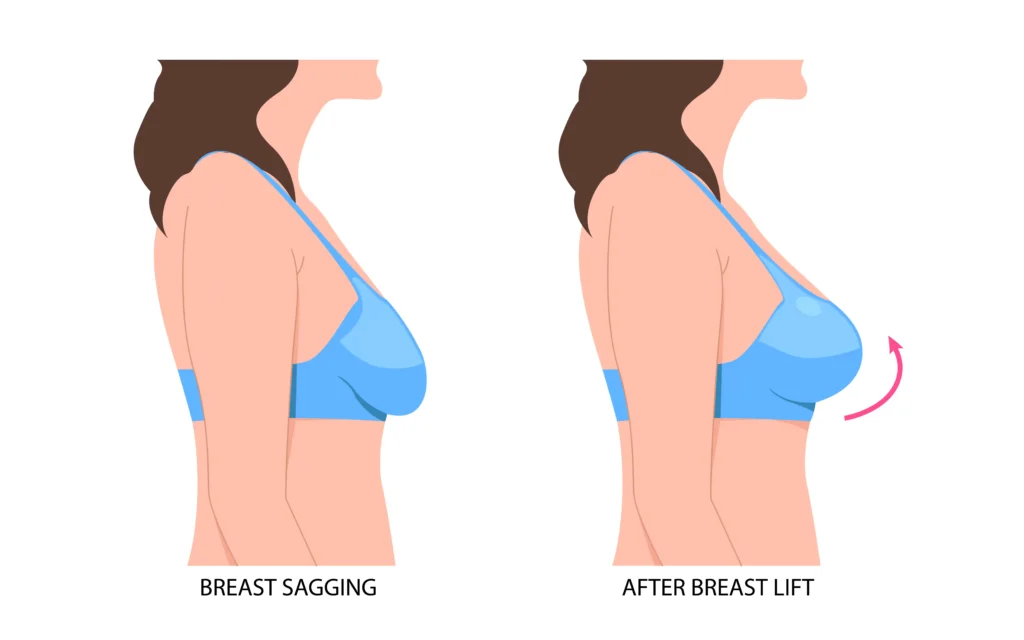
It is essential to understand a fundamental distinction: a breast lift is a procedure of restoration, not augmentation. Its primary goal is to work with and reshape existing tissue to improve its contour and position. While it can create the appearance of fuller, perkier breasts, it does not significantly increase their volume on its own. For individuals who desire both a lift and increased size, a mastopexy is often combined with breast augmentation using implants. Conversely, it can also be performed with a breast reduction to alleviate the discomfort of overly large, sagging breasts. This ability to customize the procedure is key to achieving a result that is both beautiful and harmonious with a person’s unique anatomy.
What a Breast Lift Truly Does
The transformative results of a breast lift address a range of aesthetic and physical concerns, allowing individuals to achieve their desired “after.” The specific goals accomplished by the procedure include:
- Elevates the Breast Position: The surgery lifts the entire breast mound to a higher position on the chest, correcting sagging (ptosis) and restoring a more youthful profile.
- Restores a Firmer, Rounder Shape: By tightening the skin envelope and reshaping the internal tissue, a mastopexy corrects breasts that have become flattened, elongated, or have lost fullness in the upper portion (the “upper pole”).
- Repositions Nipples and Areolae: A key indicator of ptosis is when the nipples fall below the inframammary fold (the crease under the breast) or point downward. A lift corrects this by moving the nipple-areola complex to a more central and forward-projecting position.
- Refines Areola Size: Over time, the areolae (the darker skin around the nipples) can become stretched. During a breast lift, their diameter can be reduced to be more in proportion with the newly shaped breasts.
- Improves Symmetry: It is common for breasts to be asymmetrical, with one hanging lower than the other. A mastopexy can correct this imbalance, creating a more harmonious and symmetrical appearance.
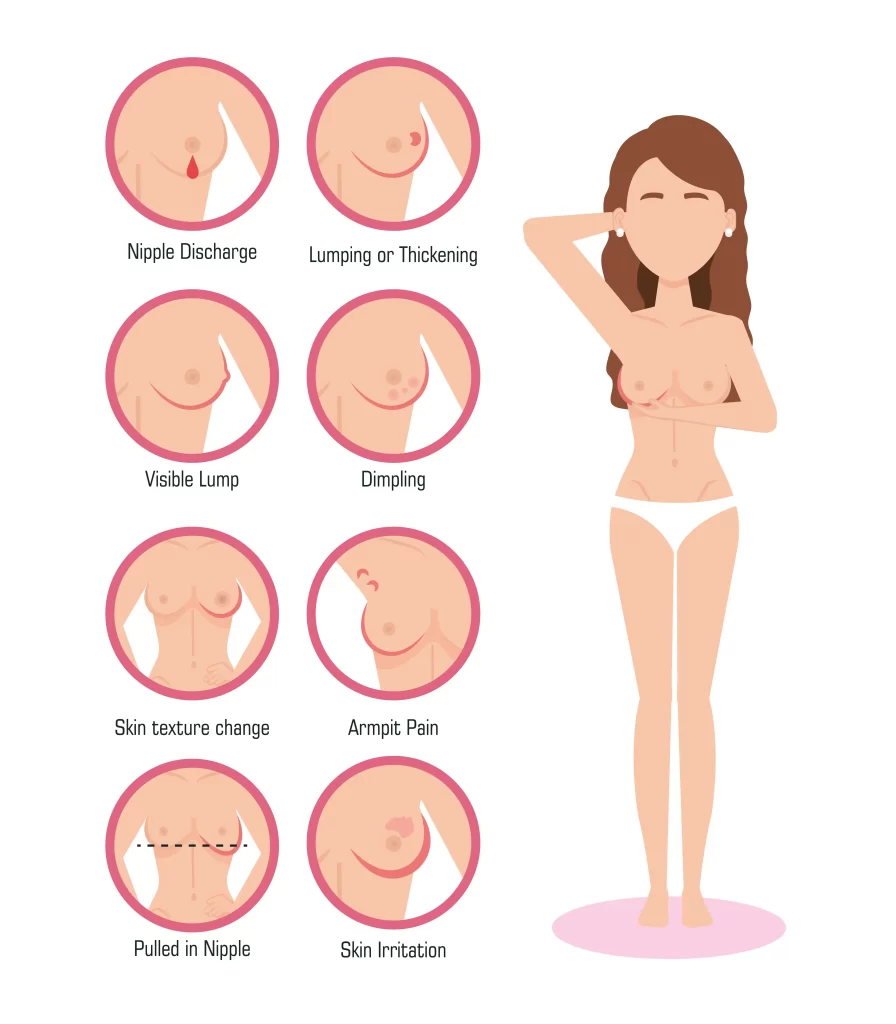
- Enhances Comfort: Beyond aesthetics, sagging breasts can cause physical discomfort. The constant friction and moisture in the fold beneath the breasts can lead to painful skin irritation, rashes, and even infections. By lifting the breast tissue, the procedure can alleviate these issues.
The success of a breast lift is ultimately measured not just in the physical changes, but in the profound psychological uplift it provides. The restoration of a youthful silhouette often translates into a significant boost in self-image and confidence, allowing individuals to feel more comfortable and assured in their appearance.
Is a Breast Lift Right for You?
Why Breasts Change Over Time
The changes that lead to breast sagging, or ptosis, are a natural and non-judgmental part of the human experience. The skin loses elasticity, and the internal ligaments that support the breast tissue stretch over time. Several key factors contribute to this process:
- Pregnancy and Breastfeeding: During pregnancy, hormonal changes cause the breasts to become fuller and heavier. This added weight can stretch the supportive Cooper’s ligaments, and this stretching may be permanent, leading to sagging after pregnancy, regardless of whether one breastfeeds.
- Significant Weight Fluctuations: Major changes in weight cause the breast skin to stretch and then retract. With each cycle, the skin can lose some of its elasticity, similar to a rubber band that has been stretched repeatedly, resulting in loose, excess skin.
- Aging and Gravity: Over decades, the constant downward pull of gravity takes its toll on the breast ligaments, causing them to gradually stretch and lengthen. Concurrently, age-related changes in skin reduce collagen and elastin, further diminishing firmness.
- Genetics: Heredity plays a significant role in skin elasticity, breast density, and the strength of supportive tissues. Some individuals are simply predisposed to experience sagging earlier or more significantly than others.
Click the link above to watch the highlight
The Ideal Candidate Checklist: Are You Ready for Transformation?
A successful breast lift outcome depends on a partnership between a skilled surgeon and a well-prepared patient. Candidacy is determined by a combination of physical health, lifestyle choices, and psychological readiness. An ideal candidate typically meets the following criteria:
- You are in good physical health: A candidate should be physically healthy with a stable weight. It is important to not have any uncontrolled medical conditions, such as diabetes, that could impair the body’s ability to heal properly after major surgery.
- You are a non-smoker: This is a non-negotiable requirement for most plastic surgeons. Smoking and nicotine use severely constrict blood vessels, decreasing blood flow to the skin. This can dramatically slow the healing process, increase the risk of infection, and lead to tissue death (necrosis) and more prominent scarring. It is mandatory to stop smoking for a significant period before and after surgery.
- You are bothered by the appearance of your breasts: The primary motivation should be a personal dissatisfaction with sagging, loss of shape, or a downward-pointing nipple position. A good candidate feels that their breasts have a flatter or elongated shape and that their nipples fall below the breast crease when unsupported.
- You have realistic expectations: A crucial element of readiness is understanding what the surgery can and cannot achieve. A breast lift offers significant improvement, but not perfection. It is also vital to accept that scars are a permanent, though typically fading, part of the procedure.
- You are doing this for yourself: The decision to undergo surgery should be deeply personal and self-motivated, aimed at fulfilling one’s own desires rather than meeting someone else’s expectations or conforming to an idealized image.
Strategic Timing: When to Consider Waiting
While a breast lift can be a life-enhancing procedure, timing is critical. In certain situations, it is advisable to postpone the surgery to ensure the longevity of the results:
- Future Pregnancies: A breast lift does not affect a person’s ability to have children in the future. However, the significant hormonal shifts, breast enlargement, and weight gain associated with pregnancy can re-stretch the skin and tissues, potentially compromising or even reversing the surgical results. For this reason, many surgeons recommend waiting until one has finished having children.
- Significant Weight Loss Goals: If a substantial weight loss is planned, it is best to achieve and maintain that goal weight for a stable period before undergoing a breast lift. Further weight loss after the surgery can lead to new skin laxity and sagging, undermining the outcome.
Visualizing Your Results: Choosing the Right Breast Lift Technique
Introduction: A Customized Approach for a Unique You
There is no single, “one-size-fits-all” approach to a breast lift. The procedure is highly customized, and the specific surgical technique chosen is a critical decision made by the surgeon in collaboration with the patient. This choice is based on a careful evaluation of several anatomical factors, ensuring the final result is tailored to the individual’s body and aesthetic goals.
The key determinants for selecting the appropriate technique include the degree of breast ptosis (sagging), the size and shape of the breasts, the quality and elasticity of the skin, the amount of excess skin to be removed, and the size and position of the areolae. The ability to accurately assess these variables and recommend the optimal surgical plan is a hallmark of an experienced and skilled plastic surgeon. This decision-making process involves a direct and transparent discussion about the trade-off between the level of correction desired and the extent of the resulting scars. A more significant lift will necessarily require a more extensive incision pattern to achieve a beautiful and lasting result.
The Surgical Blueprints: Understanding the Incision Patterns
The different breast lift techniques are primarily defined by their incision patterns, which in turn determine the location and length of the final scars.
The “Anchor” or “Inverted-T” Lift
- Description: This is the most traditional and comprehensive technique. It involves three distinct incisions: one around the border of the areola, a second running vertically from the bottom of the areola down to the breast crease, and a third extending horizontally along the natural curve of the breast crease.
- Ideal For: This method is reserved for individuals with significant or severe sagging. It allows for the maximum removal of excess skin and the most dramatic reshaping of the breast tissue. It is also the standard technique used when a breast lift is combined with a breast reduction.
The “Lollipop” or “Vertical” Lift
- Description: A highly versatile and commonly used technique, the lollipop lift involves two incisions: one circling the areola and a second extending vertically from the areola to the breast crease, resembling a lollipop shape.
- Ideal For: This approach is best suited for individuals with moderate sagging. It provides a powerful lift and excellent reshaping capabilities while avoiding the horizontal incision along the breast crease, resulting in a less extensive scar than the anchor technique.
The “Donut” or “Periareolar” Lift
- Description: This technique utilizes a single circular incision made around the entire circumference of the areola. A “donut” of skin is removed from around the areola, and the surrounding skin is brought in and sutured, which lifts the breast.
- Ideal For: The donut lift is effective for those with mild to moderate sagging. It is also an excellent choice for reducing the size of enlarged areolae and is frequently used when a breast lift is performed in conjunction with breast augmentation, as the same incision can be used to place the implant.
The “Crescent” Lift
- Description: The least invasive of the techniques, the crescent lift involves a small, half-moon-shaped incision made along the upper half of the areola’s border.
- Ideal For: This method provides only a very subtle lift and is primarily used to correct minor sagging or slightly reposition the nipple. It is almost exclusively performed in combination with a breast augmentation procedure, where it can provide a minimal lift to complement the volume added by the implant.
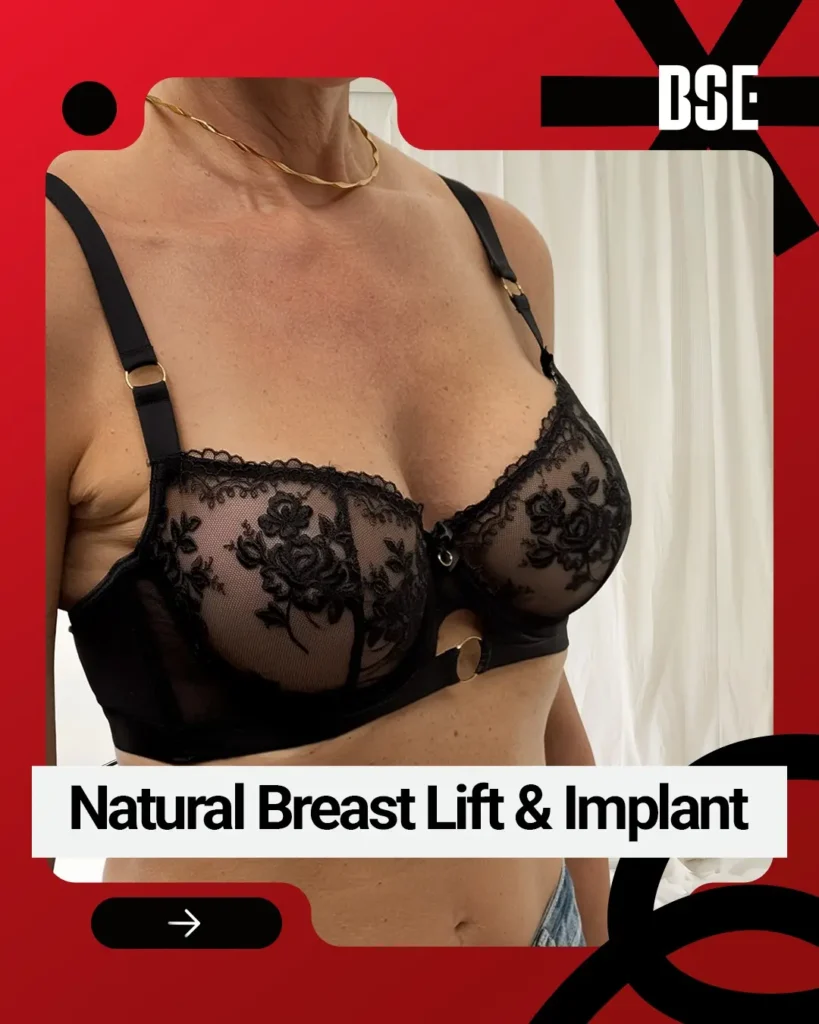
Breast Lift Before and After Gallery

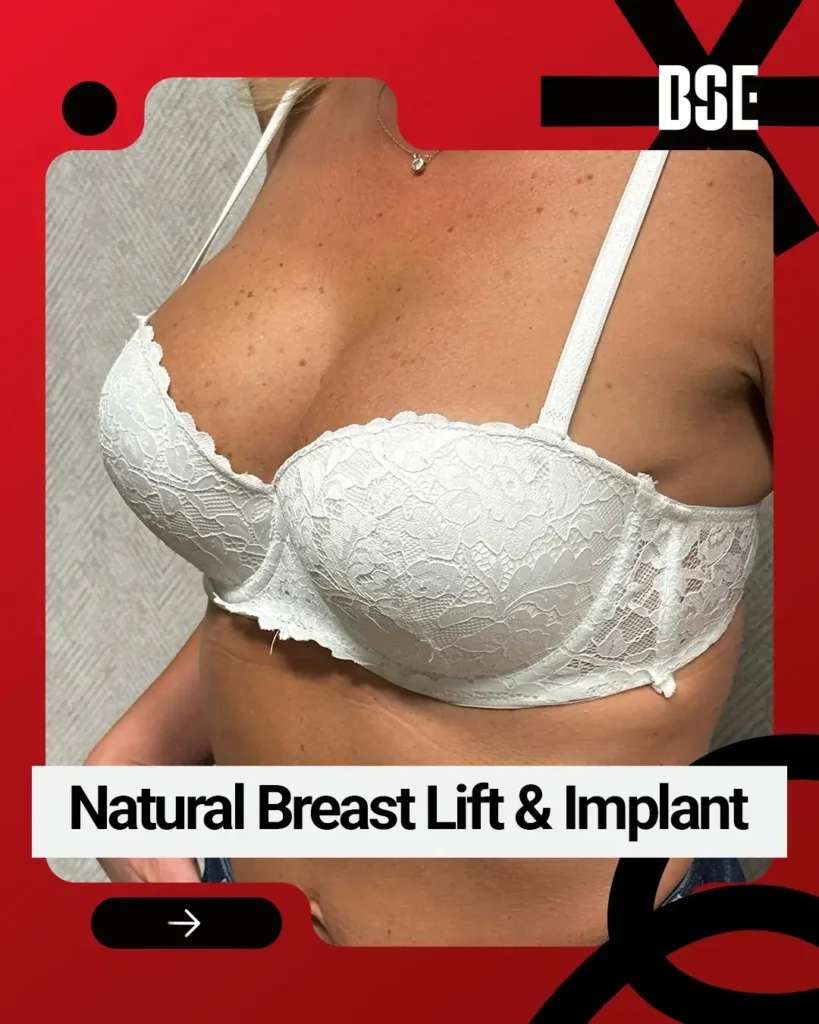
Your Journey, Step by Step: From Consultation to the Final Reveal
Part 1: The All-Important Consultation & Preparation
The journey to a renewed silhouette begins long before the day of surgery. The initial phases are dedicated to careful planning, preparation, and building a foundation of trust between the patient and the surgical team.
- The Consultation: This first meeting is a comprehensive, collaborative planning session. The surgeon will perform a thorough physical examination of the breasts, taking precise measurements of their size, shape, skin quality, and the position of the nipples and areolae. A detailed discussion of aesthetic goals is paramount. Patients should be prepared to provide a complete medical history, including any past surgeries, current medications, allergies, and any family history of breast cancer. Lifestyle habits, particularly smoking and alcohol use, will also be discussed openly, as they significantly impact surgical risks and recovery. This is the ideal time to ask questions, voice any concerns, and ensure a clear, shared vision for the outcome.
- Preparation Phase: Once the decision to proceed is made, the patient plays an active role in preparing for a safe and successful surgery. This critical phase typically involves several steps: obtaining a baseline mammogram to provide a clear picture of the breast tissue before surgery; stopping smoking and all nicotine products at least four to six weeks prior to the procedure; avoiding medications and supplements that can increase bleeding risk, such as aspirin, anti-inflammatory drugs, and certain herbal supplements; and arranging for a support system for the initial recovery period, including transportation and help at home.
Part 2: The Day of Your Transformation
The day of the breast lift is the culmination of careful preparation. The experience is designed to be as safe and comfortable as possible.
- Anesthesia: For patient comfort and safety, a breast lift is typically performed under general anesthesia or intravenous (IV) sedation, ensuring the individual is completely unaware and pain-free during the procedure.
- The Procedure: The surgeon begins by making the incisions according to the pre-determined surgical plan. Through these incisions, they will lift and reshape the internal breast tissue, securing it in a higher position with internal sutures. Excess skin is then removed, and the nipple and areola are repositioned. Finally, the remaining skin is carefully brought together, and the incisions are closed with sutures. The entire procedure generally takes between two and three hours to complete.
- Immediate Post-Op: Following the surgery, the patient is moved to a recovery area for monitoring. The breasts will be covered with gauze dressings and supported by a special surgical bra or elastic bandage. In some cases, small, thin tubes, known as drains, may be temporarily placed at the incision sites to help remove any excess blood or fluid, minimizing swelling.
Part 3: The Recovery Timeline: A Week-by-Week Guide
Recovery from a breast lift is a gradual process, and adherence to post-operative instructions is crucial for a smooth journey and optimal results. The patient is an active participant in their own healing.
- Week 1 (The Rest & Heal Phase): The first week is focused on rest. Swelling, bruising, and soreness are normal and are managed with prescribed pain medication. The surgical support bra must be worn continuously to minimize movement and support the healing tissues. Lifting the arms above the shoulders and carrying anything heavy are strictly prohibited. Short, gentle walks around the house are encouraged every few hours to promote blood circulation and prevent clots.
- Weeks 2-4 (Turning a Corner): During this period, discomfort should significantly decrease. Many individuals feel well enough to return to desk jobs and light daily activities. Swelling and bruising will continue to subside, and the new, lifted shape of the breasts will become more apparent. Light exercise, such as extended walks, can typically be resumed, but high-impact activities remain off-limits. The incision lines will appear pink or red, which is a normal part of the healing process.
- Weeks 5-6 (Returning to Normalcy): By this stage, most activity restrictions are lifted. Patients are often cleared to resume more vigorous exercise and their full workout routines. It may be possible to switch from the surgical bra to supportive sports bras or regular bras, though underwires should still be avoided for a while longer. The breasts will continue to settle, and the final shape becomes more defined as the last of the significant swelling resolves.
- 6 Months & Beyond (The Final Reveal): While most of the healing occurs in the first two months, the final results continue to refine over time. By six months, the breasts have typically settled into their final, lifted position. The scars, which are an unavoidable part of the surgery, will begin to soften, flatten, and fade, a maturation process that can continue for one to two years.
Part 4: The Truth About Scars – A Guide to Minimization
A transparent discussion about scarring is a hallmark of excellent patient care. It is vital to understand that scars are a permanent and expected outcome of a breast lift. However, their final appearance can be significantly influenced by surgical technique, genetics, and, most importantly, diligent post-operative care.
- The Maturation Timeline: Scars evolve over time. Initially, for the first one to three months, they will appear red, pink, and slightly raised. Between three and six months, they will begin to flatten and may darken slightly before starting the fading process. Over the course of one to two years, they will gradually lighten to pale, thin lines that are much less conspicuous.
- Your Role in Healing: The patient has significant control over the quality of their scars. Following these steps can lead to the best possible outcome:
- Follow Post-Op Instructions: The leading cause of poor scarring is tension on the incision lines. Strictly adhering to restrictions on heavy lifting and strenuous activity for the first six weeks is critical.
- Sun Protection: UV radiation can cause scars to darken permanently (hyperpigmentation). It is essential to protect healing incisions from the sun with clothing or a high-SPF sunscreen for at least a year after surgery.
- Silicone Treatments: Once the incisions have fully closed, silicone sheets or gels are considered a gold standard in scar management. They keep the scar hydrated, which helps to soften and flatten the scar tissue.
- Scar Massage: After receiving clearance from the surgeon (typically a few weeks post-op), gently massaging the scars for a few minutes each day can help to break down collagen buildup, increase flexibility, and reduce sensitivity.
- Advanced Options: For scars that remain thick or discolored, professional treatments such as fractionated laser therapy can be effective in improving their appearance.
Why Patients from the UK and USA Choose Turkey
A New Era of Global Healthcare
In today’s interconnected world, medical travel is no longer a compromise but a strategic decision made by discerning individuals seeking the highest quality of care at the best possible value. Turkey has firmly established itself as a global leader in this field, attracting thousands of patients from the UK, USA, and beyond who are looking for world-class aesthetic procedures.23
The Reality of Quality & Safety in Turkey
The primary concern for any international patient is safety. A common misconception is that lower cost must equate to lower standards, but the reality of Turkey’s top-tier medical sector systematically dismantles this belief.
- Government Regulation: The Turkish Ministry of Health imposes strict regulations on all healthcare facilities and intermediaries that serve international patients. To operate legally, these institutions must obtain an “International Health Tourism Authorization Certificate” and are subject to regular audits and inspections to ensure they meet rigorous standards for quality and patient safety.
- The Gold Standard of Accreditation: Many of Turkey’s premier hospitals hold JCI (Joint Commission International) accreditation. This is the same US-based organization that accredits top hospitals in the United States. Achieving JCI accreditation means a facility has voluntarily submitted to and passed an exhaustive evaluation of over 1,200 standards related to patient safety, infection control, surgical protocols, and staff qualifications. This is a patient’s single greatest assurance that they are receiving care that meets or exceeds global benchmarks.
- World-Class Surgeons: The excellence of Turkish healthcare is embodied by its surgeons. Many are internationally trained, often in the United States or Europe, and are active members of prestigious global societies like the International Society of Aesthetic Plastic Surgery (ISAPS). Due to the high volume of international patients, they possess vast hands-on experience, particularly in popular procedures like breast lifts.
The Unbeatable Value Proposition: A Comparative Cost Analysis
The financial advantage of choosing Turkey is undeniable. Procedures can be 50-70% less expensive than in the UK or USA. This significant cost difference is not due to a compromise on quality but is a result of the country’s lower operational costs and favorable economic factors. When comparing costs, it’s crucial to look at the total value, as Turkish packages often bundle services that would incur separate, often hidden, fees in the West.
| Feature | Typical UK/USA Experience | The All-Inclusive Turkish Advantage |
| Average Surgeon’s Fee | £6,500+ / $8,000+ | Included in Package |
| Anesthesia & Facility Fees | Separate (Often £2,000+ / $3,000+) | Included in Package |
| Post-Op Garments & Meds | Often an additional cost | Included in Package |
| Accommodation for Recovery | N/A (at home) or self-funded | 5-7 nights in a luxury hotel included |
| Private Transfers | N/A | VIP Airport-Hotel-Clinic transfers included |
| Personal Host/Translator | N/A | Included 24/7 |
| Estimated Total Outlay | £8,500 – £12,000+ / $11,000 – $15,000+ | Significantly Lower, All-Inclusive Price |
The All-Inclusive Experience: Redefining Medical Travel
Beyond the cost savings, the Turkish medical tourism model offers an unparalleled level of convenience and care, transforming a medical procedure into a seamless, stress-free experience. A typical all-inclusive package handles every logistical detail from the moment a patient arrives. These packages generally include:
- VIP transfers between the airport, a luxury hotel, and the hospital.
- Accommodation in a 4 or 5-star hotel for the duration of the recovery period.
- A dedicated personal host and translator who accompanies the patient to all appointments.
- All pre-operative medical tests and consultations.
- The full cost of the surgery, including surgeon and anesthesiologist fees.
- The hospital stay in a private room.
- All post-operative medications, dressings, and special compression garments.
- All follow-up appointments with the surgeon before returning home.
This “white glove” approach allows the patient to focus entirely on their rest and recovery, eliminating the logistical burdens and anxieties often associated with surgery.
Meet Your Surgeon: Assoc. Prof. Dr. Burak Sercan Ercin
The Embodiment of Turkish Excellence
The claims of world-class quality in Turkey are best exemplified by its leading surgeons. Assoc. Prof. Dr. Burak Sercan Ercin represents the pinnacle of this excellence, combining an elite international pedigree with a deep commitment to patient care.
- A World-Class Education and Pedigree: Dr. Ercin’s qualifications place him in the top tier of his profession. He is an Associate Professor of Plastic, Reconstructive, and Aesthetic Surgery and holds the prestigious qualification diploma from EBOPRAS, the European Board of Plastic Reconstructive and Aesthetic Surgery, a rigorous standard of excellence recognized across Europe. With over 15 years of experience, he has successfully performed more than 6,000 operations.
- International Collaboration: His expertise has been honed on the global stage. Dr. Ercin has worked alongside some of the world’s most renowned reconstructive microsurgeons, including the legendary Dr. Pedro Cavadas in Spain. He also spent time as an observer at the esteemed Moffitt Cancer Center in the USA, focusing on breast reconstruction. This international exposure ensures his techniques and standards are aligned with the best practices in the Western world.
- An Award-Winning Surgeon and Academic: Dr. Ercin’s contributions to the field have been recognized with numerous awards, including the Young Scholarship Award from the European Association of Plastic Surgeons. His role as a faculty member at Bahçeşehir University’s Department of Plastic, Reconstructive and Aesthetic Surgery underscores his position as a respected educator and leader, shaping the next generation of surgeons.
Dr. Ercin possesses a rare and powerful combination of skills. His foundation is in complex, life-saving reconstructive surgeries, including hand microsurgery, facial paralysis correction, deep burn repair, and breast cancer reconstruction. This profound understanding of human anatomy and function provides an incredible advantage in the aesthetic realm. A surgeon who can meticulously reconnect microscopic nerves and blood vessels to reattach a limb brings an unparalleled level of precision and technical mastery to a breast lift. This reconstruction skill, combined with a refined artistic eye, ensures that results are not only beautiful and natural but are achieved with the highest possible standard of safety and surgical excellence.
Advanced Technology for Your Peace of Mind
Dr. Ercin is committed to leveraging technology to enhance patient communication and satisfaction. He utilizes advanced tools like the 3D VECTRA imaging system, which allows patients to see a realistic simulation of their potential surgical results during the consultation. This “magic mirror” technology helps align expectations and empowers patients to make informed decisions with confidence.
Your “Before and After” Story Starts Here
Choosing to have a breast lift is a significant decision: one that promises to restore not just a physical contour, but a sense of wholeness and confidence. The evidence clearly shows that this transformative journey can be undertaken safely, affordably, and with exceptional results. The smart choice for discerning patients from the UK and USA is to embrace the opportunity offered in Turkey: a world-class surgical experience with a leading expert like Assoc. Prof. Dr. Burak Sercan Ercin, all conducted within a safe, accredited, and seamlessly organized all-inclusive package that delivers unparalleled value.
The first step in your own “before and after” story is just a conversation away.
Contact Dr. Ercin’s dedicated international patient team today to schedule a complimentary, no-obligation virtual consultation. See your potential results with advanced 3D imaging and discover how you can achieve the renewed confidence you deserve.
This content was written by Assoc. Prof. Dr. Burak Sercan Erçin in line with clinical experience and current medical literature. It is intended for general informational purposes only and does not constitute medical advice. A personal consultation with Dr. Erçin is recommended for individual assessment.
Faculty Member · Bahçeşehir University
Graduate of Ege University Faculty of Medicine, Assoc. Prof. Dr. Erçin completed advanced fellowships at Tampa General Hospital (USA) under Dr. Deniz Dayıcıoğlu in breast reconstruction and burn surgery, and at the clinic of Dr. Pedro Cavadas in Valencia, Spain in reconstructive microsurgery. After passing the EBOPRAS examination in 2018, he joined Bahçeşehir University as a faculty member and continues his private practice on Bağdat Avenue, Istanbul, specialising in face, breast and body aesthetics alongside complex reconstructive surgery.