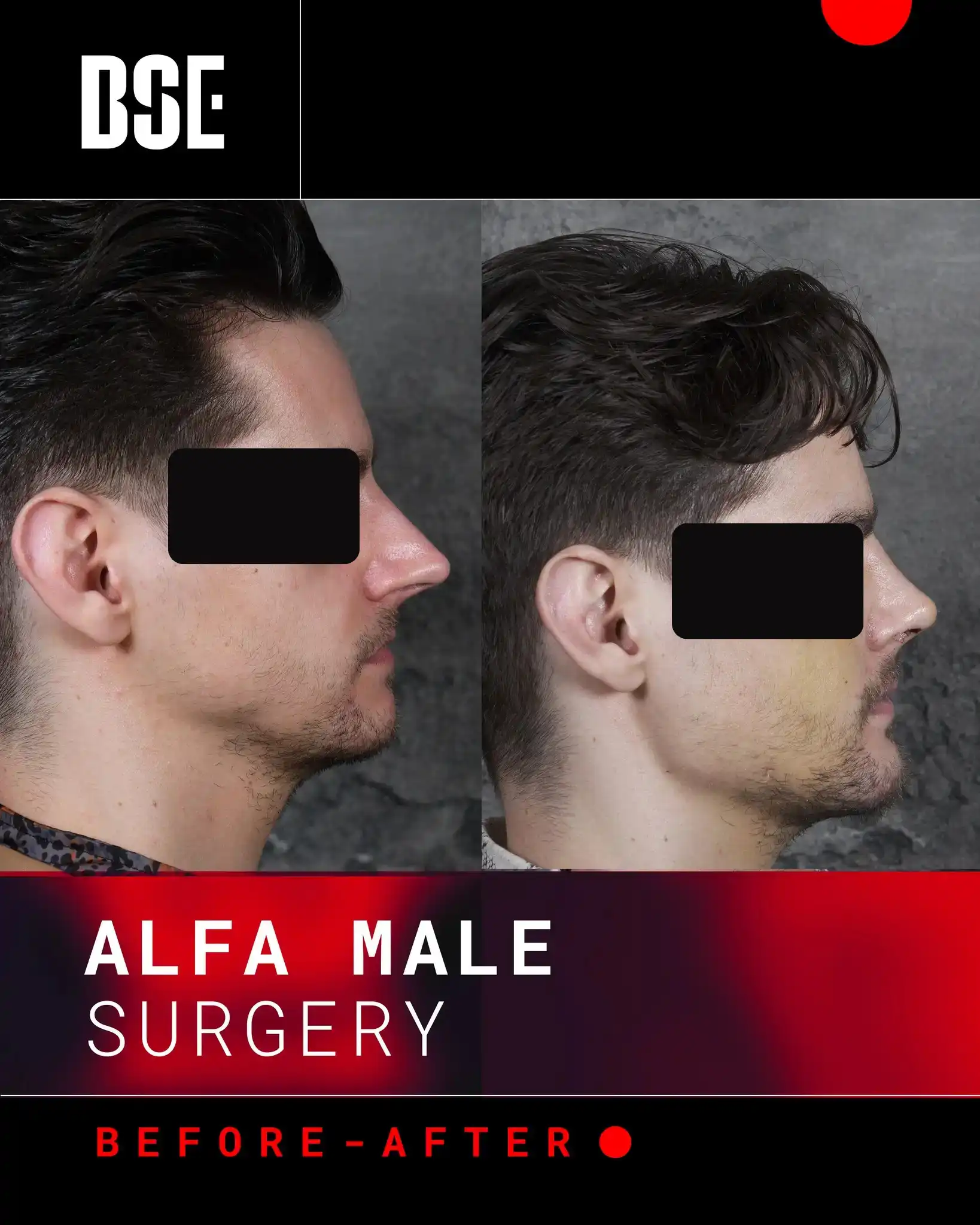

This article was written by Assoc. Prof. Dr. Burak Sercan Erçin and is based on clinical experience. A specialist in Plastic, Reconstructive and Aesthetic Surgery; prepared in accordance with current medical literature and personal surgical data. A consultation is recommended before making any medical decisions.

Facelift and neck lift procedures have become increasingly popular among patients seeking dramatic facial rejuvenation with long-lasting results. Turkey has emerged as a leading destination for these surgeries due to its combination of highly experienced surgeons, advanced medical facilities, and significantly lower costs compared to many Western countries. In this guide, we explore everything you need to know about facelift and neck lift surgery in Turkey, including different surgical techniques, costs, travel planning, and recovery expectations.
Why Choose Turkey for Your Facelift?
Affordability: Patients frequently report saving 50–70% on facelift procedures in Turkey. For example, a full traditional facelift can cost roughly $12,000 to $26,000 USD in Turkey, whereas similar surgery in the USA or UK often exceeds $20,000–$40,000. Even advanced techniques like deep plane facelifts remain much cheaper in Turkey than in North America or Europe.
High-Quality Care: Turkish clinics catering to international patients often feature modern facilities and accredited hospitals. Many Turkish plastic surgeons train in Europe or the U.S. and are members of global professional organizations (such as ISAPS or the Turkish Society of Aesthetic Plastic Surgery), ensuring that standards of care are on par with Western clinics.
Experienced Surgeons: Turkey has many high-volume facelift surgeons. For example, Assoc. Prof. Dr. Burak Sercan Erçin is an Istanbul-based plastic surgeon with over a decade of experience in facial plastic surgery and reconstructive cases, reflecting the level of expertise available. When a surgeon performs numerous facelifts each year, their technique becomes very refined, leading to consistently good outcomes and fewer complications.
Comprehensive Packages: Many Turkish clinics provide all-inclusive medical tourism packages. These often cover your pre-surgery tests, the operation itself, hospital stay, anesthesia, and post-op care. Extras like airport transfers, hotel lodging, and local transportation between the hotel and clinic are commonly bundled. Some packages even include services like a personal coordinator or interpreter who speaks your language, so you can focus on recovering rather than logistics.
Safety and Accreditation: Top Turkish clinics emphasize patient safety and often hold international accreditations (for example, Joint Commission International (JCI) or Turkish Ministry of Health certification). They follow global medical protocols, and many have well-staffed recovery rooms. To ensure safety, verify that your chosen surgeon is board-certified in plastic surgery and check that the facility is accredited. When you do your due diligence, having surgery in Turkey can be as safe as at home.
How Much Does a Facelift Cost in Turkey?
One of the most frequently asked questions is about cost. Turkey is known for its competitive pricing on cosmetic procedures. Exact figures depend on factors like the technique, surgeon’s experience, and location, but here are some approximate ranges (as of 2024-2025):
Full Facelift (Traditional/SMAS): Typically $13,000 – $16,000. A full facelift tightens the cheeks, jawline, and neck muscles (often including a neck lift), addressing sagging skin and jowls. More complex versions (such as deep plane lifts) may be at the top of this range. The price usually includes the surgeon’s fee, anesthesia, and facility costs; some packages also cover follow-up visits and compression garments.
Mini Facelift (Short-Scar): Often $12,000 – $14,000. A mini facelift targets the lower face with smaller incisions, providing a lift to mild sagging. It has a shorter recovery time and can be suitable for patients with less advanced aging signs. This is sometimes called a “short scar facelift” or “MACS lift.” In Turkey, mini facelifts are very affordable compared to U.S. prices.
Deep Plane Facelift: Roughly $15,000 – $18,000 or more, depending on the clinic. Deep plane facelifts are more advanced: the surgeon repositions deeper facial tissues for a very natural and long-lasting result. They require significant expertise and take longer to perform. Even so, this price is typically well below the cost of a similar procedure in the US or Europe.
Ponytail Facelift: Approximately $12,000 – $14,500. This technique uses a curved incision placed above the ear and in the hairline (shaped like pulling the hair into a ponytail) to lift facial tissues without visible scars around the ear. It effectively lifts the cheeks and neck and can produce results lasting 8–10 years with proper care. It’s a popular method in Turkey, especially for patients with significant skin laxity.
One-Stitch Facelift: Roughly $11,500 – $13,000. A newer, minimally invasive lift using one or two small sutures. It offers a very subtle lift for early signs of aging (usually about 1–2 years of effect) with almost no downtime. Recovery is quick (often a few days), but the result is much less dramatic than a full facelift. This appeals to patients in their 30s or early 40s who want a minor improvement.
Combined Facelift & Neck Lift: If you need both a facelift and neck lift, many Turkish surgeons offer package deals. A combined full face-and-neck lift might run $14,000 – $17,000. Combining procedures in one session is efficient and more economical than booking them separately. This addresses the jawline and neck comprehensively, giving a balanced rejuvenation.
These cost ranges usually reflect international-patient pricing. Even with adding airfare and accommodations, most patients spend significantly less than they would on the same procedures at home. For context, a similar full facelift in the United States can easily cost $21,000–$25,000 (often not including anesthesia or facility fees). The gap is what drives many Westerners to consider surgery in Turkey.
Comparing Costs: Turkey vs. Other Countries
It’s helpful to see how Turkey stacks up against other medical tourism destinations:
Turkey: As noted, a full facelift is about $13k–$16k, and mini facelifts $12k–$14k. Many clinics in Istanbul, Ankara, Izmir, and Antalya specialize in international patients. You also get the benefit of English-speaking staff and turnkey packages.
Mexico: Also very popular for North Americans. A full facelift in Mexico might be around $15k–$18k. Quality can be excellent in top clinics, but prices are generally similar or slightly higher than Turkey. One advantage is shorter flights from the US. However, Turkey’s surgeons often have extensive training in facial aesthetics, making it a strong choice as well.
South Korea: World-renowned for cosmetic surgery, especially facial procedures and skin care. South Korea’s prices are higher; a facelift might range $17k–$25k or more. Korean surgeons are often highly skilled and innovative (known for techniques like thread lifts and minimally invasive facelifts), but Western patients should consider the language difference and cultural preferences. Turkey offers a lower price point with similarly advanced surgical techniques.
USA/Canada/UK: Domestic facelift costs typically run $15,000–$25,000+. Even after accounting for travel and hotel, many patients find Turkey more economical. For example, a patient might pay $5k for surgery in Turkey plus $2k for flights/hotel and still save thousands compared to having it done in the States.
Other Destinations: Countries like Thailand, India, or Eastern Europe (Czech Republic, Poland) also market cosmetic surgery. These can be affordable (often in the $3k–$7k range) but Turkey’s combination of specialized facial surgeons and large medical tourism infrastructure sets it apart. Many international patients have found success with Turkey’s clinics due to high standards and transparent pricing.
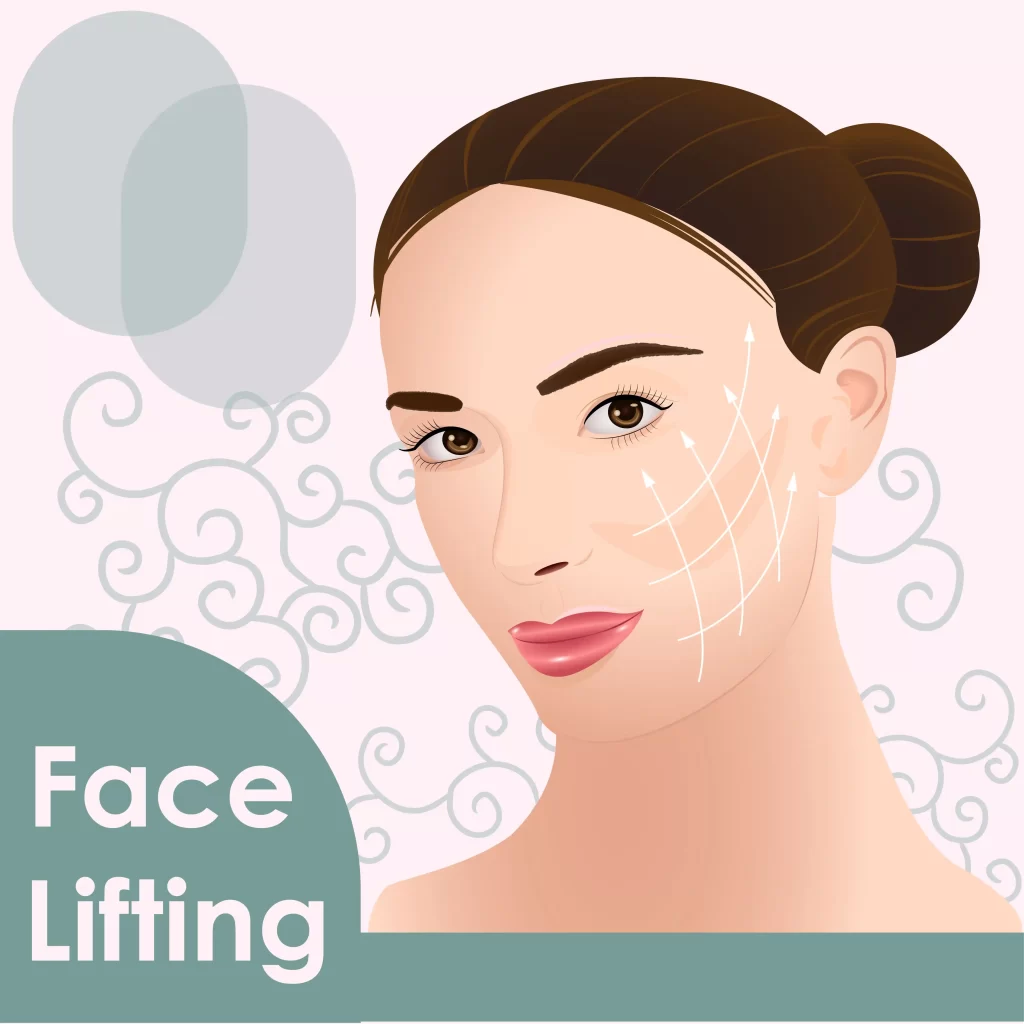
Planning Your Facelift Trip to Turkey
Traveling abroad for surgery requires careful planning. Here are key points to prepare:
Choose an Experienced Surgeon: Research credentials thoroughly. Verify that your surgeon is board-certified in plastic surgery and specializes in facial procedures. For example, Dr. Burak Sercan Erçin is a board-certified plastic and reconstructive surgeon in Istanbul with extensive experience. Don’t hesitate to ask about the surgeon’s training and how many facelifts they have performed. Review before-and-after photos of their patients and read testimonials if available. A good surgeon will be open to discussing their technique and showing results.
Visa Requirements: Citizens of many countries can obtain an e-Visa for Turkey online before traveling. The process is straightforward on the official Turkish e-Visa website. Nationals of the US, EU, UK, Canada, and Australia either get an e-Visa or don’t need a visa for short stays. The e-Visa usually allows up to 90 days in Turkey, which is more than enough for a medical trip. Always check current visa rules for your nationality well ahead of time.
Length of Stay: Plan to stay 10–14 days in Turkey. A typical timeline might be: Arrive and have your initial consultation on Day 1, surgery on Day 2, and then about a week for recovery and follow-up before flying home. Surgeons often remove stitches around 7 days post-op. By then, you should be stable enough to travel. Many patients also add a couple extra days for rest or light tourism after their medical care (for example, a calm day at a hotel spa or short sightseeing trip). Make sure you do not schedule a return flight the day after your consultation or too soon after surgery—leave at least a week or more after surgery to heal properly.
Travel Companion: Having a friend or family member accompany you can make recovery more comfortable. They can assist with simple tasks (holding ice packs, translating, carrying luggage) and provide moral support. However, if you do travel alone, most high-quality clinics provide patient coordinators and translators. Ensure they will pick you up from the airport and accompany you to the hotel and clinic. If alone, at minimum have someone meet you upon return home to help the first day or two, just in case.
Accommodation: Choose a comfortable, quiet place for your stay. Many clinics book a nearby hotel for you as part of a package. These hotels often have special rates for patients and are accustomed to medical tourists’ needs. Confirm whether your package includes hotel (and how many nights) or if you need to arrange it. Staying close to the clinic/hospital is helpful for follow-ups. The rooms should be large enough for easy movement (for example, to use a wheelchair or walker if needed initially).
Transfers and Transport: Reputable clinics will arrange airport pickup and transport between your hotel and the clinic. If this is included, great. If not, use trusted taxi services or a pre-arranged private car. It’s not advisable to navigate public transportation right after surgery. Make sure the driver knows exactly where to take you (the clinic’s name and address).
Health Precautions: Before traveling, ensure you’re in stable health. You may need a recent physical exam or blood tests from your local doctor. Ask your surgeon if there are specific tests required (like EKG or blood work). Avoid flying if you have any infection or fever. Once in Turkey, follow all pre-op instructions (for instance, fasting before surgery). Clinics will provide detailed post-op care instructions. Consider purchasing travel insurance that covers medical procedures or at least medical evacuation, just in case. Some companies specialize in “medical tourism insurance” which can add a safety net for unexpected complications.
Food and Water: Stick to bottled water and simple meals for the first day or two to reduce any chance of stomach upset. Turkish cuisine is delicious, but spicy or very rich foods right after surgery might not agree with you. Most international patients feel fine, but it’s an easy precaution to take.
Language: English is widely spoken in major Turkish cities and especially in international clinics. Still, learning a few basic Turkish phrases (“hello”, “thank you”) can be courteous. Ensure your clinic provides an interpreter if you aren’t fluent in Turkish; this is usually arranged automatically.
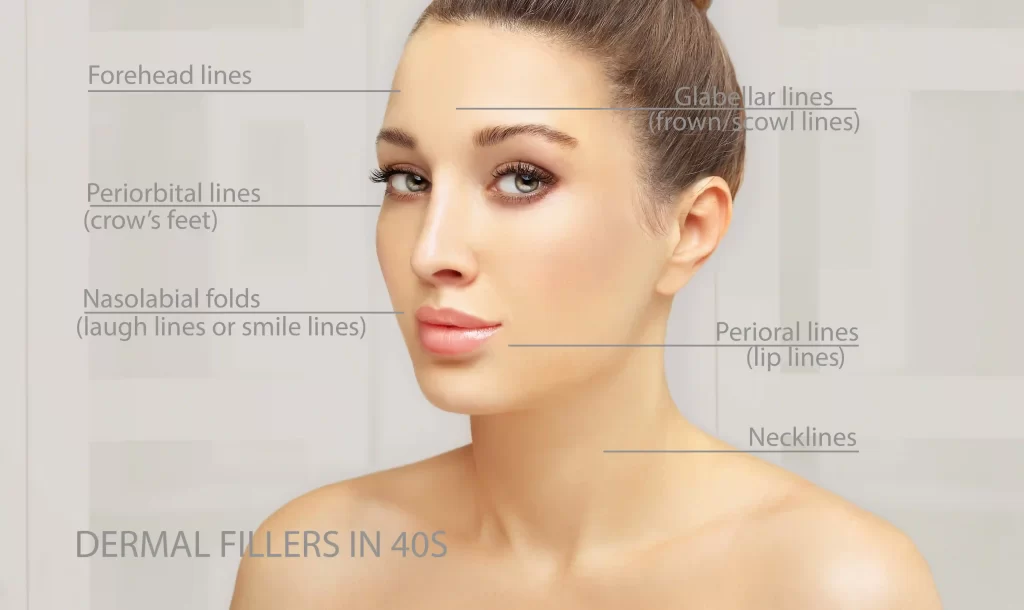
Facelift Techniques Offered
Surgeons in Turkey offer a full range of facelift methods. The best approach depends on your age, facial anatomy, and aesthetic goals. Common techniques include:
- Traditional (Full) Facelift: Incisions are made around the ears (and sometimes under the chin) to lift and tighten the facial and neck skin. The underlying muscle layer (SMAS) is also repositioned. This addresses sagging in the cheeks, jowls, and neck, producing a marked rejuvenation. A full facelift may include a separate neck lift component to tighten the neck bands and remove excess neck skin. Recovery for a full facelift usually takes 2–4 weeks for most swelling to resolve.
- Mini Facelift (Short-Scar Facelift): Uses smaller incisions, often without extending behind the ears or under the chin. It mainly targets the cheeks and lower face. Because it involves less dissection, recovery is quicker (often about 1–2 weeks before returning to light activities). It’s ideal for younger patients or those with mild to moderate sagging who want improvement without the downtime of a full facelift.
- Deep Plane Facelift: A variation of the full facelift where the surgeon releases a deeper tissue plane under the SMAS and repositions it. This can produce very natural-looking results, as it lifts the midface and jowls more effectively without excessive tension on the skin. Deep plane facelifts are excellent for correcting heavy jowls and midface sagging, but they require more surgical skill and a longer operation time. Turkey has many surgeons trained in deep plane techniques, and their pricing still reflects savings over Western deep plane facelifts.
- Ponytail Facelift (Hairline Lift): In this method, the surgeon makes a swooping incision through the hairline above the ear (resembling a ponytail). By lifting the face in an upward (vertical) direction, it achieves rejuvenation with scars hidden in the hair. This technique often includes tightening neck muscles as well. It’s particularly useful for patients with significant neck skin laxity. Results are generally long-lasting (often 8–10 years). Because the scar is in the hair, it can be a very appealing option.
- One-Stitch (One-Suture) Facelift: A very minimally invasive facelift. The surgeon places one or two small sutures (for example, at the temple) to elevate certain areas of the face, typically the cheek or midface. There are virtually no large incisions. This provides a very subtle lift with minimal downtime (some clinics advertise “back to work in a week”). The trade-off is that the results are mild and last only a couple of years at most. It’s often marketed as an option for patients in their 30s or early 40s who have slight sagging but want the quickest recovery.
- Non-Surgical “Facelifts”: Many clinics also offer non-surgical alternatives. These include thread lifts (biodegradable threads placed under the skin to provide a light lift), ultrasound or radiofrequency treatments (like Ultherapy or AccuLift), and injectable techniques (sometimes called “liquid facelifts” using fillers and toxins). These can tighten or plump areas without surgery, and cost much less (often a few hundred dollars per session). However, results are temporary (6 months to 2 years) and less dramatic than surgical facelifts. Non-surgical options might be used by those who aren’t ready for surgery or as a supplement between surgeries.
Each technique has its pros and cons. During your consultation, the surgeon will recommend what suits your facial anatomy best. For instance, a patient with heavy jowls and neck bands might need a full or deep plane facelift, while someone with mild lower-face laxity might opt for a mini facelift.
Before and After: Recovery and Results
It’s natural to wonder about recovery and the final outcome. Here’s what you can expect:
Immediate Recovery (Days 1–7): Right after surgery, you’ll have dressings and perhaps drainage tubes in place. You can expect significant swelling, tightness, and some bruising around the cheeks and under the eyes. There will be discomfort, but it is usually well-managed with prescribed pain medication. Most patients stay 1–2 nights in the clinic/hospital for observation. Keeping your head elevated and using ice packs can help reduce swelling. You should avoid bending over, heavy lifting, and any strenuous activity. You will have a follow-up with your surgeon within the first week.
First 2 Weeks: By the end of week 1, many bandages are removed and stitches may be out (depending on the technique). You will still have swelling, but it begins to decrease. Bruising around the eyes and cheeks will fade. Around day 7, you might start seeing the initial contour of your new profile under the remaining swelling. Many surgeons allow patients to travel home around this time (with stitches removed and swelling controlled). If you do fly home in the first 10 days, ask your surgeon about precautions: usually a direct flight and staying well-hydrated are recommended. Even if you feel able, avoid heavy exercise, heavy lifting, or rubbing your face for at least 2 weeks.
3–4 Weeks: Swelling and bruising are largely resolved by this time. Most patients feel comfortable resuming normal daily activities by weeks 3–4. The jawline, cheeks, and neck should now appear much more defined. The skin may still feel a bit tight or numb, which is normal. Scars will still be visible as pink lines but will continue fading.
2–3 Months: The face continues to heal and settle. By 2 months, more than 80% of the swelling should be gone. You’ll notice final refinements in the contour. Scars soften into thin lines. Many patients report feeling fully comfortable in social settings again by this point, often saying they look “naturally refreshed.”
Long-Term (6–12+ Months): By about 6–12 months, you should see the full result. Any residual swelling is gone and scars have mostly faded. Most patients feel they look at least 10–15 years younger than before surgery. For example, if you had your facelift at age 50, by age 60 you might still look like a healthy 50-year-old, whereas without surgery you might have aged visibly. Keep in mind that aging continues – a facelift doesn’t freeze time. However, it does set you back on the aging clock. Many patients get a second, smaller lift about a decade later when natural aging becomes noticeable again.
Common Visible Improvements
After a facelift, typical changes include:
- Lifted Cheeks: The midface is smoother, reducing deep nasolabial folds (the lines from nose to mouth) and filling out the cheeks.
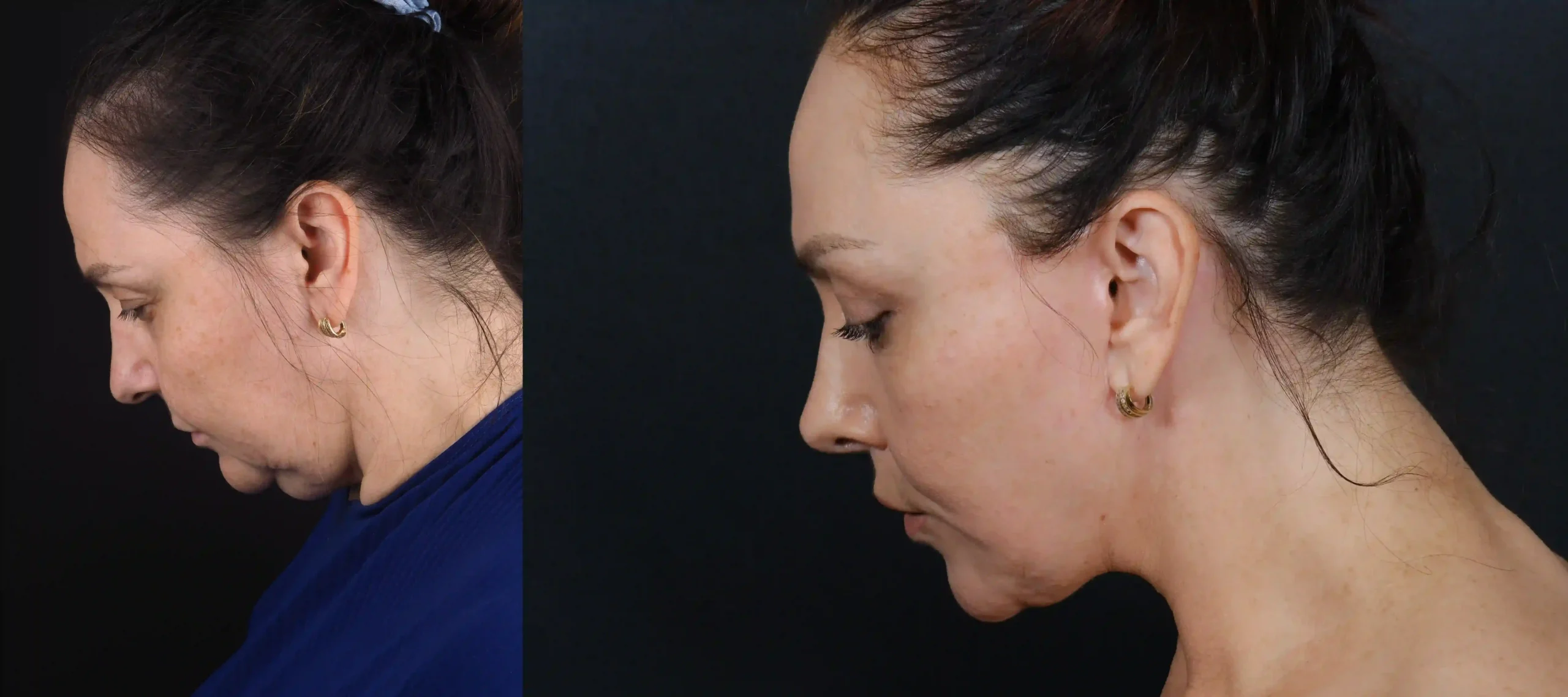
- Sharper Jawline: Jowls along the jawline are reduced or eliminated, creating a cleaner, more defined jaw contour.
- Tightened Neck: Excess skin under the chin is removed, and neck muscle bands (the “turkey neck”) are smoothed, resulting in a firmer neck profile.
- Overall Smoother Skin: Fine wrinkles in the lower face are softened. While a facelift won’t erase every line, the skin looks less creased and more youthful.
- Natural Appearance: Importantly, a well-done facelift should look natural. Others should notice you look rested or rejuvenated, not that you look “done.” The goal is to look like a younger version of yourself, not someone else.
Reviewing before-and-after photos of actual patients can help set realistic expectations. Generally, people say friends comment that they look well-rested or “have a glow,” rather than pinpointing a surgery. A good outcome means years have been wiped off your appearance while maintaining your individual facial features.
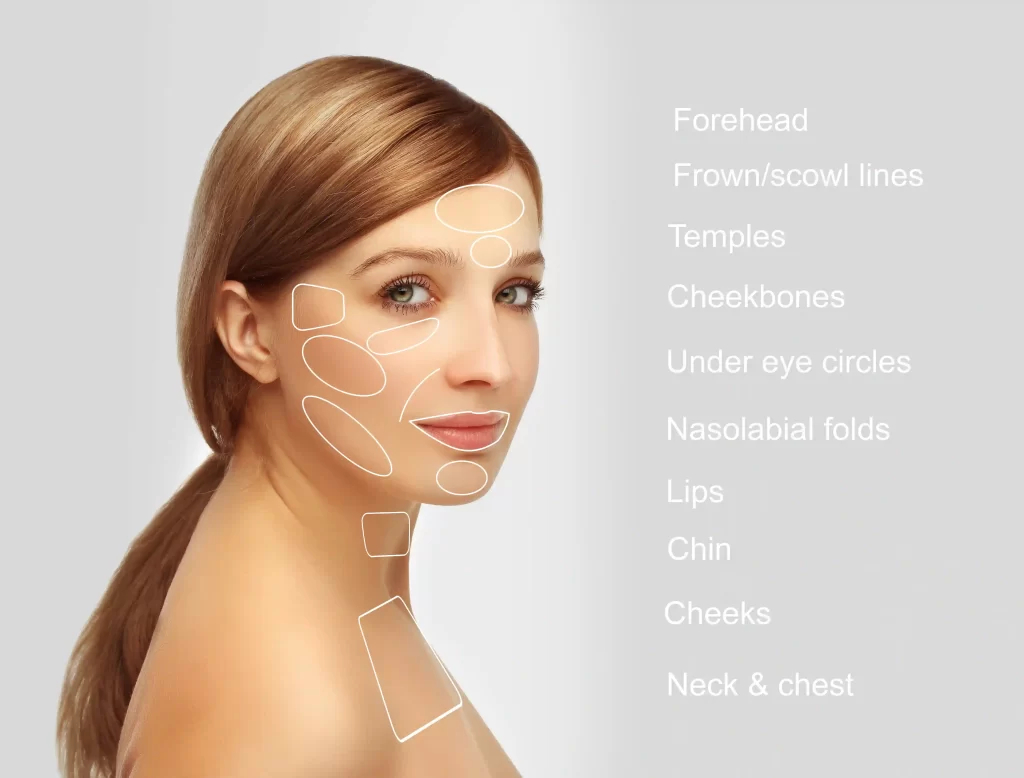
Age and Candidacy
Facelifts are traditionally performed on patients in their mid-40s to late 60s, but the decision depends on your individual anatomy:
Best Age: There’s no strict age cutoff. Many surgeons suggest the late 40s or 50s as a common time, since skin laxity and volume loss become more pronounced. Younger patients (late 30s or early 40s) might benefit from a mini facelift or non-surgical options if only mild sagging is present. Older patients in their 70s can still be good candidates if they are in good health. The key factors are skin elasticity, bone structure, and overall health, rather than age alone.
Good Candidate: Ideal candidates have visible sagging of the midface, jawline, or neck, but still retain decent skin elasticity. They are non-smokers or willing to quit, have realistic expectations, and are emotionally prepared for surgery and recovery. Good overall health (controlled blood pressure, no bleeding disorders, etc.) is important. Being at or near a stable weight helps too, since significant weight fluctuations after surgery can affect results.
Not Ideal: If you have severe health problems (like uncontrolled heart disease or diabetes), you may face higher surgical risks. Very thin, crepey skin with little subcutaneous support may not respond as well to lifting. Smokers (or recent ex-smokers) and diabetics have slower healing and higher complication rates; surgeons typically require quitting smoking weeks before and after surgery. Also, if your concerns are only related to the eyes or forehead, other procedures (blepharoplasty, brow lift, Botox) might be more appropriate than a facelift.
Expectations: Surgery will improve your appearance but not make you look 20 years younger overnight. It should give a refreshed, rested look. Patients who are happiest after a facelift are those who understand this and have the surgery for themselves (not due to pressure from others). If you feel physically ready and mentally excited about an improved appearance, that’s a good sign.
Neck Lifts and Jawline
Age can show first in the neck. Often, a facelift is paired with a neck lift, but sometimes a neck lift is done alone. Here’s what to consider:
What a Neck Lift Involves: A neck lift (cervicoplasty or platysmaplasty) tightens loose skin and muscles of the neck. Incisions are typically made behind the ears and sometimes under the chin. The surgeon will often tighten the platysma muscle and trim excess skin. Liposuction under the chin may be added to remove stubborn fat.
Facelift vs. Neck Lift: Many full facelifts automatically include tightening the neck muscles, but a dedicated neck lift goes further. If you have prominent vertical bands in your neck or a “double chin,” discuss a separate neck lift with your surgeon. Some surgeons offer combined face-and-neck packages, which can be more cost-effective.
Cost: A standalone neck lift in Turkey is usually $2,000–$4,000. If you combine it with a facelift, you might pay around $5,000–$7,000 total for both. Liposuction under the chin is often included if needed.
Longevity: A neck lift typically lasts 10–15 years as well. With age and gravity, some sagging will return over time, but patients who maintain weight and skin care can enjoy long-term results.
Downsides/Risks: Scarring behind the ears or under the chin is inevitable, though surgeons place incisions in less visible spots. You may experience numbness or a tight sensation in the neck that gradually fades. Rarely, asymmetric results or infection can occur, as with any surgery. Your surgeon might recommend wearing a chin strap at night for a week or two to reduce swelling.
Best Age for Neck Lift: Similar to facelifts, often 40s–60s. However, some younger patients get a neck lift if genetics give them a prematurely sagging neck. The key is skin quality and how bothered you are by it.
Who’s Not a Good Candidate: The same rules as facelifts apply: serious health issues or very poor skin elasticity might make you a poor candidate. If the neck issues are minor (just a little excess fat), non-surgical options like Kybella injections or CoolSculpting might be suggested first.
Does a Neck Lift Fix Jowls? Not really. Jowls (sagging skin along the jaw) are mostly a mid-face issue. A neck lift will sharpen the jawline a bit by reducing neck sag, but pronounced jowling usually requires a facelift.
Non-Surgical Neck Lifts: Some alternative treatments include Kybella (injections that dissolve fat under the chin), ultrasound (Ultherapy), or radiofrequency skin tightening. These can improve a mild “double chin” but won’t remove hanging skin or neck bands the way surgery does. Multiple sessions are often needed.
Are Neck Lifts Worth It? If loose neck skin or muscle bands bother you, many patients say it’s a worthwhile investment. A tight, smooth neck enhances your profile and can make you feel much more confident in open-neck clothing or selfies. Satisfaction rates are generally high for neck lifts when performed for the right reasons.
Post-Op Chin Strap: After a neck lift, some surgeons provide a chin strap or neck garment to wear for a week or so. It gently supports the tissues and can minimize swelling. It’s not absolutely necessary, but many patients find it comforting and report it does help with swelling control.
Common Questions
How much should I stay in Turkey for a facelift?
Plan on about 10–14 days. A typical schedule is: Day 1 arrive and consult, Day 2 surgery, then about 5–7 days in the hospital or hotel under care, and a follow-up appointment around day 7. After that, if all is well, patients often fly home around days 8–10. It’s safer not to rush back – make sure any stitches are out and bleeding risk is gone before traveling. If you can add a couple extra days in case of minor delays, that’s even better.
Is it safe to have surgery in Turkey?
Yes, as long as you choose a reputable clinic. Major private hospitals in Istanbul, Ankara, Izmir, and other cities follow international safety standards and use modern equipment. Many have JCI accreditation. Always verify your surgeon’s qualifications and read patient reviews. Clinics that cater to foreigners usually have an English-speaking coordinator and thorough patient protocols. In general, thousands of foreigners undergo facelift surgery in Turkey each year with very positive outcomes. Safety is comparable to having surgery at home.
Can I travel alone?
Yes, but it’s usually more comfortable with a companion. If you come solo, confirm that the clinic provides airport pickup and someone to check on you daily. You’ll need help at least the day of surgery (and ride home after). Clinics often have English-speaking translators or coordinators, so you won’t be completely on your own. If possible, bring a partner or friend; it makes the experience more relaxing. If not, pick a clinic known for excellent patient support.
Why do people go to Turkey for plastic surgery?
The main reasons are cost savings and quality. Turkish surgeons often have Western training and use advanced techniques, yet their prices are lower. Combined with a developed medical tourism infrastructure (VIP transfers, hotel packages, multilingual staff), Turkey becomes an attractive one-stop solution. Many patients from the US, Europe, and the Middle East have had success stories in Turkey. Plus, the country’s geographic location and competitive airfare make travel relatively easy.
How painful is a facelift?
You should feel no pain during the procedure because you’re under anesthesia. Afterward, most patients report feeling tightness, pulling, and moderate discomfort – often likened to a very bad headache or muscle soreness in the face and neck. You will receive pain medication to keep you comfortable. Generally, the sensation is one of pressure rather than sharp pain. By one week, most pain has subsided significantly, and any lingering discomfort is mild.
What is the best age to get a facelift?
It depends on when you start experiencing sagging. Surgeons typically see most candidates in their late 40s to 60s. However, some patients in their 30s or early 40s might get a mini-facelift if genetics caused early jowling. Very elderly patients (70+) can also have facelifts if healthy, but their skin tends to heal a bit slower. Ultimately, the “right” age is when you are physically healthy and have noticeable aging changes you want corrected.
Which country is best for a facelift?
There’s no one-size-fits-all answer. However, Turkey is frequently ranked among the best destinations currently, because it combines high skill with affordability. South Korea is another top choice (especially for certain facial procedures), but it tends to be more expensive and culturally oriented to Asian features. Mexico and Eastern Europe (like Poland or the Czech Republic) are also options, but many patients find Turkey’s surgeon options and travel amenities to be superior overall.
Do I need a visa?
Many nationalities (including US, UK, Canada, EU, Australia) can get an e-Visa online for Turkey easily, or don’t need a visa at all for short medical trips. The e-Visa process is quick and usually allows a 90-day stay. It costs around $50 and takes only a few minutes to apply for on the official site. Make sure to arrange this a few weeks before your trip so your paperwork is in order.
Mommy makeover cost: A “mommy makeover” (often combining breast lift/augmentation and tummy tuck) is a popular package. In Turkey, a mommy makeover typically ranges $5,000–$12,000 depending on procedures involved. This is a huge savings compared to the $15,000–$30,000 in the U.S. or Europe. Many women choose to combine a facelift or neck lift with other procedures in one trip (making it a total body rejuvenation), and clinics often offer bundled discounts for multiple surgeries.
Conclusion
Facelifts and neck lifts in Turkey offer patients the opportunity to achieve dramatic facial rejuvenation at a much lower cost than at home, without compromising quality. Modern surgical techniques (SMAS lifts, deep plane facelifts, ponytail lifts, etc.) can produce very natural, long-lasting results. The key advantages of Turkey are world-class surgeons like Assoc. Prof. Dr. Burak Sercan Erçin, state-of-the-art clinics, and all-inclusive packages for international patients.
Preparation is crucial: thoroughly research and choose a qualified surgeon, understand the procedure and recovery, and make detailed travel plans. Arrange your hotel, transfers, and aftercare ahead of time. During recovery, follow your surgeon’s instructions carefully (keep your head elevated, avoid heavy activity, sleep on your back, etc.). With proper preparation, a facelift in Turkey can be a safe, positive experience.
In the end, the goal is a refreshed, youthful look. Patients often say that the results are worth the effort – friends and family notice they look well-rested and years younger. Whether you ask “How much does a facelift cost in Turkey?” or “Is it safe to have surgery in Turkey?”, the answers are consistently positive for reputable clinics. If you are considering turning back the clock on your face and neck, Turkey is definitely worth a look. With experienced doctors, high medical standards, and significant savings, you can achieve the rejuvenated appearance you want and boost your confidence for years to come.
This content was written by Assoc. Prof. Dr. Burak Sercan Erçin in line with clinical experience and current medical literature. It is intended for general informational purposes only and does not constitute medical advice. A personal consultation with Dr. Erçin is recommended for individual assessment.
Faculty Member · Bahçeşehir University
Graduate of Ege University Faculty of Medicine, Assoc. Prof. Dr. Erçin completed advanced fellowships at Tampa General Hospital (USA) under Dr. Deniz Dayıcıoğlu in breast reconstruction and burn surgery, and at the clinic of Dr. Pedro Cavadas in Valencia, Spain in reconstructive microsurgery. After passing the EBOPRAS examination in 2018, he joined Bahçeşehir University as a faculty member and continues his private practice on Bağdat Avenue, Istanbul, specialising in face, breast and body aesthetics alongside complex reconstructive surgery.