
This article was written by Assoc. Prof. Dr. Burak Sercan Erçin and is based on clinical experience. A specialist in Plastic, Reconstructive and Aesthetic Surgery; prepared in accordance with current medical literature and personal surgical data. A consultation is recommended before making any medical decisions.
The world of aesthetic medicine has seen a major change by 2026. Gone are the days of the tight, “windblown” look from the 90s or the overstuffed faces from the early 2020s. Today, the focus is on two key ideas: preservation and structural restoration. When you search for a facelift before and after in Turkey, you’re not just comparing prices. You are seeking a surgeon who deeply understands the complex structure of the human face. In a crowded market, the real difference is the surgeon’s skill, especially if they have a background in the demanding field of reconstructive microsurgery.
The Architecture of Youth: Redefining Facelift Before and After in Turkey (2026 Edition)
Many patients share a similar story during their first consultation. They call it the “mirror moment.” It’s that brief second in the morning when you see your reflection and feel a disconnect. The face looking back doesn’t seem to match the vibrant, youthful energy you feel on the inside. Over time, gravity, sun damage, and the natural decrease in collagen lead to jowls, deep smile lines, and a less defined jawline. These are changes that creams and fillers can’t fully correct.
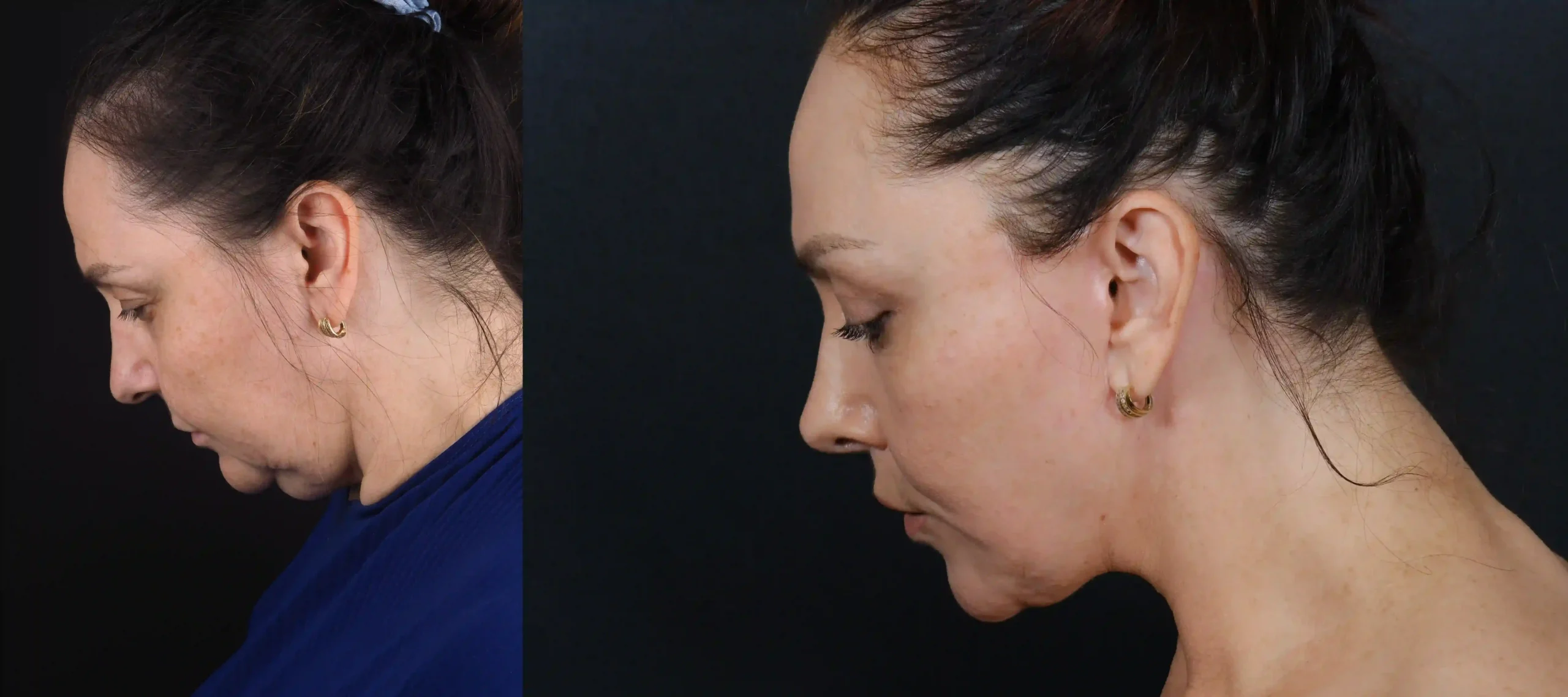
For a long time, talk about facelifts was filled with fear. People worried about looking unnatural, having visible scars, or the uncertainty of the procedure. But now, in 2026, that conversation has changed. Turkey has become a leading destination not just for its affordability, but for its excellence in advanced facial surgeries like the deep-plane and endoscopic techniques. The “before and after” images from top Istanbul clinics are no longer about just pulling skin tight. They are about carefully repositioning the underlying facial structure to where it was a decade or more ago.
The gap between a “good” result and a truly “life-changing” one comes down to the surgeon’s background. Assoc. Prof. Dr. Burak Sercan Erçin is at the forefront of this surgical progress. As a trained reconstructive microsurgeon, Dr. Burak applies a rare level of precision to his aesthetic work. He has trained with world-famous surgeons like Dr. Pedro Cavadas and holds the esteemed EBOPRAS (European Board of Plastic, Reconstructive and Aesthetic Surgery) qualification. For Dr. Burak, a facelift is not just a cosmetic touch-up; it’s a detailed anatomical restoration.
This guide will cover everything you need to know about getting a facelift in Turkey in 2026. We will look at the popular “Deep Plane” technique, what to expect during recovery, the costs involved, and why a surgeon’s reconstructive experience is more important than you might realize.
The Science Behind the “After”: It’s Not Just Skin Deep
To understand why some facelift results in Turkey appear natural while others look stretched, you need to know the anatomy of aging. Aging affects multiple layers of your face. It’s not just that your skin loses elasticity. The fat pads in your cheeks begin to descend, the ligaments holding your facial muscles weaken, and you even lose some bone in your jaw and chin.
A traditional “cutaneous” or skin-only facelift, which was common in the past, only involved trimming away excess skin. This often led to that unnatural “windblown” appearance and scars that stretched over time because the skin was under constant tension. This approach didn’t address the underlying structural changes, which is why the results were often short-lived and looked artificial.
The SMAS Layer: The Foundation of Modern Lifts
The Superficial Musculo-Aponeurotic System, or SMAS layer, is a crucial tissue layer located deep within your face. It acts as a bridge, connecting your facial muscles to the overlying skin. You can think of the SMAS as the essential “scaffolding” that supports your facial features. A strong and well-positioned SMAS is key to a youthful appearance.
In older facelift methods, surgeons would simply pull the skin tight over this sagging scaffold, which didn’t fix the core problem. The modern approach, used by experts like Dr. Burak, is fundamentally different. It involves lifting and repositioning the SMAS scaffold itself. Once the foundation is secure, the skin is gently redraped over it without any tension. This structural approach is why today’s results look so refreshingly natural and last much longer.
When you view Dr. Burak’s gallery, notice the subtle details around the ears and hairline. You won’t find the “pixie ear” deformity, where the earlobe is pulled downwards, or wide, noticeable scars. This is a direct result of placing the surgical tension on the deeper muscle layer, not on the delicate skin. This technique preserves the natural contours of the face and ensures a discreet, elegant outcome.
2026 Trends: The Rise of the Deep Plane & Endoscopic Lift
By 2026, the idea of a “one-size-fits-all” facelift is a thing of the past. The industry, particularly among elite surgeons in Turkey, has moved towards two primary advanced techniques. The Deep Plane Facelift is the top choice for comprehensive rejuvenation, while the Endoscopic Facelift offers a targeted lift for younger patients or those with specific concerns.
1. The Deep Plane Facelift: The Gold Standard
The Deep Plane Facelift is the ideal procedure for patients dealing with significant jowling, looseness in the neck area, and drooping of the mid-face. It goes a step beyond the standard SMAS lift. Instead of just tightening the SMAS layer, the Deep Plane technique involves releasing the ligaments that hold the facial tissues down. This allows the surgeon to lift the entire complex of muscle and skin as a single, cohesive unit.
This method produces some of the most impressive “Before and After” results for several reasons:
- Mid-Face Correction: It effectively lifts the cheeks back to their original, higher position, an area that standard facelifts often fail to address adequately.
- Nasolabial Folds: It dramatically softens the deep lines that run from the nose to the corners of the mouth, creating a smoother, more youthful look.
- Longevity: Because the ligaments are released and the entire structure is repositioned, the results are incredibly durable, often lasting for 10 to 15 years.
2. The Endoscopic Facelift: The “Scarless” Revolution
For patients in their late 30s or 40s who are just starting to see the early signs of aging, like drooping brows or cheeks, the Endoscopic Lift is a perfect solution. It’s for those who aren’t quite ready for a full facelift but want a meaningful and natural-looking improvement. Dr. Burak performs this procedure using very small incisions hidden completely within the hairline. He then inserts a tiny, high-definition camera, called an endoscope, to view the underlying tissues and lift them precisely.
- No Visible Scars: Since the incisions are concealed in the hair, there are no visible signs of surgery on the face.
- Vertical Lift: This technique lifts the facial tissues in a vertical, anti-gravity direction, which is the most natural way to rejuvenate the face.
- Faster Recovery: The minimally invasive approach means less tissue trauma, resulting in reduced swelling and a quicker return to normal activities.
Expert Insight: “Microsurgery trains your hands to respect every vessel and nerve. In a facelift, this translates to less bruising, preserved sensation, and invisible scars. We aren’t just removing skin; we are preserving the essence of the patient’s identity.” — Assoc. Prof. Dr. Burak Sercan Erçin
The Surgeon Factor: Why Credentials Matter
When you start searching for a facelift in Turkey, you’ll find hundreds of clinics, all making bold promises. However, the true difference between an average outcome and an exceptional one lies in the surgeon’s qualifications. In the field of plastic surgery, not all certifications carry the same weight or represent the same level of expertise.
The EBOPRAS Distinction
Dr. Burak holds the prestigious EBOPRAS diploma. This certification from the European Board of Plastic, Reconstructive and Aesthetic Surgery is one of the most difficult to obtain in the world. It signifies that a surgeon has undergone years of highly specialized training, passed rigorous written and oral exams, and is committed to the highest ethical standards. Choosing an EBOPRAS-certified surgeon provides peace of mind.
- Safety: It confirms the surgeon is expertly trained to manage complex anatomical challenges and any potential complications.
- Standardization: It guarantees that the surgical techniques used meet the highest European standards for quality and patient care.
The Microsurgery Advantage
Dr. Burak’s training includes a fellowship with the legendary Dr. Pedro Cavadas, a global icon in reconstructive microsurgery. Microsurgery involves meticulously repairing tiny blood vessels and nerves under a high-powered microscope. This background provides a unique advantage in aesthetic surgery.
- Relevance to Facelifts: A facelift is performed in close proximity to the facial nerve, which controls all your expressions. A surgeon with microsurgical skills has an incredibly detailed, magnified understanding of this nerve’s pathways. This greatly reduces the risk of nerve injury, a rare but serious complication of facial surgery.
- Scar Quality: Microsurgeons are trained to be perfectionists when it comes to wound closure. They use finer sutures and more precise techniques, which leads to scars that are often so thin and well-placed they become virtually invisible over time.
Comprehensive Guide: The Journey to Your New Look
Knowing what to expect can greatly reduce any anxiety about surgery. Here is a step-by-step look at what a typical facelift journey with Dr. Burak in Istanbul involves, from the initial contact to the final result.
Phase 1: The Virtual Consultation
Your journey begins from the comfort of your own home. Before you even think about booking a flight, you’ll have a virtual consultation. You will be asked to send clear photos of your face from the front, side, and 45-degree angles. During this digital assessment, Dr. Burak will carefully evaluate several key factors:
- Skin Quality: He will assess for signs of sun damage and determine how much elasticity your skin still has.
- Bone Structure: He will consider whether a complementary procedure, like a chin implant, might be needed to create a more balanced and harmonious result.
- Neck Angle: He will check the condition of your neck, as a neck lift is almost always performed with a facelift to ensure a seamless and natural transition.
Phase 2: Arrival & Pre-Op
Once you arrive in Istanbul, you will be taken for a comprehensive medical check-up. This includes blood tests, a cardiac evaluation, and a final, detailed in-person planning session with Dr. Burak. This is a crucial step where he will mark the incision lines on your skin and discuss the expected outcomes with you, ensuring your goals are realistic and aligned with what the surgery can achieve.
Phase 3: The Surgery
The surgery is performed under general anesthesia at a modern, JCI-accredited hospital, ensuring the highest standards of safety and care. The procedure typically takes between 3 to 5 hours, depending on the complexity of your case. Dr. Burak uses advanced anesthesia protocols to minimize post-operative grogginess and nausea. Throughout the surgery, whether it’s a Deep Plane or SMAS technique, he employs meticulous “hemostasis” (bleeding control) to reduce bruising and promote a smoother recovery.
Phase 4: The Recovery Timeline
One of the most frequently asked questions is, “When will I look normal again?” Understanding the recovery timeline can help you plan accordingly.
- Day 1-3 (The Cocoon Phase): You will have bandages around your head to support the tissues. Swelling will be at its peak during this time. You’ll feel a sense of tightness, but any discomfort is usually well-managed with mild pain medication. Dr. Burak’s team will monitor you closely to ensure proper blood flow.
- Day 4-7 (The Reveal): The main bandages are removed, and you can gently wash your hair. Bruising may appear, but it can be easily concealed with a scarf or sunglasses. Any stitches near the eyes (if you had an eyelid surgery) are typically removed at this stage.
- Week 2 (Socially Presentable): Most of the remaining sutures are taken out. You can start wearing makeup to cover any residual bruising. At this point, you generally look “good,” though you might still have some minor swelling, similar to after a dental procedure. Most patients feel comfortable returning to a desk job.
- Week 4-6 (The “Wow” Phase): The finer, more subtle swelling disappears. The incision lines, which may have been pink, will start to fade towards white. You can typically resume all normal activities, including going to the gym.
- Month 6 (Final Result): The facial tissues have fully settled into their new position. The scars are mature, faint, and well-hidden. This is when you can truly appreciate the final “After” result of your transformation.
Beyond the Knife: Ancillary Treatments for a Perfect Result
A facelift is excellent for lifting and tightening sagging tissues, but it doesn’t address everything. It can’t replace lost facial volume or improve the texture of your skin’s surface. This is why Dr. Burak takes a complete approach, often recommending a combination of procedures to create the most comprehensive and superior results.
1. Fat Grafting (Nano-Fat & Micro-Fat)
A facelift tightens, but a youthful face is also a full face. Dr. Burak frequently performs Fat Grafting by taking a small amount of fat from your abdomen or thighs and carefully injecting it into areas like the cheeks, temples, and under the eyes. This not only restores lost volume but also uses the stem cells present in the fat to improve the quality and glow of the overlying skin, restoring the “triangle of youth.”
2. PRP Treatment (Platelet Rich Plasma)
To enhance the healing process, PRP Treatment uses the powerful growth factors found in your own blood. A small sample of your blood is processed to concentrate the platelets, and this plasma is then applied during surgery or injected afterward. This simple step helps accelerate healing, reduce inflammation, and stimulate collagen production for healthier-looking skin.
3. Neck Lift & Liposuction
A sharp, well-defined jawline is a classic sign of youth. For this reason, a facelift is almost always combined with a Neck Lift and liposuction of the area under the chin. This combination removes excess fat and tightens loose skin, creating a crisp and elegant angle between the jaw and the neck for a truly balanced profile.
4. Upper & Lower Blepharoplasty (Eyelid Aesthetics)
The eyes are often the first part of the face to show signs of aging. Combining a facelift with Blepharoplasty (eyelid surgery) ensures a harmonious result. This procedure removes excess skin from the upper eyelids and reduces bags under the lower eyes, making sure your refreshed upper face perfectly matches your rejuvenated lower face.
5. Skin Resurfacing (Chemical Peels / Laser)
Once the structural work is done, it’s time to polish the surface. Skin Resurfacing techniques like chemical peels or laser treatments can address issues that surgery alone cannot fix. These treatments are effective for reducing fine lines, smoothing texture, and correcting pigmentation, giving your skin a flawless finish.
The “Alpha Male” Facelift & Facial Masculinization
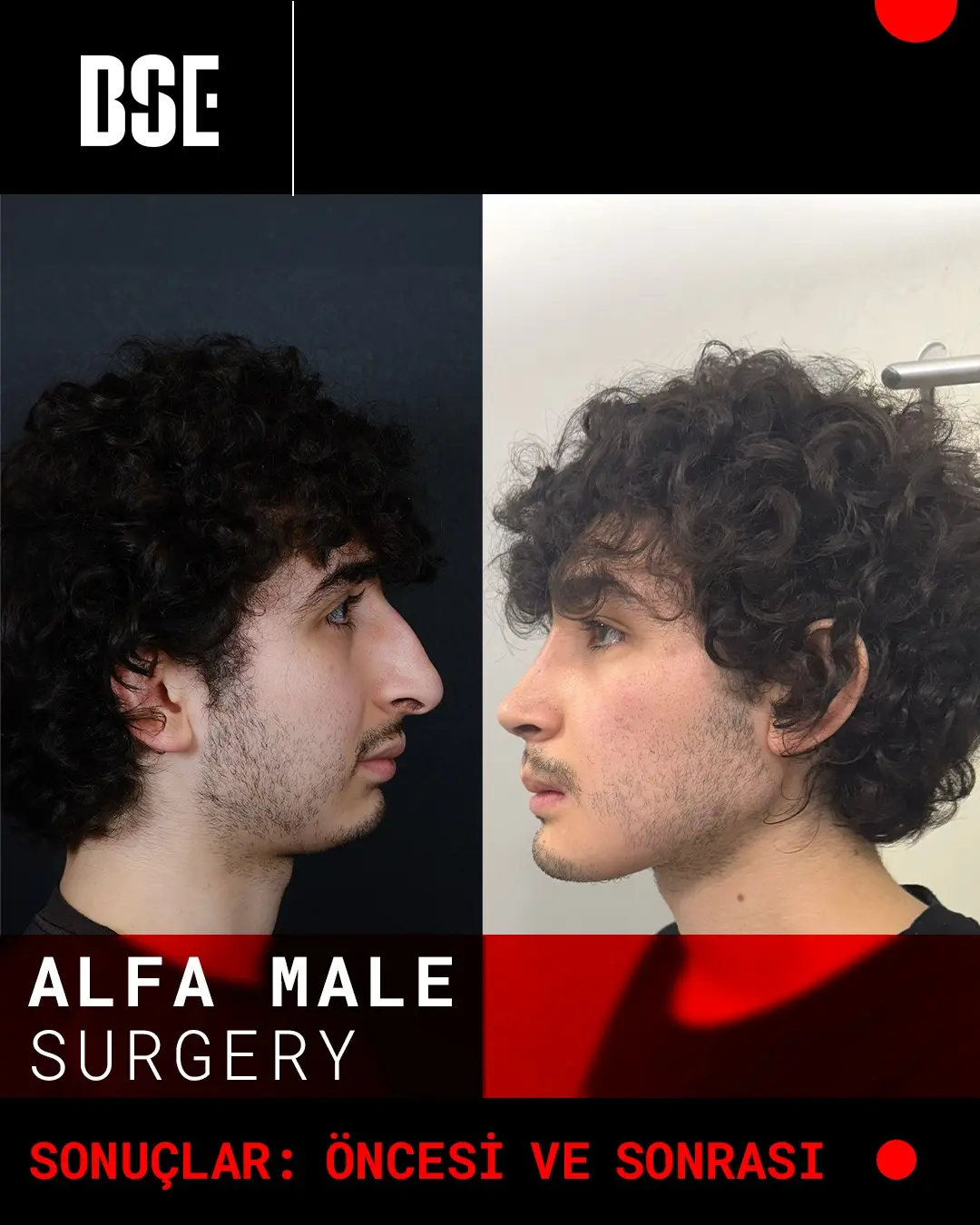
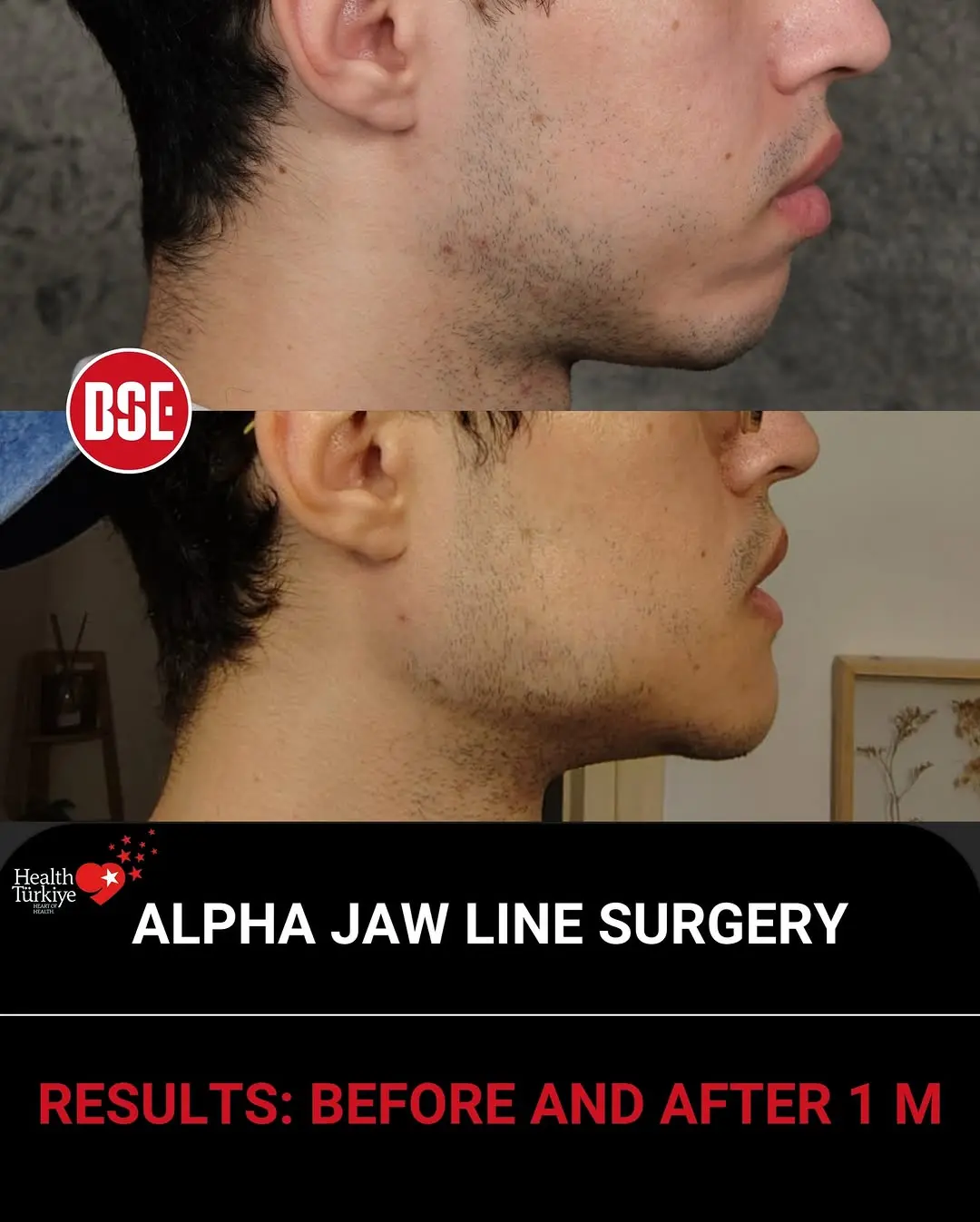
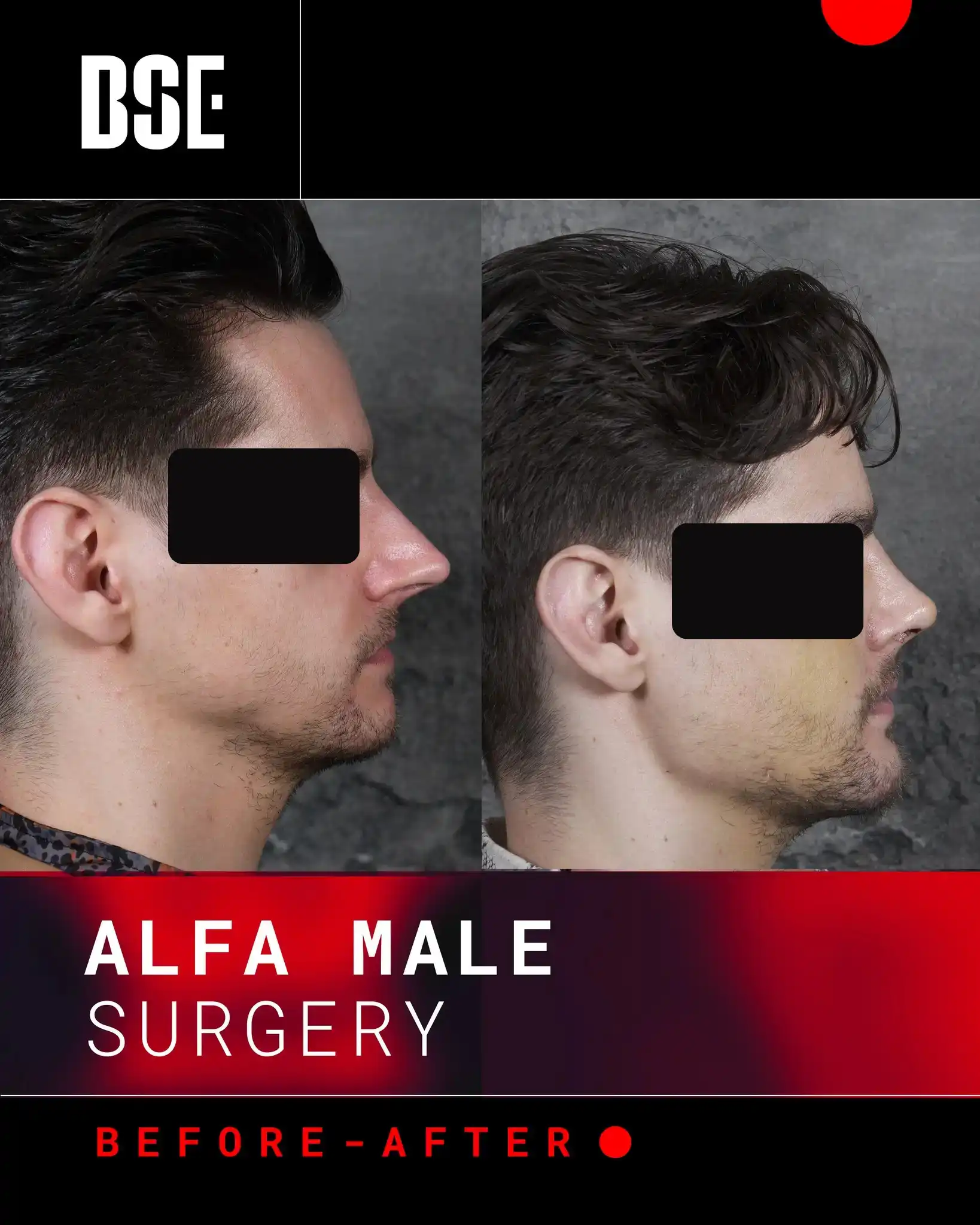
Facelifts are not just for women. In 2026, male facelifts are one of the fastest-growing procedures in aesthetic surgery. However, the approach and goals for men are significantly different. The objective is not to create a soft, heart-shaped face but to restore a strong, square jawline and a defined neck that project confidence and vitality.
The surgical technique is also adapted for men. Because men have beards and typically shorter hair, Dr. Burak places the incisions differently to preserve the natural hairline of the sideburns and to prevent beard hair from growing inside or on the ear. This meticulous planning ensures the results look completely natural.
Dr. Burak also offers a specialized protocol known as the Alpha Male Treatment. This often combines a lower facelift with procedures like chin implants or jawline contouring to enhance masculine features while simultaneously reversing the signs of aging. This tailored approach ensures that male patients achieve a look that is both refreshed and distinctly masculine.

Ready to turn back the clock? Take the first step towards your physical transformation. Book Your Virtual Consultation with Dr. Burak Today. Send us your photos for a preliminary assessment and discover what is possible.
Addressing the Fear: Safety and “Botched” Surgeries
It’s easy to find alarming stories about medical tourism in the media. However, these negative experiences almost always happen at unlicensed clinics or with surgeons who lack the proper experience and qualifications. Ensuring your safety in Turkey is straightforward if you know what to look for.
Here’s how to guarantee a safe and successful experience:
- Check the Credentials: Verify that your surgeon is EBOPRAS qualified. This European board certification is a hallmark of excellence and safety. (Dr. Burak is fully certified).
- Check the Hospital: Confirm that your surgery will be performed in a full-service, JCI-accredited hospital. These facilities adhere to the highest international standards for patient care. (Dr. Burak operates exclusively in top-tier hospitals).
- Check the Consultation: Be wary of a surgeon who agrees to everything without discussion. A responsible and ethical surgeon will say “no” if a procedure is not a safe or suitable option for you.
Dr. Burak’s extensive background in complex procedures like Revision Surgery and Burn Repair means he is often the surgeon other doctors consult when complications occur. By choosing him for your primary surgery, you significantly reduce the risk of ever needing a revision in the future.
Cost Analysis: Turkey vs. UK/USA (2026)
Many people wonder why surgery in Turkey is more affordable. The lower cost is not due to a compromise on quality. Instead, it reflects the country’s lower operational costs, including labor and real estate, as well as government support for its thriving medical tourism sector.
Let’s compare the costs for a comprehensive procedure:
- USA/UK Cost: A Deep Plane Facelift combined with a neck lift and fat grafting can easily cost between £15,000 to £30,000 ($20,000 – $40,000).
- Turkey Cost: The exact same procedure, performed by a highly qualified, EBOPRAS-certified surgeon like Dr. Burak, typically costs between £4,000 to £8,000 ($5,000 – $10,000).
The value you receive in Turkey goes beyond just the surgical fee. In the UK or US, the quoted price often only covers the surgeon’s work. In contrast, Dr. Burak’s packages are all-inclusive and generally cover:
- VIP transfers to and from the airport.
- Accommodation in a 4 or 5-star hotel.
- All hospital fees, anesthesia costs, and necessary medications.
- Post-operative garments and all follow-up care appointments.
Patient Stories: Real Transformations
Seeing the results on real people helps illustrate the impact of these procedures. Here are a couple of common scenarios we see in our clinic.
Case Study 1: The “Tired” Executive (Female, 52)
- Concern: “People at work keep asking if I’m sick or tired, even when I feel well-rested. My face just doesn’t reflect my energy.”
- Diagnosis: Loss of volume in the mid-face area and the early formation of jowls along the jawline.
- Procedure: Endoscopic Mid-Face Lift + Lower Blepharoplasty + Nano-Fat Grafting.
- Outcome: She achieved a naturally refreshed appearance that made her look rested and vibrant, not “operated on.” She was back in the boardroom with renewed confidence in just 14 days.
Case Study 2: The “Weight Loss” Warrior (Male, 45)
- Concern: “I worked hard to lose 40kg, and I feel great, but my face looks like it has melted. It’s the ‘Ozempic Face’ everyone talks about.”
- Diagnosis: Significant skin laxity and loss of the underlying structural support in the face and neck.
- Procedure: Deep Plane Facelift + Neck Lift + Alpha Male Jawline Definition.
- Outcome: The procedure restored the lost facial volume and created a sharp, masculine jawline that finally matched his new, fit physique.
Why Choose Assoc. Prof. Dr. Burak Sercan Erçin?
In a market full of options, Dr. Burak distinguishes himself through his unique combination of academic rigor, scientific knowledge, and artistic talent. He is not just a surgeon; he is a specialist dedicated to the art and science of facial reconstruction and aesthetics.
Assoc. Prof. Dr. Burak Sercan Erçin is an esteemed reconstructive surgeon in Istanbul with extensive expertise of over 10 years in breast and burn reconstructive surgeries. With a specialization in Plastic, Reconstructive, and Aesthetic Surgery and a qualification diploma from EBOPRAS, MD. Burak has worked alongside some of the world’s leading reconstructive microsurgeons, including Dr. Pedro Cavadas. With a commitment to excellence in both clinical practice and academic research, Dr. Burak is dedicated to providing his patients with the highest quality care possible. Book a consultation today and take the first step towards your physical transformation.
What Dr. Burak Specifically Offers in Turkey:
PRP Treatment (Platelet Rich Plasma), Breast Augmentation Surgery, Preservé™ Breast Augmentation, Breast Lift Surgery, Breast Reduction Surgery, Male Breast Reduction Surgery, Nose Aesthetics (Rhinoplasty), Almond Eye Surgery (Canthoplasty), Non-Surgical Aesthetics, Botox, Skin Rejuvenation (Microdermabrasion), Gummy Smile Botox, HIFU: Non-Surgical Facial and Skin Rejuvenation, Phototherapy (IPL) (Light Therapy), Chemical Peeling, Masseter Botox, Mesotherapy, Brow Lift Surgery, Prominent Ear Surgery (Otoplasty), Chin and Face Correction, Facial Feminization (FFS), Eyelid Aesthetics (Blepharoplasty), Lip Lift, Face Lift Surgery, Endoscopic Face Lift, Facial Masculinization (FMS), Alpha Male Treatment, Mommy Makeover, Liposuction, Vaginoplasty, Labiaplasty, Sex Reassignment Surgery, Jaw Surgery, Congenital Anomalies, Post-Cancer Reconstruction, Abdominal and Torso Reconstruction, Microsurgery, Revision Surgery, Hand Surgery, Bone Disease Treatments, Congenital Anomaly Treatments, Facial Paralysis, Burn Repair Treatments, Leg Lift Surgery, Brazilian Butt Lift (BBL), Abdominoplasty (Tummy Tuck Surgery), Arm Lift Surgery (Brachioplasty), and Chronic Wound Treatments.

Conclusion
The decision to have a facelift is a major one. It’s about more than just looking younger; it’s about aligning your outward appearance with the energy and vitality you feel inside. Turkey provides access to world-class surgical expertise at an affordable price point, but the most critical factor in achieving a beautiful “After” photo is the surgeon you select.
By choosing Assoc. Prof. Dr. Burak Sercan Erçin, you are opting for the highest European standards of safety, the delicate precision of a microsurgeon, and the keen artistic eye required for natural, long-lasting results. Your face is your identity, and it deserves the best possible care.
Frequently Asked Questions (FAQ)
How much does a facelift cost in Turkey in 2026?
While prices can vary based on the specific technique used (e.g., Deep Plane vs. Mini Lift), the average cost for a high-quality facelift in Turkey in 2026 ranges between £4,000 and £8,000 ($5,000 – $10,000). This is considerably less than the £15,000 or more you would expect to pay in the UK or USA. Dr. Burak offers clear, all-inclusive packages that cover the surgery, hospital stay, accommodation, and transfers.
Is it safe to get a facelift in Turkey?
Yes, it is very safe, as long as you do your research and choose a properly qualified surgeon and an accredited hospital. Turkey is a global leader in medical tourism with excellent healthcare standards. To ensure your safety, look for surgeons with an EBOPRAS certification (the European Board qualification), like Dr. Burak Sercan Erçin, and confirm that your procedure will take place in a JCI-accredited hospital.
What is the difference between a SMAS facelift and a Deep Plane facelift?
A SMAS facelift works by tightening the muscle layer (the SMAS) by either folding or stitching it to lift the facial tissues. A Deep Plane facelift is a more advanced technique where the surgeon releases the ligaments under the SMAS. This allows the entire unit of muscle and skin to be repositioned as one. The Deep Plane method, favored by Dr. Burak for more significant aging, provides more natural, longer-lasting results and is better at correcting sagging in the mid-face.
How long is the recovery for a facelift?
Most patients are “socially presentable,” meaning they feel comfortable going out in public with makeup, within 10 to 14 days. However, complete healing takes more time. The majority of swelling will go down by week 3-4, but the final, refined contour and scar maturation can take up to 6 months. Dr. Burak’s use of microsurgical techniques helps to minimize tissue trauma and speed up this recovery process.
Can I combine a facelift with other procedures?
Absolutely. It is very common and often recommended to combine a facelift with other procedures for a more complete and harmonious rejuvenation. Popular combinations include a Neck Lift, Eyelid Surgery (Blepharoplasty), or Fat Grafting. Dr. Burak also specializes in comprehensive makeovers like the “Mommy Makeover” and can safely combine facial surgery with body contouring for suitable patients.
Will I have visible scars?
Dr. Burak is an expert at minimizing scarring. He uses Endoscopic techniques when possible and meticulously places incisions within natural creases, such as around the ear and hidden in the hairline, to make them virtually invisible once healed. His background in microsurgery ensures an extremely precise closure of all incisions, resulting in fine, faint lines that fade beautifully over time.
What is the best age for a facelift?
There is no single “best” age for a facelift; the right time depends more on your individual anatomy and the extent of your aging signs than your chronological age. Generally, patients in their 40s may be good candidates for an Endoscopic or Mini Lift, while those in their 50s and 60s often see the greatest benefit from a Full or Deep Plane Facelift. If you have significant jowling or neck laxity, you are likely a candidate regardless of your age.
This content was written by Assoc. Prof. Dr. Burak Sercan Erçin in line with clinical experience and current medical literature. It is intended for general informational purposes only and does not constitute medical advice. A personal consultation with Dr. Erçin is recommended for individual assessment.
Faculty Member · Bahçeşehir University
Graduate of Ege University Faculty of Medicine, Assoc. Prof. Dr. Erçin completed advanced fellowships at Tampa General Hospital (USA) under Dr. Deniz Dayıcıoğlu in breast reconstruction and burn surgery, and at the clinic of Dr. Pedro Cavadas in Valencia, Spain in reconstructive microsurgery. After passing the EBOPRAS examination in 2018, he joined Bahçeşehir University as a faculty member and continues his private practice on Bağdat Avenue, Istanbul, specialising in face, breast and body aesthetics alongside complex reconstructive surgery.