This article was written by Assoc. Prof. Dr. Burak Sercan Erçin and is based on clinical experience. A specialist in Plastic, Reconstructive and Aesthetic Surgery; prepared in accordance with current medical literature and personal surgical data. A consultation is recommended before making any medical decisions.

The human face is a remarkably dynamic anatomical structure that undergoes profound, continuous transformation throughout the entire lifespan. The visible manifestations of facial changes after aging and lifestyle choices are not merely superficial phenomena confined to the epidermis. Rather, they represent the culmination of complex, multi-layered physiological alterations involving continuous bone remodeling, the redistribution of highly specific fat compartments, progressive muscular hypotony, and the severe biochemical degradation of the extracellular matrix. Historically, the aesthetic evaluation of the aging face focused predominantly on the effects of gravitational ptosis and dermal laxity, leading to surgical interventions that simply pulled and excised redundant tissue. However, contemporary clinical paradigms and the advanced aesthetic ideals of 2026 recognize that facial aging is a three-dimensional process dictated by both intrinsic chronological factors and a vast array of extrinsic environmental influences, collectively referred to within the medical community as the skin exposome.
The concept of the skin exposome encompasses the totality of environmental and behavioral exposures that an individual encounters from birth, and how these highly variable factors intersect with endogenous biological pathways. This intersection ultimately determines the velocity, severity, and visual characteristics of facial senescence. External factors such as ultraviolet radiation, atmospheric pollution, nutritional habits, psychosocial stress, sleep patterns, and tobacco use play a monumental role in accelerating the aging process. As global demand for aesthetic refinement and highly specialized cosmetic surgery abroad continues to surge, clinical methodologies have evolved dramatically. Modern aesthetic surgery now entirely rejects the unnatural, over-tightened results of the past. The objective of facial rejuvenation is no longer to artificially freeze the face in time, but to restore true structural integrity through regenerative medicine, precision microsurgery, and customized, subtle enhancements that deeply respect the patient’s native biometric identity.
This comprehensive guide examines the deep anatomical mechanisms of facial aging, the severe biochemical impact of daily lifestyle choices, the psychological ramifications of these aesthetic changes, and the most advanced surgical solutions available today. Particular attention is directed toward the specialized, world-class techniques employed in premier global medical hubs. Medical tourism in Turkey, specifically the comprehensive reconstructive and aesthetic protocols developed by leading practitioners such as MD. Burak Sercan Erçin, has established entirely new international benchmarks for patient care, anatomical preservation, and transformative, natural-looking outcomes.
The Deep Structural Anatomy of Facial Aging
Facial aging involves significant, progressive alterations in all fundamental components of the craniofacial structure. This includes the underlying skeletal scaffolding, the complex network of strong retaining ligaments, the superficial musculoaponeurotic system, and the highly compartmentalized subcutaneous fat pads. A nuanced, comprehensive understanding of these deep structural changes is absolutely paramount for the execution of modern, natural-looking surgical rejuvenation.
Skeletal Remodeling and Region-Specific Bone Resorption
Contrary to the antiquated traditional belief that the adult human skull remains entirely static after reaching maturity, extensive craniofacial skeletal changes occur continuously throughout adult life. This process is characterized by region-specific bone loss and progressive, lifelong skeletal remodeling. Over the age of thirty-five, the population of active bone-regenerating cells within the facial skeleton begins to decrease significantly. This gradual decline leads to selective bone resorption that fundamentally alters the foundational structural support of the overlying soft tissues, muscles, and dermal envelope.
The skeletal remodeling process exhibits highly specific topographical patterns across different regions of the face. In the periorbital region, the orbital aperture undergoes significant and measurable enlargement, averaging a fifteen to twenty percent increase in total area by the time an individual reaches their seventh decade of life. This bone resorption is highly uneven; the superomedial and inferolateral portions of the orbital bone recede at an accelerated rate. Clinically, this manifests as an increased prominence of the medial brow and the lid-cheek junction, resulting in deeper, more pronounced tear troughs and a distinctly rounder, smaller appearance of the eyes, a condition clinically referred to as senile enophthalmos. Furthermore, sexual dimorphism is highly evident in this specific aging process. Females typically experience a marked increase in the height of the superior orbital rim medially, alongside a recession of the inferior orbital rim laterally. Conversely, males tend to exhibit a more uniform, generalized recession across the entire inferior orbital rim.
In the midface, the skeletal changes are equally profound. The maxilla, which is typically prominent and anteriorly positioned in a youthful face, undergoes a distinct anterior and inferior bone resorption over time. This targeted bone loss leads to a generalized retrusion of the central face. During this process, the lacrimal bone acts as a critical structural pivot; its inferior portion rotates laterally, which in turn causes an inferior slide of the entire maxillary structure. This loss of bony volume and anterior projection contributes significantly to the deepening of the nasolabial folds and the overall flattening of the cheeks.
Furthermore, the perinasal region, specifically the pyriform aperture—the primary bony opening of the nose—undergoes distinct morphological changes. In a youthful skull, the pyriform aperture lies anterior to the anterior lacrimal crest. With advancing age, selective and progressive bone resorption causes the pyriform aperture to enlarge significantly and retreat posteriorly relative to the lacrimal crest. This structural recession contributes directly to the loss of fundamental nasal tip support, the progressive ptosis or drooping of the nasal tip, and the visible widening of the nasal alar base over time.
| Craniofacial Region | Primary Morphological Change | Visible Clinical Manifestation |
| Orbital Rim | 15–20% area expansion; targeted superomedial and inferolateral bone resorption | Senile enophthalmos, severe deepening of tear troughs, widened eye hollows, and altered brow projection |
| Maxillary Bone | 8–15% decrease in overall height; significant anterior and inferior resorption | Midface retrusion, loss of anterior cheek projection, deepening of nasolabial folds, and generalized facial flattening |
| Mandibular Bone | Increase in mandibular angle by 3–7 degrees; selective alveolar bone resorption | Blunting of the defined jawline, exacerbation of lower facial jowl formation, and significant loss of anterior chin projection |
| Pyriform Aperture | Progressive enlargement and severe posterior recession relative to the anterior lacrimal crest | Loss of critical nasal skeletal support, age-related ptosis of the nasal tip, and widening of the alar base |
The Compartmentalization and Deflation of Facial Fat
The historical anatomical perspective of facial fat as a single, homogenous subcutaneous layer was definitively disproven by advanced anatomical studies, which demonstrated that facial adipose tissue actually exists in highly discrete, separated compartments. These individual compartments are bordered and separated by specific, dense fibrous septa. Furthermore, these compartments are distinctly divided into superficial layers, which are located directly above the superficial musculoaponeurotic system, and deep layers, which are situated beneath the mimetic muscles of facial expression, lying directly over the periosteum of the facial skeleton.
The chronological aging process affects these specific fat pads in highly disparate and unique ways. The primary determinant of midface aging is not simply gravity, but rather the severe volumetric deflation, or hypotrophy, of the deep fat compartments, followed subsequently by the inferior gravitational shift of the overlying superficial fat pads. As critical deep support structures, such as the deep medial cheek fat compartment and the deep buccal fat pads, progressively lose their native volume, the vital architectural support for the superficial medial cheek fat is severely compromised. This complex interplay between deep volume deflation and superficial tissue ptosis causes a distinct inferomedial displacement of the entire overlying skin envelope. This specific movement significantly increases the prominence of hollows in the cheeks, flattens the youthful angles of the midface, and dramatically deepens the nasojugal grooves.
In the upper third of the face, the loss of volume in the deep compartments, particularly the retro-orbicularis oculi fat, the deep temporal fat, and the temporal extension of the deep buccal fat pad, directly results in the visible hollowing of the temples and the progressive descent of the brow. Conversely, the superficial fat pads exhibit hypertrophic or highly ptotic behaviors, particularly in the lower third of the face. Fat redistribution and physical protrusion are heavily concentrated in the submental region, significantly contributing to the formation of heavy jowls, the severe accentuation of the lateral nasolabial fold, and the deepening of the lateral labiomental crease.
Attenuation and Failure of Facial Retaining Ligaments
The facial retaining ligaments are incredibly robust, deep fibrous attachments that originate directly from the periosteum of the bone or the deep facial fascia. These ligaments travel perpendicularly upward through the various facial layers to insert firmly onto the underside of the dermis. These critical structures, which include the zygomatic ligaments, the orbicularis retaining ligaments, and the masseteric ligaments, act as fundamental structural anchor points, firmly separating the various facial spaces and fat compartments while holding the soft tissues against the facial skeleton.
With advancing age, the constant, unrelenting downward vector of gravity, combined with decades of repeated muscular contraction from facial expressions and the intrinsic, systemic degradation of collagen fibers, leads to the severe attenuation and weakening of these supporting ligaments. As the facial retaining ligaments stretch, thin out, and lose their essential tensile strength, the subcutaneous fat compartments they are responsible for supporting are permitted to migrate inferiorly. This specific ligamentous failure is a primary contributor to the pseudoptosis of the superficial soft tissues. Understanding this structural failure drives the modern surgical necessity to surgically release, elevate, and firmly re-suspend these deep structures during an advanced deep-plane facelift, rather than merely relying on the highly ineffective and outdated method of pulling and excising superficial skin.
The Biochemical Impact of Lifestyle Choices on Facial Aging
While chronological aging and skeletal remodeling initiate predictable anatomical shifts, extrinsic lifestyle choices heavily dictate the specific biochemical degradation of the skin’s extracellular matrix. The extracellular matrix is a highly dynamic, complex network composed primarily of type-I collagen fibers, elastin proteins, and deeply hydrating glycosaminoglycans, which collectively provide the skin with its required tensile strength, flexibility, and youthful hydration. Highly destructive external aggressors introduced through daily lifestyle choices profoundly disrupt this delicate homeostasis through a series of complex, cascading molecular pathways.
Photoaging and Severe Oxidative Stress
Unprotected exposure to the sun remains one of the absolute leading contributors to premature, extrinsic skin aging. Ultraviolet radiation from the sun triggers the immediate, massive production of reactive oxygen species within the delicate dermal layers of the skin. These highly unstable, reactive molecules induce severe oxidative stress, causing direct and catastrophic damage to cellular DNA, vital lipids, and structural proteins.
The rapid accumulation of ultraviolet-induced reactive oxygen species directly upregulates the production of matrix metalloproteinases. These specific enzymes aggressively break down the existing collagen and elastin network faster than the body’s fibroblasts can replace them. Furthermore, ultraviolet irradiation acts as a powerful stimulant for melanogenesis through the activation of specific cellular signaling pathways, leading to highly irregular skin pigmentation, the formation of dark lentigines, and a chronically uneven complexion that severely ages the facial aesthetic.
Dietary Glycation and Advanced Glycation End-Products
Daily nutritional habits, particularly the high consumption of refined carbohydrates, sugars, and high-glycemic diets, exact a profound and highly destructive biochemical toll on the facial structure through a non-enzymatic cellular reaction known as glycation. In this damaging process, excess circulating glucose molecules forcibly and covalently bond to the amino groups of long-lived structural proteins within the skin, primarily targeting collagen and elastin. This molecular bonding forms highly destructive, irreversible compounds known within the medical community as Advanced Glycation End-products.
Advanced Glycation End-products fundamentally and permanently alter the physical and mechanical properties of the human skin. They create pathological, rigid cross-links between the normally flexible collagen fibers, forcing the collagen network to transition from a highly resilient, spring-like matrix into a stiffened, brittle, and highly fragile structure. This complete loss of structural elasticity manifests clinically on the face as deep, stubborn, criss-cross fine lines and a severe loss of underlying structural support. Furthermore, the process of glycation literally induces the browning of these internal proteins, which directly imparts a distinctly yellowish, sallow, and dull appearance to the aged complexion.
At the microscopic cellular level, these destructive end-products bind aggressively to specific cell surface receptors known as Receptors for Advanced Glycation End Products. The chronic activation of these receptors triggers a ceaseless cascade of intracellular inflammation, which further weakens the body’s natural cellular repair mechanisms and vastly accelerates the senescence and death of dermal fibroblasts. The specific glycosylation of vimentin, a critical structural filament protein within the cell, also leads to the total loss of the fibroblasts’ natural contractile ability, rendering them completely unable to maintain their basic cellular shape and reparative functions. Because heavily glycated collagen is highly resistant to natural enzymatic degradation, these damaged proteins accumulate inexorably in the dermal tissue, severely impairing the skin’s ability to heal wounds, which is a critical, highly vital consideration for any patient planning to undergo invasive cosmetic surgery.
Tobacco Use and the Chemical Exposome
The introduction of tobacco smoke, whether through traditional cigarettes or modern vaping devices, introduces thousands of highly toxic chemicals directly into the biological system, including high levels of nicotine, carbon monoxide, and ammonia. This severe chemical exposure catastrophically accelerates the process of skin senescence. Smoking dramatically and immediately reduces the vital oxygenation of dermal tissues through intense, prolonged vascular vasoconstriction, literally starving the facial skin of the essential nutrients and oxygen required for basic cellular metabolism, survival, and repair.
The rapid systemic absorption of these dangerous toxins triggers immense, unyielding oxidative stress, initiating the rapid, widespread breakdown of the skin’s remaining collagen and elastin fibers. This specific and aggressive degradation leads to the highly distinct clinical phenotype universally recognized as smoker’s face. This aesthetic condition is heavily characterized by deeply etched, vertical perioral wrinkles around the mouth, prominent and deep periocular lines, a highly uneven, dull, grayish complexion, and a pronounced, premature sagging of the facial and body skin. For any individual actively seeking transformative aesthetic surgical interventions, the total and complete cessation of all tobacco use is considered absolutely mandatory. Stringent clinical protocols, particularly those utilized by elite surgical centers, universally require the complete cessation of smoking, alcohol, and caffeine consumption at least fifteen days prior to highly complex procedures, such as facial paralysis reconstruction or deep plane facelifts, to effectively mitigate the severe, limb-threatening risks of tissue necrosis and catastrophic delayed healing.
The Endocrine Impact of Chronic Stress and Cortisol
Psychological stress is no longer viewed by the medical community merely as an abstract emotional state, but rather as a highly potent, physiological antagonist to total dermal health. This damaging relationship is heavily mediated by the complex, highly sensitive, bidirectional brain-skin axis. Chronic psychological distress or persistent environmental stressors directly trigger the hypothalamus-pituitary-adrenal axis, resulting in the massive, systemic, and local release of fight-or-flight catecholamines and the primary human stress hormone, cortisol.
While cortisol is absolutely vital for acute, short-term survival scenarios, its prolonged, chronic elevation in the modern lifestyle is highly destructive to the facial extracellular matrix. Persistently elevated cortisol levels act as a potent biological collagen killer. High cortisol directly downregulates the cellular synthesis of essential building blocks, specifically collagen type I, collagen type III, and vital heat shock proteins. Additionally, cortisol actively suppresses the tissue inhibitor of metalloproteinases, creating a highly toxic proteolytic environment within the skin where vital structural proteins are systematically destroyed significantly faster than the body can synthesize them.
The severe inflammatory response provoked by chronic, unmanaged stress also targets specific local immune cells residing in the skin, such as mast cells, which possess highly specific cortisol receptors. The ongoing activation of these specific cells induces a vicious cycle of low-grade, chronic inflammation that severely exacerbates preexisting, dormant skin conditions. This internal stress response frequently triggers severe flare-ups of inflammatory acne, rosacea, severe eczema, and psoriasis, while simultaneously and significantly impairing the vital cell migration ability of keratinocytes, thereby drastically slowing the dermal wound healing process.
| Destructive Lifestyle Factor | Primary Mechanism of Action | Resulting Biochemical Consequence | Visible Clinical Presentation |
| High-Glycemic / High-Sugar Diet | Non-enzymatic cellular glycation | Formation of destructive AGEs, rigid collagen cross-linking, chronic RAGE activation | Distinct yellowing of skin tone, stiff and brittle dermal tissue, deep criss-cross wrinkles |
| Chronic Ultraviolet Exposure | Unmanaged oxidative stress | Massive generation of reactive oxygen species, MMP enzyme upregulation, cellular DNA damage | Severe photoaging, irregular hyperpigmentation, total loss of skin elasticity |
| Smoking and Chemical Vaping | Systemic hypoxia and chemical toxicity | Severe vascular vasoconstriction, direct and rapid collagen and elastin lysis | Classic smoker’s face, deep vertical perioral lines, dull and grayish complexion |
| Chronic Psychological Stress | Endocrine disruption via the HPA axis | Chronically elevated cortisol levels, massive downregulation of Collagen I & III synthesis | Accelerated facial sagging, highly impaired wound healing, severe inflammatory acne flare-ups |
The Profound Psychosocial Dimension of Facial Aging
The visible, physiological deterioration of the human face is intrinsically and undeniably linked to profound psychosocial and severe emotional consequences. The face serves as the primary, highly visible locus of individual human identity and the fundamental center of non-verbal interpersonal communication. Therefore, any unwanted, highly visible alterations in facial appearance can easily trigger significant, deep-seated psychological distress. Extensive clinical research clearly indicates that the visible signs of aging, particularly the formation of deep, permanent wrinkles, heavily sagging jowls, and a chronically tired, depleted appearance, frequently lead to intense feelings of self-consciousness, severe social anxiety, and eventual, total social isolation.
The immense psychological burden associated with facial aging is frequently and meticulously quantified within clinical settings using highly validated psychometric evaluation instruments, such as the widely respected Rosenberg Self-Esteem Scale, the specialized Cutaneous Body Image Scale, and the comprehensive Hospital Anxiety and Depression Scale. A substantial, highly detailed cohort study explicitly assessing these factors revealed that remarkably low self-esteem is highly prevalent among populations demonstrating visible signs of premature aging. Crucially, this low self-esteem was found to be significantly, directly correlated with an increased, active engagement in cosmetic-seeking behaviors. Notably, participants in the study who possessed no prior history of any cosmetic procedures were found to be nearly twice as likely to exhibit markers of clinically low self-esteem compared to individuals who proactively managed and maintained their aesthetic appearance through clinical intervention.
Furthermore, comprehensive psychological studies focusing on adult women have conclusively demonstrated that the individual’s perceived loss of facial firmness, combined with the visible manifestations of chronological aging, are highly, positively correlated with measurable psychological morbidity, including clinical levels of anxiety and deep depression. Conversely, active interventions specifically aimed at improving overall skin quality and restoring youthful facial structure have been consistently shown to be strongly, positively correlated with vastly greater, sustained self-esteem.
This robust data underscores the critical reality that modern aesthetic interventions and plastic surgery are emphatically not merely superficial treatments born of vanity. Rather, they are highly critical, deeply effective therapeutic modalities utilized for restoring essential psychological equilibrium and vastly improving the patient’s overall quality of life. In severe, documented cases, an extensively aged appearance can transcend internal emotional distress and manifest as highly tangible external detriments, including the widely documented, pervasive phenomenon of targeted workplace discrimination specifically directed against older-appearing individuals in highly competitive professional environments.
Advanced Aesthetic Interventions and Surgical Paradigms for 2026
The rapid convergence of highly precise anatomical knowledge, incredibly advanced surgical technology, and rapidly evolving patient desires has radically and permanently transformed the global landscape of plastic surgery. Entering the year 2026, the overarching, dominant trend in global cosmetic surgery firmly and completely rejects the highly exaggerated, obviously artificial, and overly taut aesthetic results that plagued previous decades. The modern, sophisticated aesthetic ideal is heavily characterized by anatomy-preserving, highly regenerative, and quietly luxurious enhancements that yield surgical results that are virtually undetectable to the untrained eye. Today’s elite patients absolutely prioritize long-term, stable structural longevity and subtle facial harmony over transient, dramatically obvious surgical changes.
The Evolution of the Facelift: Deep Plane Mastery and SMAS Manipulation
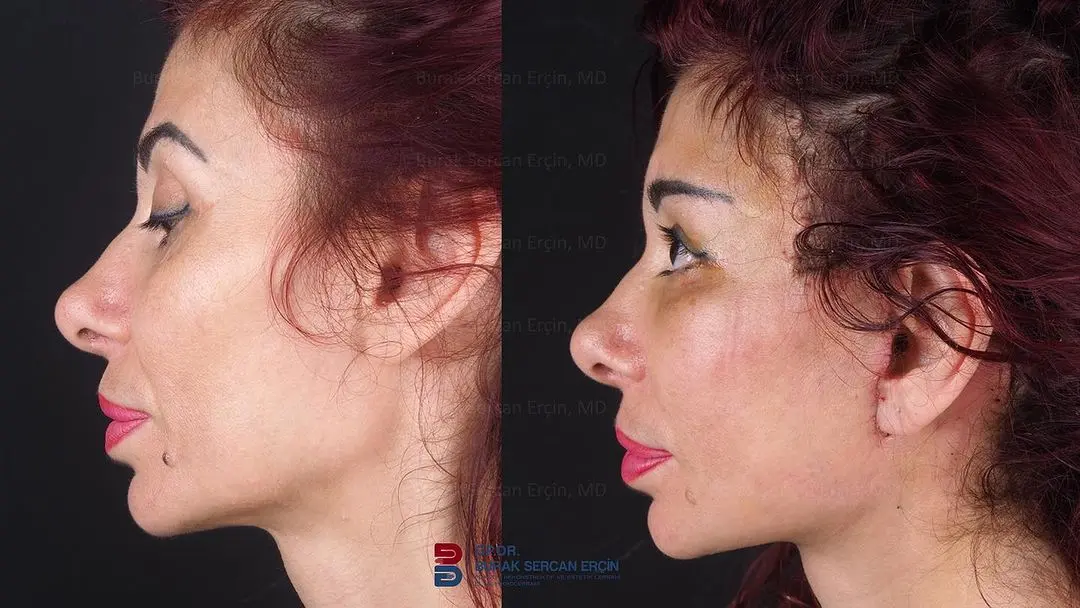
The surgical management of the severely aging face has successfully transitioned far away from the rudimentary, highly flawed technique of superficial skin excision. These outdated methods frequently resulted in a highly unnatural, tightly pulled, wind-blown appearance that distorted the patient’s natural features. Today, the absolute gold standard relies exclusively on comprehensive sub-SMAS manipulation and highly advanced deep-plane surgical techniques.
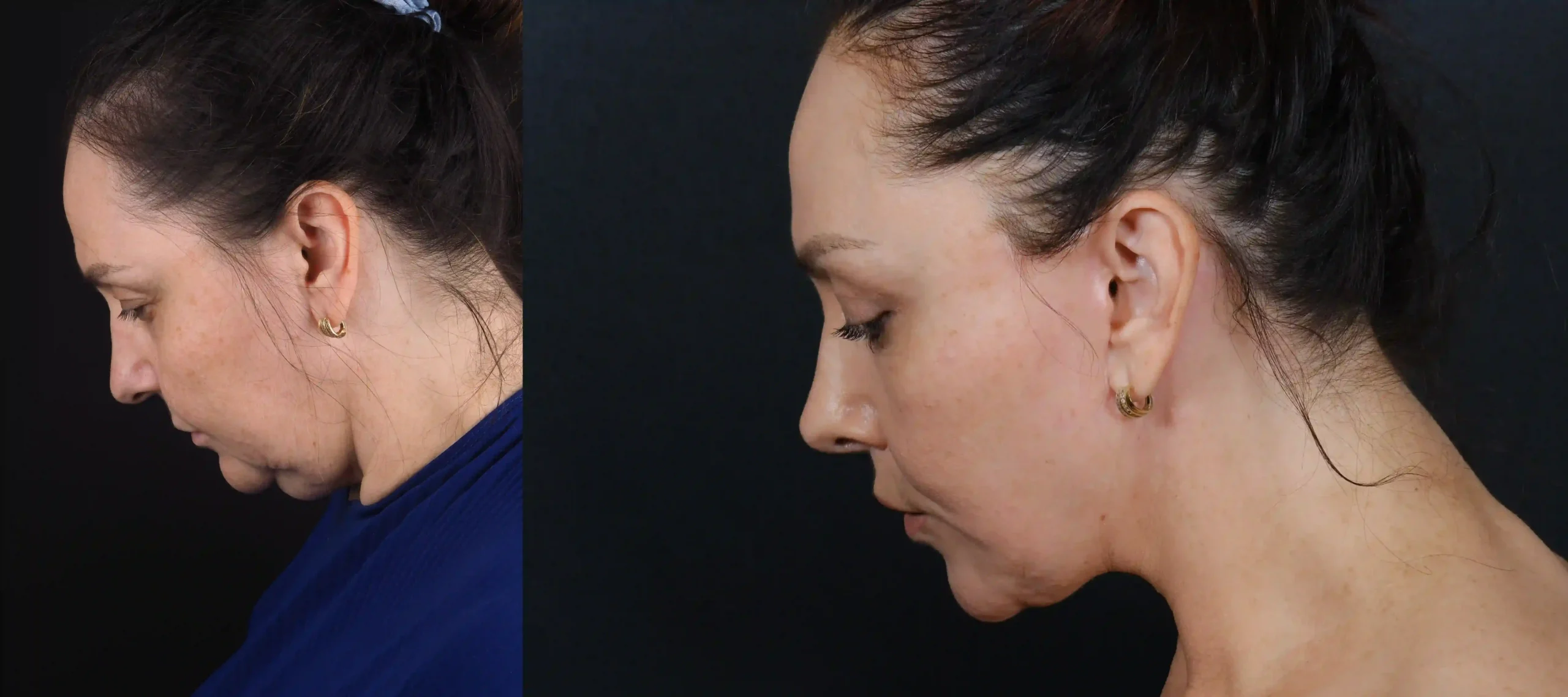
Modern facelifts, clinically termed rhytidectomies, involve the surgeon meticulously accessing the deepest architectural layers of the facial structure. The primary goal is to safely release the severely attenuated, stretched retaining ligaments and physically elevate the heavily descended, ptotic deep fat compartments back to their original, youthful anatomical positions. By surgically repositioning the underlying facial musculature and the heavy fat pads as a single, cohesive unit—an en bloc repositioning—elite surgeons can flawlessly restore the original, native vectors of facial elevation. This fundamentally and permanently reverses the severe pseudoptosis of the midface and the heavy lower jowls without placing any undue, dangerous tension on the delicate dermal envelope.
This modern philosophy heavily emphasizes highly customized, bespoke surgical strategies that are explicitly tailored to the individual patient’s specific biological age, inherent genetics, underlying bone structure, and unique ethnic traits. Surgeons frequently incorporate a highly synergistic array of secondary modalities, such as precise radiofrequency tissue tightening, advanced laser resurfacing, and strategic, high-volume autologous fat transfers. This combination achieves a comprehensive, deeply layered rejuvenation of the entire lower face and neck complex. The aesthetic results of these advanced deep-plane interventions are notably, profoundly long-lasting, with the youthful effects reliably persisting for upwards of a full decade, particularly when the surgical results are actively supported by a highly stable, nutrient-rich, and healthy daily lifestyle.
Regenerative Aesthetics: Autologous Fat Transfer and Platelet-Rich Fibrin
The 2026 aesthetic horizon is heavily defined and dominated by the principles of regenerative medicine. To effectively combat the pervasive, inevitable volumetric deflation of the deep facial fat compartments, leading plastic surgeons increasingly and heavily utilize advanced autologous facial fat transfer techniques. This highly sophisticated technique involves safely harvesting the patient’s own living adipose tissue from a donor site via gentle liposuction, meticulously purifying the harvested fat in a centrifuge, and then highly strategically injecting the living fat cells deep into specific areas of severe volume loss, such as the hollowed tear troughs, the flattened medial cheeks, and the deeply sunken temporal hollows.
Unlike temporary, synthetic hyaluronic acid dermal fillers, living autologous fat not only immediately restores beautiful, youthful contours and dramatically enhances the skin’s natural light reflection, but it also physically introduces millions of living mesenchymal stem cells and highly potent regenerative growth factors directly into the deteriorating, aging tissues. This profound cellular optimization actively improves long-term skin quality, increases dermal density, and restores lost elasticity, effectively and naturally rebuilding the face’s biological structure from the inside out.
Simultaneously, the advanced application of Platelet-Rich Fibrin is gaining immense, widespread traction as the ultimate tool for completely natural facial rejuvenation. Widely heralded by experts as the highly superior, next generation of traditional PRP treatments, Platelet-Rich Fibrin utilizes a significantly higher, denser concentration of the patient’s own natural healing components. The unique fibrin matrix provides a highly sustained, slow release of vital growth factors over several weeks, profoundly stimulating new collagen production and extensive cellular matrix repair without requiring highly invasive surgery or the placement of any artificial, synthetic implants.
Meticulous Scar Management and Surgical Obfuscation
A paramount, highly understandable concern for any patient preparing to undergo facial plastic surgery is the eventual visibility of postoperative surgical scarring. A true, structural facelift, by its very anatomical definition, absolutely requires surgical incisions to effectively access and manipulate the deep SMAS and the underlying, heavy tissue layers. However, the true surgical artistry and technical mastery of the procedure lie entirely in the highly strategic placement and the incredibly precise, tension-free closure of these necessary incisions.
Master facial plastic surgeons expertly route their facelift incisions precisely along the highly natural, existing contours of the temporal hairline. The incision then continues completely inconspicuously downward around the natural, existing creases of the ear structure, specifically utilizing the preauricular and postauricular sulcus, before finally extending backward and hiding deeply within the occipital hairline at the nape of the neck. When these carefully placed incisions are closed utilizing highly meticulous, microscopic, tension-free suturing techniques, they heal rapidly into virtually imperceptible, microscopic fine lines that are easily hidden by natural hair growth and normal facial contours.
However, highly effective postoperative scar management initiated by the patient is equally, undeniably critical to the final aesthetic outcome. Following surgery, patients are strictly directed to heavily utilize medical-grade silicone gel sheets, highly potent vitamin E topicals, and absolutely strict, uncompromising ultraviolet light avoidance protocols. These stringent measures ensure that the new scars mature flawlessly and remain entirely flat, effectively preventing the permanent, highly visible hyperpigmentation that is rapidly caused by any sun exposure during the active, highly vulnerable healing phase. Furthermore, the patient’s individual genetic predispositions toward developing thick, hypertrophic scarring are heavily evaluated during pre-operative consultations to implement specific, highly tailored preventative modalities that match the patient’s unique biological healing profile.
Specialized Facial Sculpting: Alpha Male and Gender-Affirming Surgery
The modern era of plastic surgery has seen a massive, unprecedented diversification in the highly specific types of procedures requested by a rapidly expanding global patient demographic. The surgical techniques required to achieve these highly specific, often gender-oriented aesthetic goals demand an unparalleled degree of anatomical expertise and specialized, dedicated surgical training.
The Rise of Alpha Male Plastic Surgery
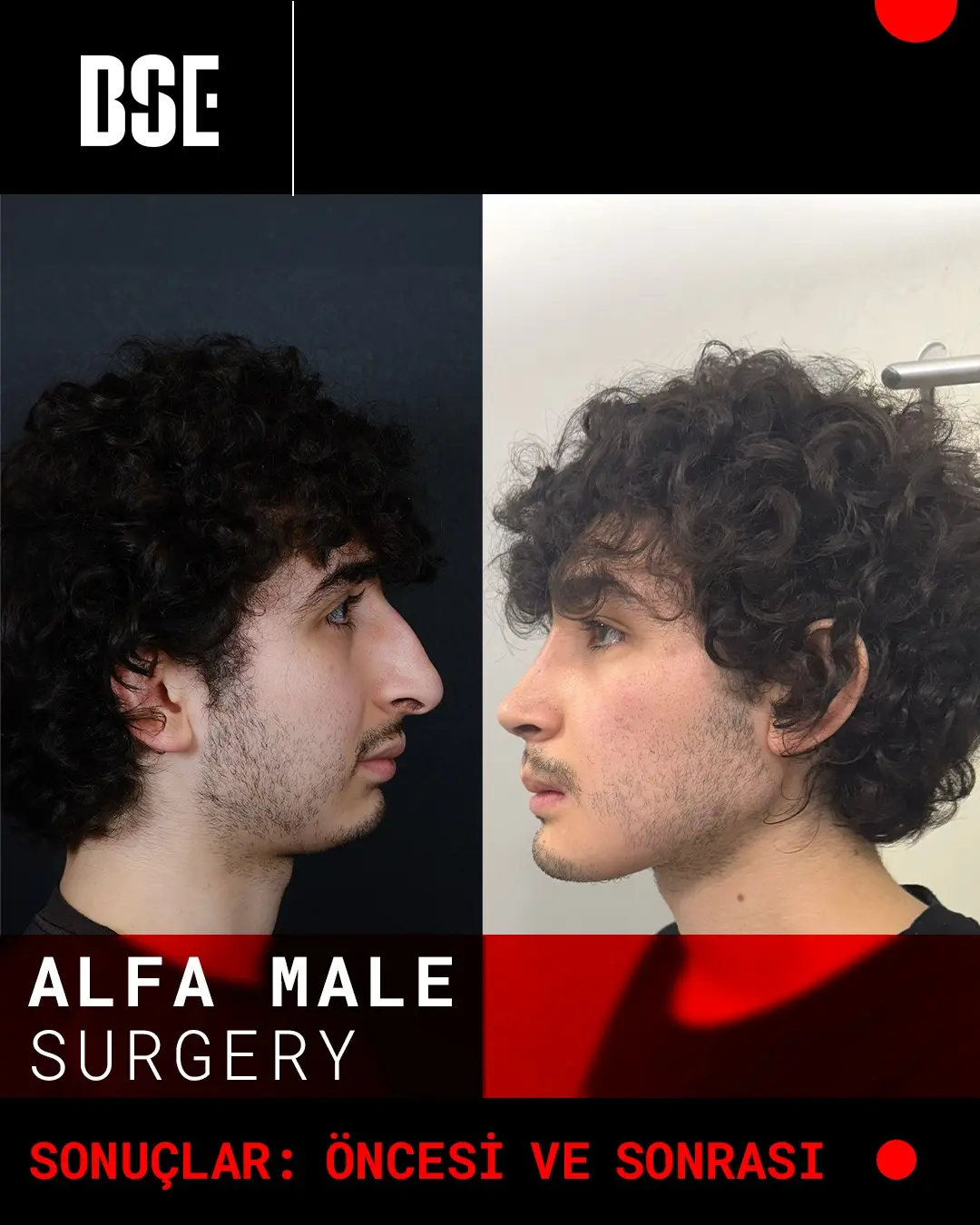
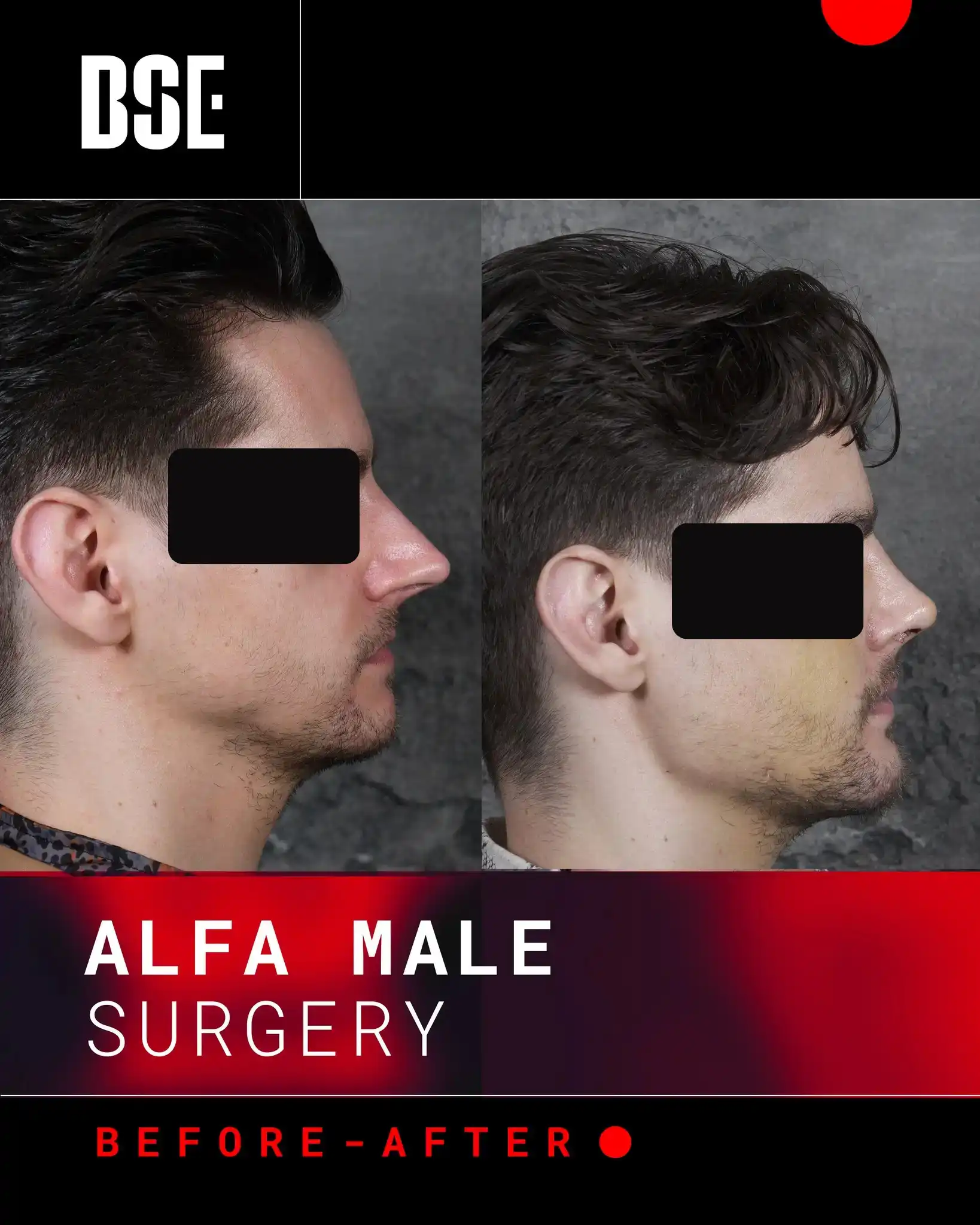
A profound, highly visible cultural shift over the past decade has resulted in the rapid, widespread normalization and truly exponential growth of male plastic surgery. The global demand for specialized aesthetic procedures explicitly tailored to the unique, heavier male anatomy has surged, giving rise to the highly specialized, rapidly growing surgical field of Alpha Male plastic surgery. This comprehensive suite of targeted procedures aims specifically to enhance and permanently define traditionally masculine biometric markers, focusing heavily on achieving a broad, muscular chest, sculpted, highly defined abdominal musculature, and a remarkably strong, hyper-defined lower facial structure.
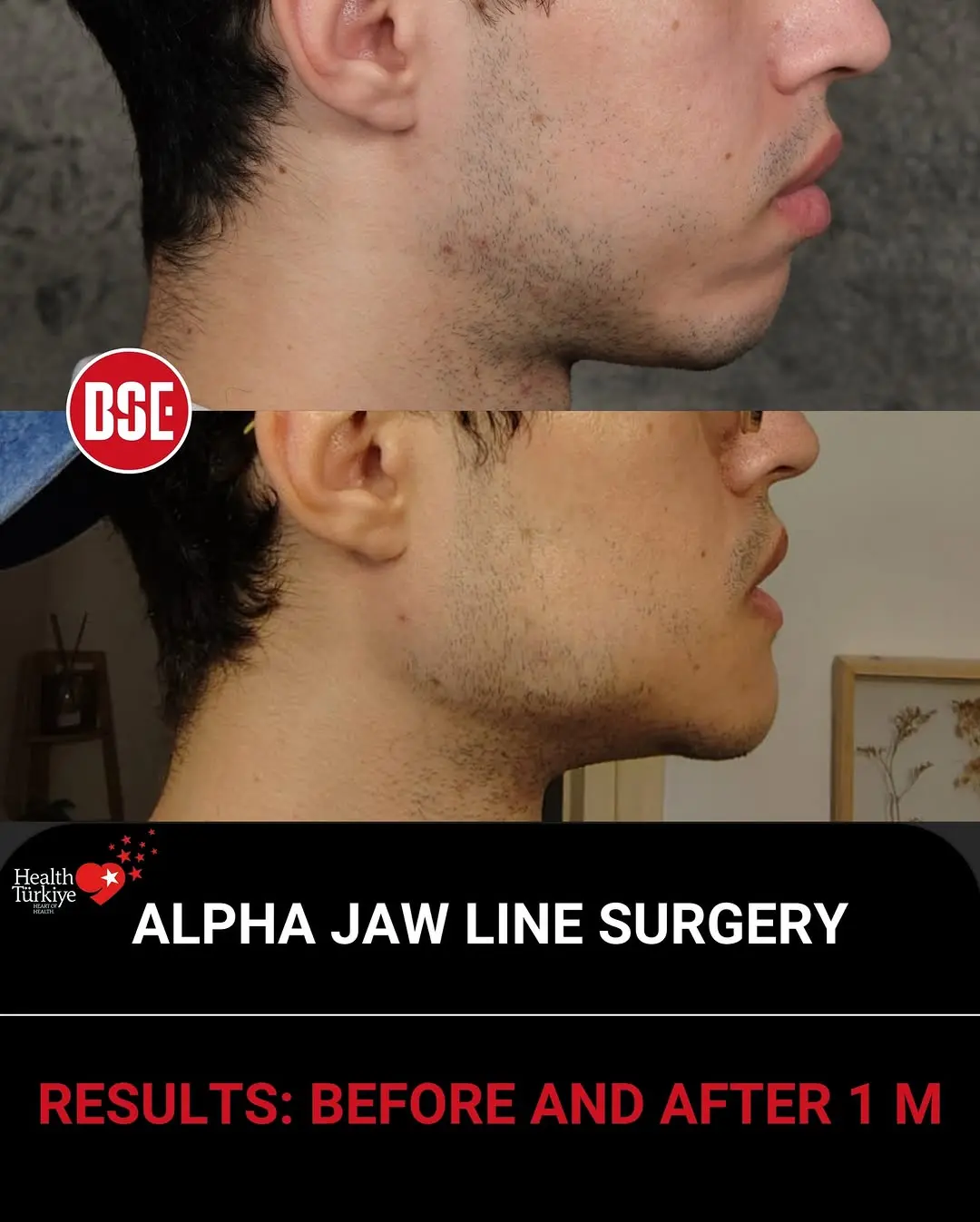
In 2026, highly precise jawline and deep chin contouring represent the absolute, undeniable pinnacle of male aesthetic surgical priorities. The primary anatomical goal is to permanently create robust structure, facial balance, and a distinctly athletic, highly chiseled profile that naturally exudes authority and confidence without ever appearing artificially exaggerated or over-filled. The surgical interventions utilized to achieve this aesthetic range from highly targeted submental fat reduction and the precise, deep placement of high-density jawline fillers, to the permanent surgical placement of custom-milled, anatomical jaw and chin implants.
Furthermore, the comprehensive Alpha Male Facelift has been specifically engineered to address the highly unique gravitational vectors and the significantly heavier, thicker nature of male facial tissues and skin. Alongside facial enhancements, extensive body contouring techniques, such as high-definition abdominal liposculpting to reveal gladiator-like abs, and specialized gynecomastia surgery to create a perfectly flat, highly masculine chest profile, are frequently performed. This massive, undeniable trend heavily reflects the modern male’s intense desire to actively maintain peak professional competitiveness, project boundless vitality, and assert dominance in an increasingly competitive, highly image-conscious global society.
Facial Feminization Surgery (FFS) and Masculinization (FMS)
Gender-affirming facial surgeries, specifically comprehensive Facial Feminization Surgery and Facial Masculinization Surgery, demand an absolutely unparalleled, elite degree of surgical and anatomical expertise. Facial Feminization Surgery, in particular, involves a highly complex, multi-stage battery of highly invasive procedures specifically designed to aggressively soften prominent masculine skeletal features and completely restructure the facial scaffolding to beautifully reflect a traditionally, softly feminine aesthetic.
The primary, foundational protocols of Facial Feminization Surgery focus heavily and aggressively on completely altering the underlying bone architecture of the skull. This typically includes highly aggressive but mathematically calculated forehead contouring. In this procedure, the surgeon physically shaves and reduces the heavy prominence of the supraorbital brow bone, paired simultaneously with an extensive hairline advancement procedure to visually round and soften the entire upper third of the patient’s face.
Midface procedures within the FFS protocol almost always incorporate a highly specialized feminizing rhinoplasty to create a significantly smaller, highly refined nasal bridge, typically featuring a subtle supratip break and a delicately upturned tip. This is frequently performed alongside targeted cheek augmentation to provide the elevated, highly prominent, and youthful malar projections characteristic of the female face. In the heavily scrutinized lower face, highly aggressive jaw and chin reduction surgeries, frequently referred to as V-line surgeries, are heavily employed. These complex bone-shaving procedures serve to dramatically narrow a wide, highly angular, distinctly masculine jawline, softening the bone into a delicate, highly feminine oval or distinct V-shape. Finally, the tracheal shave, which involves the physical surgical reduction of the prominent Adam’s apple, and the surgical lip lift, are highly utilized, hallmark procedures designed to permanently eliminate distinct masculine anatomical identifiers and elevate the upper lip to a significantly more feminine, youthful position.
| Specific Anatomical Region | Alpha Male Enhancement Focus (FMS) | Facial Feminization Focus (FFS) |
| Forehead and Brow Ridge | Strict preservation or enhancement of a strong, heavy brow ridge; low, horizontal brow positioning | Aggressive brow bone reduction and surgical shaving; complete rounding of the forehead contour |
| Nose Structure (Rhinoplasty) | Maintenance of a highly straight, strong dorsal aesthetic; preservation of a strong, slightly wider nasal bridge | Dramatic refinement and narrowing of the bridge; creation of a highly subtle supratip break and a delicately upturned tip |
| Cheeks and Midface | Highly subtle, understated enhancement, strictly avoiding any feminizing malar or cheekbone prominence | High, extremely prominent, sweeping cheekbone augmentation achieved via targeted fat transfer or custom implants |
| Jawline and Chin | Dramatic widening and sharp defining of the mandibular angles; creation of a highly squared, heavy chin projection | Aggressive mandibular angle reduction and bone shaving; significant narrowing of the chin to a soft oval or sharp V-shape |
| Neck and Throat | Aggressive excision of all submental fat to boldly expose sharp, highly defined jawline transitions | Surgical reduction of the prominent thyroid cartilage to eliminate the Adam’s apple (Tracheal Shave) |
Medical Tourism and the 2026 Turkish Excellence Model
The highly rapid convergence of truly elite surgical expertise, massive investments in state-of-the-art medical infrastructure, and highly favorable, competitive economic factors has firmly and permanently cemented Turkey—and specifically the vibrant, medical metropolis of Istanbul—as the absolute premier, unrivaled global epicenter for advanced cosmetic surgery abroad. Highly trained, board-certified surgeons practicing in Turkey perform an exceptionally high, unmatched volume of the most complex aesthetic and reconstructive procedures in the world. This immense surgical volume translates directly into highly refined, flawless surgical protocols and an absolutely unparalleled breadth of hands-on clinical experience across highly diverse global ethnicities, unique facial types, and highly varied aging patterns.
The Role of Clinical Mastery and the Preservé™ Philosophy
The flawless execution of these highly intricate, life-changing aesthetic and reconstructive procedures absolutely necessitates a surgeon possessing elite, world-class technical proficiency, particularly in the highly demanding realm of advanced microsurgery. Exceptional clinical experts operating in Istanbul, such as the highly esteemed MD. Burak Sercan Erçin, perfectly exemplify this absolute, uncompromising standard of global medical mastery.
Equipped with over fifteen years of rigorous, highly complex surgical experience and holding a highly prestigious qualification diploma from the European Board of Plastic Reconstructive and Aesthetic Surgery, Dr. Burak has successfully forged an international reputation for flawlessly handling the most incredibly complex, demanding anatomical presentations. His deeply foundational medical training includes profound, extensive experience in highly complex reconstructive microsurgery, most notably training and working alongside the world-renowned surgical pioneer Dr. Pedro Cavadas. This incredibly extensive background in complex hand and bone surgeries, foot-to-hand transplantations, and the meticulous management of severe congenital anomalies provides Dr. Burak with a supreme, unmatched technical advantage when he transitions his skills to the delicate art of high-end facial aesthetics.
In this context, microsurgery acts as the ultimate, invisible hero in both complex facial reconstruction and subtle aesthetic enhancement. It grants the elite surgeon the extreme microscopic precision required to safely manipulate incredibly delicate facial nerves, meticulously preserve minute, vital vascular networks, and execute totally flawless living tissue transfers. This unique, world-class mastery is deeply codified in the clinic’s proprietary Preservé™ surgical philosophy. This highly advanced methodology explicitly and uncompromisingly prioritizes incredibly natural-looking results by staunchly and completely avoiding the highly aggressive tissue removal and extreme, unnatural pulling that heavily characterized the antiquated facelifts of the past.
Instead, the Preservé™ approach involves incredibly meticulous, slow dissection that deeply respects the body’s natural, existing anatomical planes. By flawlessly preserving the delicate, intricate network of underlying blood vessels and sensitive facial nerves, this advanced philosophy directly and immediately translates to significantly reduced intraoperative tissue trauma, vastly diminished postoperative swelling and severe bruising, and the ultimate creation of highly sustainable, perfectly harmonious aesthetic results that age beautifully over time.
Operating from his expansive, state-of-the-art aesthetic suite, Dr. Burak offers a comprehensive range of truly transformative procedures. These include his signature Deep Plane Facelifts, highly specialized Eyelid Aesthetics, completely transformative rhinoplasty, comprehensive Mommy Makeovers, highly advanced breast enhancement and revision surgeries, liposuction, and his highly sought-after, highly specialized Alpha Male Plastic Surgery protocols. Furthermore, his deeply rooted reconstructive expertise positions him uniquely to successfully address the most profound, severe facial deficits imaginable, ranging from highly complex Post-Cancer Mohs Defect Repair and severe facial burn scar treatments to incredibly complex, life-altering Facial Paralysis and Smile Reanimation surgeries.
The Comprehensive, Luxury Care Model for International Patients
The modern Turkish medical tourism model is highly distinguished by its incredibly holistic, full-service, VIP approach to patient care. Elite clinics specifically targeting high-end international patients offer comprehensive, all-inclusive packages that seamlessly and perfectly integrate elite, world-class medical care with five-star luxury hospitality. From the exact moment a patient arrives in the country for a transformative procedure, every single logistical element of their journey is meticulously, flawlessly managed by dedicated teams.
These premium, comprehensive packages typically include highly secure, comfortable VIP airport transfers, luxurious premium accommodation in carefully contracted luxury hotels or dedicated, medically supervised recovery residences, and the constant, reassuring presence of dedicated, highly fluent medical interpreters to ensure absolutely seamless communication and total, uncompromising patient comfort throughout the entire process. The international patient journey is carefully and highly systematically structured into highly distinct, highly managed phases: Phase 1 involves a highly detailed Virtual Consultation; Phase 2 manages the Arrival and exhaustive Pre-Operative evaluation; Phase 3 covers the actual Surgery and the monitored Hospital Stay; and Phase 4 encompasses the crucial, highly supervised Recovery period in Istanbul. Prior to any surgery, all patients undergo highly exhaustive, rigorous medical evaluations, including full blood panels, advanced imaging, and incredibly detailed clinical histories, ensuring absolute, undeniable physiological readiness for the procedure.
Pre-Operative Preparation and Post-Operative Healing Optimization
The ultimate success of any complex facial plastic surgery procedure performed in Turkey is heavily, undeniably contingent upon the individual patient’s extremely strict adherence to highly rigorous pre-operative and post-operative lifestyle protocols. To optimally prime the body’s innate healing capacity and completely mitigate the severe, dangerous risks of tissue necrosis and excessive, dangerous bleeding, patients must absolutely cease the use of all over-the-counter blood-thinning medications, all herbal supplements, all tobacco products, and all alcohol consumption well in advance of their scheduled surgical date.
The crucial postoperative recovery phase requires immense, unwavering patience and highly disciplined, dedicated self-care from the patient. Visible swelling, colorful bruising, and mild to moderate discomfort are fully anticipated, entirely normal physiological responses to the necessary surgical trauma. To combat this, recovering patients are strictly instructed to maintain highly strict head elevation at all times, heavily utilize prescribed cold compresses to manage inflammation, and strictly adhere to a highly nutrient-dense, extremely low-sodium diet to actively facilitate rapid fluid clearance and fast cellular tissue repair.
For highly complex facial aesthetic procedures, patients are generally heavily advised to plan for a minimum five to seven-day initial, supervised recovery period resting in Istanbul before officially receiving final medical clearance from the surgeon to fly home safely. Furthermore, continuous, reliable 24/7 access to dedicated nursing teams and highly scheduled virtual follow-up consultations upon safely returning to their home countries ensure that international patients receive ongoing, completely uninterrupted clinical support throughout the entire, months-long maturation process of their beautiful surgical results.
| Specific Recovery Phase | Typical Duration | Primary Patient Directives, Restrictions, and Expectations |
| Immediate Post-Op Phase | Days 1 to 3 | Peak levels of swelling and bruising; strict, uncompromising bed rest with the head constantly elevated; heavy utilization of cold compresses; extremely strict adherence to all prescribed analgesics and antibiotics. |
| Early Healing Phase | Days 4 to 7 | Gradual, noticeable reduction in facial swelling; very gentle, slow walking heavily encouraged to prevent dangerous deep vein thrombosis; strict adherence to a low-sodium diet; total avoidance of any bending over or heavy lifting. |
| Clearance and Travel Phase | Days 7 to 10 | Final surgical suture removal; final, comprehensive in-person evaluation by the surgeon; official medical clearance granted for safe international air travel back to the home country. |
| Long-Term Maturation Phase | 2 to 6 Months | Continued, absolute avoidance of direct ultraviolet exposure on healing incisions; highly consistent daily use of medical silicone scar gels; highly gradual resumption of normal, vigorous exercise and regular lifestyle habits. |
In the rapidly evolving world of aesthetic medicine, successfully navigating the complex realities of facial aging and destructive lifestyle choices requires highly advanced, expert intervention. By actively combining rigorous, healthy lifestyle modifications with the truly world-class, highly advanced, anatomy-preserving surgical techniques pioneered by global experts in Istanbul, discerning patients from around the world can successfully, safely achieve the enduring, incredibly natural, and highly transformative aesthetic outcomes they deeply desire, ultimately and profoundly elevating both their physical appearance and their deep, internal psychological well-being.
This content was written by Assoc. Prof. Dr. Burak Sercan Erçin in line with clinical experience and current medical literature. It is intended for general informational purposes only and does not constitute medical advice. A personal consultation with Dr. Erçin is recommended for individual assessment.
Faculty Member · Bahçeşehir University
Graduate of Ege University Faculty of Medicine, Assoc. Prof. Dr. Erçin completed advanced fellowships at Tampa General Hospital (USA) under Dr. Deniz Dayıcıoğlu in breast reconstruction and burn surgery, and at the clinic of Dr. Pedro Cavadas in Valencia, Spain in reconstructive microsurgery. After passing the EBOPRAS examination in 2018, he joined Bahçeşehir University as a faculty member and continues his private practice on Bağdat Avenue, Istanbul, specialising in face, breast and body aesthetics alongside complex reconstructive surgery.