
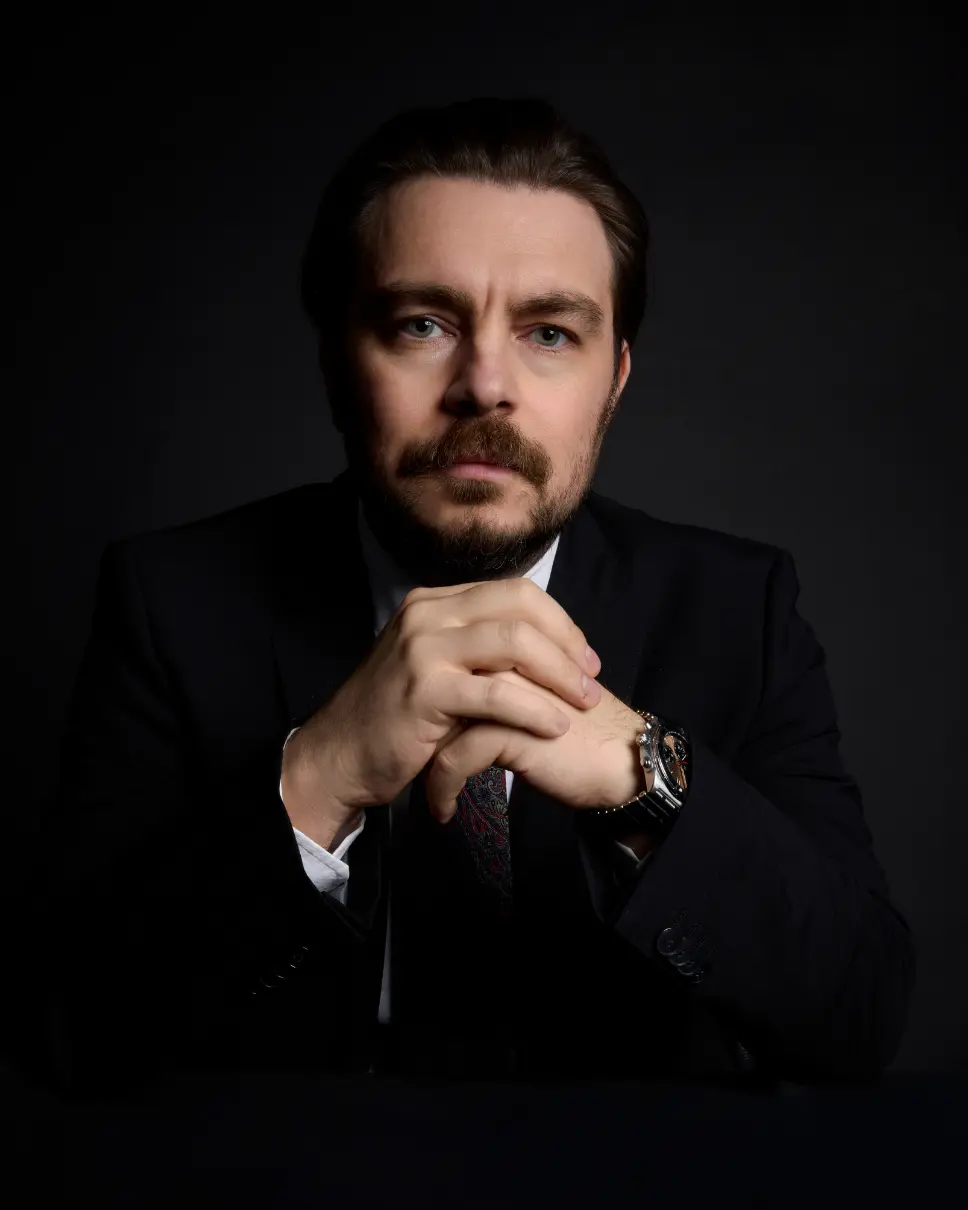
This article was written by Assoc. Prof. Dr. Burak Sercan Erçin and is based on clinical experience. A specialist in Plastic, Reconstructive and Aesthetic Surgery; prepared in accordance with current medical literature and personal surgical data. A consultation is recommended before making any medical decisions.
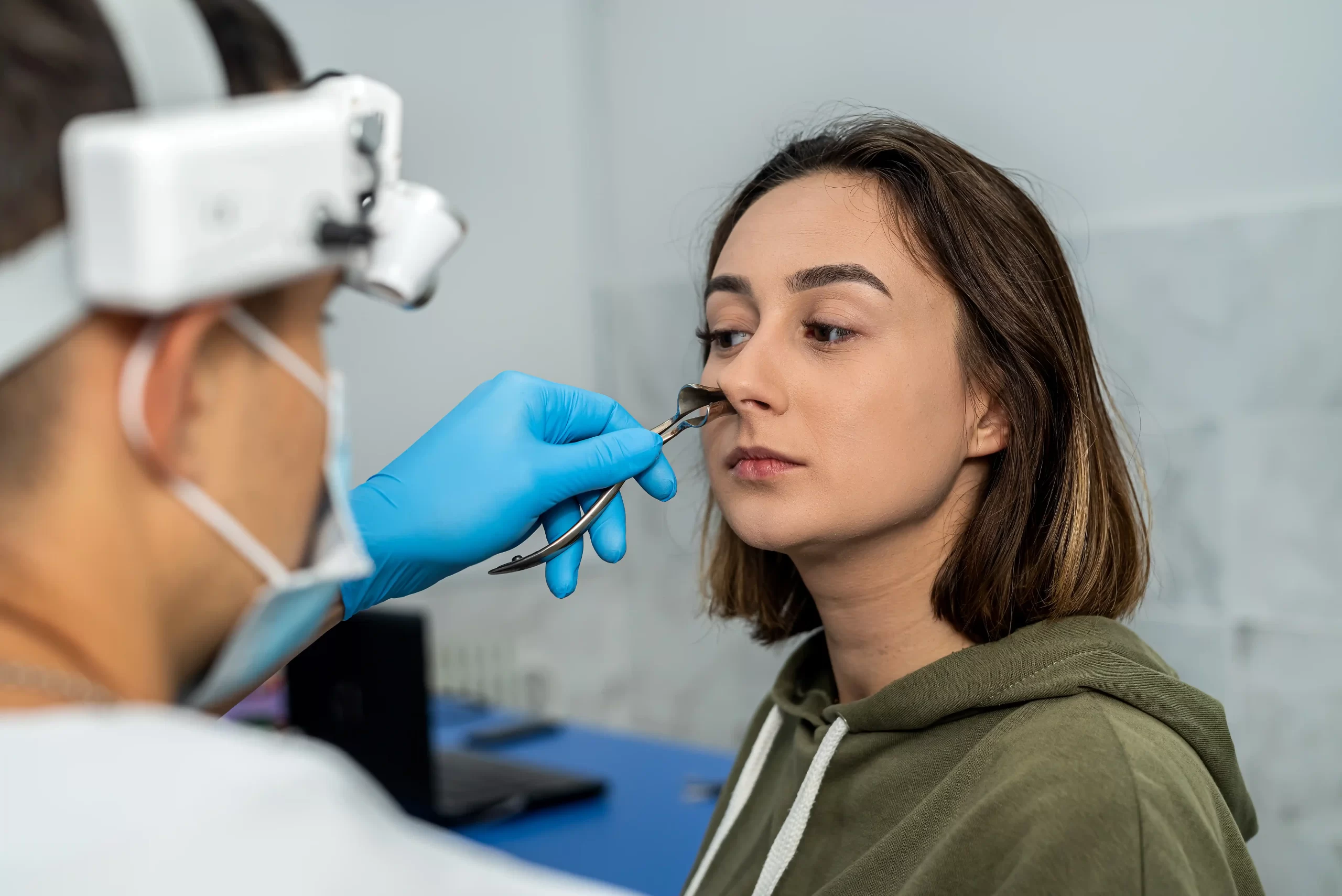
Choosing to undergo facial surgery is a significant decision, one that involves trust, expertise, and a clear vision for the future. For many, the journey to restoration or enhancement leads them across borders to find the perfect combination of skill and value. Istanbul has rapidly become a leading destination for medical procedures, attracting patients globally. This is not just for common cosmetic treatments but for highly complex reconstructive surgeries that demand an exceptional level of precision. The city’s top surgeons offer a unique blend of advanced Western training and artistic sensibility, providing outcomes that can be truly life-changing. This guide is designed to provide a clear and thorough understanding of what facial reconstructive surgery in Turkey entails, helping you navigate the process with confidence.
The human face is our most personal and expressive feature; it is how we connect with the world and how the world recognizes us. When its structure or function is compromised by birth defects, traumatic injury, burns, or cancer treatment, the effects are deeply personal and can affect one’s confidence and quality of life. In recent years, facial reconstructive surgery in Turkey has emerged as a beacon of hope, offering a path back to normalcy and self-assurance. While the country is widely known for cosmetic procedures, its growing reputation in complex reconstructive medicine is built on the skills of a new generation of surgeons. These experts combine rigorous academic knowledge with a delicate artistic touch, making Istanbul a top choice for patients who need the highest standard of surgical care. This article explores the advanced techniques, the crucial role of microsurgery, and the reasons why so many international patients are choosing Turkey for their facial reconstruction journey.
The Surgeon’s Edge: Why Expertise Matters More Than Location
When it comes to facial reconstructive surgery, the stakes are incredibly high. Unlike routine cosmetic procedures, this type of surgery often involves working with damaged tissues, compromised blood flow, and delicate nerves. There is simply no room for error. The success of the procedure and the patient’s final outcome depend almost entirely on the surgeon’s training, experience, and specific skill set. This is why choosing the right surgeon is far more important than choosing a convenient location.
A surgeon’s background and specialized training are the foundation of their ability to handle complex cases. It is not enough to be a general plastic surgeon; true expertise in facial reconstruction requires a deep understanding of reconstructive microsurgery. This specialized field involves using a high-powered microscope to repair tiny blood vessels and nerves, a skill that is essential for transferring tissue from one part of the body to another to rebuild facial features. This level of precision is what separates an acceptable result from an exceptional one, ensuring that the reconstructed area not only looks natural but also functions correctly.
Assoc. Prof. Dr. Burak Sercan Erçin is a leading figure in this demanding field. His approach to facial reconstruction is defined by over a decade of experience and, more importantly, by his advanced training in reconstructive microsurgery. His expertise was significantly shaped by his time working with Dr. Pedro Cavadas, a world-renowned pioneer in reconstructive microsurgery. This fellowship provided Dr. Burak with invaluable experience in some of the most challenging surgical cases imaginable, including complex limb salvage, organ transplants, and intricate tissue transfers. This type of training is rare and gives him a unique ability to handle even the most severe facial injuries and defects.
For anyone considering facial reconstruction in Turkey, this background is a critical factor. It means that your surgeon is not just a plastic surgeon but a highly skilled microsurgeon. This distinction is vital because a microsurgeon can perform procedures that are beyond the scope of many other doctors. They can successfully execute free flap surgery, which involves moving a section of tissue, complete with its own blood supply, from a donor site on the body to the face and meticulously reconnecting the tiny arteries and veins under a microscope. They can also perform delicate nerve transfers to restore movement to a paralyzed face, allowing a patient to smile or blink again. Furthermore, they are capable of composite reconstruction, a complex process of rebuilding bone, muscle, and skin layers all in one procedure to restore both form and function. This comprehensive skill set ensures that every aspect of the reconstruction is addressed with the highest level of technical mastery.
Choosing a surgeon with this level of expertise provides peace of mind. It assures you that no matter how complex your situation is, you are in the hands of a professional who has the training and experience to achieve the best possible outcome. When it comes to your face, settling for anything less than a true expert is a risk not worth taking.
The Scope of Facial Reconstruction: Beyond Aesthetics
Facial reconstructive surgery is a diverse and highly specialized field that addresses a wide range of issues, from repairing defects left by cancer to correcting facial paralysis. The primary goal is always to restore normal function and appearance, helping patients regain their confidence and quality of life. In Turkey, surgeons like Dr. Burak treat a variety of complex conditions, using advanced techniques to achieve results that are both functional and aesthetically pleasing.
Post-Cancer Reconstruction (Mohs Defect Repair)
The removal of skin cancer, particularly through Mohs surgery, can leave significant defects on highly visible areas of the face like the nose, eyelids, and lips. Simply stitching these wounds closed can cause distortion, leading to functional problems such as a pulled-up lip that affects speech or a drooping eyelid that impairs vision. Proper reconstruction is essential to avoid these complications and restore a natural appearance. The approach to Mohs defect repair depends on the size and location of the defect.
For smaller defects, Dr. Burak often uses local flaps, which involve moving adjacent healthy skin to cover the wound. This technique is ideal because the skin from the surrounding area has a similar color and texture, resulting in a more seamless and natural-looking repair. The incisions are carefully planned to hide scars within the natural creases and lines of the face, making them virtually invisible once healed. For slightly larger defects, a skin graft may be used, where a thin layer of skin is taken from a less conspicuous area of the body, like behind the ear, and placed over the wound.
In cases of more extensive head and neck cancers that require the removal of larger sections of the jaw or cheek, a more complex approach is needed. This is where free flap surgery becomes crucial. For instance, to reconstruct a jawbone, a section of bone and tissue can be taken from the leg (known as a fibula flap). This flap, along with its artery and vein, is transferred to the face, and the blood vessels are reconnected to the vessels in the neck under a microscope. This advanced microsurgical technique allows for the complete reconstruction of a functional jaw, enabling the patient to chew, speak, and maintain a normal facial contour.
Facial Paralysis and Smile Reanimation
Facial paralysis, whether caused by Bell’s Palsy, a tumor, or trauma, can have a devastating impact on a person’s life. It affects not only their appearance but also their ability to express emotions, speak clearly, and even close their eye properly. Reanimating a paralyzed face is one of the most technically challenging areas of reconstructive surgery, requiring a deep understanding of facial anatomy and nerve function. The goal of smile reanimation is to restore facial symmetry and, most importantly, the ability to produce a voluntary, natural-looking smile.
The surgical approach depends on how long the paralysis has been present. If the condition is addressed relatively early, typically within 12 to 18 months, nerve transfers can be an effective solution. This procedure involves rerouting a healthy, functioning nerve, such as the masseter nerve (which controls a chewing muscle), and connecting it to the damaged facial nerve. Over time, the healthy nerve grows into the facial muscles, restoring their ability to move. This can bring back a significant amount of facial function, including the ability to smile and close the eye.
For cases of long-standing paralysis where the facial muscles have atrophied and can no longer be activated by a nerve transfer, a more complex procedure is required. The gracilis free muscle transfer is the gold standard for these situations. In this highly sophisticated microsurgical procedure, Dr. Burak transfers the gracilis muscle from the inner thigh to the face. The muscle, along with its artery, vein, and nerve, is carefully positioned to act as a new smile muscle. The blood vessels are connected to vessels in the face, and the nerve is connected to a healthy nerve on the opposite side of the face (cross-face nerve graft) or to the masseter nerve. This allows the patient to create a new, voluntary smile by clenching their jaw or smiling with the other side of their face. While it is a complex surgery with a longer recovery, the results can be life-changing, restoring a patient’s ability to express joy.
Burn Repair and Scar Management
Facial burns are among the most difficult injuries to treat, often resulting in severe scarring and contractures. A burn contracture occurs when the scar tissue tightens and pulls on the surrounding healthy skin, which can severely limit movement. On the face, this can prevent a person from fully opening their mouth, closing their eyes, or turning their neck. The primary goal of burn repair is to release these contractures to restore function, followed by procedures to improve the aesthetic appearance of the scars.
Dr. Burak, with his extensive experience in burn reconstruction, employs several techniques to manage these complex injuries. Z-plasty is a common surgical technique used to lengthen and break up tight, linear scars. By creating small, triangular flaps of skin and rearranging them, the scar line is changed from a straight line to a “Z” shape, which releases tension and increases mobility. For larger areas of scar tissue, tissue expansion is an effective option. This involves placing a silicone balloon expander under the healthy skin next to the scarred area. Over several weeks, the expander is gradually filled with saline, causing the skin to stretch and grow. Once enough extra skin has been created, the expander is removed, the scar tissue is excised, and the newly grown skin is used to cover the defect. This provides a superior cosmetic result because the new skin perfectly matches the color and texture of the surrounding facial skin.
In addition to surgical interventions, other treatments are used to improve the quality of the skin. Laser therapy can help reduce the redness and thickness of scars, while fat grafting can improve the texture and suppleness of the damaged skin. Dr. Burak’s approach is comprehensive, focusing first on restoring critical functions like eyelid closure and mouth opening, and then on refining the aesthetic outcome to help patients feel more comfortable and confident in their appearance.
Maxillofacial and Trauma Surgery
Facial trauma from accidents, assaults, or sports injuries can result in complex fractures of the facial bones, including the jaw, cheekbones, and eye sockets. These injuries require precise surgical intervention to restore the normal structure of the face and prevent long-term functional and aesthetic problems. Maxillofacial surgery is a specialized field that focuses on treating injuries and defects of the head, neck, face, and jaws.
Modern facial trauma reconstruction in Turkey relies heavily on advanced technology. Before surgery, 3D CT scans are used to create a detailed, three-dimensional model of the patient’s skull. This allows the surgeon to accurately assess the extent of the fractures and plan the surgery with incredible precision. Using this 3D model, custom titanium plates and screws can be designed and printed to perfectly match the patient’s unique anatomy. These custom implants ensure that the fractured bones are realigned and fixed in their correct position, which is essential for achieving perfect facial symmetry and restoring proper function, such as a correct bite.
During the surgery, the incisions are often made inside the mouth or along natural skin creases to minimize visible scarring. The fractured bones are carefully repositioned, and the custom plates are used to hold them in place while they heal. This meticulous approach not only ensures a good aesthetic outcome but also helps prevent complications like chronic pain, nerve damage, and problems with chewing or vision. The use of 3D planning and custom implants represents a significant advancement in facial trauma surgery, allowing for more predictable and successful results.
If you are looking for a surgeon with extensive experience in these complex procedures, consider reaching out to Assoc. Prof. Dr. Burak Sercan Erçin. He is an esteemed reconstructive surgeon in Istanbul with over 10 years of expertise in breast and burn reconstructive surgeries. With a specialization in Plastic, Reconstructive, and Aesthetic Surgery and a qualification diploma from EBOPRAS, MD. Burak has trained alongside some of the world’s leading reconstructive microsurgeons, including Dr. Pedro Cavadas. His commitment to excellence in both clinical practice and academic research means he provides his patients with the highest quality care possible. Book a consultation today and take the first step towards your physical transformation.
Dr. Burak offers a wide range of treatments in Turkey, including PRP Treatment (Platelet Rich Plasma), Breast Augmentation Surgery, Preservé™ Breast Augmentation, Breast Lift Surgery, Breast Reduction Surgery, Male Breast Reduction Surgery, Nose Aesthetics (Rhinoplasty), Almond Eye Surgery (Canthoplasty), and various Non-Surgical Aesthetics like Botox, Skin Rejuvenation (Microdermabrasion), Gummy Smile Botox, HIFU, Phototherapy (IPL), Chemical Peeling, Masseter Botox, and Mesotherapy. His surgical expertise also covers Brow Lift Surgery, Prominent Ear Surgery (Otoplasty), Chin and Face Correction, Facial Feminization (FFS), Eyelid Aesthetics (Blepharoplasty), Lip Lift, Face Lift Surgery, including the Endoscopic Face Lift, Facial Masculinization (FMS), and the Alpha Male Treatment. For the body, he offers Mommy Makeover, Liposuction, Vaginoplasty, Labiaplasty, and Sex Reassignment Surgery. His reconstructive work includes Jaw Surgery, treatments for Congenital Anomalies, Post-Cancer Reconstruction, Abdominal and Torso Reconstruction, Microsurgery, Revision Surgery, Hand Surgery, Bone Disease Treatments, Facial Paralysis treatments, Burn Repair Treatments, Leg Lift Surgery, Brazilian Butt Lift (BBL), Abdominoplasty (Tummy Tuck Surgery), Arm Lift Surgery (Brachioplasty), and treatments for Chronic Wound Treatments.
Advanced Techniques: The “Preservé™” Philosophy
The field of plastic surgery is constantly evolving, with a growing emphasis on techniques that produce natural-looking results while minimizing trauma to the body. The modern approach, particularly in 2026, is centered around the concept of preservation. This philosophy moves away from the old methods of aggressive tissue removal and pulling, which often resulted in an unnatural, “overdone” appearance. Instead, the focus is on respecting the body’s natural anatomy, preserving blood supply, and repositioning tissues to restore a youthful and harmonious look. Dr. Burak is a strong advocate of this approach, incorporating the Preservé™ concept into his work. While often associated with breast augmentation, this philosophy is equally applicable to facial soft tissue and guides his surgical techniques.
The core principle of the Preservé™ philosophy is to maintain the integrity of the body’s tissues. This means using surgical techniques that are as minimally invasive as possible, carefully preserving the delicate network of blood vessels and nerves. By doing so, the tissues heal faster, with less swelling and bruising, and the risk of complications like tissue death (necrosis) is significantly reduced. This approach not only leads to a quicker recovery but also produces results that are more sustainable and natural-looking over the long term.
Microsurgery: The Invisible Hero
At the heart of complex reconstruction and the preservation philosophy is microsurgery. This is the “invisible hero” that makes many advanced procedures possible. Using a powerful operating microscope, the surgeon can see and manipulate structures that are too small to be seen with the naked eye, such as blood vessels and nerves that are less than a millimeter in diameter. This incredible precision is what allows for the successful transfer of tissue from one part of the body to another, a cornerstone of modern reconstructive surgery.
The benefits of a microsurgical approach are numerous. One of the most significant is reduced scarring. By ensuring a perfect blood supply to the transferred tissue, it heals more reliably and with less inflammation, leading to finer, less noticeable scars. More importantly, microsurgery is key to functional restoration. In cases of facial paralysis, for example, reconnecting nerves is what allows a patient to regain movement and express emotion. In post-cancer reconstruction of the jaw, reconnecting the blood supply to the new bone graft is what ensures it integrates properly and can support dental implants. Microsurgery transforms a static, purely aesthetic repair into a dynamic, functional reconstruction, giving patients back not just their appearance, but their ability to live a normal life.
Regenerative Medicine: PRP and Fat Grafting
To further enhance and refine the results of surgery, Dr. Burak integrates cutting-edge techniques from the field of regenerative medicine. Two of the most effective treatments are PRP (Platelet Rich Plasma) and Nano-Fat Grafting. These procedures use the body’s own healing capabilities to rejuvenate tissues, improve skin quality, and add subtle volume where it is needed.
PRP therapy involves drawing a small amount of the patient’s blood, spinning it in a centrifuge to concentrate the platelets, and then injecting this platelet-rich plasma back into the treatment area. Platelets are rich in growth factors, which are proteins that stimulate cell growth and tissue repair. When injected into the skin, PRP can help improve skin texture, reduce fine lines, and promote healing after surgery. It is a natural way to boost the body’s regenerative processes.
Fat grafting, also known as fat transfer, involves harvesting a small amount of fat from one area of the body (like the abdomen or thighs) through liposuction, purifying it, and then injecting it into another area that needs volume or improved texture. What makes this technique particularly powerful is that fat is a rich source of stem cells. These remarkable cells have the ability to develop into many different types of cells and can help repair and regenerate damaged tissues. This is especially beneficial for skin that has been damaged by radiation during cancer treatment, as it can improve elasticity, reduce scarring, and restore a healthier, more youthful appearance. Nano-fat grafting is an even more refined version of this technique, where the fat is processed into a very fine liquid that can be injected superficially to improve the quality of the skin itself. By combining these regenerative treatments with surgery, Dr. Burak can achieve results that are not only aesthetically pleasing but also promote the long-term health and vitality of the tissues.
Aesthetic Procedures with a Reconstructive Foundation
Many patients travel to Turkey seeking aesthetic enhancements to improve their appearance and boost their confidence. However, the best and most natural-looking aesthetic results often come from surgeons who have a deep, foundational understanding of reconstructive surgery. A surgeon trained in reconstruction possesses an intricate knowledge of the underlying anatomy—the muscles, nerves, and blood vessels that lie beneath the skin. This expertise allows them to perform cosmetic procedures with a level of precision and care that goes beyond simply altering the surface appearance. Dr. Burak offers a full range of aesthetic procedures, and his background in reconstructive microsurgery gives him a unique advantage in delivering superior, long-lasting results.
Rhinoplasty: Form and Function
The nose is the central feature of the face, and Nose Aesthetics (Rhinoplasty) is one of the most popular cosmetic surgeries worldwide. However, a successful rhinoplasty is about more than just creating a smaller or more refined nose; it is about achieving a result that is in harmony with the rest of the face while preserving or improving nasal function. A reconstructive surgeon understands that form and function are inseparable. Whether the goal is to correct a cosmetic concern, repair a nose damaged by trauma, or rebuild a nasal structure compromised by cocaine use, the approach must be structural.
The modern standard for rhinoplasty, and a technique frequently used by Dr. Burak, is Piezo (Ultrasonic) Rhinoplasty. This advanced technology uses high-frequency sound waves to precisely sculpt and reshape the nasal bones without damaging the surrounding soft tissues, such as skin, cartilage, and blood vessels. This gentle approach results in significantly less bruising and swelling compared to traditional methods that use a hammer and chisel. The recovery is faster, and the results are more predictable and refined. By focusing on the underlying structure, Dr. Burak can create a nose that not only looks beautiful and natural but also allows the patient to breathe freely.
Facial Feminization (FFS) and Masculinization (FMS)
Gender affirmation surgery is a profoundly important and transformative process for many individuals. These procedures are “reconstructive” in the truest sense, as they aim to align a person’s physical appearance with their internal gender identity. This requires a surgeon with both technical skill and an artistic eye for the subtle differences that define masculine and feminine facial features.
Facial Feminization Surgery (FFS) is a combination of procedures designed to soften facial features and create a more feminine appearance. This can include Brow Lift Surgery and forehead contouring to reduce a prominent brow bone, Jaw Surgery to narrow and contour the jawline, and a tracheal shave to reduce the size of the Adam’s apple. Each procedure is carefully planned to create a harmonious and natural-looking feminine profile.
Conversely, Facial Masculinization Surgery (FMS) focuses on creating a stronger, more angular facial structure. This often involves procedures for Chin and Face Correction, such as augmenting the chin and jawline with implants or through osteotomies (surgically cutting and reshaping the bone) to create a wider, more defined lower face. A reconstructive surgeon’s understanding of bone structure and facial anatomy is critical to achieving these results safely and effectively.
The Anti-Aging Suite
As we age, the effects of gravity, sun exposure, and genetics become more apparent. For those looking to turn back the clock, modern surgical and non-surgical options can provide remarkable, natural-looking rejuvenation. Dr. Burak’s expertise in deep facial anatomy allows him to offer the most effective anti-aging treatments.
The Deep Plane Face Lift is considered the gold standard in facial rejuvenation. Unlike traditional facelifts that only tighten the skin, this advanced technique repositions the deeper layer of muscle and tissue known as the SMAS. By lifting this foundational layer, the result is much more natural and lasts significantly longer—often 10 years or more. It avoids the “pulled” or “wind-tunnel” look and instead restores the youthful contours of the face in a way that looks completely authentic.
For patients with concerns primarily in the upper face, an Endoscopic Face Lift offers a minimally invasive alternative. Using small incisions hidden in the hairline and a tiny camera, the surgeon can lift and rejuvenate the brow and forehead area with minimal scarring and a quicker recovery time.
To complement surgical procedures or for those not yet ready for surgery, Dr. Burak offers a suite of Non-Surgical Aesthetics for maintenance and enhancement. These include Botox to relax wrinkles, Masseter Botox for jaw slimming and to treat teeth grinding, HIFU (High-Intensity Focused Ultrasound) for skin tightening, and Mesotherapy to deliver vitamins and nutrients directly into the skin for a radiant glow. This comprehensive approach ensures that every patient can achieve their aesthetic goals, whether through surgery, non-invasive treatments, or a combination of both.
Why Turkey? The 2026 Medical Tourism Landscape
In recent years, Istanbul has firmly established itself as a global capital for medical tourism, and the reasons for this are clear. Patients from all over the world, including the UK, USA, and Europe, are choosing Turkey for their surgical needs, drawn by a compelling combination of cost, quality, and technology. This “Value Triangle” makes it possible to receive world-class medical care at a fraction of the price it would cost in their home countries.
The most immediate advantage is the significant cost savings. Due to a favorable exchange rate and lower operational expenses, medical procedures in Turkey are substantially more affordable. For example, a complex rhinoplasty that might cost between £8,000 and £12,000 in the UK can be performed in Turkey for approximately €3,000 to €5,000. A deep plane facelift, which can run upwards of £15,000 to £25,000 in the UK or even more in the USA, is typically available for €5,000 to €8,000. For major facial reconstruction, the savings are even more dramatic; a procedure that could exceed $50,000 in the United States might cost between €8,000 and €15,000 in Turkey. These savings can be as high as 70-75%, making top-tier surgery accessible to a much wider range of people without any compromise on quality.
This affordability does not come at the expense of quality. In fact, the hospital infrastructure in Istanbul is exceptionally high. Dr. Burak operates exclusively in JCI-Accredited hospitals. This accreditation from the Joint Commission International is the global gold standard for healthcare quality and patient safety, meaning these facilities are held to the same rigorous standards as the best hospitals in the United States and Western Europe. These hospitals are often ultra-modern, equipped with the latest medical technology, such as state-of-the-art Zeiss microscopes for microsurgery and advanced 3D Vectra imaging systems for surgical planning. Patients often find that the facilities surpass those available in their own countries.
Finally, the entire process is designed to be seamless and stress-free for international patients. The concept of the “all-inclusive” experience is a hallmark of medical tourism in Turkey. When you book a procedure, the package typically includes everything you need for a comfortable journey. This often starts with VIP airport transfers that take you directly from the airport to your hotel. Accommodation is usually arranged in 4 or 5-star hotels, allowing you to recover in comfort. The packages also cover all pre-operative testing, post-operative medications, and necessary follow-up appointments. Crucially, a dedicated team provides 24/7 translation and patient support, ensuring there are no language barriers and that you have assistance whenever you need it. This comprehensive level of service allows patients to focus solely on their recovery, knowing that all the logistical details are being expertly handled.
The Patient Journey: What to Expect
Traveling to another country for surgery, especially for a complex reconstructive procedure, can feel daunting. Building a relationship of trust with your surgeon and their team is essential. The process is designed to be clear, supportive, and transparent from the very beginning. Here is a step-by-step overview of the typical patient journey when you choose Dr. Burak for your surgery in Istanbul.
Phase 1: Virtual Consultation
The journey begins from the comfort of your own home. The initial step is a virtual consultation. You will be asked to provide your medical history and clear photographs of the area you wish to have treated. This information is sent through a secure and confidential channel to ensure your privacy. Unlike many clinics where you might speak with a consultant, Dr. Burak personally reviews every case, which is especially crucial for complex reconstructive surgeries. He will assess your specific needs and goals, determine if you are a good candidate for the procedure, and develop a preliminary surgical plan. Based on this evaluation, you will receive a detailed price quote that outlines all the costs involved. This first phase allows you to get expert medical advice and a clear understanding of the proposed treatment plan without having to travel.
Phase 2: Arrival and Pre-Op
Once you decide to proceed, the team will help you coordinate your travel dates. Upon your arrival at the airport in Istanbul, a driver will be waiting to provide a private transfer to your hotel, ensuring a smooth and stress-free start to your trip. The day before your surgery, you will have your in-person consultation with Dr. Burak. This is a vital step where he will perform a thorough physical examination, discuss the surgical plan in detail, and answer any remaining questions you may have. For facial surgeries, he may use 3D simulation technology to help you visualize the expected results. This meeting is all about ensuring you feel comfortable, informed, and confident about the procedure ahead. All necessary pre-operative tests, such as blood work, will also be completed at this time.
Phase 3: Surgery and Hospital Stay
Your surgery will take place in a fully accredited, modern hospital. The length of your hospital stay will depend on the complexity of your procedure. For most aesthetic surgeries, an overnight stay of one night is typical. For more extensive reconstructive surgeries, especially those involving microsurgery like free flap transfers, a hospital stay of 1-3 nights may be required. During this time, you will be under close medical supervision. For microsurgery cases, the nursing staff will perform regular checks on the blood flow to the newly transferred tissue using a Doppler device for the first 24-48 hours. This vigilant monitoring is critical to ensure the success of the surgery and a smooth initial recovery.
Phase 4: Recovery in Istanbul
After being discharged from the hospital, you will continue your recovery in Istanbul at your hotel for a period of 7 to 10 days. The length of stay is determined by your specific procedure and is designed to ensure you are fully ready to travel home safely. During this time, you will have follow-up appointments with Dr. Burak to monitor your healing progress. He will check your incisions, remove any drains if they were used, and provide you with detailed post-operative care instructions. This period allows for the most critical phase of healing to occur under the watchful eye of your surgeon. Dr. Burak will only give you clearance to fly home once he is confident that you are healing well and it is completely safe for you to do so.
Safety and Ethics: Choosing the Right Surgeon
The rapid growth of medical tourism in Turkey has unfortunately led to a rise in the number of clinics and agencies, not all of which operate at the same high standard. It is absolutely essential for patients to do their research and understand the difference between a “health tourism agency,” which may prioritize sales, and a highly qualified, academic surgeon who prioritizes patient care and safety above all else. Your health and your results depend on making the right choice.
When selecting a surgeon, credentials are non-negotiable. One of the most important qualifications to look for is the EBOPRAS Diploma. This certification from the European Board of Plastic Reconstructive and Aesthetic Surgery is recognized as the gold standard of excellence in Europe. It signifies that the surgeon has undergone a rigorous training and examination process and adheres to the highest European standards of practice, safety, and ethics. It is a powerful indicator of a surgeon’s commitment to their profession.
Another key differentiator is the surgeon’s academic involvement. Choosing a surgeon with an academic rank, such as an Associate Professor, means you are selecting a doctor who is actively involved in research, teaching the next generation of surgeons, and contributing to the advancement of medical science. This ensures they are constantly up-to-date with the latest techniques and scientific breakthroughs in their field. It reflects a dedication to continuous learning and a deep, intellectual engagement with their specialty.
Finally, for complex reconstructive cases, specialized fellowship training is a critical distinction. Dr. Burak’s microsurgery fellowship with the world-renowned Dr. Pedro Cavadas is a rare and prestigious qualification. This type of intensive, hands-on training in the most difficult and demanding surgical scenarios provides a level of skill and problem-solving ability that cannot be gained in standard residency programs. It is a clear signal that your surgeon is equipped to handle the highest level of complexity with confidence and expertise. By prioritizing these qualifications, you ensure you are placing your trust in a true expert dedicated to achieving the best and safest possible outcome for you.
Conclusion: Restoring Your Narrative
Facial reconstructive surgery is about much more than just repairing tissue and bone; it is about restoring a person’s identity, confidence, and ability to face the world on their own terms. It is about reclaiming your personal narrative. Whether you are seeking to heal from the effects of an accident, correct a congenital condition that has affected you for years, or refine your appearance with an advanced procedure like a Deep Plane Face Lift, the single most important factor in your success is the skill and expertise of your surgeon.
Istanbul, Turkey, presents a remarkable opportunity to access this world-class surgical expertise, particularly in the demanding field of microsurgery, at a cost that is significantly more manageable than in many other parts of the world. With Assoc. Prof. Dr. Burak Sercan Erçin, you are not just choosing a surgeon; you are choosing a dedicated partner in your journey. His commitment to clinical excellence, patient safety, and compassionate care ensures that you will be supported every step of the way.
Do not let physical trauma, a medical condition, or insecurity continue to define your life. The path to restoration and renewal is within reach. Take the first step towards your physical transformation and rediscover the confidence that comes with feeling whole again. Your future is waiting, and it is one where you can feel proud and comfortable in your own skin. Book A Consultation with Dr. Burak Today and begin writing the next chapter of your story.
Frequently Asked Questions (FAQ)
Is facial reconstructive surgery in Turkey safe?
Yes, facial reconstructive surgery in Turkey is extremely safe when you choose a properly qualified and experienced surgeon who operates in an accredited hospital. Turkey has become a global leader in medical services, with many of its hospitals holding JCI (Joint Commission International) accreditation, which is the highest international standard for patient safety and quality of care. It is crucial to select a surgeon with verifiable credentials. For instance, Dr. Burak is EBOPRAS qualified, which guarantees he meets the rigorous European standards for plastic, reconstructive, and aesthetic surgery, ensuring you receive care that is on par with the best in the world.
How much cheaper is facial surgery in Turkey compared to the UK or USA?
On average, patients can expect to save between 50% and 70% on facial surgery in Turkey compared to costs in the UK or USA. This significant price difference is due to the lower cost of living and operational expenses, not a compromise in quality. For example, a complex facelift or reconstruction that might cost £20,000 in the UK or over $40,000 in the USA can often be performed for between €6,000 and €9,000 in Turkey. These prices are often part of an all-inclusive package that also covers accommodation, airport transfers, and other logistical needs, providing exceptional value.
What is the difference between cosmetic and reconstructive surgery?
The primary difference lies in the goal of the procedure. Cosmetic surgery, such as a standard rhinoplasty or facelift, is performed to enhance a person’s appearance and is elective. Reconstructive surgery, on the other hand, is performed to repair defects and restore normal function and appearance after trauma, cancer removal, burns, or due to congenital anomalies. Its main purpose is to correct abnormalities. Dr. Burak is a specialist in both fields. He often applies his deep knowledge of reconstructive techniques to his cosmetic procedures to achieve more natural and structurally sound results, and he uses his aesthetic sensibility to ensure his reconstructive work is as visually pleasing as possible.
How long do I need to stay in Turkey for facial reconstruction?
The required length of stay in Turkey depends on the extent of your surgery. For less invasive procedures like Eyelid Aesthetics (blepharoplasty) or minor scar revisions, a stay of 5 to 7 days is generally sufficient for the initial healing and removal of stitches. For major reconstructive surgeries, such as a Free Flap surgery for jaw reconstruction or a muscle transfer for facial paralysis, a longer stay of 10 to 14 days is recommended. This allows your surgeon to monitor your recovery closely during the most critical healing phase and ensure you are safe and ready to travel home.
Does Dr. Burak perform revision surgeries?
Yes, Revision Surgery is a very important part of Dr. Burak’s practice. He has extensive experience treating patients who are unhappy with the results of previous surgeries performed elsewhere. These cases are often more complex than primary surgeries because of existing scar tissue and altered anatomy. Dr. Burak utilizes his advanced microsurgical skills and deep understanding of facial structures to correct functional issues, improve aesthetic outcomes, and help patients finally achieve the results they were hoping for.
This content was written by Assoc. Prof. Dr. Burak Sercan Erçin in line with clinical experience and current medical literature. It is intended for general informational purposes only and does not constitute medical advice. A personal consultation with Dr. Erçin is recommended for individual assessment.
Faculty Member · Bahçeşehir University
Graduate of Ege University Faculty of Medicine, Assoc. Prof. Dr. Erçin completed advanced fellowships at Tampa General Hospital (USA) under Dr. Deniz Dayıcıoğlu in breast reconstruction and burn surgery, and at the clinic of Dr. Pedro Cavadas in Valencia, Spain in reconstructive microsurgery. After passing the EBOPRAS examination in 2018, he joined Bahçeşehir University as a faculty member and continues his private practice on Bağdat Avenue, Istanbul, specialising in face, breast and body aesthetics alongside complex reconstructive surgery.