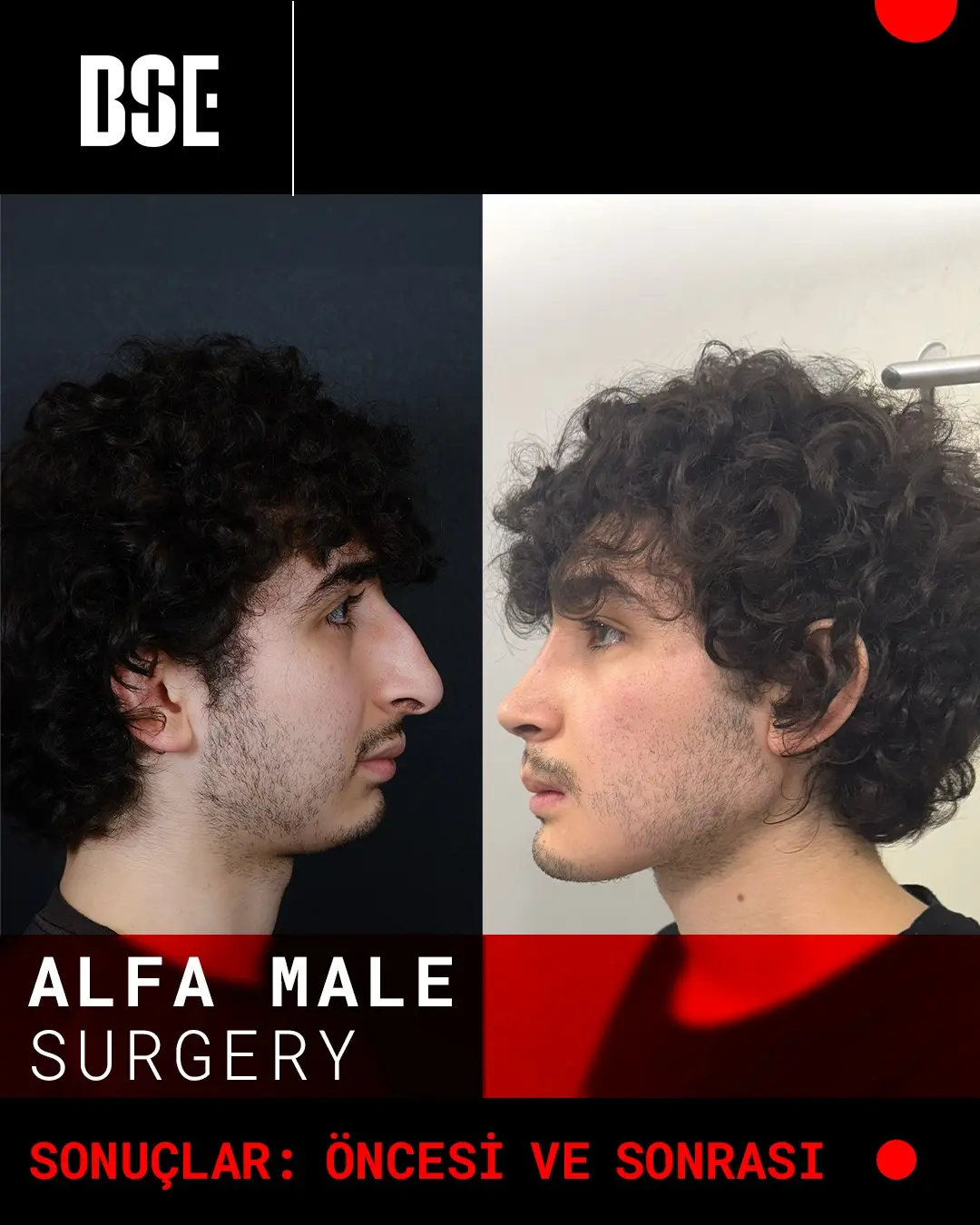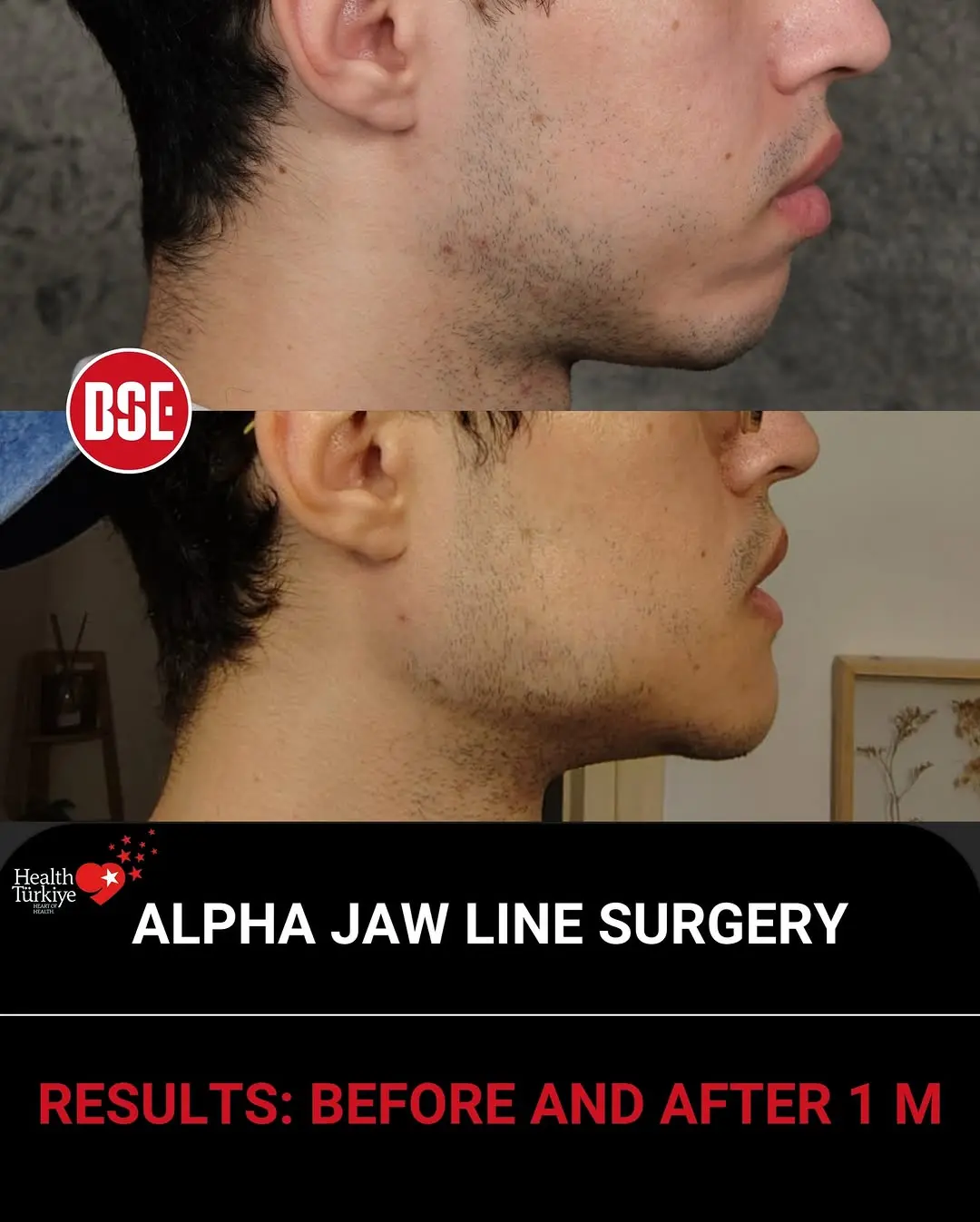
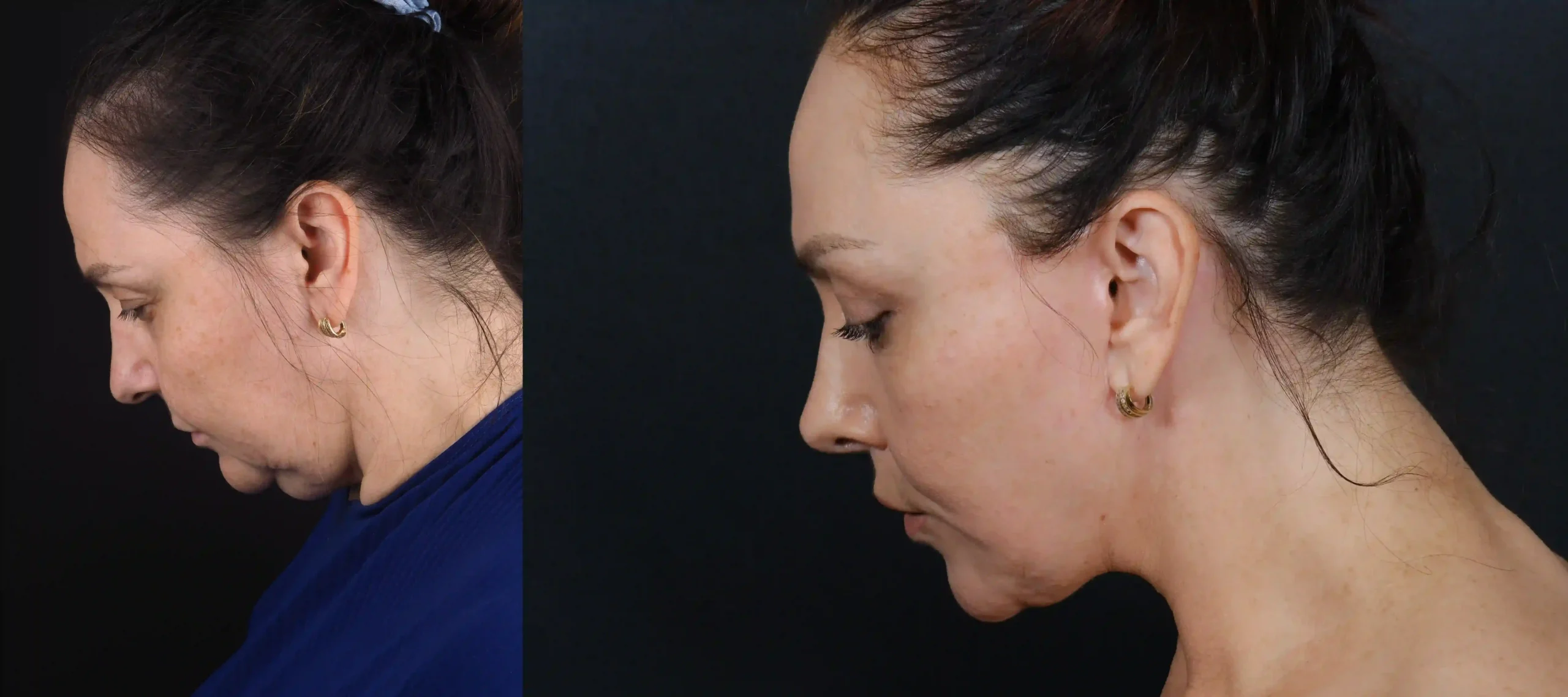
This article was written by Assoc. Prof. Dr. Burak Sercan Erçin and is based on clinical experience. A specialist in Plastic, Reconstructive and Aesthetic Surgery; prepared in accordance with current medical literature and personal surgical data. A consultation is recommended before making any medical decisions.

Neck “fat” is often a mix of superficial submental fat, deeper fat beneath the platysma, loose skin, and muscle banding—and each component responds to different treatments. Surgical neck lift reliably addresses multiple layers (fat + muscle + skin) at once, while non-surgical approaches tend to produce modest improvements and work best when the issue is mild and skin quality is good.
Evidence-based conservative strategies (calorie deficit and overall fat loss, posture/photography mechanics, skin care, and select in-office treatments) can meaningfully improve many people’s profile within 8–12 weeks, especially when submental fullness is partly due to overall body-fat level. However, spot reduction (doing “neck exercises to melt neck fat”) is not strongly supported; localized muscle work may improve posture and tone, but fat loss is primarily systemic.
Among non-surgical clinic options, deoxycholic acid injections (Kybella) are the only FDA-approved “fat-dissolving” injectable for the submental area, typically requiring up to 6 sessions spaced ≥1 month apart, with predictable swelling and key safety considerations (including risk of nerve injury and dysphagia). Cryolipolysis (CoolSculpting for the submental region) can show visible change as early as 4 weeks with “most dramatic” results around 1–3 months, but has important contraindications (cold-related blood disorders) and rare complications including paradoxical adipose hyperplasia (reported in the manufacturer safety document at about 1 in 3,000 treatments). Energy-based tightening (radiofrequency or microfocused ultrasound) is best understood as skin laxity/tightening support rather than primary “fat removal,” and results are usually subtle-to-moderate and depend heavily on baseline laxity.
For surgery, the American Society of Plastic Surgeons reports an average surgeon fee for neck lift around $7,885 (not including anesthesia/facility fees), and its 2024 fee ranges list $7,500–$13,000 for neck lift surgeon/physician fees. In Turkey, publicly advertised package quotes commonly cluster around roughly $6,700–$11,300 depending on technique and inclusions (hospital/hotel/transfers), but these are market estimates and vary substantially.
Turkey is a major aesthetic destination: the International Society of Aesthetic Plastic Surgery reports medical tourism averages around 29.6% for Türkiye in its 2024 survey (meaning a sizable share of patients are from other locations, depending on reporting methodology). The key strategic trade is speed and magnitude of result (surgery) versus lower risk and habit-building durability (lifestyle). Medical travel adds extra layers: accreditation verification, complication planning, travel-related clot-risk mitigation, and aftercare continuity.
Unspecified items that materially change the “best choice” include age, skin elasticity, medical history/medications (especially bleeding risk, clot risk, diabetes, thyroid disease), smoking/nicotine use, budget, timeline, and your aesthetic goal (sharper cervicomental angle vs mild refinement). Dr. Burak Sercan will be of help anytime you deem fit.
Causes and anatomy of Neck Fat
A “double chin” look is often an anatomy problem, not just a “diet problem.” The visible contour under the chin is shaped by layered structures:
Subcutaneous (pre-platysmal) fat. Classic “submental fat” exists above the platysma and can be relatively discrete; this is the portion most amenable to liposuction, deoxycholic acid injections, and some non-invasive fat reduction.
Subplatysmal fat and deeper structures. Below the platysma sit deeper fat compartments and structures like digastric muscles and submandibular glands; these deeper contributors can create fullness that does not respond well to surface-only approaches.
Platysma muscle banding and separation. Aging and tissue laxity can make vertical “platysmal bands” more visible; these are a muscle/structural issue, not a fat issue.
Skin laxity and texture. Even if fat decreases, loose skin can remain (or become more noticeable after weight loss or fat reduction), changing the perceived contour.
Bone and neck posture mechanics. Chin projection, hyoid position, and habitual head/neck posture can change the cervicomental angle and the way soft tissue “bunches,” affecting photos and day-to-day appearance even without changes in fat mass.
A practical clinical takeaway: before choosing a method, confirm what is actually causing the convexity. The Kybella label explicitly instructs clinicians to screen for other causes of submental fullness (e.g., thyroid enlargement or cervical lymphadenopathy) and to consider whether skin laxity or prominent platysmal bands could make fat reduction alone aesthetically undesirable.


Evidence-based non-surgical approaches
Non-surgical approaches work best when (1) the issue is mostly superficial fat, (2) skin still has decent elastic recoil, and (3) expectations are “refinement,” not “surgical-level reshaping.”
Comparison table of conservative and non-surgical options
| Approach | What it targets | Typical effectiveness (realistic) | Timeline to see change | Key contraindications / “not ideal if…” | Durability |
|---|---|---|---|---|---|
| Calorie deficit + overall weight loss | Systemic fat (including submental if weight-related) | Often meaningful if you are above your comfortable weight; neck change varies by genetics/skin | First visible changes often 4–8 weeks; more at 8–12 weeks with adherence | Avoid extreme crash diets; individualized cautions if eating disorders, pregnancy, underweight, certain medical conditions | Durable if weight is maintained |
| Targeted “neck fat” exercises | Muscle tone/posture (not direct “fat melting”) | Spot reduction is not strongly supported; potential small local effects are inconsistent | Posture/toning changes can be noticed in weeks | Cervical spine pain/nerve symptoms need clinician guidance | Durable if habits maintained |
| Posture retraining (forward head correction) | Apparent contour + cervicomental angle in daily life/photos | Can meaningfully improve appearance even without fat change | Days–weeks | Not a fat-loss method; seek evaluation for persistent pain | Durable with practice |
| Skin care (photoprotection + retinoids) | Skin texture, fine wrinkling, photoaging | Helps skin quality; won’t remove fat | Weeks–months | Irritation possible; retinoids require gradual introduction | Durable with ongoing use |
| Deoxycholic acid injections (Kybella) | Submental subcutaneous fat (cell lysis) | Moderate improvement for appropriate candidates; multiple sessions common | Treatments spaced ≥1 month; assessed ~12 weeks after final treatment in trials | Infection at injection site; caution: dysphagia history, bleeding risk, significant skin laxity or platysmal bands | Fat cell destruction is permanent, but weight gain can enlarge remaining cells |
| Cryolipolysis (CoolSculpting submental) | Local fat bulge; may affect appearance of lax tissue for submental per labeling | Mild–moderate improvement; sometimes 2 treatments | As early as 4 weeks; most dramatic 1–3 months; can take up to 6 months | Cold-related blood disorders (cryoglobulinemia, cold agglutinin disease, paroxysmal cold hemoglobinuria); plus other cautions listed in ISI | Long-lasting if weight stable; rare PAH may require surgery |
| Radiofrequency (RF) tightening | Dermal heating → collagen remodeling; some devices target fat | Best for mild–moderate laxity; fat reduction evidence exists but is device-specific | Often gradual over 2–6 months; multiple sessions common | Implanted electrical devices can be an issue for some modalities; pregnancy often excluded by manufacturers | Maintenance may be needed |
| Microfocused ultrasound with visualization (MFU‑V / “Ultherapy-type”) | Lifting/tightening tissue planes; not primary fat removal | Best for mild laxity; subtle lift, not a “neck lift” | Gradual; up to ~3 months; commonly described as lasting ~1 year+ depending on protocol | Contraindications vary by device/IFU; transient nerve effects reported in trials/marketing materials | Often maintenance at ~12–18 months |
Diet and weight loss: what’s evidence-based and measurable
A standard evidence-based approach is a consistent calorie deficit (not an “exercise-only” or supplement-driven plan). The National Institutes of Health practical guideline notes low-calorie diets as a core tool for weight reduction and distinguishes them from very-low-calorie diets (<800 kcal/day), which require special caution and clinical context. The Centers for Disease Control and Prevention emphasizes that healthy weight loss is multi-component: eating pattern, physical activity, sleep, and stress management.
When weight loss helps the neck most: if submental fullness increased with overall weight gain, or if you have mild-to-moderate submental fat with reasonable skin elasticity.
When weight loss helps less: when the dominant issue is skin laxity, platysmal bands, or deep structural fullness (e.g., low glands), where losing fat can even unmask laxity.
Targeted exercises: what they can and can’t do
The belief that exercising a body part selectively burns fat in that area (“spot reduction”) is widely contested. A systematic review/meta-analysis on exercise-induced localized fat reduction reports little overall support for consistent localized fat loss from training specific areas.
That said, neck and upper-back strengthening can still matter because the appearance of submental tissue is strongly influenced by head/neck position. Think of exercises as “posture and support,” not “fat melting.”
Injectables: Kybella (deoxycholic acid) and safety realities
Kybella is the only FDA-approved fat-dissolving injectable for the “double chin” area, and FDA explicitly warns that non-approved fat-dissolving injections can be harmful. The label highlights several critical points:
- Dosing is via multiple small injections; up to 6 treatments may be administered at intervals no less than 1 month apart.
- It should not be used if infection is present at injection sites.
- Safety concerns include marginal mandibular nerve injury (asymmetric smile/weakness) and dysphagia, which occurred in trials; patients with current/prior dysphagia were excluded from trials and the label advises avoiding use in them.
- Clinicians are instructed to screen for other causes of submental fullness and to consider whether skin laxity or platysmal bands make fat reduction alone undesirable.
Phase III randomized trial evidence supports efficacy for appropriately selected patients with moderate-to-severe submental fat, using validated clinician- and patient-reported rating scales.
Cryolipolysis: timeline, contraindications, and rare but real complications
The official consumer safety information for CoolSculpting states:
- It is not a weight loss treatment and does not replace diet/exercise.
- You may see changes as early as 4 weeks, with the “most dramatic” results after 1–3 months, and results can take up to 6 months to become visible.
- You should not be treated if you have cryoglobulinemia, paroxysmal cold hemoglobinuria, or cold agglutinin disease.
- A rare complication, paradoxical hyperplasia (paradoxical adipose hyperplasia / PAH), is described as a gradual enlargement of tissue volume in the treated area months after treatment that will not resolve on its own and may require surgical intervention; the document provides an estimate of ~1 in 3,000 treatments.
Clinical studies supporting submental cryolipolysis include pivotal evaluations leading to FDA clearance for submental fat treatment.
Radiofrequency and ultrasound: tightening vs fat reduction
Radiofrequency tightening is described by Cleveland Clinic as a nonsurgical method to firm sagging skin. Some RF modalities also show measurable submental fat reduction in studies (often device-specific), such as microneedle RF used for submental fat with short follow-up.
Microfocused ultrasound with visualization (MFU‑V) is FDA-cleared to lift lax submental and neck tissue (and other indications), per FDA 510(k) documentation for the Ulthera system. Evidence and reviews commonly describe results as gradual and typically lasting on the order of ~1 year in many protocols, with variability.
Key practical point: If your main issue is fat, choose fat-targeting modalities (weight loss, deoxycholic acid, cryolipolysis, lipo). If your main issue is loose skin/banding, prioritize tightening/structural options (RF/MFU‑V for mild, surgery for moderate–severe).
Surgical neck lift procedures
A neck lift (lower rhytidectomy) is designed to improve visible signs of aging and contour issues in the jawline/neck region. Unlike single-modality non-surgical treatments, surgery can address fat + muscle + skin in one plan, which is why it tends to be the most effective option for moderate-to-severe laxity or banding.
Main surgical components and what they do
Liposuction (submental/chin lipo). Targets superficial fat; best for patients with good skin elasticity. Risks include contour irregularities and (rarely) nerve injury; careful technique and patient selection matter.
Platysmaplasty. Tightens or repositions the platysma muscle to address banding and improve the cervicomental angle; commonly combined with fat management and skin redraping.
Cervicoplasty. Focuses on removing excess neck skin; often paired with muscle tightening and/or liposuction when laxity is notable.
Submentoplasty (often described as a “deep neck” approach in some practices). Typically uses a submental incision to address fat and sometimes deeper contributors in a more focused way than a full lower face/neck lift. It can be chosen when the primary concern is submental fullness and the patient does not want a full facelift.
Surgical outcomes, risks, and recovery: what to expect
Expected outcomes. ASPS notes that the final result evolves as swelling resolves over weeks to months and that incision maturation can take up to ~6 months; healthy lifestyle and sun protection help extend results. Cleveland Clinic similarly emphasizes results can last for years but do not stop aging, and highlights sun protection and not smoking as key maintenance behaviors.
Risk profile. ASPS lists typical risks including anesthesia risk, bleeding/hematoma, infection, poor wound healing, prolonged swelling, skin loss, and rare nerve injury (including lower lip weakness) and DVT/PE risk.
Recovery timeline (typical, varies by extent). ASPS describes bandaging and possible drains in recovery; the precise schedule is individualized. Return-to-work timing is commonly discussed around 1–2 weeks for many patients in general patient resources, but it depends on procedure extent and patient healing.
Who is a better surgical candidate? ASPS emphasizes: healthy individuals without healing-impairing conditions, nonsmokers, and realistic expectations. StatPearls highlights avoidance or cessation of heavy smoking pre-op and overall medical fitness.
Surgical comparison table: which neck-lift “type” matches which problem?
| Surgical element | Best for | What it changes | Strengths | Tradeoffs / risks (high level) |
|---|---|---|---|---|
| Submental liposuction | Localized fat with good skin recoil | Removes superficial fat | Small incisions; fast contour change | Irregularities, under/overresection; rare nerve injury; may not fix bands/skin laxity |
| Platysmaplasty | Platysmal bands, laxity | Tightens/repositions muscle | Addresses “banding,” improves neck angle | Surgical risks incl. hematoma, nerve injury; needs downtime |
| Cervicoplasty | Excess skin (“turkey neck”) | Removes/redrapes skin | Strong for lax skin | Scarring risk; higher reliance on healing and aftercare |
| Submentoplasty (focused neck contouring) | Submental fullness with selective surgical goals | Variable: fat + sometimes deeper tissue/muscle work | More targeted than full lower face/neck lift | Technique-dependent; still surgery with downtime/risks |


Neck lift in Turkey vs lifestyle changes
This is not simply “surgery vs gym.” It’s a comparison between two different kinds of outcomes:
- Lifestyle change improves health and can improve neck contour when neck fullness is weight-related—but cannot directly tighten markedly lax skin or correct significant platysmal banding.
- Neck lift surgery is designed to correct structural issues (skin + muscle + fat) and can produce a larger aesthetic change faster—but carries surgical and travel-related risks.
Analytical comparison table
| Dimension | Lifestyle-first approach | Neck lift surgery (including in Turkey) |
|---|---|---|
| Effectiveness for true “neck fat” | High if neck fullness tracks overall weight; variable if genetics/skin laxity dominate | High for contouring because multiple layers can be treated in one plan |
| Effectiveness for loose skin / platysmal bands | Limited (skin care and energy devices can be modest but not equivalent) | Strong (cervicoplasty + platysmaplasty address these directly) |
| Durability | As durable as the habits and weight stability; healthiest “long game” | Results can last years, but aging continues; lifestyle and sun protection affect longevity |
| Time to visible change | Often 4–12 weeks for noticeable body change; neck change may lag or vary | Immediate contour shift, but swelling/bruising can mask results; refinement over weeks–months |
| Risks | Low medical risk when done sensibly; risks mainly from unsafe dieting/exercise or untreated conditions | Surgical risks (hematoma, infection, scarring, rare nerve injury, DVT/PE) |
| Added risks with medical travel | N/A | Continuity-of-care gaps and complication management can be challenging; multiple studies document complications after cosmetic surgery tourism requiring care at home |
| Recovery time | No “downtime,” but habit workload is real and continuous | Often ~1–2 weeks of visible downtime; full tissue settling takes months |
| Typical cost ranges | Usually low; optional costs: gym memberships, dietitian, trainer. Dietitian visits can cost ~$100+/hour in many settings; gym memberships often run tens of dollars/month in the U.S. | U.S. reference: ASPS average surgeon fee ~$7,885; 2024 ranges list $7,500–$13,000 (surgeon/physician fees). Turkey advertised ranges: often ~$2,700–$6,300 or ~€3,000–€4,500, depending on technique and inclusions (marketplace/clinic estimates). |
| Quality standards & accreditation | N/A | Verify facility standards and surgeon credentials; check Joint Commission International listings when relevant, and confirm the provider is authorized for international health tourism by the Ministry of Health of the Republic of Türkiye and coordinated via USHAŞ structures |
| Travel logistics & safety planning | N/A | Requires planning for return travel, early follow-ups, and clot-risk mitigation during prolonged travel; general DVT-prevention guidance exists for long trips |
| Aftercare | Ongoing self-management | Must clarify who handles complications after you fly home; this is a key weak point in surgery tourism outcomes |
About pricing: what the numbers usually miss
U.S. and “total cost.” The ASPS “average cost” often refers to surgeon fee only and does not include anesthesia, OR/facility charges, medications, lab testing, etc.
Turkey packages. Advertised package pricing frequently bundles hotel/transfer/hospital days, but inclusions vary (e.g., revision policy, compression garments, post-op visits, translator, imaging, extra nights). Treat public quotes as starting points, not final invoices.
Quality and patient safety in Turkey: what to verify (not just what to hope)
Turkey is a high-volume destination. ISAPS reports Türkiye’s medical tourism averages around ~29.6% in its 2024 survey tables, reflecting substantial cross-border patient flow. High volume alone is not a guarantee of quality; what matters is whether your chosen provider meets verifiable standards:
- Facility authorization for international patients. Turkish government sources state that providers and intermediary organizations offering international health tourism services must hold an International Health Tourism Authorization Certificate, and the Ministry publishes lists of authorized providers.
- Accreditation signals. JCI publishes a searchable list of currently accredited organizations by country; if a clinic claims JCI, verify it directly in the JCI directory.
- Surgeon qualification. ASPS emphasizes patient safety benefits of choosing appropriately credentialed surgeons; for cross-border care, ensure the surgeon’s training/board credentials are verifiable in the relevant jurisdiction.
Travel-related medical risk: DVT/PE and long flights
Long-distance travel (>4 hours) can raise blood clot risk, particularly in people with additional risk factors. The CDC’s travel guidance emphasizes periodic walking, calf exercises, and clinician discussion for those with additional risk factors. Surgery itself can also increase clot risk, making the “surgery + flight” combination an important planning topic with your surgeon and primary physician.
Patient selection, decision framework, and a practical plan
Who benefits most from surgery vs conservative care?
A conservative-first plan is often best when:
- You suspect submental fullness is primarily weight-related, and you can commit to 12 weeks of structured change.
- Skin is reasonably elastic and there is minimal banding.
- Your health profile makes elective surgery higher risk (or you cannot stop nicotine).
Surgery is often best when:
- There is moderate-to-severe laxity or clear platysmal bands and you want a defined cervicomental angle.
- You are near a stable weight and the neck issue persists despite lifestyle optimization.
- You can safely undergo anesthesia and comply with aftercare/recovery requirements.
Seven-step decision checklist
- Name the actual problem (fat vs skin vs muscle vs “other”). Use standardized photos (front + both profiles) and note whether fullness changes dramatically with posture. Consider a clinician evaluation to rule out other causes (the Kybella label explicitly mentions screening for alternate causes).
- Check “red-flag” health factors. Smoking/nicotine, uncontrolled diabetes, uncontrolled hypertension, prior clotting events, and certain medications can change surgical candidacy and risks.
- Run a 12-week lifestyle trial before paying for procedures (unless laxity/banding is clearly dominant and your goals are surgical-level change).
- Measure outcomes, not vibes. Track body weight trend, neck/jawline photos, and (optionally) submental circumference monthly; decide based on objective change.
- If residual fullness remains and it’s mainly superficial fat, consider clinic options (deoxycholic acid or cryolipolysis), ensuring contraindications don’t apply.
- If the limiting factor is laxity/banding, consult a board-credentialed surgeon about platysmaplasty/cervicoplasty ± lipo and discuss realistic scarring and recovery.
- If considering surgery in Turkey, verify safety infrastructure before booking flights. Confirm international health tourism authorization, assess accreditation (e.g., JCI where applicable), and get a written plan for complication management after you return home; also plan clot-risk mitigation for long travel.
Sample 12-week lifestyle plan with measurable milestones
This is a general educational template—not personal medical advice.
Baseline (Days 1–3)
- Take three standardized photos (front, left profile, right profile) in the same lighting and posture.
- Record weight trend (3 morning weigh-ins) and note “neck fullness drivers” (fat vs loose skin vs banding).
- Set a conservative calorie deficit target and a protein target aligned with your needs and preferences.
Weeks 1–4: Build the “fat-loss and posture floor”
- Nutrition: implement a consistent calorie deficit (avoid crash dieting).
- Activity: aim for regular walking + 2–3 resistance sessions/week (full-body), because maintaining muscle during weight loss supports appearance and function.
- Posture micro-habits: 2–3 daily “reset” moments (chin tuck + shoulder blade set + ribcage stacked) for 60 seconds; treat it as motor training rather than “fat burning.”
- Skin: daily broad-spectrum sunscreen to neck/chest; consider a gradual retinoid introduction if tolerated.
Milestone at week 4
- Re-take photos. If you see early change in the cervicomental angle, continue; if no change but you’re losing weight, continue (neck change can lag).
Weeks 5–8: Intensify consistency, reduce “leakage”
- Tighten food environment (meal structure, planned snacks) to stabilize the calorie deficit.
- Add targeted upper-back work (rows, face pulls, thoracic extension work) to support neck posture mechanics. (This is for posture, not spot reduction.)
- Sleep and stress: treat them as adherence tools; CDC includes them in healthy weight loss strategies.
Milestone at week 8
- Re-photo and compare week 0 vs week 8. If your neck looks better but you want more, decide whether the remaining issue is fat vs laxity:
- Residual “pocket” fat with good skin: discuss Kybella/cryolipolysis/lipo.
- Crepey skin or banding: discuss tightening devices for mild cases or surgery for more definitive change.
Weeks 9–12: Decide and consolidate
- Maintain the plan; do not “yo-yo” (weight instability undermines both aesthetics and surgical planning).
- If considering procedures, book consults at week 10–12 with your photo log and questions list.
Milestone at week 12
- Make a go/no-go decision:
- If ≥50% of what bothers you improved, continue lifestyle and consider non-invasive tightening if needed.
- If the problem is unchanged and clearly structural (skin/banding), surgery consult is reasonable.
Decision Flow: Lifestyle Changes vs Neck Lift in Turkey
flowchart TD
    A[Concern: neck fat or double chin] --> B{What is the dominant driver?}

    B -->|Mostly weight-related fat| C[12-week lifestyle trial]
    B -->|Localized submental fat| D[Consider non-surgical fat reduction or submental lipo]
    B -->|Loose or crepey skin| E[Consider tightening options or surgery]
    B -->|Platysmal bands or muscle laxity| F[Surgical consult]

    C --> G{After 12 weeks, goal met?}
    G -->|Yes| H[Maintain habits and consider minor tightening]
    G -->|No| I{What remains?}

    I -->|Fat| D
    I -->|Skin laxity or bands| F

    D --> J{Contraindications present?}
    J -->|Yes| F
    J -->|No| K[Proceed with chosen treatment and aftercare]

    F --> L{Considering surgery abroad?}
    L -->|No| M[Local surgery with structured follow-up]
    L -->|Yes| N[Verify credentials, accreditation, complication plan, and travel safety]
FAQs and recommended sources to prioritize
FAQs
Does losing weight get rid of neck fat?
Often it helps—if submental fullness is weight-related—but the response varies. If skin laxity or platysmal bands dominate, weight loss alone won’t fully correct the contour and may reveal laxity.
Can I “exercise away” a double chin?
Exercise helps overall fat loss and posture, but evidence for consistent spot reduction from localized exercises is weak. Use exercises to support posture and body composition, not as a direct local fat removal tool.
Is Kybella permanent?
It destroys fat cells in the treated area, so the reduction can be long-lasting; however, weight gain can enlarge remaining fat cells and change the contour. It typically requires multiple sessions and has important safety considerations (nerve injury risk, dysphagia, anatomic caution zones).
How long does CoolSculpting for the chin take to show results?
Manufacturer safety information states changes can appear as early as 4 weeks, with most dramatic results around 1–3 months, and results may take up to 6 months.
How long do neck lift results last?
Results can last for years, but the procedure does not stop aging; sun protection and not smoking help preserve outcomes.
Why do some people choose Turkey for neck lift surgery?
Common drivers include cost differentials and availability, and ISAPS data show Türkiye has a substantial share of cross-border aesthetic patients. Quality varies by provider; the key is verification of credentials, facility standards, and follow-up planning.
What is the biggest safety issue with medical tourism for cosmetic surgery?
Continuity of care—managing complications after returning home—and differences in perioperative standards and follow-up pathways are repeatedly described in medical tourism complication literature.
This content was written by Assoc. Prof. Dr. Burak Sercan Erçin in line with clinical experience and current medical literature. It is intended for general informational purposes only and does not constitute medical advice. A personal consultation with Dr. Erçin is recommended for individual assessment.
Faculty Member · Bahçeşehir University
Graduate of Ege University Faculty of Medicine, Assoc. Prof. Dr. Erçin completed advanced fellowships at Tampa General Hospital (USA) under Dr. Deniz Dayıcıoğlu in breast reconstruction and burn surgery, and at the clinic of Dr. Pedro Cavadas in Valencia, Spain in reconstructive microsurgery. After passing the EBOPRAS examination in 2018, he joined Bahçeşehir University as a faculty member and continues his private practice on Bağdat Avenue, Istanbul, specialising in face, breast and body aesthetics alongside complex reconstructive surgery.