
This article was written by Assoc. Prof. Dr. Burak Sercan Erçin and is based on clinical experience. A specialist in Plastic, Reconstructive and Aesthetic Surgery; prepared in accordance with current medical literature and personal surgical data. A consultation is recommended before making any medical decisions.
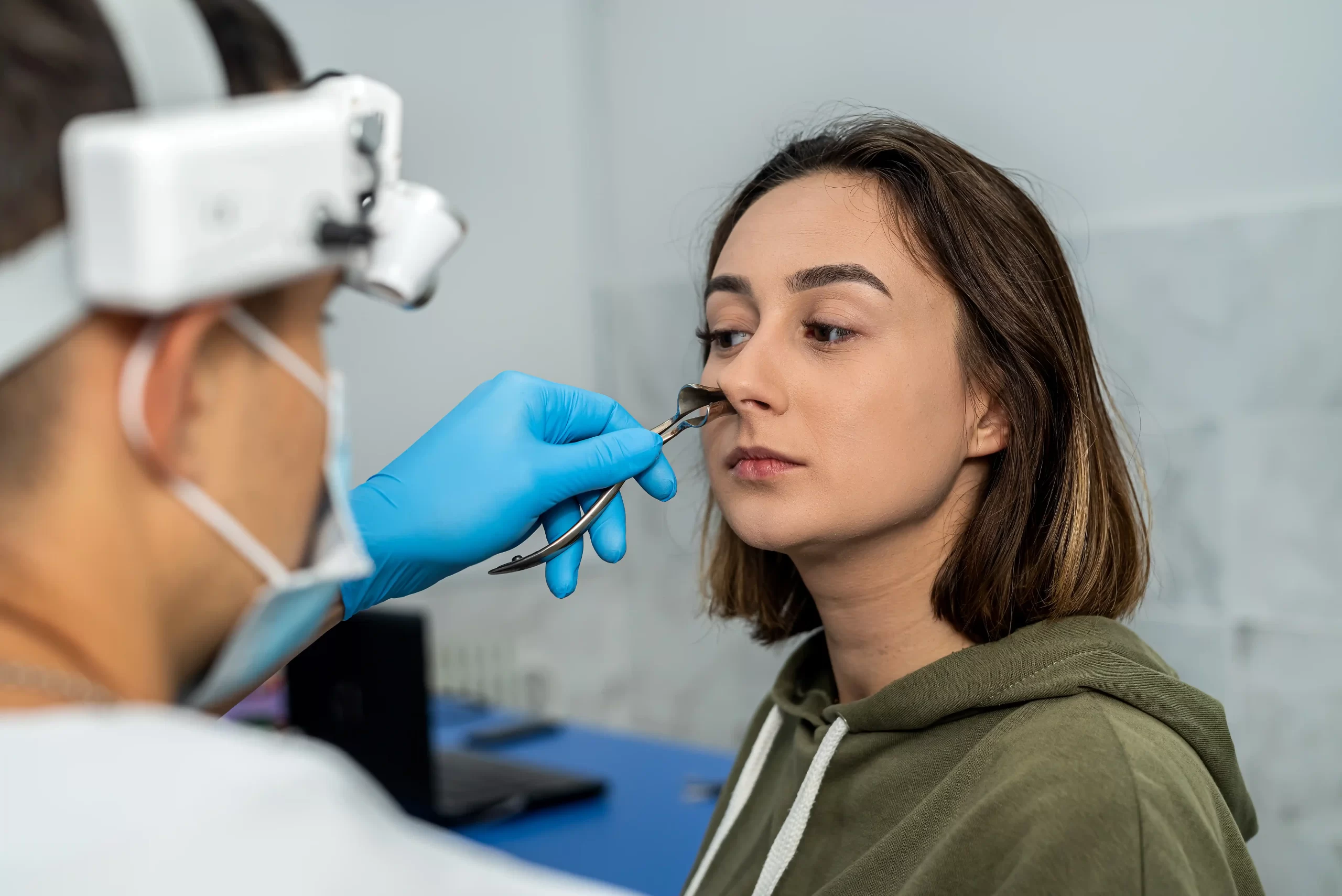
In the world of advanced medical procedures, Istanbul has become a leading name, especially for complex surgeries. By 2026, it’s recognized as a top choice for those needing jaw and facial reconstruction in Istanbul. The city is a unique blend of top-tier medical talent, advanced technology, and affordable care. This isn’t just about improving looks; it’s about restoring essential functions, a person’s identity, and their confidence. Leading this field is Assoc. Prof. Dr. Burak Sercan Erçin, a surgeon with training from some of the world’s best microsurgeons. His skill and precision are setting new standards in patient care, offering hope and new beginnings to people from all over the globe.
The human face is our primary way of connecting with the world. It shows our emotions and defines our identity. When trauma, illness, or birth defects alter our facial structure, the effects go deep. It impacts basic functions like eating and speaking and can shake our sense of self. Today, reconstructive surgery has made incredible leaps. It’s no longer about just patching up injuries. Modern techniques involve complex functional restoration using high-tech tools like microsurgery and 3D biotechnology. For many international patients, finding this level of care at home in places like the US or UK can be incredibly expensive. Turkey, and specifically Istanbul, provides a solution by offering world-class medical standards at a more accessible price point. This guide will walk you through the details of facial reconstruction, explain the critical role of microsurgery, and show why Dr. Burak Sercan Erçin is a leading expert in this specialized area.
The 2026 Landscape: Why Istanbul for Complex Reconstruction?
By 2026, Istanbul’s reputation has grown far beyond being a simple medical tourism spot. It is now widely seen as a global hub for surgical excellence. This is an important difference. People are not just coming for lower prices; they are coming for superior skill and better outcomes. The city has carefully built a medical environment where experienced surgeons meet and exceed international standards, making it a destination for those who need the best possible care.
This transformation is driven by a commitment to quality, continuous investment in technology, and the presence of highly trained medical professionals who are leaders in their fields. Hospitals in Istanbul are equipped with the latest medical devices and follow strict international protocols for patient safety and care. The focus is on providing a complete patient experience, from the initial consultation to post-operative recovery and support. This holistic approach ensures that patients feel safe, cared for, and confident in their decision to travel for surgery. The city’s unique cultural backdrop also provides a comfortable and welcoming environment for international visitors, making the entire journey less stressful.
The Convergence of Microsurgery and Technology
The standard for modern facial reconstruction is a seamless blend of digital planning and expert surgical skill. Leading clinics in Istanbul, under the guidance of academic surgeons like Dr. Burak, have fully integrated advanced technologies such as Virtual Surgical Planning (VSP) and Computer-Aided Design/Computer-Aided Manufacturing (CAD/CAM) into their everyday work. This technological integration is not just an add-on; it’s a fundamental part of how surgery is approached, ensuring a level of accuracy that was once unimaginable.
VSP allows surgeons to perform the entire surgery in a virtual 3D environment before making a single incision. Using the patient’s CT scans, a precise digital model of the skull is created. On this model, Dr. Burak can plan bone cuts, reposition jaw segments, and even design custom implants. This meticulous planning process has several key benefits. It dramatically increases precision, allowing for adjustments down to a fraction of a millimeter, which is crucial for achieving perfect functional and aesthetic results. It also significantly reduces the time spent in the operating room, which lowers the risk of complications and speeds up recovery. Furthermore, this technology allows for incredible customization. Using CAD/CAM technology, 3D-printed surgical guides are created based on the virtual plan. These guides fit perfectly onto the patient’s bone, showing the surgeon exactly where to cut. Custom titanium plates and implants can also be fabricated, ensuring a perfect fit for the patient’s unique anatomy. This combination of digital planning and custom manufacturing leads to more predictable, reliable, and aesthetically pleasing outcomes.
The Economic Reality
While the quality of clinical care in Istanbul is on par with prestigious university hospitals in Boston or London, the cost is significantly more manageable. The economic structure in Turkey allows for top-tier medical services to be offered at a fraction of the price found in Western countries. For instance, a complex micro-vascular free flap reconstruction for the jaw, a procedure that could easily cost between $100,000 and $150,000 in the United States or the United Kingdom, is available in Istanbul for approximately 70% less. This procedure would be performed by an EBOPRAS-qualified surgeon like Dr. Burak, using the very same high-quality implants, sutures, and surgical microscopes.
This significant cost difference, often referred to as the “value gap,” is not due to a compromise in quality. Instead, it stems from lower overhead costs, including facility expenses and professional insurance, as well as favorable currency exchange rates. This financial accessibility means patients can afford superior care that might be out of reach in their home countries. The savings often allow for a more comprehensive treatment package, which can include extended hospital stays for comfortable recovery, specialized rehabilitation services, and even accommodation for a companion. This makes world-class reconstructive surgery a realistic option for a much broader range of people, ensuring that financial constraints do not prevent them from receiving the life-changing care they need.
Defining the Scope: What is Jaw and Facial Reconstruction?
It’s important to understand the difference between standard cosmetic surgery and true reconstructive surgery, even though the two disciplines often merge in Dr. Burak’s practice. Reconstructive surgery aims to restore form and function after it has been lost due to trauma, disease, or congenital conditions. Cosmetic surgery, on the other hand, focuses on enhancing existing features. Dr. Burak’s expertise spans both areas, allowing him to not only rebuild a functional face but also to ensure it looks natural and aesthetically pleasing. This dual focus is critical for a patient’s overall well-being and psychological recovery.
1. Orthognathic Surgery (Corrective Jaw Surgery)
Orthognathic surgery is designed to correct irregularities of the jaw bones. While many patients seek this surgery for aesthetic improvements, such as achieving a more defined jawline, its primary purpose is functional. It addresses significant issues like malocclusion (an improper bite), which can cause problems with chewing, speech, and jaw pain. It is also a key treatment for obstructive sleep apnea, where repositioning the jaw can open up the airway. Additionally, it can provide relief for chronic pain associated with temporomandibular joint (TMJ) disorders.
The procedures involved are highly precise and tailored to each patient’s skeletal structure. Common techniques include Le Fort osteotomies, which involve cutting and repositioning the upper jaw (maxilla) to correct issues like an open bite or an gummy smile. The BSSO (Bilateral Sagittal Split Osteotomy) is used to move the lower jaw (mandible) forward or backward to fix an overbite or underbite. Finally, a genioplasty, or chin surgery, is often performed in conjunction with jaw surgery to reshape the chin for better facial balance and harmony. These procedures work together to create a functional bite and a more balanced facial profile.
2. Post-Oncological Reconstruction
Rebuilding the face after cancer surgery is one of the most complex and rewarding areas of reconstructive surgery. Patients who have had oral cancers, such as Squamous Cell Carcinoma, may lose significant parts of their jawbone (mandible), tongue, floor of the mouth, or cheek. This can severely impact their ability to eat, swallow, and speak. The goal of post-oncological reconstruction is to immediately rebuild these structures to restore function and appearance.
This often involves intricate microsurgical techniques. For a mandibulectomy repair, where a portion of the jawbone is removed, a section of bone from another part of the body, like the fibula in the leg, is transplanted to create a new jaw. This living bone graft brings its own blood supply, which helps it heal and integrate, and it’s strong enough to support dental implants later. For soft tissue defects, soft tissue resurfacing is performed using skin grafts or, more commonly, free flaps of skin and muscle. This restores the lining of the mouth and the external contours of the face, helping patients regain a sense of normalcy after their cancer treatment.
3. Trauma and Ballistic Injury Repair
Facial trauma from events like car accidents, industrial incidents, or high-velocity ballistic injuries (gunshots) can cause devastating damage. These injuries often result in “comminuted” fractures, where the bone is shattered into multiple small pieces. Reconstructing a face after such trauma is like putting together a complex 3D puzzle without a clear picture to guide you. The primary goal is to restore the patient’s pre-injury facial structure and function.
The process of trauma and ballistic injury repair requires meticulous planning and execution. Surgeons use rigid fixation, which involves small titanium plates and screws, to carefully piece the bone fragments back together. In cases where bone is missing, bone grafting may be necessary to bridge the gaps and provide a stable framework for healing. The surgeon’s skill is paramount in ensuring that the facial bones are aligned correctly to restore a normal bite and symmetrical appearance. The ultimate aim is to minimize visible scarring and help the patient recover both physically and emotionally from the traumatic event.
4. Facial Paralysis Reanimation
Damage to the seventh cranial nerve (CN VII), also known as the facial nerve, can lead to paralysis of one side of the face. This condition affects not only a person’s appearance but also their ability to express emotions, close their eye, and speak clearly. Facial paralysis reanimation is a specialized field of reconstructive surgery that aims to restore movement and symmetry to the paralyzed face.
Modern reconstructive techniques offer several options depending on the cause and duration of the paralysis. One approach is a nerve transfer, where a working nerve from another part of the face or body is meticulously connected to the paralyzed facial nerve or muscles. This can “re-wire” the facial muscles and restore movement over time. For long-standing paralysis where the facial muscles have atrophied, a muscle transfer may be performed. In this procedure, a muscle, often from the leg (gracilis muscle) or temple (temporalis muscle), is moved to the face. By connecting its nerve and blood vessels to sources in the neck, the transferred muscle can be trained to contract and create a natural-looking smile. These advanced procedures can dramatically improve a patient’s quality of life.
The Science of Reconstruction: The Microsurgical Edge
This is the area where a surgeon like Assoc. Prof. Dr. Burak Sercan Erçin truly stands apart from many general plastic surgeons. The most advanced forms of facial reconstruction are built on the foundation of microsurgery. This is a highly specialized technique that involves using a high-powered operating microscope to suture together tiny blood vessels and nerves, often less than a millimeter in diameter. This level of precision is essential for transplanting tissue from one part of the body to another while keeping it alive.
Mastery of microsurgery requires years of dedicated training and practice. It is a skill that allows a surgeon to perform procedures that would otherwise be impossible, such as rebuilding a jaw with living bone or restoring a smile to a paralyzed face. Dr. Erçin’s proficiency in this demanding field ensures that his patients receive the most sophisticated and effective treatments available, leading to better functional outcomes and a more natural appearance.
The Free Flap Revolution
The cornerstone of modern jaw and facial reconstruction is the Vascularized Free Flap. This technique has completely changed what is possible in rebuilding complex facial defects. The core concept is elegant yet complex: a surgeon harvests a section of tissue—which can include bone, skin, muscle, or a combination—from a donor site on the patient’s own body. Crucially, this tissue is taken along with its dedicated artery and vein, which provide its blood supply. This entire unit, or “flap,” is then carefully transferred to the defect in the face.
The most critical step is the microsurgical connection. Under the microscope, the surgeon meticulously connects the flap’s artery and vein to a recipient artery and vein in the neck or face. Once blood flow is restored, the transplanted tissue becomes a living, integrated part of its new location. For jaw reconstruction, the gold standard is the Fibula Free Flap. Dr. Burak can take a segment of the fibula bone from the lower leg, shape it to perfectly match the curve of the patient’s original jaw, and then connect its blood vessels (the peroneal artery and vein) to vessels in the neck. The reason this matters so much is that the bone brings its own life source. This allows it to heal reliably, strongly resist infection (which is especially important for patients who have undergone radiation therapy), and, critically, provide a solid foundation for future dental implants, allowing the patient to chew normally again.
The “Cavadas” Influence
Dr. Burak’s exceptional skill set is greatly enhanced by the time he spent training with Dr. Pedro Cavadas, a globally recognized pioneer in reconstructive microsurgery. Dr. Cavadas is famous for performing some of the world’s most complex surgical feats, including the first double face transplant and the first double leg transplant. Training in such a high-pressure, innovative environment instills a unique surgical philosophy: that the word “impossible” is simply a challenge waiting for a solution.
This mentorship means that Dr. Burak is exceptionally well-prepared to handle cases that many other surgeons might consider too difficult or inoperable. He is comfortable managing massive tissue loss from trauma, complex reconstructions after cancer removal, and intricate replantations. This experience, grounded in the principles of meticulous planning and flawless execution, gives his patients confidence that they are in the hands of a surgeon who can navigate even the most challenging clinical scenarios to achieve the best possible outcome.
Assoc. Prof. Dr. Burak Sercan Erçin, an esteemed reconstructive surgeon in Istanbul with extensive expertise (10+ years and counting) in breast and burn reconstructive surgeries. With a specialization in Plastic, Reconstructive, and Aesthetic Surgery and a qualification diploma from EBOPRAS, MD. Burak has worked alongside some of the world’s leading reconstructive microsurgeons, including Dr. Pedro Cavadas. With a commitment to excellence in both clinical practice and academic research, Dr. Burak is dedicated to providing his patients with the highest quality care possible. Book a consultation today and take the first step towards your physical transformation.
Specialized Procedures in Detail
Beyond the core areas of reconstruction, Dr. Burak’s expertise covers a wide range of highly specialized procedures designed to address specific and often very complex facial issues. These treatments require a deep understanding of facial anatomy and a mastery of advanced surgical techniques to restore both form and function to the highest possible degree.
Post-Traumatic Craniofacial Reconstruction
Suffering a significant facial injury is a deeply traumatic experience, both physically and emotionally. The primary objective of post-traumatic craniofacial reconstruction is to meticulously restore the patient’s appearance to how it was before the injury. This process can be divided into two main stages. The first is primary repair, which happens shortly after the injury. Here, Dr. Burak focuses on accurately setting the fractured bones using miniature titanium plates and screws. Whenever feasible, he employs endoscopic techniques, making incisions inside the mouth or along the hairline to access the fractures. This approach minimizes visible scarring on the face, which is a major concern for patients.
The second stage is secondary revision, which addresses issues that may arise after the initial healing, such as malunions (where bones have healed in an incorrect position) or soft tissue defects like dents and hollows. These revisions often involve a combination of techniques. Dr. Burak might perform corrective osteotomies to re-break and reset the bones properly. To address volume loss, he frequently uses fat grafting, where the patient’s own fat is harvested from another area and carefully injected to fill in depressions and restore natural contours. Finally, advanced scar revision techniques, including laser treatments and surgical excision, are used to make any remaining scars as inconspicuous as possible.
Congenital Anomalies: Hemifacial Microsomia & Clefts
For individuals born with congenital facial differences, such as an underdeveloped jaw on one side (Hemifacial Microsomia) or cleft lip and palate, reconstruction is not a single event but a carefully planned journey that often spans from infancy to adulthood. Dr. Burak is skilled in managing these complex, long-term treatment plans. One of the most powerful techniques used is Distraction Osteogenesis. This remarkable process involves making a surgical cut in the underdeveloped bone and attaching a small mechanical device. Over several weeks, the patient or their family turns a screw on the device, which slowly and gradually separates the two bone segments. The body responds to this controlled stretching by generating new bone in the gap, effectively lengthening the jaw without the need for a bone graft.
Another common challenge is ear reconstruction (Microtia), as an underdeveloped or missing ear is often associated with jaw anomalies. Dr. Burak can construct a new ear framework, either by expertly carving it from the patient’s own rib cartilage or by using a porous polyethylene implant (Medpor). This framework is then placed under the skin, and a thin layer of tissue from the scalp (a temporoparietal fascia flap) is often used to cover it, creating a natural-looking and durable new ear.
Temporomandibular Joint (TMJ) Replacement
The temporomandibular joint (TMJ) is the complex hinge that connects your jaw to your skull. When this joint is severely damaged by conditions like advanced arthritis, trauma, or ankylosis (where the joint fuses together), it can cause debilitating pain and make it impossible for the patient to open their mouth. This severely impacts their ability to eat, speak, and live a normal life. In these extreme cases, a TMJ replacement may be the only solution.
This procedure is similar to a hip or knee replacement. Dr. Burak removes the damaged parts of the joint and replaces them with a custom-engineered total joint prosthesis. This artificial joint is typically made of a titanium “ball” that fits into a high-density polyethylene “socket.” The prosthesis is designed based on the patient’s specific anatomy using 3D imaging, ensuring a perfect fit and optimal function. This surgery can provide immediate relief from pain and restore a normal range of jaw motion, allowing the patient to eat and speak comfortably once again.
Integrating Aesthetics: The “Form and Function” Balance
Choosing a surgeon who is an expert in both reconstructive and aesthetic surgery offers a significant advantage. This dual background provides a complete and balanced approach to facial procedures. Dr. Burak understands that a patient undergoing reconstruction doesn’t just want a jaw that works; they want a face that looks natural and harmonious. Similarly, a cosmetic patient seeking a more defined jawline needs to be sure their bite and jaw function will remain perfect. This philosophy of balancing form and function is at the heart of every procedure he performs.
Facial Feminization (FFS) and Masculinization (FMS)
These advanced sets of procedures are, at their core, a form of reconstruction. They involve surgically modifying the underlying facial skeleton and soft tissues to better align a person’s appearance with their gender identity. Facial Feminization (FFS) aims to soften masculine features and create a more typically feminine facial structure. This can include procedures like forehead contouring, reducing the brow bone, and jaw contouring (V-line surgery), which narrows the jaw and chin. A sliding genioplasty can be used for chin and face correction to reduce its size and create a more delicate profile.
Conversely, Facial Masculinization (FMS) focuses on creating stronger, more defined facial features. The Alpha Male treatment is a popular combination of procedures designed to enhance the jawline and chin. This is often achieved by widening the angle of the mandible and augmenting the chin using custom-designed implants or, in some cases, injectable fillers to create a more prominent and chiseled look. These transformative surgeries require a surgeon with an artist’s eye and a deep understanding of skeletal anatomy.
The Role of Non-Surgical Adjuncts
Surgical procedures build the foundational structure of the face, but non-surgical treatments are essential for refining the final result and ensuring the best possible outcome. Dr. Burak uses a variety of these treatments to complement his surgical work. For example, PRP Treatment (Platelet Rich Plasma), which uses a concentration of the patient’s own platelets, is widely used to speed up wound healing, improve the health of skin grafts, and enhance the quality of the overlying skin.
To improve the texture and appearance of scars from trauma or surgery, treatments like CO2 laser resurfacing and chemical peeling are invaluable. These procedures remove the outer layers of damaged skin, promoting the growth of new, smoother skin. Additionally, Botox and Masseter Botox have important roles beyond just treating wrinkles. In a reconstructive context, Botox can be used to relax specific facial muscles, which can help protect healing bone fractures or nerve repairs. Masseter Botox is particularly useful for reducing the size of the powerful jaw muscles or treating conditions like bruxism (teeth grinding), which can put stress on the TMJ and surgical repairs.
What Dr. Burak Specifically Offers in Turkey:
PRP Treatment (Platelet Rich Plasma), Breast Augmentation Surgery, Preservé™ Breast Augmentation, Breast Lift Surgery, Breast Reduction Surgery, Male Breast Reduction Surgery, Nose Aesthetics (Rhinoplasty), Almond Eye Surgery (Canthoplasty), Non-Surgical Aesthetics, Botox, Skin Rejuvenation (Microdermabrasion), Gummy Smile Botox, HIFU: Non-Surgical Facial and Skin Rejuvenation, Phototherapy (IPL) (Light Therapy), Chemical Peeling, Masseter Botox, Mesotherapy, Brow Lift Surgery, Prominent Ear Surgery (Otoplasty), Chin and Face Correction, Facial Feminization (FFS), Eyelid Aesthetics (Blepharoplasty), Lip Lift, Face Lift Surgery, Endoscopic Face Lift, Facial Masculinization (FMS), Alpha Male Treatment, Mommy Makeover, Liposuction, Vaginoplasty, Labiaplasty, Sex Reassignment Surgery, Jaw Surgery, Congenital Anomalies, Post-Cancer Reconstruction, Abdominal and Torso Reconstruction, Microsurgery, Revision Surgery, Hand Surgery, Bone Disease Treatments, Congenital Anomaly Treatments, Facial Paralysis, Burn Repair Treatments, Leg Lift Surgery, Brazilian Butt Lift (BBL), Abdominoplasty (Tummy Tuck Surgery), Arm Lift Surgery (Brachioplasty), Chronic Wound Treatments
The Patient Journey: From Inquiry to Recovery
Traveling to a different country for a major surgery like facial reconstruction can feel overwhelming. That’s why Dr. Burak’s team has created a streamlined and supportive process designed to manage every detail and minimize patient stress. The journey is broken down into clear, manageable phases, ensuring you feel informed and cared for every step of the way.
Phase 1: Virtual Consultation & Planning
The process begins from the comfort of your own home. In the virtual consultation and planning phase, you will securely send your medical records, photographs, and, most importantly, your CT scans (in DICOM file format) to the clinical team. Dr. Burak will personally review these files to perform a detailed analysis of your bone structure and soft tissues. Based on this assessment, he will develop a preliminary surgical plan tailored to your specific needs and goals.
During this phase, you may receive a VSP preview, which is a digital simulation showing the proposed changes and potential outcome of the surgery. This gives you a clear visual understanding of what to expect. A comprehensive risk assessment is also conducted, where your medical history is thoroughly reviewed to ensure you are a safe candidate for anesthesia and the planned procedure. This remote planning stage is crucial for ensuring that by the time you arrive in Istanbul, a clear and precise plan is already in place.
Phase 2: Arrival & Pre-Op
Upon your arrival in Istanbul, the team ensures a smooth and comfortable transition. A VIP transfer service will greet you at the airport and take you directly to your accommodation or the clinic. The arrival and pre-op phase involves final preparations for your surgery. You will have an in-person consultation with Dr. Burak, where he will perform a physical examination of your facial tissues and discuss the surgical plan with you in detail, answering any last-minute questions you may have.
To ensure the highest level of precision, final high-resolution 3D scanning is performed. These scans are used to 3D print the custom surgical guides and any necessary implants that will be used during your operation. You will also meet with the anesthesiologist and complete any required pre-operative tests. This phase is all about finalizing the details and making sure you are fully prepared and comfortable before your surgery.
Phase 3: The Surgery
Your surgery will take place in a modern, JCI-accredited hospital, which means it meets the highest international standards for safety and quality of care. The duration of the surgery depends on its complexity; a complex free flap reconstruction can last anywhere from 8 to 12 hours. For these lengthy procedures, it’s common for two surgical teams to work at the same time. While one team prepares the recipient site on the face, the other team simultaneously harvests the bone graft or tissue flap from the donor site, such as the leg. This coordinated approach significantly reduces the overall operating time, which is safer for the patient. You will be under the care of a highly skilled team of surgeons, nurses, and anesthesiologists throughout the entire procedure.
Phase 4: Recovery & Aftercare
Your recovery and aftercare are closely monitored to ensure a smooth and comfortable healing process. After surgery, you will typically spend one night in the Intensive Care Unit (ICU) for close observation. Following this, you will be moved to a private room on the surgical ward for a stay of 3 to 7 days, depending on the complexity of your procedure.
During your hospital stay, your treatment may include specialized therapies to aid healing. Hyperbaric Oxygen Therapy is often recommended to increase the oxygen supply to the newly transplanted tissues, which can promote faster healing and reduce the risk of complications. You may also receive lymphatic drainage massages from a specialized therapist to help reduce facial swelling. The nursing staff will manage your pain and guide you on your diet, which will progress from liquids to soft foods as you heal. The team ensures you have all the support you need before you are discharged to continue your recovery in your local accommodation.
Safety, Ethics, and Accreditation
In the busy world of international medical travel, the credentials and qualifications of your surgeon and hospital are your most important safeguards. It’s essential to look beyond marketing and focus on verifiable certifications that guarantee a high standard of care. Dr. Burak and the facilities he works with are committed to the highest levels of safety and ethical practice.
One of the most prestigious qualifications a European plastic surgeon can hold is the EBOPRAS (European Board of Plastic Reconstructive and Aesthetic Surgery) diploma, which Dr. Burak has earned. This is not just a membership; it is a mark of excellence that signifies a surgeon has completed a rigorous training program and passed comprehensive written and oral examinations that standardize surgical knowledge and competence across the European Union. It assures patients that their surgeon’s skills are aligned with the highest international benchmarks.
Furthermore, a specific microsurgery certification is critical for the complex procedures discussed. This is a distinct skill set that not all plastic surgeons possess, requiring dedicated fellowship training at specialized centers, like Dr. Burak’s time with Dr. Cavadas. Finally, all surgeries are performed in top-tier, full-service hospitals with the highest hospital standards. These facilities have dedicated intensive care units (ICUs), fully stocked blood banks, and multidisciplinary teams of specialists, such as cardiologists and internal medicine doctors, available 24/7 to handle any potential complications, ensuring patient safety is the number one priority.
Cost Analysis: The Value Proposition
A common question is: why is high-level jaw and facial reconstruction in Istanbul so much more affordable? The cost-effectiveness is the result of several economic factors, not a compromise on quality. Firstly, the overall lower overhead costs in Turkey, including expenses for medical facilities, staff salaries, and professional insurance, are significantly less than in the US or UK. This allows hospitals to offer services at a more competitive price point.
Secondly, the favorable currency exchange rate between the Turkish Lira and major currencies like the US Dollar, British Pound, and Euro provides an immediate and substantial cost advantage for international patients. Lastly, most treatments are offered as integrated packages. These comprehensive quotes typically bundle all major costs together, including the surgeon’s fee, anesthesia, hospital stay, medications, airport transfers, and sometimes even local accommodation. This transparent pricing structure helps patients budget effectively and avoid unexpected expenses.
To put it in perspective, here is an estimated cost comparison for 2026:
A complex jaw reconstruction (Free Flap) that might cost $120,000 or more in the USA can be performed in Turkey for approximately $18,000 to $25,000. A total TMJ replacement, which could cost £25,000 in the UK, is typically priced between £8,000 and £12,000 in Turkey. Standard orthognathic (double jaw) surgery that costs around $40,000 in the USA is available for $6,000 to $10,000 in Turkey. It is important to remember that these prices are estimates and can vary based on the specific details of the case and the type of implants required.
Conclusion: Restoring the Face, Rebuilding the Spirit
Facial reconstruction is arguably the most personal and impactful of all surgical disciplines. It demands a surgeon who is not only a technical master—an engineer of bone and an artist of soft tissue—but also a compassionate physician who truly understands the heavy psychological burden that comes with facial disfigurement. Istanbul has rightfully earned its place as a global leader for this intricate work, offering a powerful combination of advanced medical infrastructure, world-class talent, and accessible pricing.
However, the most advanced technology is only as effective as the surgeon who uses it. Assoc. Prof. Dr. Burak Sercan Erçin embodies the highest level of expertise in this field. His practice is built on the solid foundation of rigorous European board standards and has been finely tuned through mentorship under surgical legends like Dr. Pedro Cavadas. For his patients, he offers more than just a surgical repair; he offers a chance to restore what was lost, rebuild confidence, and achieve a result that not only meets but often exceeds their hopes.
Assoc. Prof. Dr. Burak Sercan Erçin, an esteemed reconstructive surgeon in Istanbul with extensive expertise (10+ years and counting) in breast and burn reconstructive surgeries. With a specialization in Plastic, Reconstructive, and Aesthetic Surgery and a qualification diploma from EBOPRAS, MD. Burak has worked alongside some of the world’s leading reconstructive microsurgeons, including Dr. Pedro Cavadas. With a commitment to excellence in both clinical practice and academic research, Dr. Burak is dedicated to providing his patients with the highest quality care possible. Book a consultation today and take the first step towards your physical transformation.
—
Frequently Asked Questions (FAQ)
How long does recovery take for jaw reconstruction surgery?
Recovery time varies significantly depending on the specific procedure. For corrective jaw surgery (orthognathic), you can expect initial swelling to peak around the third day and noticeably decrease within two weeks. While you’ll feel much better relatively quickly, the bones themselves take about six weeks to achieve solid healing. For a more complex free flap reconstruction, where bone is transplanted from your leg, the hospital stay is longer, typically 7 to 10 days. The full recovery, including the ability to chew solid foods comfortably, can take between 3 and 4 months. Dr. Burak will provide a detailed and personalized recovery timeline during your consultation.
Will I have visible scars after facial reconstruction?
Minimizing visible scarring is a top priority for Dr. Burak. He uses “hidden incision” techniques whenever possible. For most jaw surgeries, the incisions are made entirely inside the mouth (intraoral approach), leaving no external scars. In cases where external incisions are unavoidable, such as for certain trauma repairs or tumor removals, they are strategically placed within natural skin creases, like smile lines or under the chin, or hidden along the hairline to make them as inconspicuous as possible. After you’ve healed, post-operative treatments such as Laser Skin Rejuvenation and PRP Treatment can be used to further improve the appearance and texture of any scars.
Is it safe to fly back home after jaw surgery?
You should not plan to fly immediately after your surgery. The changes in cabin pressure during a flight can increase swelling, cause pain, and negatively affect the healing tissues. As a general rule, patients are required to stay in Istanbul for a monitoring period of 7 to 14 days after their procedure. This allows Dr. Burak to see you for follow-up appointments and ensure your initial healing is progressing well. He will give you clearance for air travel only when he is confident that it is completely safe for you to do so.
Does insurance cover reconstructive surgery in Turkey?
This depends on your individual insurance plan and country of residence. Most international health insurance policies do not have direct billing agreements with Turkish hospitals. However, if your surgery is deemed “medically necessary” for functional reasons (e.g., reconstruction after cancer or trauma) rather than purely cosmetic, you may be eligible for reimbursement from your insurance provider after you return home. Dr. Burak’s administrative team can provide you with all the necessary documentation, including detailed medical reports and operative notes, to support your insurance claim.
What makes Dr. Burak different from other surgeons in Istanbul?
The key factors that set Dr. Burak apart are his advanced training in Microsurgery and his prestigious EBOPRAS qualification. While many surgeons in Istanbul are skilled in general plastic and cosmetic surgery, very few have the specialized fellowship training required to perform complex free tissue transfers for reconstruction. His experience working alongside world-renowned pioneers like Dr. Pedro Cavadas has equipped him with the skills to manage extremely severe deformities and complex complications that other surgeons might not be prepared to handle. This unique combination of elite training and extensive experience ensures he can offer solutions for even the most challenging reconstructive cases.
This content was written by Assoc. Prof. Dr. Burak Sercan Erçin in line with clinical experience and current medical literature. It is intended for general informational purposes only and does not constitute medical advice. A personal consultation with Dr. Erçin is recommended for individual assessment.
Faculty Member · Bahçeşehir University
Graduate of Ege University Faculty of Medicine, Assoc. Prof. Dr. Erçin completed advanced fellowships at Tampa General Hospital (USA) under Dr. Deniz Dayıcıoğlu in breast reconstruction and burn surgery, and at the clinic of Dr. Pedro Cavadas in Valencia, Spain in reconstructive microsurgery. After passing the EBOPRAS examination in 2018, he joined Bahçeşehir University as a faculty member and continues his private practice on Bağdat Avenue, Istanbul, specialising in face, breast and body aesthetics alongside complex reconstructive surgery.