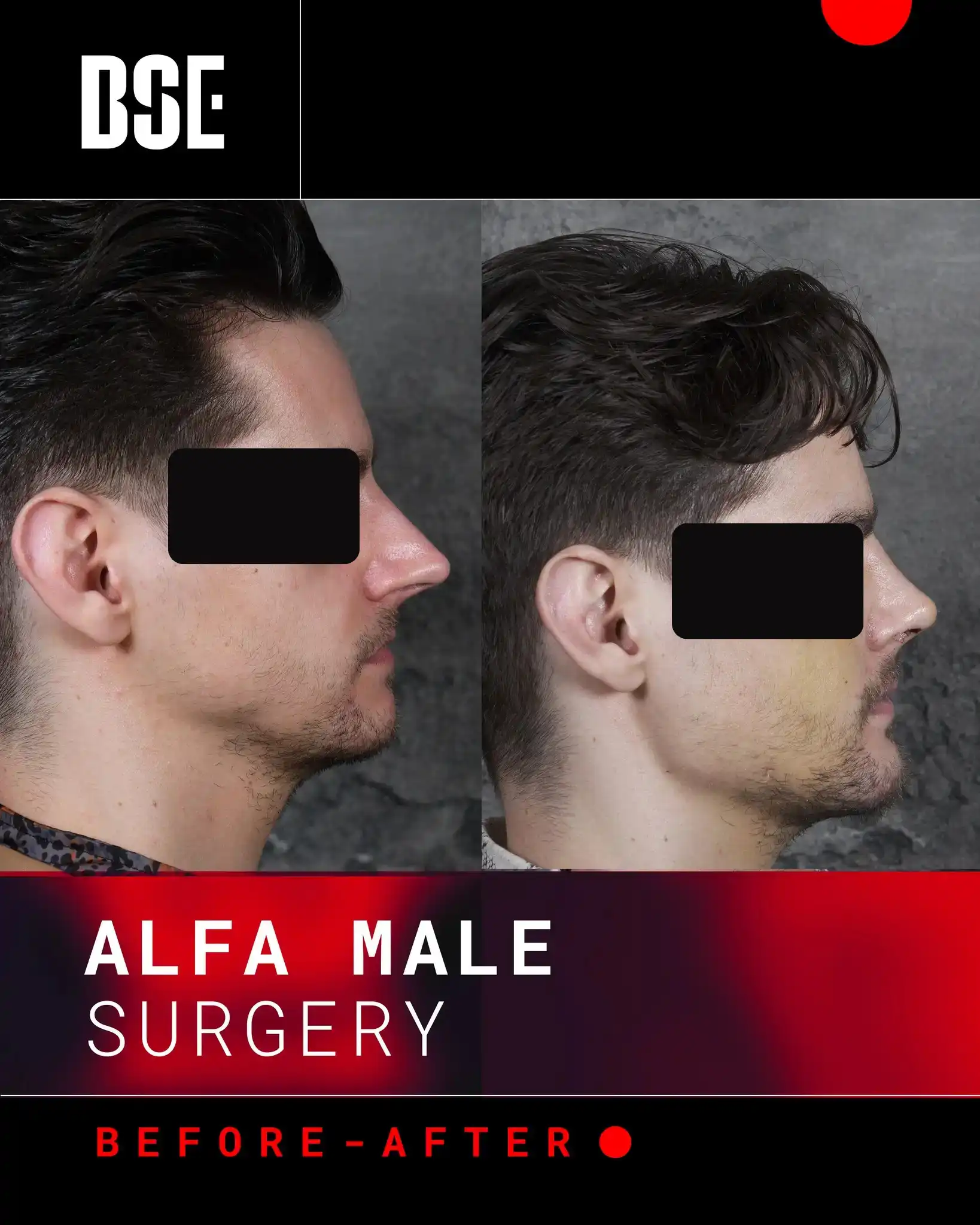
This article was written by Assoc. Prof. Dr. Burak Sercan Erçin and is based on clinical experience. A specialist in Plastic, Reconstructive and Aesthetic Surgery; prepared in accordance with current medical literature and personal surgical data. A consultation is recommended before making any medical decisions.
Alpha Male look is a specific form of the male face characterized by a sharply chiseled jawline, prominent cheekbones, deep-set eyes, and an overall structural geometry that projects authority, testosterone, vitality, and formidable masculinity. In the quest to achieve these highly coveted features, a viral phenomenon known as “mewing” has saturated digital platforms, promising radical facial restructuring through simple, cost-free tongue posture exercises. Proponents of this trend assert that a weak, recessed profile can be naturally transformed into a striking, dominant ideal without the need for medical intervention.
However, the intersection of internet trends and anatomical reality frequently presents a complex and often hazardous landscape of misinformation. For individuals who are serious about enhancing their facial structure, distinguishing between scientifically validated medical interventions and speculative online myths is absolutely critical. The pursuit of genuine facial enhancement has simultaneously driven a massive surge in international medical tourism, particularly to global hubs of surgical excellence such as Istanbul, Turkey. Here, highly credentialed plastic surgeons offer definitive, structural transformations that render internet fads obsolete. This exhaustive report investigates the biomechanics of mewing, deconstructs the precise anatomical parameters of the alpha male surgery, and explores why advanced surgical interventions remain the only predictable, permanent method for achieving true facial masculinization.
The Origins and Biomechanics of Mewing
To evaluate the efficacy and validity of mewing, it is necessary to first understand its conceptual and historical foundations. The practice derives from a controversial subfield of alternative dentistry known as orthotropics. Developed in the 1970s by British orthodontist Dr. John Mew, orthotropics is a philosophy that heavily emphasizes the role of oral posture, muscle balance, and breathing patterns in guiding the growth and development of the human face.
The core premise of orthotropics suggests that modern human environments have fundamentally compromised our facial development. The theory argues that the advent of agriculture and the subsequent shift toward softer, highly processed diets have drastically reduced the mechanical stress placed on the jaws during chewing. Coupled with an increase in indoor allergens leading to chronic mouth breathing, these environmental shifts have allegedly resulted in an evolutionary narrowing of the dental arches and a downward, recessed growth of the maxilla (the upper jaw) and the mandible (the lower jaw). According to this philosophy, the modern prevalence of weak jawlines, crooked teeth, and compromised airways is an environmental consequence rather than a purely genetic inevitability.
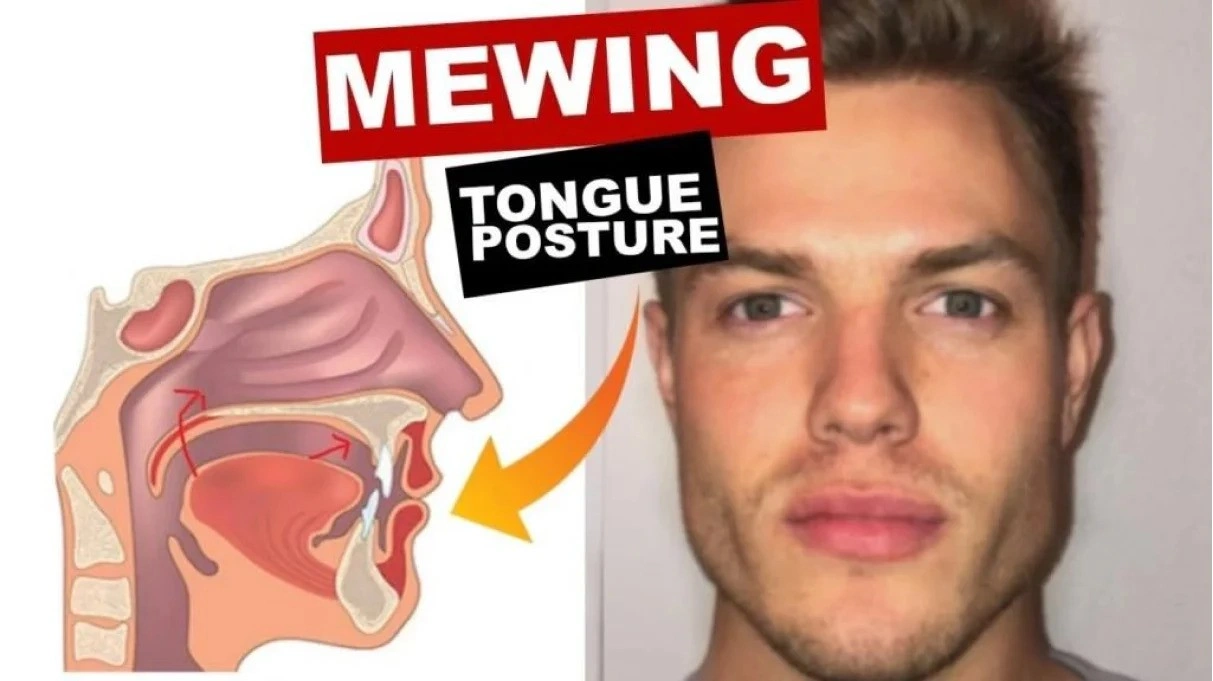
The technique of mewing itself was designed as an active countermeasure to these environmental factors. The practice involves resting the entire tongue flat against the hard palate at the roof of the mouth, maintaining a strict and continuous lip seal, and ensuring exclusive nasal breathing. Advocates of the technique assert that the constant upward and forward pressure from the tongue acts as a natural mechanical force. Over time, this force is theorized to be capable of expanding the palate, promoting the forward growth of the midface, and ultimately chiseling the jawline into a more prominent, square shape. The underlying concept relies on the belief that the bones of the face are not permanently fused but remain malleable, allowing the maxilla to be molded upward and forward, thereby pulling the mandible along with it to create the highly sought-after angularity associated with the alpha male aesthetic.
The appeal of this concept is undeniable and highly seductive. It taps directly into the modern desire for self-improvement and non-invasive “biohacking.” Fueled by the rapid dissemination of information on digital platforms, the trend has exploded across social media networks. Millions of young men, heavily influenced by the visual pressures of modern dating algorithms and the hyper-competitive nature of social hierarchies, have adopted mewing as a daily regimen. The digital space is flooded with before-and-after photographs purportedly demonstrating miraculous transformations from recessed, poorly defined chins to sculpted, heroic jawlines, fueling an entire subculture dedicated to maximizing physical appearance.
Examining the Limits of Bone Remodeling
Despite its massive online popularity and the passionate testimonials of its practitioners, the scientific, orthodontic, and maxillofacial surgical communities remain firmly skeptical of mewing as a viable method for structural facial change in adults. When subjected to rigorous anatomical and physiological scrutiny, the fundamental flaw in the mewing hypothesis becomes glaringly apparent: it severely miscalculates the biological realities of human skeletal development.
While it is a well-established physiological fact that bone tissue is dynamic and constantly undergoes microscopic remodeling—a concept described by Wolff’s Law, which states that bone adapts to the mechanical loads placed upon it—the macro-structural shape of the adult human skull is governed by rigid, immutable limits.
The Illusion of Adult Craniofacial Alteration
In developing children and young adolescents, the sutures of the skull and the growth plates of the jaw have not yet fully fused. During these critical, highly active developmental windows, the craniofacial skeleton possesses a degree of plasticity. It is during this period that consistent, scientifically calibrated mechanical forces—such as those applied by orthodontic headgear, palate expanders, or guided functional appliances—can successfully influence the trajectory of facial growth. Orthodontic consensus readily acknowledges that proper tongue posture, correct swallowing patterns, and continuous nasal breathing are vital components of healthy pediatric development. In children, interventions aimed at correcting myofunctional habits can indeed yield positive skeletal changes and prevent future malocclusion.
However, once an individual reaches late adolescence and enters adulthood, the biological paradigm shifts entirely. In adults, the craniofacial sutures have deeply interlocked, ossified, and fused. Skeletal flexibility in the midface and jaw is virtually nonexistent. The mechanical forces required to move, expand, or remodel adult bone are immense and must be applied with constant, measured, and biomechanically calculated precision. In modern medicine, this level of force is typically achieved only through fixed orthodontic braces, titanium skeletal anchorage devices, or invasive orthognathic surgery. The intermittent, unquantifiable, and relatively weak pressure exerted by the human tongue against the palate is grossly insufficient to trigger the structural expansion or forward displacement of fused adult maxillary bone.
Comprehensive reviews of the available medical literature indicate that high-quality, peer-reviewed data demonstrating durable skeletal or jawline changes resulting solely from oral posture in adults are entirely lacking. Any perceived improvements in adult jawline definition resulting from mewing are almost universally attributed to acute soft-tissue manipulation rather than actual skeletal restructuring. Engaging the suprahyoid muscles beneath the chin to press the tongue forcefully against the palate temporarily lifts the submental tissue. This creates an immediate optical illusion of a tighter, more defined jawline while the posture is actively held.
Furthermore, many of the self-reported success stories circulating online are heavily confounded by other variables. The primary demographic engaging in this trend consists of adolescent males whose facial bones are naturally maturing and expanding due to the hormonal surges of puberty. Additionally, apparent transformations are frequently the result of overall systemic fat loss, favorable lighting conditions, changes in camera focal length, and altered head posture in photographic comparisons, rather than a fundamental remodeling of the craniofacial skeleton.
The Clinical Risks of Do-It-Yourself Restructuring
The pursuit of an alpha male look through unmonitored, self-directed orthotropics is not merely ineffective; it carries substantial and well-documented clinical risks. The application of unregulated pressure to the teeth and dental arches can result in unintended, severe, and permanent consequences.
When the tongue is pressed forcefully against the hard palate—a practice colloquially known within online communities as “hard mewing”—the pressure is rarely distributed evenly across the vault of the mouth. This asymmetrical force acts similarly to poorly applied, unregulated orthodontics. The constant, uneven pressure can push teeth out of their natural alignment, cause severe flaring of the anterior incisors, and completely disrupt a previously stable and functional bite.
Moreover, prolonged, excessive clenching or improper resting posture places immense and unnatural strain on the temporomandibular joint (TMJ). The TMJ is a highly complex and delicate hinge that connects the jaw to the skull. Forcing the jaw into an unnatural forward position to simulate a stronger profile can lead to chronic muscular fatigue, severe joint pain, the wearing down of the articular disc, and the development of temporomandibular disorders (TMD) that require complex, expensive medical intervention to correct.
Authoritative orthodontic and dental bodies explicitly warn that mewing dangerously oversimplifies the profound complexities of facial architecture. It is neither a substitute for professional orthodontic treatment nor a viable alternative to orthognathic surgery or clinical facial contouring procedures. In fact, the professional backlash against these alternative theories has been severe; key figures promoting orthotropics have faced intense scrutiny, disciplinary action, and even expulsion from professional dental societies due to the lack of clinical foundation for their claims. Therefore, the assertion that mewing can structurally and permanently transform an adult male face into the alpha ideal must be definitively classified as a myth.
The Anatomy of the Alpha Male Aesthetic
If tongue posture and myofunctional exercises cannot sculpt the definitive alpha male face, it becomes essential to define exactly what constitutes this aesthetic ideal from a scientific and anatomical perspective, and to understand how elite aesthetic medicine achieves it.
The “alpha” aesthetic is deeply rooted in evolutionary psychology and the biological concept of sexual dimorphism—the distinct physical differences between males and females of the same species. High levels of testosterone during fetal development and puberty trigger specific morphological changes in the male skull. These hormonal markers primarily manifest as prominent brow ridges, a wider facial structure, heavily hollowed cheeks, and a massive, angular mandible. In evolutionary terms, these features act as honest biological signals of genetic health, vitality, and high androgen levels, which cross-cultural studies consistently correlate with perceived dominance, attractiveness, and leadership capability.
The modern culture of facial enhancement has meticulously quantified these features, moving far beyond subjective attractiveness into the realm of precise anatomical metrics and mathematical ratios. For reconstructive and plastic surgeons specializing in elite male facial aesthetics, understanding and replicating these specific proportions is critical to delivering results that project strength without appearing unnatural.
The Mandibular Matrix: Gonial Angle and Mental Projection
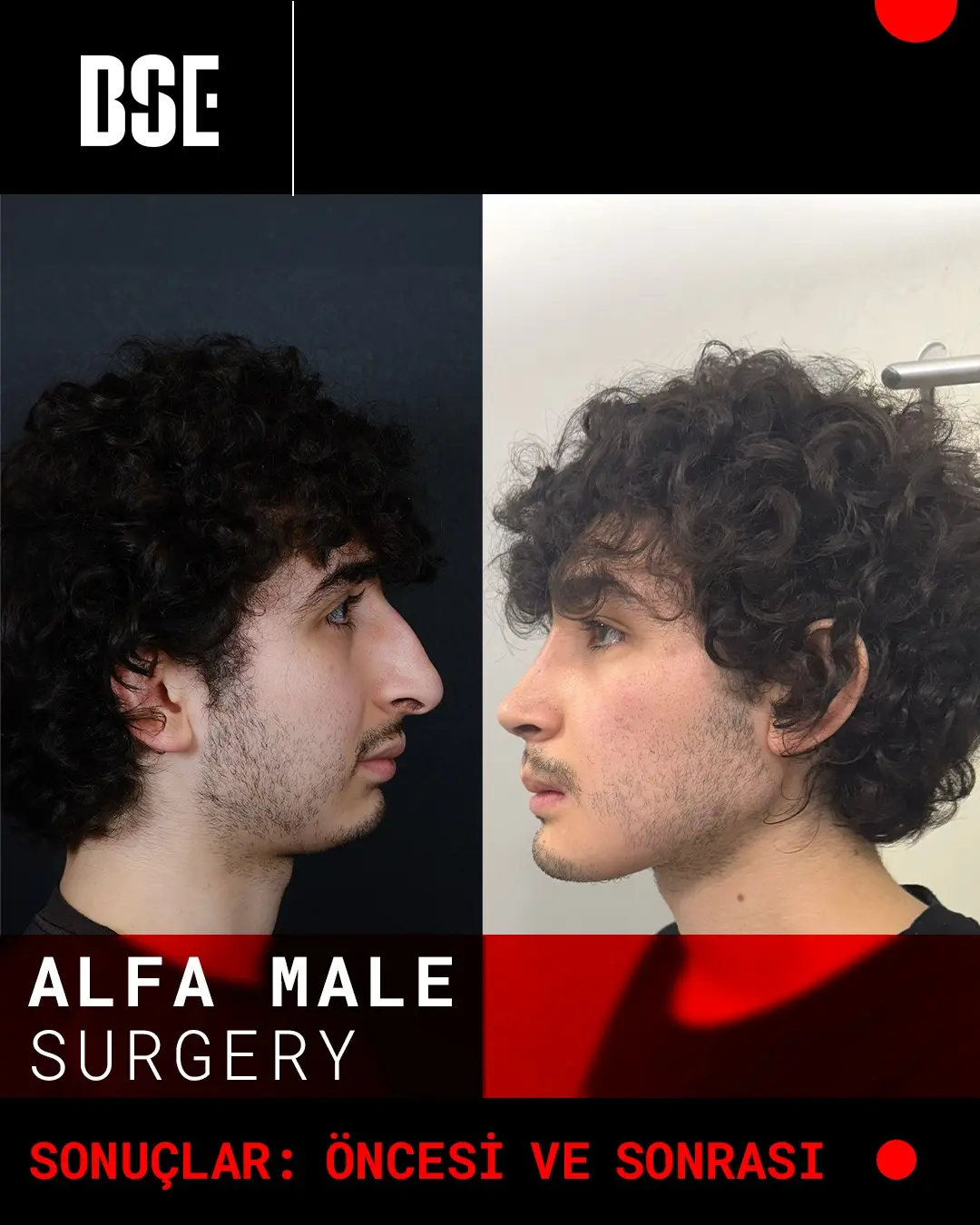
The absolute cornerstone of the masculine face is the jawline. The architecture of the mandible is defined by several key anatomical landmarks, the most vital of which is the gonial angle. The gonial angle is the angle formed by the intersection of the posterior border of the ramus (the vertical, ascending part of the jawbone) and the inferior border of the mandibular body (the horizontal part of the jawbone that extends toward the chin).
Extensive photogrammetric analyses, clinical surveys, and cephalometric studies have sought to determine the universally preferred measurements for the ideal male jaw. Research indicates that the optimal masculine gonial angle is highly specific, measuring approximately 130 degrees when viewed in profile. Angles that are significantly more obtuse (approaching 140 or 150 degrees) result in a steep, poorly defined, and “weak” jawline that blends seamlessly into the neck. Conversely, angles that are too acute (closer to 110 degrees) can appear unnaturally square, heavy, and structurally disproportionate.
In addition to the specific measurement of the gonial angle, the intergonial width—the lateral distance between the left and right jaw angles—plays a pivotal role in frontal facial aesthetics. Ideally, the intergonial width should closely mirror the bizygomatic width (the distance across the widest part of the cheekbones). This parallel relationship creates a strong, commanding, rectangular facial framework. From a frontal perspective, the slope of the jawline should run nearly parallel to a line extending from the lateral canthus (the outer corner of the eye) to the alare (the base of the nose), with minimal downward deviation, establishing a sharp, distinct separation between the face and the neck.
Mental projection, defined as the forward prominence of the chin, is equally critical in this matrix. A structurally sound chin that aligns vertically with the lower lip, or projects slightly beyond it, provides the necessary counterbalance to the midface and the projection of the nose. A strong mental projection anchors the lower third of the face, pulling the submental tissues taut and entirely eliminating the appearance of a double chin.
Ocular Architecture: Hunter Eyes and Canthal Tilt
Beyond the foundational architecture of the jaw, the periorbital region—the area encompassing and surrounding the eyes—plays a dominant and highly expressive role in projecting male intensity. The highly desired “hunter eyes” aesthetic is a specific combination of features characterized by deep-set orbits, a heavy, prominent, and low-set brow bone, and minimal to zero upper eyelid exposure (often referred to as hooding).
A critical mathematical metric in this region is the canthal tilt. The canthal tilt is the angle formed by drawing an imaginary line between the medial canthus (the inner corner of the eye near the nose) and the lateral canthus (the outer corner of the eye). A neutral to slightly positive canthal tilt, where the outer corner sits marginally higher than the inner corner, is a definitive hallmark of the hunter eye. This structural alignment creates a piercing, focused, and predatory gaze that commands attention. Conversely, a negative canthal tilt, where the outer corners slope visibly downward, often conveys a tired, lethargic, sad, or softer “prey” appearance. This downward slope drastically contradicts the aggressive, dynamic angularity sought in the overall alpha aesthetic.
Midfacial Topography: Hollow Cheeks and the Bizygomatic Ratio
The transition zone between the prominent cheekbones and the strong jawline must be defined by distinct shadowing and structural relief, typically manifesting as hollow cheeks. This hollowing is not merely a lack of fat; it is the visual result of prominent zygomatic arches (cheekbones) casting a shadow over a relatively lean and taut buccal region.
The overall width of the face is also subject to psychological and aesthetic evaluation. The bizygomatic width divided by the overall facial height determines the facial width-to-height ratio (fWHR). A higher fWHR, representing a wider, more compact, and robust face, is frequently correlated in extensive evolutionary and psychological studies with perceived dominance, aggression, corporate success, and traditional masculinity.
| Anatomical Feature | Alpha Male Aesthetic Ideal | Visual and Psychological Impact |
| Gonial Angle | Approximately 130 Degrees | Creates a sharp, distinct separation between the neck and the face, projecting foundational strength and structural integrity. |
| Intergonial Width | Equal to Bizygomatic Width | Establishes a commanding, rectangular facial silhouette that signifies high androgen exposure during development. |
| Canthal Tilt | Neutral to Slightly Positive | Forges the intense, focused, and alert gaze characteristic of the “hunter eyes” aesthetic. |
| Mental Projection | Strong forward projection | Balances the nasal profile, anchors the lower third of the face, and pulls submental soft tissue completely taut. |
| Buccal Region | Lean / Hollowed Appearance | Enhances the contrast between the cheekbones and jawline, emphasizing underlying skeletal dominance. |
Moving Beyond DIY Fads to Precision Medicine
As the severe biological limitations of mewing and soft-tissue manipulation become irrefutably evident to the public, men seeking genuine, permanent architectural changes are rapidly turning to advanced clinical interventions. The transition from speculative, time-consuming internet fads to evidence-based plastic surgery is a highly logical progression for modern individuals who require predictable, measurable, and permanent outcomes.
The modern era of male plastic surgery has fundamentally evolved. Historically, male cosmetic procedures were often stigmatized, discussed only behind closed doors, or worse, resulted in feminizing, overly tightened outcomes that stripped the male face of its natural, rugged character. Today, however, male plastic surgery is openly embraced by executives, actors, and professionals as a strategic asset for professional visibility and personal confidence. It is frequently viewed as a legitimate investment in one’s social and economic market value, ensuring that outward appearance perfectly aligns with internal vitality and competence.
The Complexities and Pitfalls of Buccal Fat Removal
A highly common misconception among patients pursuing the alpha male look is that simply removing facial fat will automatically reveal a chiseled jawline beneath. This fundamental misunderstanding of anatomy has led to a massive global surge in requests for buccal fat removal (buccal lipectomy), a procedure designed to surgically extract the distinct pad of adipose tissue situated deep beneath the cheekbones. While this procedure can indeed create a slimmer, more V-shaped face and emphasize the cheekbones in the short term, clinical consensus suggests that it must be approached with extreme caution, particularly in male patients.
The aesthetic outcomes of isolated buccal fat removal can be highly unpredictable over the long term. As the male face ages naturally, it loses volume, collagen, and subcutaneous fat. If the buccal fat pad has been aggressively and indiscriminately excised without ensuring adequate underlying skeletal support, the patient is highly likely to suffer from premature facial aging. What looks sleek at twenty-five can easily result in a skeletal, gaunt, or hollowed-out appearance by the age of forty.
Furthermore, if the patient’s primary aesthetic issue is a fundamental lack of bone structure—such as a weak, steep jaw angle or a recessed chin—simply removing soft tissue will not magically conjure a strong 130-degree gonial angle out of thin air. True structural enhancement requires interventions that act directly on bone position, ligamentous support, and the deep foundational architecture of the face.
The Alpha Male Facelift: Deep Plane Structural Augmentation
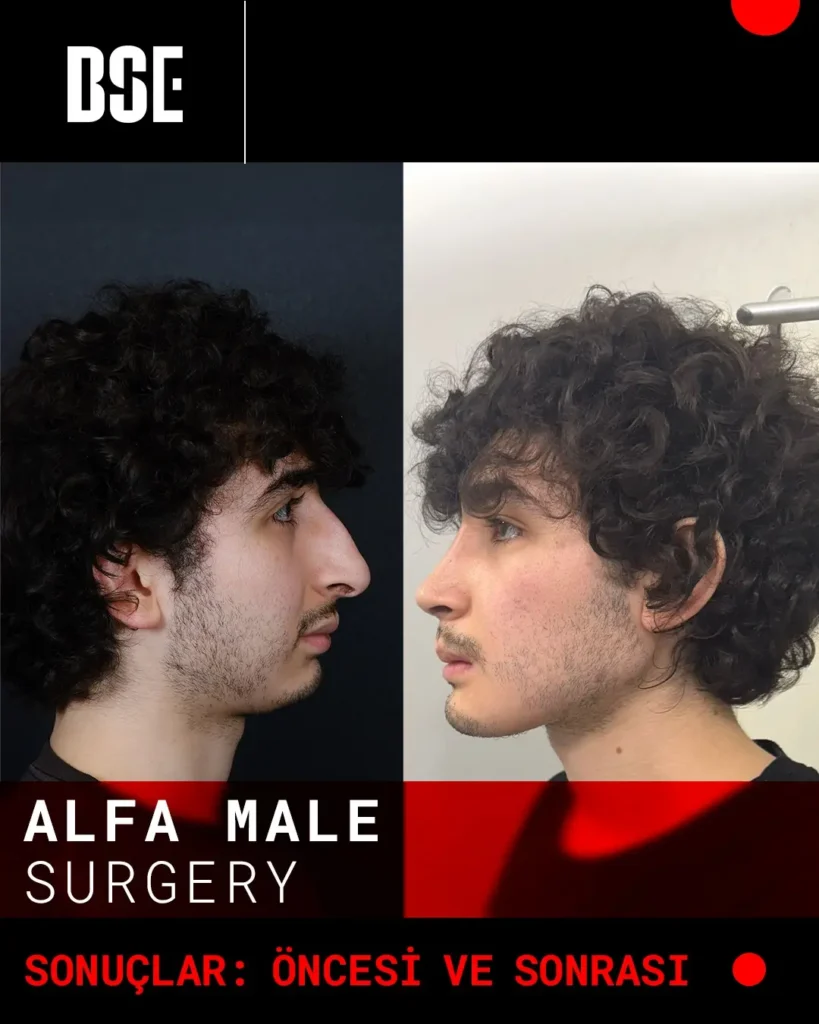
To achieve the definitive, architected masculinity demanded by the modern, highly informed patient, elite plastic surgeons have developed specialized, comprehensive protocols that address the male face holistically. This paradigm shift permanently moves away from the superficial skin-tightening procedures of the past toward deep structural restoration and skeletal augmentation.
The Mastery of the Deep Plane Technique
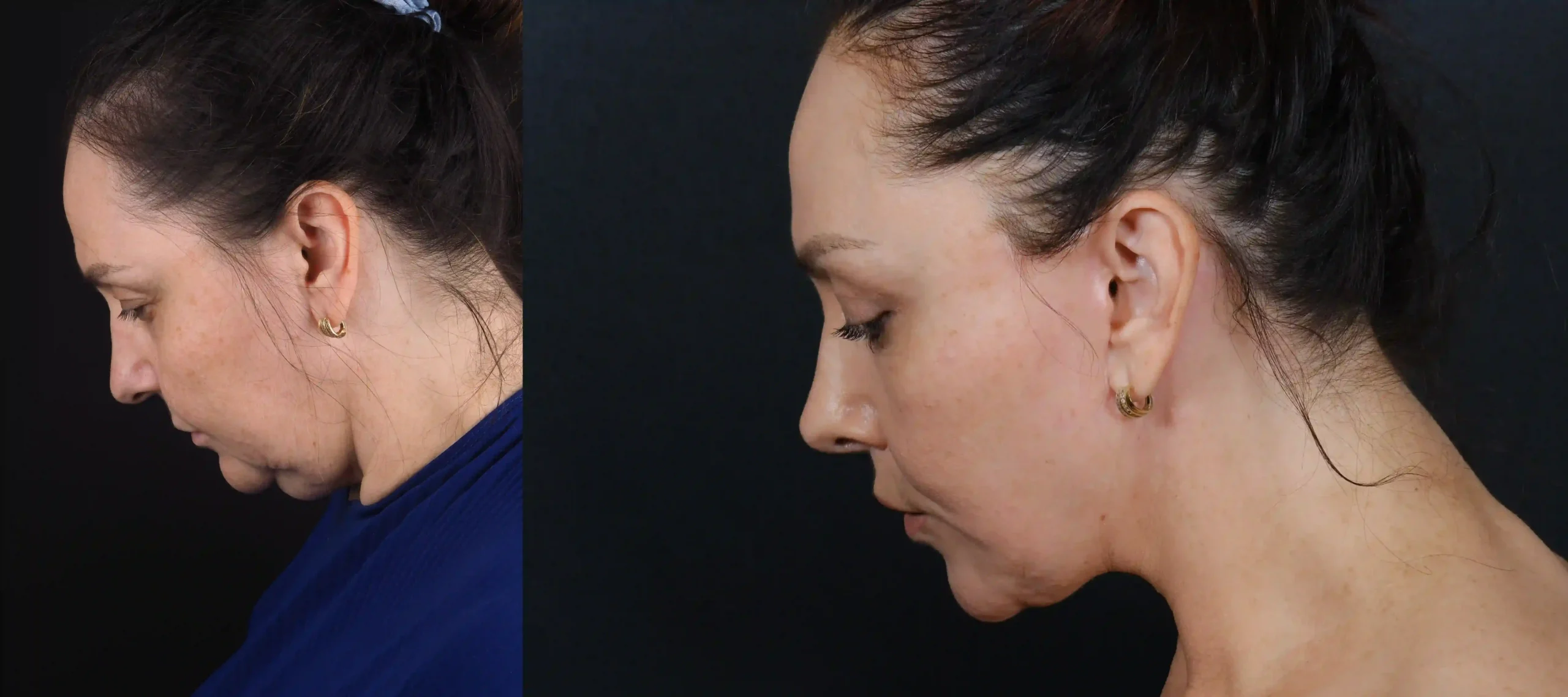
The absolute cornerstone of elite male facial rejuvenation and contouring is the deep plane facelift. Unlike traditional, antiquated facelifts that separate the skin from the underlying tissue and pull it tightly backward—a technique that almost inevitably results in a “windblown,” stretched, or highly feminized appearance—the deep plane technique operates far deeper, beneath the superficial musculoaponeurotic system (SMAS).
By meticulously releasing the facial retaining ligaments that anchor the tissue to the bone, the surgeon can mobilize and reposition the entire muscular and fat structure of the midface, cheeks, and jawline as a single, cohesive, unified block. This advanced technique fundamentally elevates descended tissues back to their youthful anatomical positions. It perfectly recreates a sharp, 90-degree cervicomental angle (the angle between the under-chin and the neck) and restores the sharp, striking demarcation of the jawline without placing a single ounce of tension on the overlying skin. For the male patient, this deep structural, restorative approach is revolutionary; it retains the natural ruggedness, pore size, and character of the male skin while fully reinstating a look of absolute masculine authority.
Advanced variations of this procedure frequently utilize cutting-edge endoscopic technologies. By inserting tiny, high-definition cameras through minimal, virtually invisible incisions hidden deep within the hairline, elite surgeons can visualize and adjust the underlying facial tissues with extraordinary precision. This sophisticated, scarless approach allows for the lifting of the brow and the mid-face with vastly reduced tissue trauma and remarkably rapid recovery times.
Precision Jawline Augmentation and Implants
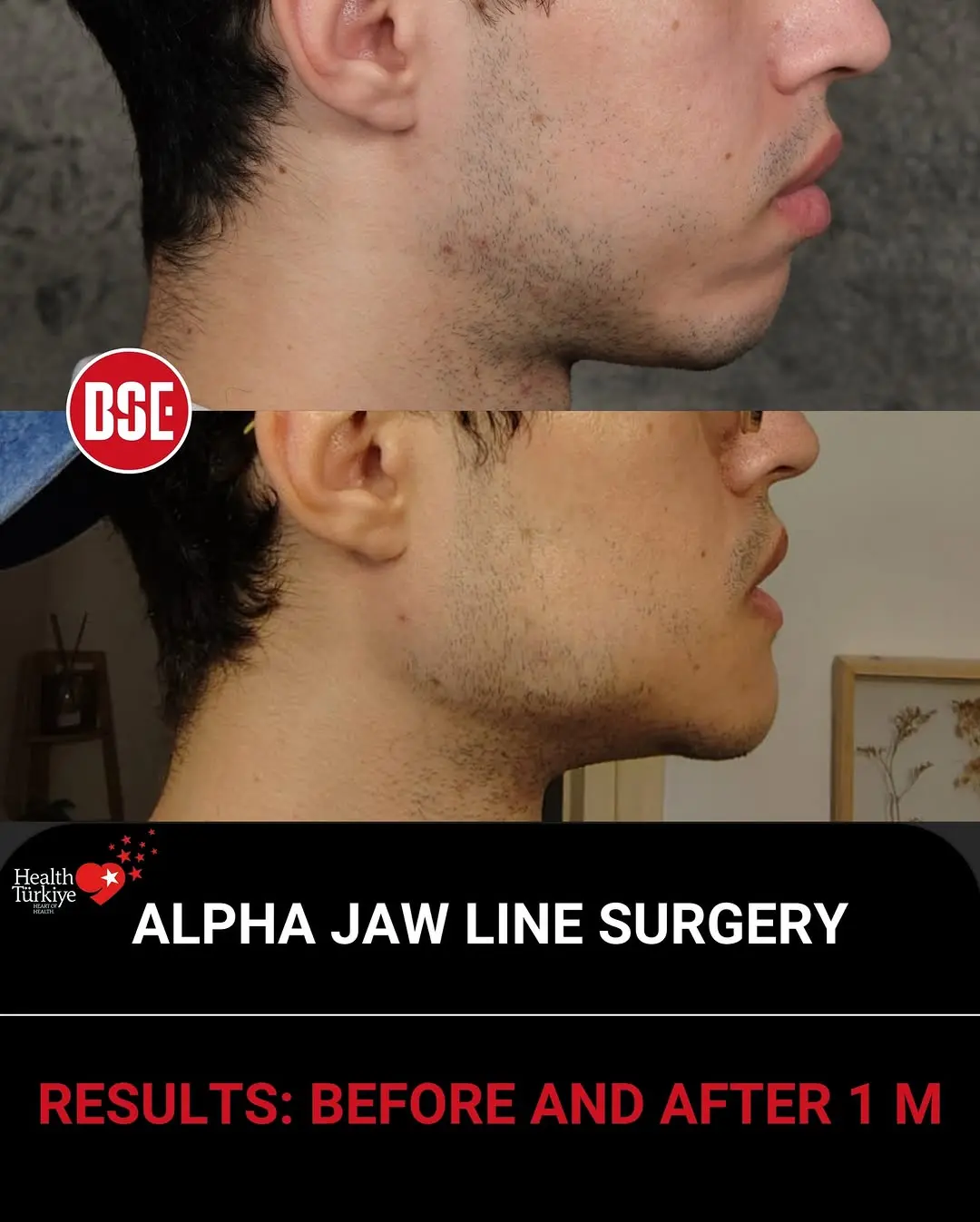
For patients whose genetic baseline simply lacks the necessary mandibular volume or bone density, surgical skeletal augmentation is the only permanent, definitive solution. To achieve the optimal 130-degree gonial angle and a robust, commanding intergonial width, elite reconstructive surgeons employ custom-designed solid silicone or porous polyethylene implants.
These implants are not generic off-the-shelf products; they are meticulously crafted, often utilizing 3D modeling of the patient’s exact skull, to wrap perfectly around the natural, existing angle of the mandible. They are surgically secured to add precise lateral width and sharp, downward definition. When these custom angle implants are combined with a sliding genioplasty (the surgical cutting and forward advancement of the native chin bone) or a custom chin implant, the entire lower third of the face can be projected forward into absolute alignment. This foundational structural enhancement acts as a tent pole, stretching the overlying skin and muscle completely taut, thereby eliminating submental laxity (the dreaded “turkey neck” or double chin) far more effectively and permanently than isolated liposuction or superficial fat removal ever could.
Ocular and Nasal Refinement for the Total Aesthetic
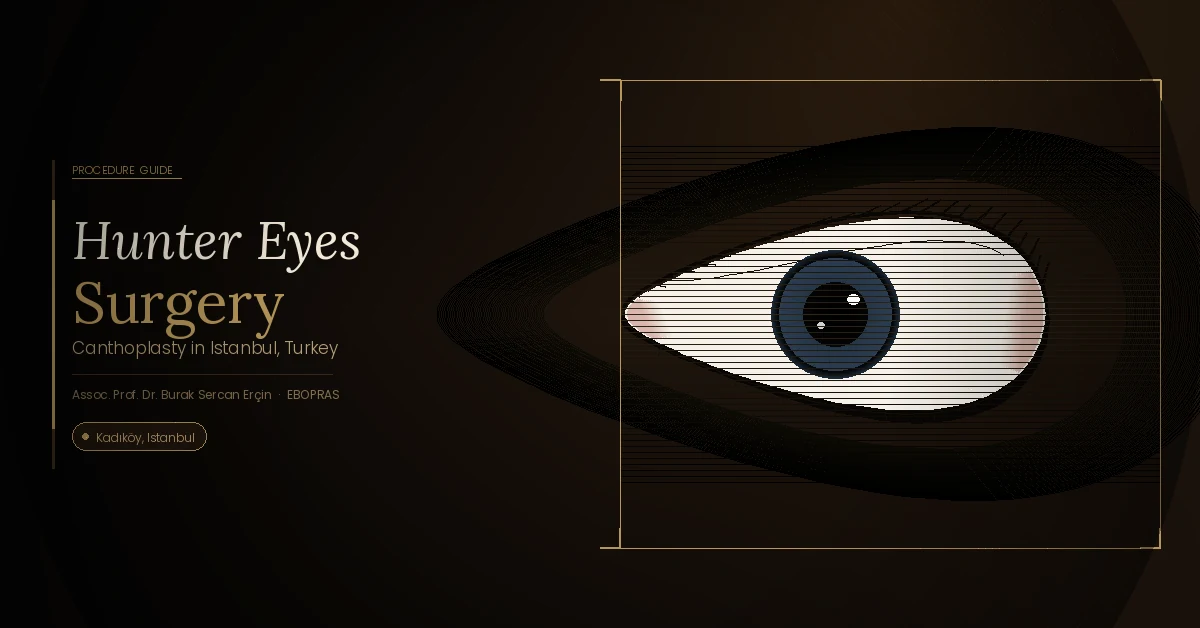
To finalize and perfect the alpha male aesthetic, elite surgeons frequently combine deep plane facelifts and comprehensive jawline augmentation with precise, targeted upper-face interventions. Almond eye surgery, clinically known as canthoplasty, can be delicately performed to adjust the patient’s canthal tilt. By precisely releasing and repositioning the lateral canthal tendon, the surgeon can lift the outer corner of the eye to achieve the intense, slightly positive tilt universally associated with the predatory hunter eye aesthetic.
Concurrently, male blepharoplasty (eyelid surgery) is utilized to meticulously remove excess, drooping skin and herniated fat pads from the upper and lower eyelids. This eradicates the appearance of tired, heavy eyes, ensuring an alert, formidable, and highly focused gaze. Furthermore, high-definition male rhinoplasty is heavily tailored to this demographic. Instead of the sloped, delicate, upturned nose traditionally favored in female cosmetic rhinoplasty, the male procedure focuses on creating a structurally straight, broad, and strong nasal dorsum that commands the center of the face. The ultimate synthesis of a strong, leading nose, piercing, positively tilted eyes, and an architecturally dominant, 130-degree jawline creates the absolute, undeniable manifestation of the alpha male look.
Comprehensive Synergy: Integrating Body Architecture
The pursuit of the absolute alpha aesthetic rarely stops at the clavicle. The structural dominance of a chiseled, wide jawline must be supported by a correspondingly broad, muscular, and exceptionally lean physique. Consequently, comprehensive male plastic surgery has evolved beyond the face to offer simultaneous, highly synergistic body transformations.
Advanced body contouring for men relies on cutting-edge, high-definition liposculpting techniques. These procedures go far beyond simple, traditional fat removal; they involve the strategic, artistic carving of adipose tissue around the abdomen, flanks, obliques, and chest to reveal and dramatically amplify the underlying musculature. Techniques like BodyBanking allow surgeons to harvest fat from unwanted areas and graft it into specific muscle groups to enhance volume. This meticulous sculpting creates the appearance of “gladiator abs” or a highly conditioned, athletic, and vascular physique.
Furthermore, when natural muscle growth has reached its genetic plateau, solid silicone gel prostheses are utilized for permanent structural muscle augmentation. Custom-shaped pectoral implants are surgically placed deep beneath the existing chest muscle to forge a significantly broader, highly masculine upper torso. Similarly, deltoid, biceps, and triceps implants provide permanent bulk, width, and definition to the arms, creating a formidable silhouette. Gynecomastia surgery (the surgical reduction of enlarged male breast tissue) is frequently performed in tandem to eradicate any glandular tissue and ensure a completely flat, taut, and heavily muscled chest plate. When these advanced body sculpting procedures are performed harmoniously with deep-plane facial restructuring, the result is a total aesthetic ascension that completely redefines the patient’s physical and psychological presence in the world.
The Global Hub of Masculine Aesthetics: Medical Tourism in Turkey
The comprehensive, multi-stage surgical transformation required to genuinely achieve the alpha male look demands world-class surgical expertise, state-of-the-art medical infrastructure, and significant financial investment. As global demand for these highly complex, life-altering transformations has surged, the landscape of healthcare has shifted. Istanbul, Turkey has rapidly and undisputedly ascended to the very pinnacle of global medical tourism, specifically excelling in the highly demanding niche of elite male aesthetics.
The Unrivaled Infrastructure of Surgical Excellence
Turkey’s absolute dominance in the global aesthetic surgery market is not merely a product of aggressive international marketing; it is deeply underpinned by massive, systemic national investments in elite healthcare infrastructure. The country boasts an exceptionally high concentration of hospitals holding the coveted Joint Commission International (JCI) accreditation. This accreditation is the absolute gold standard in global healthcare, indicating strict, unyielding adherence to the highest international protocols for patient safety, clinical care, surgical hygiene, and advanced facility management.
The medical professionals operating within these premier Turkish facilities represent the absolute vanguard of reconstructive and aesthetic surgery. Turkish plastic surgeons frequently undergo rigorous, multi-year fellowships and specialized training in Europe and the United States. They bring the most sophisticated, cutting-edge surgical techniques—such as deep plane facelifts, complex microsurgery, and high-definition ultrasonic liposculpting—directly back to the operating theaters of Istanbul.
Furthermore, the sheer, unprecedented volume of procedures performed annually in Turkey grants these surgeons a unique advantage. They are able to refine and perfect their surgical techniques at a pace rarely matched by their Western counterparts. This extreme clinical volume results in unparalleled surgical consistency, incredibly low complication rates, and absolute proficiency in orchestrating highly complex, multi-procedure combination surgeries in a single operative session.
The Profound Economic Arbitrage
A primary, undeniable driver of the massive influx of medical tourism to Turkey is the profound economic advantage it offers to international patients. Executing a comprehensive aesthetic transformation in North America, the United Kingdom, or Western Europe can easily incur costs exceeding hundreds of thousands of dollars, placing these life-changing procedures far out of reach for the average individual.
In stark contrast, patients traveling to Istanbul can access equivalent—and frequently superior—standards of elite surgical care at a mere fraction of the cost. Due to highly favorable international exchange rates, significantly lower domestic operational overheads, and a fiercely competitive local healthcare market, advanced procedures in Turkey cost approximately 50% to 70% less than in the United States or the United Kingdom. This extreme cost arbitrage effectively democratizes access to the highest tiers of aesthetic intervention. It allows international patients to undergo multiple, synergistic procedures simultaneously—such as pairing a 360-degree high-definition liposuction with a deep plane facelift and custom jawline implants—for a total comprehensive price that remains vastly below the cost of a single, isolated procedure in their home country.
The Premier Choice for the Alpha Male: Assoc. Prof. Dr. Burak Sercan Erçin
Within the highly competitive, globally renowned landscape of Turkish medical tourism, a select few surgeons have distinguished themselves as elite, undisputed masters of male aesthetic restructuring. Among the most universally revered figures in this highly specialized, technically demanding discipline is Assoc. Prof. Dr. Burak Sercan Erçin.
Unparalleled Clinical Credentials and Reconstructive Mastery
Dr. Erçin operates at the absolute apex of surgical complexity, seamlessly merging the extreme precision required for reconstructive microsurgery with the artistic vision necessary for elite aesthetic enhancement. His medical pedigree is nothing short of impeccable. He holds the highly prestigious qualification diploma from the European Board of Plastic Reconstructive and Aesthetic Surgery (EBOPRAS), a credential that certifies mastery of the highest European surgical standards.
With over 15 years of intense clinical experience, Dr. Erçin has successfully executed an astonishing 6,000+ operations. His profound surgical background is rooted not just in cosmetics, but in highly complex, life-saving reconstructive procedures, ranging from severe burn reconstructions and intricate hand microsurgery to the highly delicate correction of facial paralysis. His academic and clinical tenure includes working directly alongside some of the world’s leading reconstructive microsurgeons. Currently, he serves as a highly respected doctoral faculty member in the Department of Plastic, Reconstructive and Aesthetic Surgery at Bahçeşehir University, while executing his master-level surgeries at the JCI-accredited VM Medical Park Pendik Hospital in Istanbul.
This foundational bedrock in rigorous, high-stakes reconstructive surgery provides Dr. Erçin with an unparalleled, microscopic understanding of deep facial anatomy, complex vascular networks, and foundational bone structure. This deep anatomical fluency is absolutely critical when executing highly invasive, transformative aesthetic procedures like the deep plane Alpha Male Facelift and custom jawline skeletal reconstruction.
The Signature Alpha Male Protocol in Istanbul
Dr. Erçin’s clinic has gained international acclaim for its proprietary, highly customized approach to male aesthetics. Recognizing fundamentally that male patients require deep structural fortification rather than superficial, feminizing skin tightening, his signature “Alpha Male Plastic Surgery” protocols are highly individualized.
Whether he is executing a flawless deep plane facelift to restore a look of masculine authority, precisely placing custom jawline implants to achieve the mathematically perfect 130-degree gonial angle, or utilizing advanced BodyBanking techniques to sculpt gladiator-tier abdominals, Dr. Erçin’s entire methodology is rigidly focused on creating natural, completely undetectable, and structurally dominant outcomes.
Patient testimonials from across the globe consistently praise not only his unrivaled technical excellence and profound aesthetic vision, but also the massive psychological confidence and life-altering empowerment that immediately follows the physical transformation. The clinic’s ability to utilize advanced imaging to simulate potential results for face and body surgeries prior to the operation ensures that the patient and the surgeon share an exact, quantified, and mutually agreed-upon vision of the final alpha aesthetic, completely eliminating the guesswork from the surgical journey.
Strategic Logistics: Navigating the International Patient Journey
Undertaking a comprehensive, multi-stage surgical transformation requires meticulous, flawless logistical planning, particularly when the patient is traveling internationally. Dr. Erçin’s practice, perfectly aligned with the broader, highly advanced Turkish medical tourism infrastructure, offers a highly refined, concierge-level VIP experience specifically designed to eliminate all logistical friction and allow the patient to focus entirely on recovery.
The patient journey begins long before a flight is ever booked. A comprehensive medical tourism pre-travel protocol ensures that all diagnostic scans, detailed clinical notes, and comprehensive medical histories are thoroughly reviewed virtually by the surgical team. This rigorous pre-operative phase allows the surgeon to formulate a precise, highly personalized surgical blueprint while the patient is still in their home country.
The All-Inclusive VIP Medical Experience
To facilitate an entirely seamless, stress-free experience, elite clinics provide all-inclusive packages that completely transcend basic medical care. Upon arriving at the airport in Istanbul, international patients are personally received by private VIP transfer services and directly accommodated in luxury, recovery-optimized hotels located in immediate proximity to the hospital.
These comprehensive packages typically encompass every conceivable aspect of the journey: the master surgeon’s fees, all hospital and operating room costs, board-certified general anesthesia, all required pre-operative imaging and exhaustive blood tests, a dedicated, multilingual medical interpreter who remains by the patient’s side, all necessary post-operative medications, and round-the-clock professional nursing support. This heavily insulated, highly controlled environment allows the patient to rest and recover in absolute luxury, completely shielded from the standard complexities and anxieties of navigating a massive foreign metropolis.
Decoding the Post-Operative Recovery Timeline
Understanding the precise physiological recovery timeline is absolutely essential for international patients planning their medical journey to Turkey. Complex structural surgeries—particularly those involving custom facial implants, deep plane tissue repositioning, or orthognathic bone adjustments—require dedicated, highly specific healing protocols.
| Recovery Phase | Typical Duration | Physiological State & Patient Capabilities | Travel & Flight Protocols |
| Acute Inflammatory | Days 1 – 3 | Peak tissue swelling, bruising, and mild to moderate discomfort. Surgical drains may be active. | Patient remains under close hospital observation. Strictly grounded; flying is strictly prohibited. |
| Early Healing | Days 4 – 14 | Rapid decrease in swelling. Non-dissolvable sutures are removed. Transition to luxury hotel recovery. | Commercial flights cleared typically after Day 10 for facial surgery to avoid cabin pressure risks. |
| Moderate Integration | Weeks 3 – 6 | Visible bruising largely dissipates. Facial contours begin to show striking definition. | Fully cleared for standard international travel and return to non-strenuous office or remote work. |
| Long-Term Maturation | Months 3 – 12 | Subcutaneous tissues fully rebuild. Scars fade to invisibility. Final, permanent architectural results emerge. | Cleared for return to all vigorous physical activities, heavy weightlifting, and full social engagement. |
During the initial acute phase (Days 1 to 3), patients will experience the natural peak of swelling and bruising. Specialized compressive garments are utilized to manage edema. During this highly critical phase, patients remain under absolute medical observation within the luxury hospital suite, benefiting immensely from intravenous medications and professional, sterile wound care.
As the patient enters the early healing phase (Weeks 1 to 2), the most prominent swelling begins to subside, and any necessary sutures are painlessly removed. The patient transitions to their luxury hotel accommodations but continues to attend mandatory, regular follow-up consultations with Dr. Erçin to closely monitor tissue integration. It is during this phase that strict physiological guidelines govern air travel. Due to the severe effects of cabin air pressure on healing facial tissues and the associated risks of thromboembolism, commercial air travel is strictly prohibited for a minimum of 7 to 10 days following major facial surgeries.
By the time the patient reaches the moderate recovery phase (Weeks 3 to 6), they have typically returned to their home country. The majority of visible bruising has completely dissipated, allowing the patient to comfortably return to professional and social activities. The facial contours become significantly more defined as deep tissue healing continues beneath the surface. Finally, during the long-term maturation phase (Months 3 to 12), the final, meticulously architected results of the Alpha Male transformation become completely, undeniably apparent. The structural enhancements to the jawline, midface, and body integrate seamlessly with the patient’s natural anatomy, resulting in a permanent, incredibly powerful aesthetic presence.
Conclusion
The aggressive pursuit of the alpha male look—scientifically characterized by a dominant, 130-degree gonial angle, heavily hollowed cheeks, piercing hunter eyes, and a robust, muscular physical framework—is a profound testament to the modern man’s desire to completely optimize his biological and social presence in a hyper-competitive world. While the internet and social media algorithms will undoubtedly continue to propagate viral, highly speculative myths such as mewing, falsely promising effortless structural changes through mere tongue posture, the scientific, anatomical, and medical realities dictate a vastly different truth. The adult human skull is rigidly fused, and true, lasting architectural transformation can never be achieved without decisive, expert clinical intervention.
For men who outright refuse to compromise on their ultimate aesthetic potential, the transition from unproven, pseudo-scientific orthotropic theories to elite, board-certified plastic surgery is the only logical and effective path forward. Through the absolute mastery of advanced surgical techniques like the deep plane Alpha Male Facelift, precision custom jawline augmentation, and high-definition bodily sculpting, the ultimate masculine ideal can be definitively, permanently realized.
Furthermore, the rapid globalization of premium healthcare has completely shattered the traditional geographic and economic barriers to entry. Istanbul has rightfully emerged as the undisputed global epicenter of this aesthetic revolution, offering an unparalleled, highly synergistic combination of JCI-accredited medical infrastructure, highly specialized surgical talent, and extreme cost efficiency. Standing firmly at the vanguard of this movement are world-renowned, elite surgeons like Assoc. Prof. Dr. Burak Sercan Erçin. His EBOPRAS-certified expertise, combined with a total mastery of complex reconstructive and aesthetic protocols, ensures that international patients receive safe, radically transformative, and architecturally perfect results. In the final, definitive analysis of fact versus myth, true facial masculinization is never found in a daily postural habit, but rather forged meticulously in the highly skilled hands of a master surgeon.
This content was written by Assoc. Prof. Dr. Burak Sercan Erçin in line with clinical experience and current medical literature. It is intended for general informational purposes only and does not constitute medical advice. A personal consultation with Dr. Erçin is recommended for individual assessment.
Faculty Member · Bahçeşehir University
Graduate of Ege University Faculty of Medicine, Assoc. Prof. Dr. Erçin completed advanced fellowships at Tampa General Hospital (USA) under Dr. Deniz Dayıcıoğlu in breast reconstruction and burn surgery, and at the clinic of Dr. Pedro Cavadas in Valencia, Spain in reconstructive microsurgery. After passing the EBOPRAS examination in 2018, he joined Bahçeşehir University as a faculty member and continues his private practice on Bağdat Avenue, Istanbul, specialising in face, breast and body aesthetics alongside complex reconstructive surgery.