This article was written by Assoc. Prof. Dr. Burak Sercan Erçin and is based on clinical experience. A specialist in Plastic, Reconstructive and Aesthetic Surgery; prepared in accordance with current medical literature and personal surgical data. A consultation is recommended before making any medical decisions.

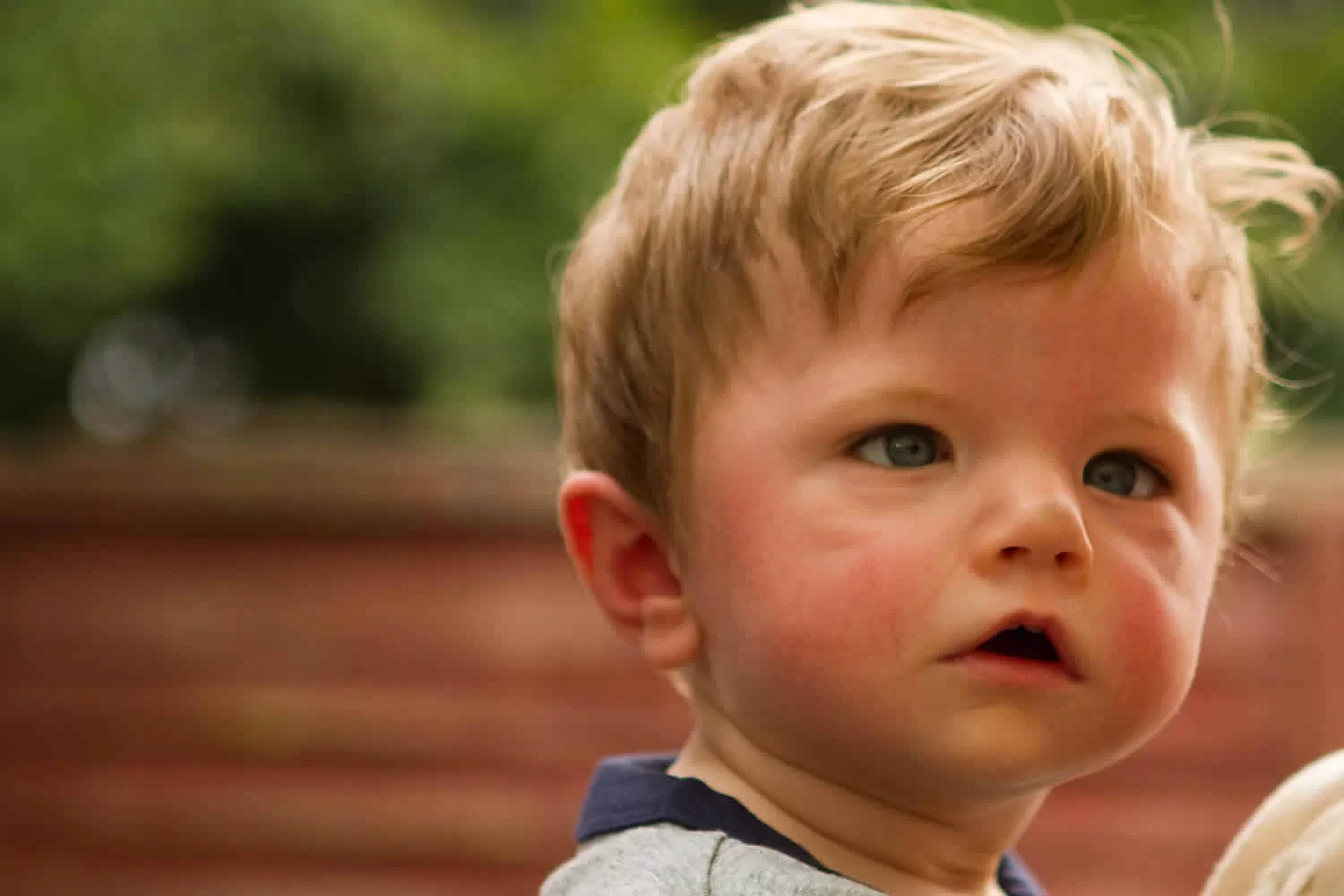
Introduction to Moebius Syndrome: Moebius Syndrome is a very rare congenital neurological disorder. It occurs when the nerves that control facial expression (the 7th cranial nerve) and eye movement (the 6th cranial nerve) don’t develop properly. Children with Moebius Syndrome are born with facial muscle paralysis on one or both sides of the face and often cannot smile, frown, or raise their eyebrows. Other common features include crossed eyes (strabismus), difficulty blinking, feeding and swallowing problems, and sometimes limb or chest abnormalities.
Because Moebius Syndrome affects facial expressiveness, families may notice at birth that their baby has a “mask-like” face and trouble sucking or closing eyes. Researchers believe Moebius Syndrome has a mixed genetic and environmental basis, but most cases occur sporadically with no family history. The exact cause remains unknown, and there is no single “test” for it. Instead, doctors diagnose Moebius based on its characteristic physical signs.
Moebius Syndrome is very uncommon (occurring in roughly 2–20 per million births), so many pediatricians or physicians may see only a few cases in a career. Raising awareness is key. Awareness organizations and patient advocacy groups exist to help families learn about Moebius Syndrome, connect with specialists, and share experiences. Early recognition can help arrange the right support and interventions as soon as possible.
Symptoms and Signs of Moebius Syndrome
Children with Moebius Syndrome have a range of physical and functional symptoms. These can include:
Facial paralysis: The most obvious sign is inability to move facial muscles on one or both sides. Babies cannot smile, grimace, or frown. They may also struggle to close their mouth or lips tightly, leading to drooling.
Eye movement issues: The abducens nerve (cranial nerve VI) is usually involved, so many patients cannot move their eyes fully sideways. This often causes crossed eyes or inward turning (esotropia). Eyelid closure is weak, so eyes may not blink or close completely, risking dry eye or corneal irritation.
Feeding and speech difficulties: Newborns often have trouble sucking or swallowing. Some need feeding therapy or special bottles. As children grow, limited lip and cheek movement can lead to speech articulation problems (especially sounds like “m,” “b,” and “p” that require lip closure). Speech therapy can help adapt to these challenges.
Facial bone/jaw differences: Many patients have a small jaw or chin (micrognathia) and a small mouth. A high-arched or cleft palate is common, which can complicate eating and speech. Missing or misaligned teeth may also occur.
Other cranial nerves: In some cases, additional nerves (such as the 5th, 9th, or 12th) are affected. This can cause tongue weakness, drooling, or swallowing issues beyond the typical problems.
Limb and chest anomalies: About 1 in 3 children with Moebius Syndrome have orthopedic differences such as clubfoot (talipes) or webbed/fused fingers. A condition known as Poland Syndrome (underdeveloped chest muscles) can also co-occur.
Hearing and vision: Some children have hearing loss (often conductive) or other vision issues due to eyelid problems. Regular hearing and eye exams are part of monitoring.
Because Moebius Syndrome is present at birth (non-progressive), most of these symptoms are observed early on. Parents or doctors usually notice that a newborn isn’t smiling or making expressions, and that feeding is difficult. Early management often focuses on feeding support (such as special nipples or tube feeding if needed) and protecting the eyes.
Causes and Diagnosis
The cause of Moebius Syndrome is not fully understood. It’s thought to result from a combination of genetic and environmental factors that disrupt fetal development of the brainstem. Some rare gene mutations (for example in HOX, PLXND1 or REV3L genes) have been linked to Moebius Syndrome or Moebius-like conditions, but in most cases no definite genetic cause is found. Certain prenatal exposures – like medications (misoprostol) or vascular events in pregnancy – have also been implicated. However, the vast majority of cases are sporadic (occurring at random) with no family history. Researchers continue to study the genetics, but at present there is no prenatal test for Moebius Syndrome; it cannot be diagnosed before birth.
How Moebius Syndrome is diagnosed: There is no single test. Diagnosis is made by a doctor (often a pediatrician, neurologist or craniofacial specialist) who observes the characteristic features. Key criteria include congenital, non-progressive facial paralysis and lack of lateral eye movement. In practice, doctors look for the classic signs: lack of facial expression and inability to move the eyes to the side. An MRI of the brainstem may be done to confirm there are no other brain abnormalities and to look at nerve development. Other evaluations (hearing test, genetic testing to rule out syndromes) may be performed to check for associated conditions. Because the condition is so rare, families often become experts on their child’s unique needs. Having a multidisciplinary evaluation — involving pediatric neurology, ENT/otolaryngology, ophthalmology, genetics, and craniofacial plastic surgery — can help map out a treatment plan.
Challenges of Living with Moebius Syndrome
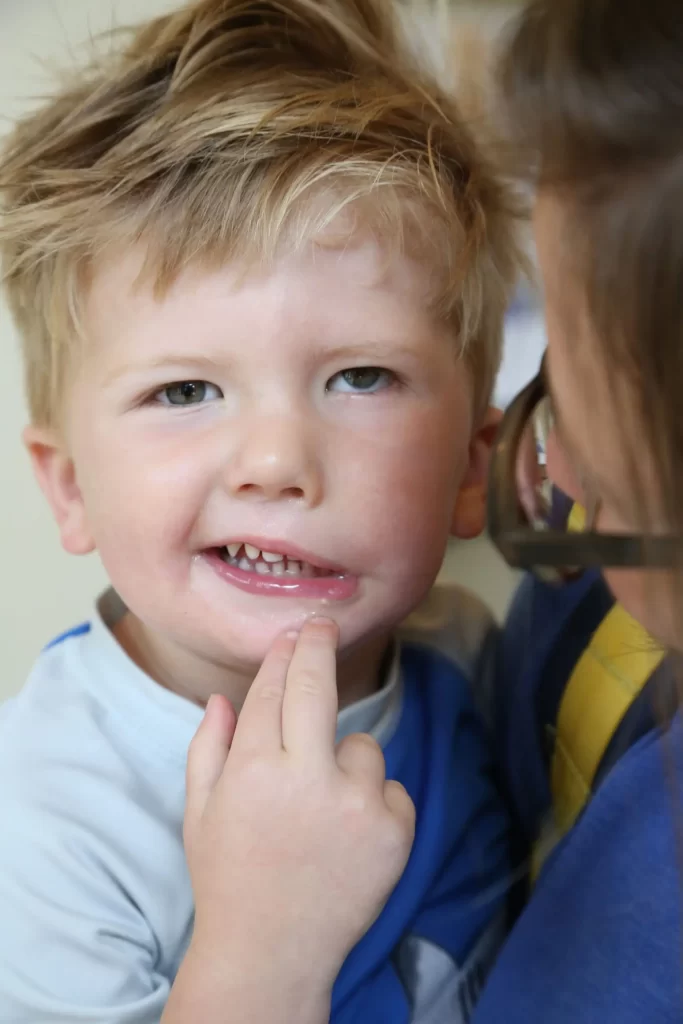
Emotional and social challenges: Living with Moebius Syndrome can be socially and emotionally challenging. Because individuals cannot smile or show facial expression, their feelings can be misunderstood. Others may incorrectly assume they are unhappy, disinterested or even “emotionless.” In school or play, children with Moebius may face teasing or isolation simply because they look different. Some parents report that teachers or doctors initially thought their child had autism or developmental delays, simply because the child did not make expected eye contact or facial cues.
In reality, Moebius children have normal social intelligence; they just cannot express emotion through their face. It is important for families to explain to peers and educators that the child is capable and emotionally engaged despite the mask-like face. Many support groups encourage children to wear a “smiley face” pin or use humor when introducing the topic to classmates, helping to break the ice.
Psychologically, some people with Moebius (especially adolescents) struggle with self-esteem because of their appearance. Feelings of frustration, anxiety or depression can occur, just as they can for anyone who feels “different.” Studies by Dr. Kathleen Bogart (a researcher and person with Moebius herself) have found that people with Moebius are generally just as happy and satisfied with life as others.
However, individuals can have social challenges and benefit from counseling or peer support. Families often say that strong parental support, counseling, and connecting with other Moebius families make a big difference. Building resilience through coping strategies (like volunteer work, creative expression, or focusing on personality rather than looks) helps. The Moebius Syndrome Foundation and UK support groups (like Changing Faces) provide emotional support and organize conferences where patients share experiences and learn to advocate for themselves.
Functional challenges: In day-to-day life, patients face practical issues. Feeding and eating can be difficult in infancy – many babies need feeding therapy or special nipples if they cannot suck well. Speech difficulties are common because they cannot purse lips or use facial muscles to form sounds. Early speech-language therapy can help these children learn alternative ways to articulate clearly. Eye care is another big issue: since eyelids may not close completely, children need regular eye lubrication (drops or ointment) and protection (taped eyelids at night). If strabismus causes double vision or amblyopia (lazy eye), surgery by an ophthalmologist may be needed. Dental and orthodontic care is important for cleft palate or jaw issues. Orthopedic care may be needed for clubfeet or hand anomalies – typically surgeons fix severe clubfoot early in life so the child can walk.
Families must also manage hospital appointments, therapies, and sometimes multiple surgeries. This can be stressful both emotionally and financially. It’s important for families to work closely with a coordinated team of specialists (the “craniofacial care team”) who understand Moebius. Online communities and camps (for kids with craniofacial differences) can help children feel accepted. In Turkey and elsewhere, some major medical centers have craniofacial units or facial paralysis teams that can help arrange these services.
Treatment Options for Moebius Syndrome
There is no cure for Moebius Syndrome, but many treatments can improve function and quality of life. Care is always multidisciplinary. Here are the main approaches:
- Speech and Feeding Therapy: From infancy, a speech-language pathologist (SLP) or feeding specialist helps babies and children learn to eat and talk. For example, therapists may teach alternative techniques to create lip seal or use the tongue more effectively. In school years, an SLP works on clarity of speech and may use assistive devices if needed (e.g. speech boards or apps, though many children eventually learn to speak intelligibly).
- Physical and Occupational Therapy: These therapies build strength and coordination. They also address issues like neck stiffness or posture. Because facial muscles are weak or absent, facial exercise programs may be taught to maximize any residual movement. Occupational therapy can help with fine motor skills, especially if hand anomalies exist.
- Eye Care: An ophthalmologist monitors vision closely. Daily lubricant eye drops or ointment, moisture chambers, and night-time eyelid taping are common to keep the cornea healthy. If eyelids cannot close at all, a small gold or platinum weight implant in the upper eyelid can help it shut more completely. Surgeries such as eyelid springs or tarsorrhaphy (partially sewing the eyelids) may also be used. Regular eye exams catch problems like strabismus or amblyopia early.
- Facial Reanimation Surgery: These are the most advanced surgical treatments. They aim to restore some voluntary facial movement (usually a smile). Key procedures include:
- Free muscle transfer: A muscle (often the gracilis muscle from the inner thigh) is transplanted to the face. Microsurgeons connect its nerve to a functioning nerve in the face (commonly the masseteric branch of the 5th cranial nerve) or sometimes a branch of the opposite facial nerve (cross-facial nerve graft). Over months the transplanted muscle re-innervates and allows the patient to create a smile by biting or chewing.
- Temporalis tendon transfer (Temporalis myoplasty): The temporalis muscle (a chewing muscle on the temple) is re-routed to the corner of the mouth. When the child bites down or clenches teeth, the mouth corner is lifted. This provides a dynamic but somewhat unnatural smile movement. It is often done in younger children or as an adjunct to other surgeries.
- Static slings or lifts: In cases where dynamic reanimation isn’t possible, surgeons may use fascia or grafts to suspend the mouth corner in a partially smiling position. This does not move, but improves symmetry and allows lip seal.
- Nerve grafting and transfers: In very selected cases (if one facial nerve branch has some function), surgeons may graft nerve branches or connect a smaller donor nerve (e.g. hypoglossal branch, glossopharyngeal) to facial nerve branches to activate facial muscles. These techniques are more experimental in Moebius.
- Eyelid and Eye Muscle Surgeries: To correct issues from the eyes, surgeries include:
- Strabismus correction: Re-aligning eye muscles so the eyes look straight can improve binocular vision and aesthetics.
- Eyelid weighting: As mentioned, small weights (gold or other) can be implanted in the upper eyelid to help it shut.
- Ptosis repair: If an eyelid is drooping differently on one side, it can be adjusted.
- Corneal protection: In severe cases, a partial tarsorrhaphy (sewing eyelids at the outer corners) may be done to protect the cornea.
- Orthopedic and Reconstructive Surgeries: Clubfoot or hand anomalies are treated by orthopedic surgeons or plastic surgeons, often in infancy. If a cleft palate is present, a plastic surgeon or craniofacial team repairs it (typically in the first year of life). Jaw deformities can be corrected later with distraction osteogenesis or orthognathic surgery by orthodontists and surgeons.
- Audiology and Hearing Support: Children should have a hearing evaluation since hearing loss is relatively common. Hearing aids or ear tube surgeries may be recommended.
- Psychosocial Support and Education: Access to counseling or social workers can help the whole family. Involving psychologists, social workers, or patient organizations is often part of care. Educating schools and peers also makes a big difference in social outcomes.
Surgeries are usually planned around school age (often starting around age 4–6) so that children can benefit psychologically from having a new smile by the time they enter school. Often surgery is staged: for example, Dr. Shai Rozen’s team does a cross-facial nerve graft one year and then transfers the muscle a year later. Dr. Azizzadeh’s team often places muscle transfers around ages 6–7 for bilateral reanimation. Static procedures (like slings) and eyelid surgeries can be done earlier or later depending on needs.
Each patient’s plan is personalized. The goal of surgery is typically to improve oral competence (closing the mouth), allow some smiling, and boost confidence. Effective Moebius care requires a comprehensive team – including plastic surgeons, ENT specialists, ophthalmologists, speech therapists, audiologists, orthopedists and psychologists – so that all issues are addressed together.
Emerging Treatments and Trends
Although the core treatments for Moebius have been developed over decades, innovations continue. Current trends include:
Free muscle transfers remain the “gold standard.” Bilateral gracilis muscle transfers (one for each side) are widely used because they can produce a spontaneous-looking smile. Recent practice favors hooking the gracilis to the masseteric nerve (a branch of CN V that controls chewing). This provides a reliable, voluntary smile: when the child bites, the new muscle lifts the mouth corners. (A recent review noted the masseteric nerve in 90% of cases as the donor nerve of choice.) Surgeons are also experimenting with using any remaining tiny facial nerve fibers (if present) to power the transplanted muscle, especially in milder cases.
Temporalis transfers are being refined. Doctors have improved the technique with smaller incisions (endoscopic approaches) and dynamic tendon transfers, helping children learn to use the temple muscle for smiling. Some surgeons now combine temporalis slides with partial muscle grafts for better results.
Selective neurolysis: This is a newer technique that involves releasing and weakening certain facial muscles (like the downward-pulling platysma) so that any upward movement is easier. Early reports suggest it can allow some spontaneous facial animation with minimal downtime, but it is still considered experimental.
3D imaging and surgical planning: Advanced imaging is used to plan nerve grafts and muscle positioning with more precision. Virtual planning tools and nerve monitoring in surgery help optimize outcomes.
Multidisciplinary pediatric protocols: Some centers (especially in the UK) are developing formal care pathways, so that every newborn diagnosed with Moebius automatically gets referral to a craniofacial clinic with all specialists involved. This integrated approach – coordinating feeding, eye protection, hearing checks, speech therapy and family support from day one – is showing better developmental progress for children.
Social and psychological support services: Many specialists now incorporate routine counseling and peer support from early on. Techniques like emotion coaching (encouraging discussion about feelings) and social skill training are used so that children don’t fall behind emotionally or socially.
Genetic research (future hope): Scientists are studying the genetic mutations associated with Moebius. Although no gene therapy exists yet, understanding the biology may someday lead to preventative treatments in pregnancy. For now, this research mainly helps clarify diagnosis and family counseling.
Telemedicine and international collaboration: Because Moebius is so rare, leading surgeons (in the US, Europe and elsewhere) often collaborate and share videos. Virtual consultations now allow families from around the world to get expert advice without travel, and many big craniofacial centers host annual Moebius conferences.
In summary, the trend is toward earlier intervention and more holistic care. The focus is not only on surgical technique but on the child’s overall development and well-being. Any new advances in nerve regeneration or muscle stimulation could be impactful in the future, but at present the established surgeries (nerve grafts and muscle transfers) combined with therapy remain the mainstay.
Why Choose Turkey for Treatment?
Turkey has become a popular medical tourism destination, and there are specific advantages for Moebius patients (and other facial palsy cases) considering Turkey:
High quality of care: Many Turkish hospitals and clinics are internationally accredited (e.g. JCI). Leading universities and private hospitals in Istanbul, Ankara, Izmir and other cities have modern operating rooms and intensive care units. Many Turkish doctors are trained internationally. For example, Turkey has specialists in facial nerve and craniofacial surgery who frequently handle complex cases. Hospitals like Acıbadem, Memorial, Florence Nightingale and American Hospital Istanbul often feature English-speaking staff and offer packages for international patients.
Cost efficiency: The cost of treatment in Turkey is typically much lower than in the USA, UK or other Western countries. For instance, facial reanimation surgeries (which can be tens of thousands of dollars abroad) may cost a fraction in Turkey due to favorable exchange rates and competition among clinics. Turkey is advantageous in terms of exchange rate and there is a lot of competition for Moebius syndrome surgery, helping keep prices down. This allows families to access highly specialized surgery without exorbitant bills.
Experienced surgeons: Turkey has top specialists in plastic surgery and ENT who collaborate on facial paralysis. Doctors like Dr. Burak Sercan Erçin (in Istanbul) are known for their facial reanimation expertise. Many of these surgeons have trained or lectured abroad. Medical staff in Turkey often speak fluent English (and other languages), easing communication.
Comprehensive services: Major Turkish hospitals have dedicated “International Patient Departments” that help with all aspects of the visit. They can arrange medical visas, airport transfers, hotel bookings and translators. Health tour operators (like MediGlobus or TripnCare) also assist foreign patients with treatment packages.
Convenient travel hub: Istanbul’s two airports and Turkey’s well-connected flights make travel relatively straightforward from Europe, Asia and the Middle East. No long waiting lists means you can often schedule surgery quickly once in Turkey.
Post-op recovery environment: Turkey offers a pleasant environment for recovery. Many patients enjoy recovering by the seaside (e.g. Antalya or Bodrum) or exploring cultural sites (Istanbul’s historic areas) after surgery. The climate can be mild (depending on region and season). Tourism infrastructure means good hotels, healthy Mediterranean food, and friendly service for recuperating patients.
Comprehensive specialties: If other issues exist (e.g. orthodontics for cleft palate, orthopedics for clubfoot), these specialists are also available in Turkey’s big cities. This ensures all aspects of care can be coordinated.
Government support: The Turkish government actively supports the health and aesthetic sector, ensuring advanced technology and training are available. This means patients benefit from up-to-date techniques and equipment.
Given these advantages – quality care, lower cost, experienced teams, and tourist-friendly setting – many families find Turkey an attractive option for Moebius Syndrome treatment.
Planning Your Trip to Turkey for Moebius Treatment
If you’re considering Turkey for care, careful planning will help ensure a smooth experience. Consider the following steps:
Research and choose a clinic/surgeon: Identify hospitals with strong craniofacial or facial paralysis programs. Look for doctors with experience in Moebius Syndrome (plastic surgeons or ENT with relevant subspecialty). Many surgeons offer online consultations; prepare photos and medical records (you’ll need to send these in advance). Reading patient testimonials and forums can be helpful, but verify credentials independently.
Medical visa and travel arrangements: Check if you need a medical visa for Turkey. Many nationalities can apply online for an e-visa, but some may require a specific medical visa (you can get details from the Turkish consulate). Book flights to the nearest major city (often Istanbul or Ankara). Arrange airport pickup – many hospitals and hotels provide transfer services.
Pre-travel preparations: Send all relevant medical documents (doctor’s notes, scans, photos) to your chosen doctor/hospital ahead of time. Carry copies of immunizations and prescriptions. Make sure routine vaccinations (like tetanus) are up to date. If your child is young, pack familiar comfort items (favorite toys, etc.) for the trip.
Accommodation: Book a hotel or apartment near the hospital. Some hospitals have guest housing for international patients. Factor in a recovery stay of at least 1–2 weeks (or longer if a major surgery). Choose lodging that offers peaceful rest (quiet neighborhood, helpful staff). If needed, bring a companion (parent or caregiver) for support.
Language and culture: Most medical staff in major Turkish hospitals speak English, but you might pick up a few basic Turkish phrases (“Merhaba” for hello, “Teşekkür ederim” for thank you). Note that Turkey is culturally Muslim, so being modest in dress and respectful of local customs is appreciated. Alcohol and certain foods are widely available; halal food is common too.
Finances and insurance: Inform your insurance company about international treatment (though often you’ll be self-pay). Bring enough funds: you may need to pay for treatment upfront by credit card or wire transfer. Keep some cash (USD or EUR) as backup. Turkey’s currency is the Turkish Lira (₺); many places accept cards.
Transportation in Turkey: Taxis and rideshare apps (like BiTaksi) work well in cities. Hospitals often provide shuttle vans or can arrange private drivers. If you plan sightseeing, consider pre-arranged tours or hire a guide.
Aftercare and follow-up: Ask if your surgeon will provide post-op follow-up via video call or allow you to return for a check-up later. Plan how to access local pharmacies or clinics for urgent needs during recovery. Turkish hospitals usually give detailed discharge instructions (medications, wound care).
Travel insurance: Purchase travel insurance that covers medical care and evacuation. While complications are uncommon, it’s best to be covered.
Health precautions: No special vaccinations are required for most visitors, but check CDC travel advice. Drink bottled water if concerned about stomach upset. Familiarize yourself with emergency contact numbers (115 for ambulance, 112 for general emergency).
Bring medical records: A medical passport or folder with all your child’s diagnoses, treatments, X-rays, and a list of current medications will be invaluable. Turkish doctors will use this to understand the case.
Communication: It’s very useful to have a translator if you or your child don’t speak English well. Many hospitals can provide interpreter services.
Local contacts: Before you go, note down contact info for your country’s embassy or consulate in Turkey, in case of lost passports or other emergencies.
Local support groups: If possible, find local parent groups or expatriate communities. They can offer practical tips or companionship during a long stay.
This content was written by Assoc. Prof. Dr. Burak Sercan Erçin in line with clinical experience and current medical literature. It is intended for general informational purposes only and does not constitute medical advice. A personal consultation with Dr. Erçin is recommended for individual assessment.
Faculty Member · Bahçeşehir University
Graduate of Ege University Faculty of Medicine, Assoc. Prof. Dr. Erçin completed advanced fellowships at Tampa General Hospital (USA) under Dr. Deniz Dayıcıoğlu in breast reconstruction and burn surgery, and at the clinic of Dr. Pedro Cavadas in Valencia, Spain in reconstructive microsurgery. After passing the EBOPRAS examination in 2018, he joined Bahçeşehir University as a faculty member and continues his private practice on Bağdat Avenue, Istanbul, specialising in face, breast and body aesthetics alongside complex reconstructive surgery.