
This article was written by Assoc. Prof. Dr. Burak Sercan Erçin and is based on clinical experience. A specialist in Plastic, Reconstructive and Aesthetic Surgery; prepared in accordance with current medical literature and personal surgical data. A consultation is recommended before making any medical decisions.
Many women considering breast implants worry about long recoveries, big scars, and an artificial look. Board-certified plastic surgeon Dr. Burak Sercan Erçin is at the forefront of a new approach – often called Preservation or Preservé breast augmentation – designed to address those concerns. This cutting-edge technique leaves the chest muscle intact and uses advanced methods so that implants look and feel natural, with minimal downtime. In fact, experts like Dr. John Burns note that Preservé “enhances your curves while preserving your natural breast tissue,” resulting in “faster recovery and minimal scarring”. The idea is to safely increase breast volume without the drawbacks of traditional surgery, making it especially appealing to fitness-minded and busy women. Dr. Erçin’s practice is embracing these innovations to bring patients in Turkey, the UK, and the USA the latest in breast augmentation technology.
Click the link above to watch the highlight
Preservation (Preservé™) breast augmentation was launched by Motiva (a leading implant manufacturer) as a “minimally invasive” option in Turkey, and it’s quickly gaining attention worldwide. Although this exact branded system is not yet widely available in all countries, many surgeons use similar principles. The technique places implants above the chest muscle (either just under the breast gland or under the fascia) instead of cutting the muscle. This muscle-sparing approach avoids the implant distortion (animation deformity) seen when the muscle flexes and lets the implant move more naturally. By nestling the implant beneath the natural breast tissue, preservation augmentation maintains the soft feel and avoids the “robotic” look.

Key Features of Preservé Breast Augmentation
Minimally Invasive: The hallmark of Preservation/Perservé augmentation is tiny, discreet incisions. Unlike older techniques that required large cuts to cut the chest muscle, this method uses small (often 3cm) incisions hidden in the breast crease or armpit. These micro-incisions mean far less trauma to tissues. In practice, a specialized balloon or tissue-expanding tool creates just enough space for the implant. Dr. Burns explains that Preservé is “a minimally invasive surgical technique” designed to preserve natural breast tissue. In short, you get the size and shape you want with less cutting and more conservation of your body’s own tissue.
Muscle Preservation: This technique completely avoids slicing the pectoralis muscle. By placing the implant over the muscle (subglandular or subfascial placement), the chest wall muscles remain uncut and undisturbed. Avoiding the muscle helps patients recover faster and eliminates implant animation. Studies show subfascial placement (under the muscle’s fascia) is as safe as submuscular placement but without the movement issues. For example, highly active women (athletes, weightlifters, yogis) appreciate that their implants won’t distort during exercise. Preserving the muscle also means less pain, since you’re not poking through or detaching muscle fibers.
Tissue Preservation: Surgeons using the Preservé approach take great care to protect your natural breast tissue and nerves. The implant is gently slipped under the breast gland or fascia, stretching the tissue rather than cutting it. As the UK Star Clinic explains, Preservé “carefully stretches your natural breast tissue to nestle the implant – minimizing trauma and protecting your sensation, structure, and stability”. In other words, more of your own breast is kept intact and undisturbed, which helps maintain sensitivity and a natural look. Because less tissue is disturbed, blood supply remains healthier and patients experience less bruising or numbness after surgery.
Implant Placement Above the Muscle: Unlike traditional submuscular (under the muscle) implants, Preservation augmentation places the implant just under the breast tissue (subglandular) or just under the muscle’s fascia (subfascial). This approach combines the best of both worlds: the implant is still well-covered but not constrained by muscle. By staying above the muscle, the implant moves with your body. There’s no high-riding of the implant when flexing, and no need to sacrifice implant volume just to hide its edges. As one expert notes, implants in this plane “maintain their natural movement” and avoid the “unnatural shifting” of submuscular placement. The result is a softer, more natural appearance – your breasts will swell and settle in place as they would naturally, rather than looking fixed and high.
Natural Appearance: Thanks to modern implant design and the above-muscle placement, Preservation augmentation yields very natural results. Motiva’s latest implants (often used in these procedures) have a microtextured shell and a “gummy bear” gel interior that mimics real breast tissue. For example, Motiva’s Ergonomix implants gently deform under gravity, so they sit round when you stand but become slightly more teardrop-shaped when you lie down. This ergonomic behavior (hence the name) means your augmented breasts look and feel remarkably lifelike. By pairing these advanced implants with the preservation technique, surgeons achieve beautiful, undetectable outcomes. Patients report that their new breasts “move with the body” and feel soft – far from the rigid feel of some older implants.
Figure: A very small transaxillary (armpit) incision used in tissue-preserving breast augmentation (shown under the arm). Preservation techniques typically use incisions of only a few centimeters hidden beneath the breast or in the axilla.
Because of these small incisions and gentle handling of tissue, scarring is minimal. As Dr. Burns explains, Preservation augmentation emphasizes “smaller incisions and refined surgical techniques to significantly reduce scarring. After the surgery, you’ll likely have only a tiny line in the breast crease or underarm that fades quickly. This means you can confidently wear bikinis, tank tops, or even go bra-free without obvious scars.
Figure: A surgeon uses a Keller Funnel device to insert a breast implant through a small incision. This “no-touch” technique protects tissue and minimizes the incision size.
Surgeons also use special tools to avoid muscle cutting. For instance, a Keller Funnel (shown above) lets the implant glide in through the small incision like “pouring” a liquid, never touching the surgeon’s hands or the skin. This further shrinks the incision needed. Such innovations protect your tissues and speed up healing.
Benefits of Preservé Breast Augmentation
Faster Recovery: The biggest perk of preservation augmentation is a dramatically quicker healing time. Because the muscle and much of the soft tissue are left intact, post-op discomfort is much milder. Many patients return to gentle activities within days, and routine work in about a week. For example, Dr. Burns notes that avoiding the chest muscle means patients often have “reduced post-operative pain and can resume normal activities in a fraction of the time” compared to traditional augmentation. In practice, this means less time off work and fewer days of pain medication. Even heavy lifting is typically safe after only 2–4 weeks instead of 6–8 weeks.
Reduced Swelling & Bruising: By minimizing tissue trauma, preservation augmentation also leads to less bruising and swelling. The surgical dissection is very gentle and limited, so the body has less trauma to heal. Patients frequently report seeing almost no bruises on the chest afterward. With traditional submuscular surgery, cutting the muscle often causes more bleeding and inflammation, which means more bruising. In contrast, the preservation approach’s smaller, careful dissection translates to an easier early recovery. You’ll spend far fewer days dealing with tightness, soreness, or purple discoloration – speeding your return to comfort and normal appearance.
Lower Risk of Complications: Preservation techniques inherently carry some safety advantages. First, because the implant isn’t under tension from a muscle, there’s effectively no risk of animation deformity. The risk of visible wrinkling or displacement is lower for many patients. Second, modern implants used in this method reduce capsular contracture risk. For example, Motiva’s microtextured shells have been shown to cut down inflammation and scar-tissue formation around the implant. The safety profile of subfascial placement is “as safe as placing implants in the submuscular position. Early data also suggest low rates of infection and implant malposition. Overall, avoiding muscle cuts also eliminates certain complications entirely (no muscle paralysis or detachment issues), while preserving tissues tends to preserve normal anatomy function.

Another benefit comes from advanced implants. Modern silicone implants (often called “gummy bear” implants) used in preservation augmentation stay soft and natural. The Motiva implants pictured above, for instance, quietly settle with gravity and fit the chest wall as you move. Their microtextured surface also adds a safety margin by resisting the scar-tissue issues (capsular contracture) that plagued older implants. Because of this, women experience confident, beautiful results without worrying about hardening, shifting, or late complications.
In practice, these benefits translate to real life: you get beautiful breasts and can get back to yoga, lifting, work, and travel much sooner. One surgeon even notes that “many of our patients recover quickly without any narcotic pain medication” thanks to this muscle-sparing approach.
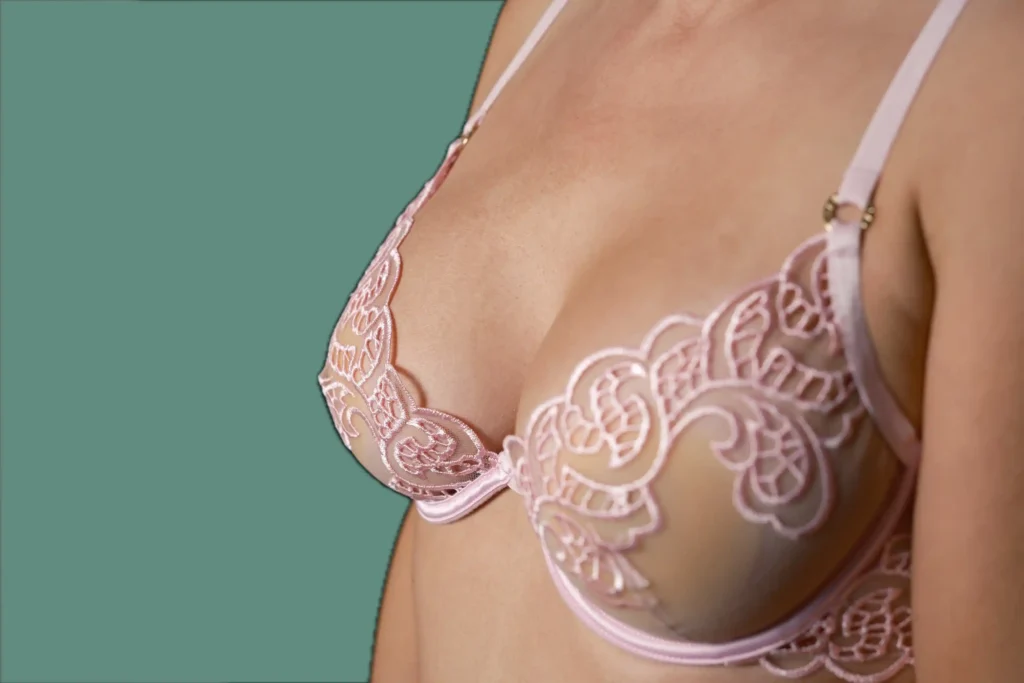
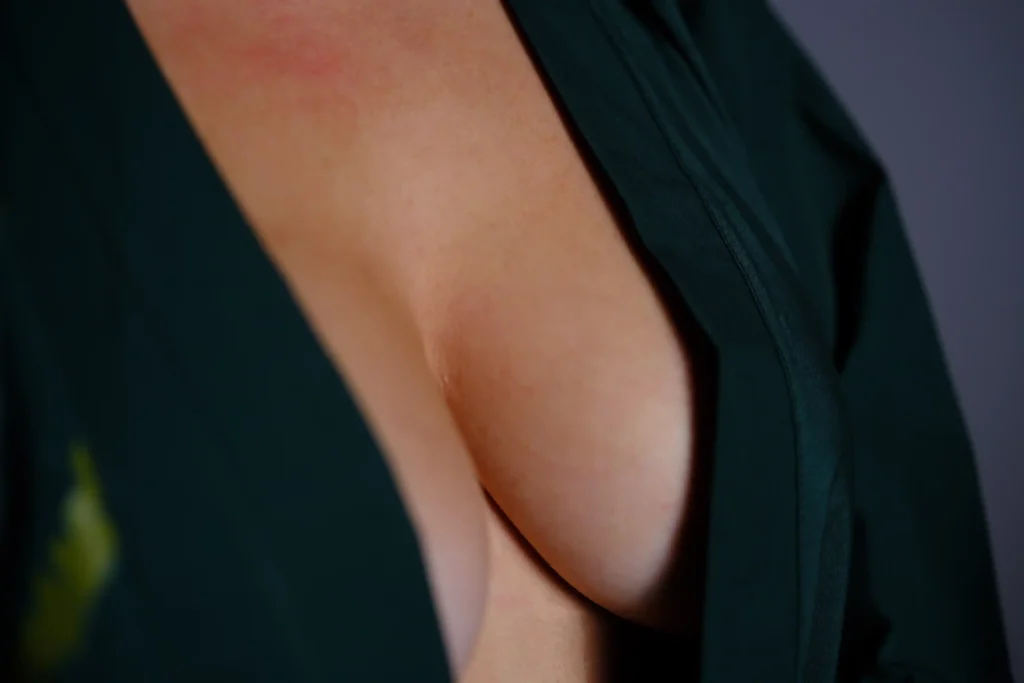
Preserve Implant Before/After
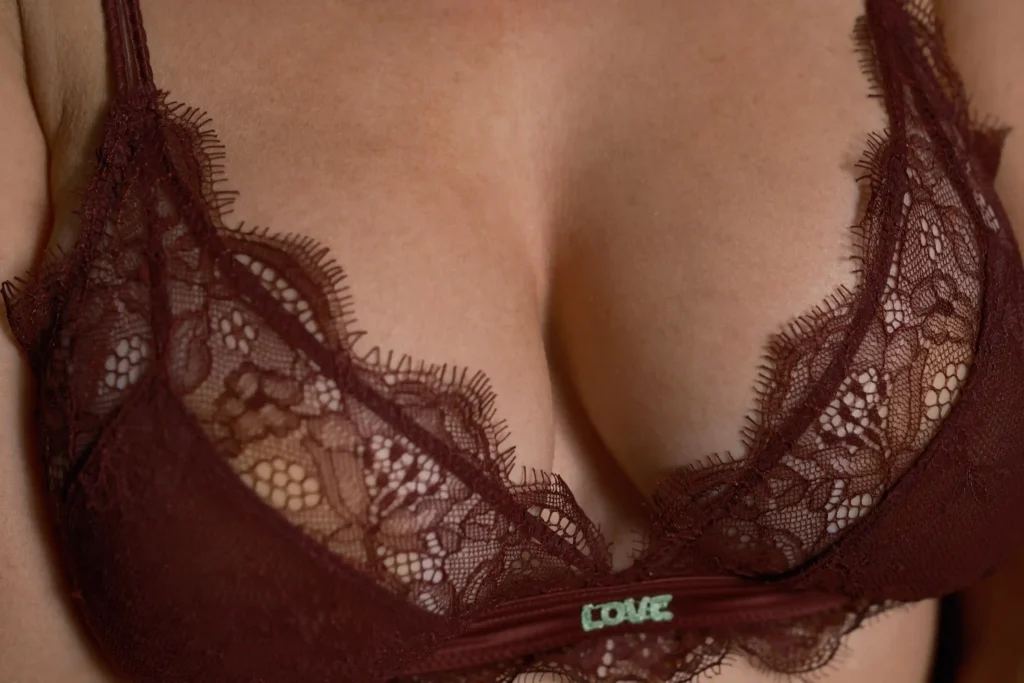
Important Considerations
Individual Anatomy: Preservation augmentation is not one-size-fits-all. Ideal candidates usually have enough breast tissue to cover the implant and no significant sagging. If you have extremely thin tissue, Dr. Erçin will carefully assess whether this approach suits you; very thin women sometimes worry implants might be more visible under less tissue. Similarly, women with large breasts who need lifting may still benefit from leaving the muscle intact but might require a combined lift technique. Dr. Burns points out that every breast shape (asymmetries, tuberous breast, post-pregnancy changes) requires tailoring the plan. During consultation, your surgeon will evaluate your breast thickness, skin elasticity, and cosmetic goals to decide the exact plane (subfascial or subglandular) and implant type.
Surgeon Experience: Not every plastic surgeon offers Preservé/Preservation augmentation. It requires specialized training in precise dissection and use of unique devices. For example, one UK clinic advertises that its surgeon is “one of just three UK surgeons with the rare skill set to offer” Preservé tissue-preservation augmentation.Patients should choose a board-certified plastic surgeon who is experienced in subfascial and minimal-dissection methods. Always ask how often your surgeon performs this specific procedure and see before/after photos. The extra skill investment pays off in terms of a smoother surgery and better result.
Consultation is Key: Deciding on the right breast augmentation plan takes time and dialogue. You’ll discuss your goals (size, shape, feel) and Dr. Erçin will explain how a tissue-preserving approach could achieve them. It’s normal to have questions about the technique, implants, or recovery. In fact, experts advise patients to understand the nuances of the surgical technique to prepare for a conversation with your surgeon. During your consultation, be open about any past surgeries or breast issues you’ve had. Together you’ll review 3D imaging or sample implants to pick the best size and profile. Dr. Erçin will also ensure you’re comfortable with the plan; remember, a good doctor listens to your concerns and tailors the surgery accordingly. If at any point you feel unsure, you should feel free to ask for clarifications.
Choosing preservation augmentation is ultimately about safety and personal fit. This method “prioritizes natural aesthetics, minimal disruption to natural breast tissue, and a woman’s overall well-being. If these align with your priorities, Dr. Erçin is ready to guide you. He uses the latest FDA-approved Motiva implants (the same brand behind Preservé) and gentle surgical methods in his Istanbul clinic.
Dr. Burak’s Expert Insight on Preservé Breast Augmentation
View this post on Instagram Assoc. Prof. Dr. Burak Sercan Erçin Plastic, Reconstructive and Aesthetic SurgeryAvailable today6,000+ successful operations EBOPRAS certified ~15 min response timeInitial consultation is free · Your information is kept confidential under GDPR.
Consultation with Dr. Burak Sercan Erçin
Preservé breast augmentation represents the future of breast enhancement – one focused on patient comfort and natural beauty. If you’ve been worried about scars, pain, or an artificial look, this might be the solution you’ve been waiting for. We invite you to schedule a personalized consultation with Dr. Burak Sercan Erçin. In your meeting, he will assess your individual anatomy, discuss your goals, and recommend whether a tissue-preserving augmentation is right for you.
Dr. Erçin and our team will walk you through every step: implant options (including ultra-soft, microtextured silicone implants), incision placement, anesthesia plans, and recovery expectations. We believe in empowering you with information, so feel free to ask about recovery timelines, activity restrictions, and any concerns. Together we’ll create a plan that meets your aesthetic goals with safety and sophistication.
Your journey to fuller, natural-looking breasts with minimal downtime could start with just one consult. To learn more or book an appointment, contact Dr. Erçin’s office today. You’ll be amazed at how quickly you can be on your way to a confident new silhouette with the advanced preservation technique.
This content was written by Assoc. Prof. Dr. Burak Sercan Erçin in line with clinical experience and current medical literature. It is intended for general informational purposes only and does not constitute medical advice. A personal consultation with Dr. Erçin is recommended for individual assessment.
Faculty Member · Bahçeşehir University
Graduate of Ege University Faculty of Medicine, Assoc. Prof. Dr. Erçin completed advanced fellowships at Tampa General Hospital (USA) under Dr. Deniz Dayıcıoğlu in breast reconstruction and burn surgery, and at the clinic of Dr. Pedro Cavadas in Valencia, Spain in reconstructive microsurgery. After passing the EBOPRAS examination in 2018, he joined Bahçeşehir University as a faculty member and continues his private practice on Bağdat Avenue, Istanbul, specialising in face, breast and body aesthetics alongside complex reconstructive surgery.