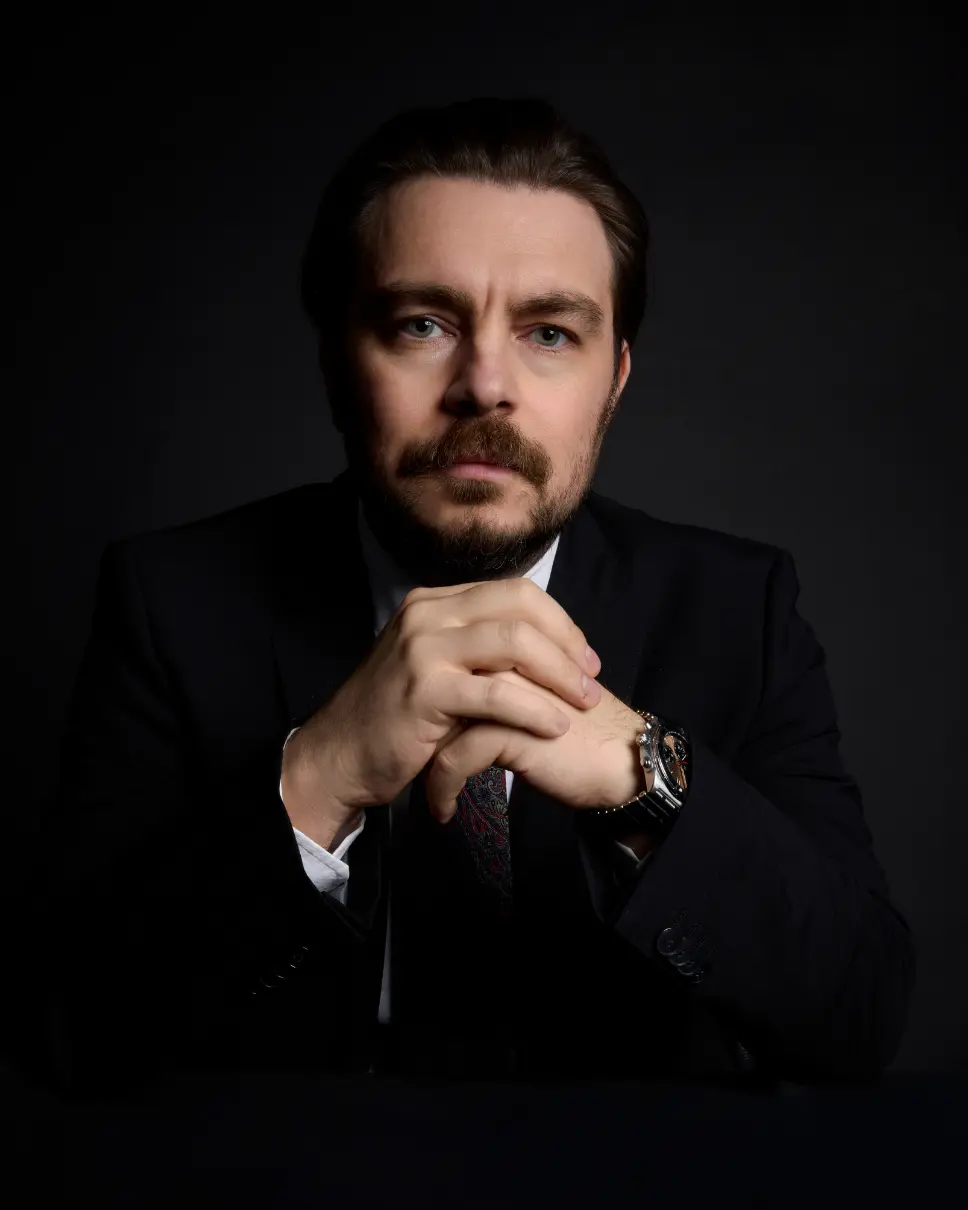
This article was written by Assoc. Prof. Dr. Burak Sercan Erçin and is based on clinical experience. A specialist in Plastic, Reconstructive and Aesthetic Surgery; prepared in accordance with current medical literature and personal surgical data. A consultation is recommended before making any medical decisions.
If you have been researching aesthetic surgery in Turkey and come across the term surgerymaxxing, you are already asking exactly the right questions. The concept of surgerymaxxing Turkey — pursuing a planned combination of cosmetic and aesthetic procedures to achieve comprehensive facial or body refinement — has gained significant traction among patients considering Istanbul as a surgical destination. But what does this term actually mean from a clinical standpoint, and more importantly, is it safe and appropriate for you? This guide explores the medical realities behind the trend, giving international patients the grounded information they need before booking a consultation.
If you are picturing a single, sweeping transformation achieved in one session, the reality is more nuanced — and more reassuring. What social media labels as surgerymaxxing is, at its clinical core, a well-established approach called combination surgery or staged aesthetic planning. Understanding that distinction is the starting point for any informed decision.
What Is Surgerymaxxing? A Clinical Perspective
The term originates from online self-improvement communities, particularly on platforms such as Reddit and TikTok, where it describes the pursuit of multiple aesthetic or cosmetic procedures, either simultaneously or in deliberate sequence, to achieve comprehensive visual harmony rather than addressing a single isolated concern.
From a plastic surgeon’s perspective, this reflects a principle that has always guided high-quality aesthetic practice: the face and body should be assessed as an integrated whole. A patient considering rhinoplasty (nose reshaping surgery) may achieve a more proportionate and natural outcome when facial harmony is considered alongside chin projection or eyelid position. The procedures have not changed — only the vocabulary used to describe the process.
The clinical distinction a board-certified plastic surgeon will draw is between procedures that can be safely combined in a single anaesthetic session and those that should be staged across separate appointments. This is not a matter of preference. It is determined by patient safety, anaesthesia duration limits, tissue demands, and individual physiological recovery capacity.
Why Turkey — and Istanbul in Particular?
Turkey has become one of the world’s most significant destinations for aesthetic surgery, and this position is supported by objective data. The International Society of Aesthetic Plastic Surgery (ISAPS) consistently ranks Turkey among the top five countries globally for aesthetic surgical volume. Istanbul, in particular, concentrates a high number of EBOPRAS-certified specialists and internationally accredited hospital facilities within a single, well-connected city.
International patients cite several consistent factors in their decision to travel to Istanbul: the technical calibre of specialist training, favourable surgical costs relative to Western Europe and the United States, and the practical advantage of combining consultation, surgery, and early recovery within a single trip. The Kadikoy district and surrounding neighbourhoods on Istanbul’s Asian side provide an internationally oriented clinical environment that many European and Middle Eastern patients find familiar and accessible.
One important clarification: the cost differential between Turkey and Western countries reflects economic and structural factors — not a reduction in technical quality or safety standards. Patients should always verify a surgeon’s board certification, hospital affiliations, and professional credentials independently, outside of any agency or medical tourism facilitator. For a detailed overview of aesthetic surgery procedures offered at our clinic, the procedure pages provide condition-specific information.
Procedures Commonly Combined Under the Surgerymaxxing Framework
Patients researching surgerymaxxing in Turkey are typically exploring a range of facial and body procedures. The most frequently discussed combinations in clinical practice include the following.
Facial Procedure Combinations:
- Rhinoplasty (nose reshaping surgery) combined with mentoplasty (chin augmentation) — one of the most clinically logical pairings, as both procedures directly influence facial profile harmony
- Blepharoplasty (eyelid surgery) combined with brow lifting — frequently appropriate when both the upper eyelid and periorbital region require simultaneous attention
- Rhinoplasty combined with upper or lower blepharoplasty — possible in suitable candidates, subject to total anaesthesia duration and the patient’s health status
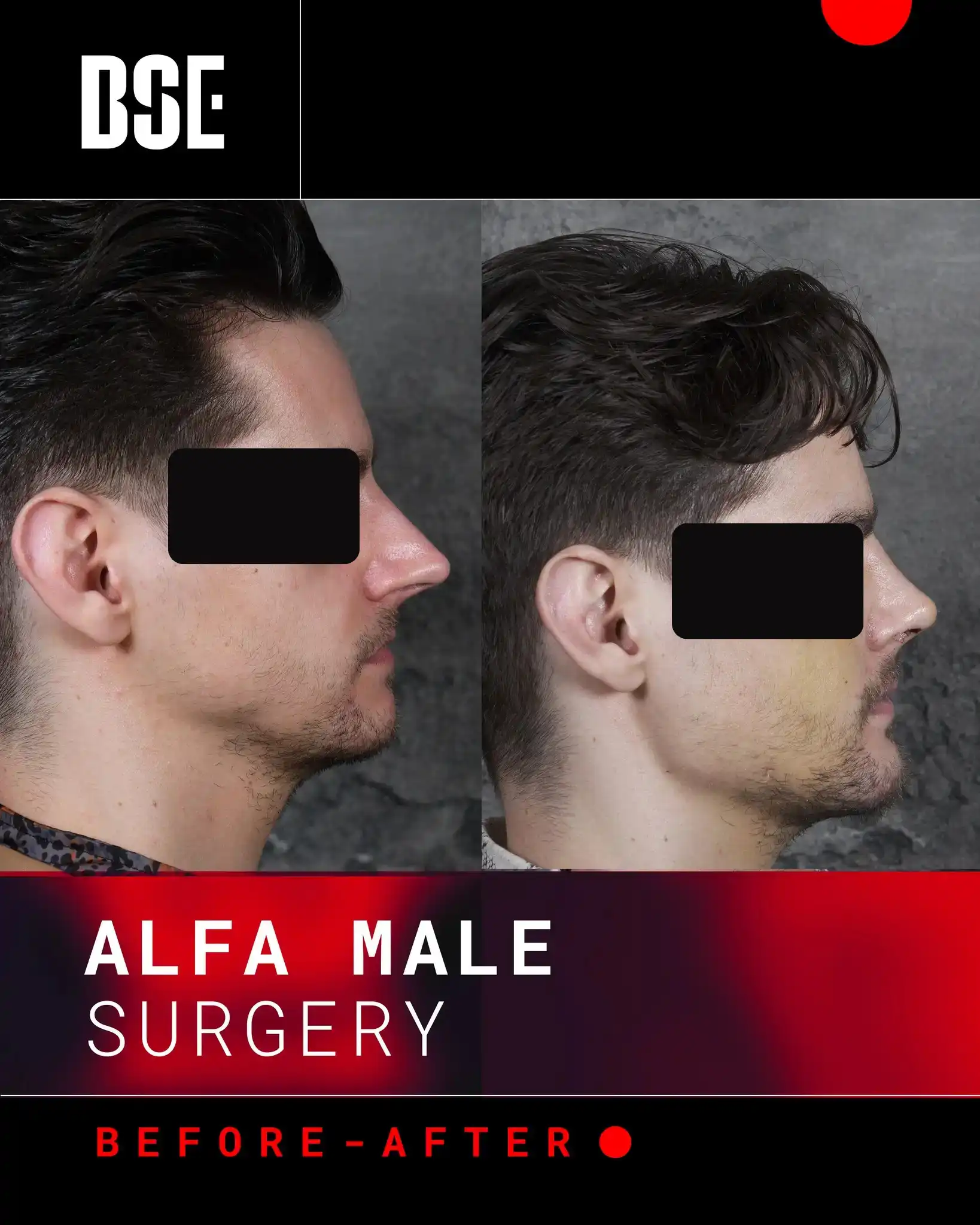
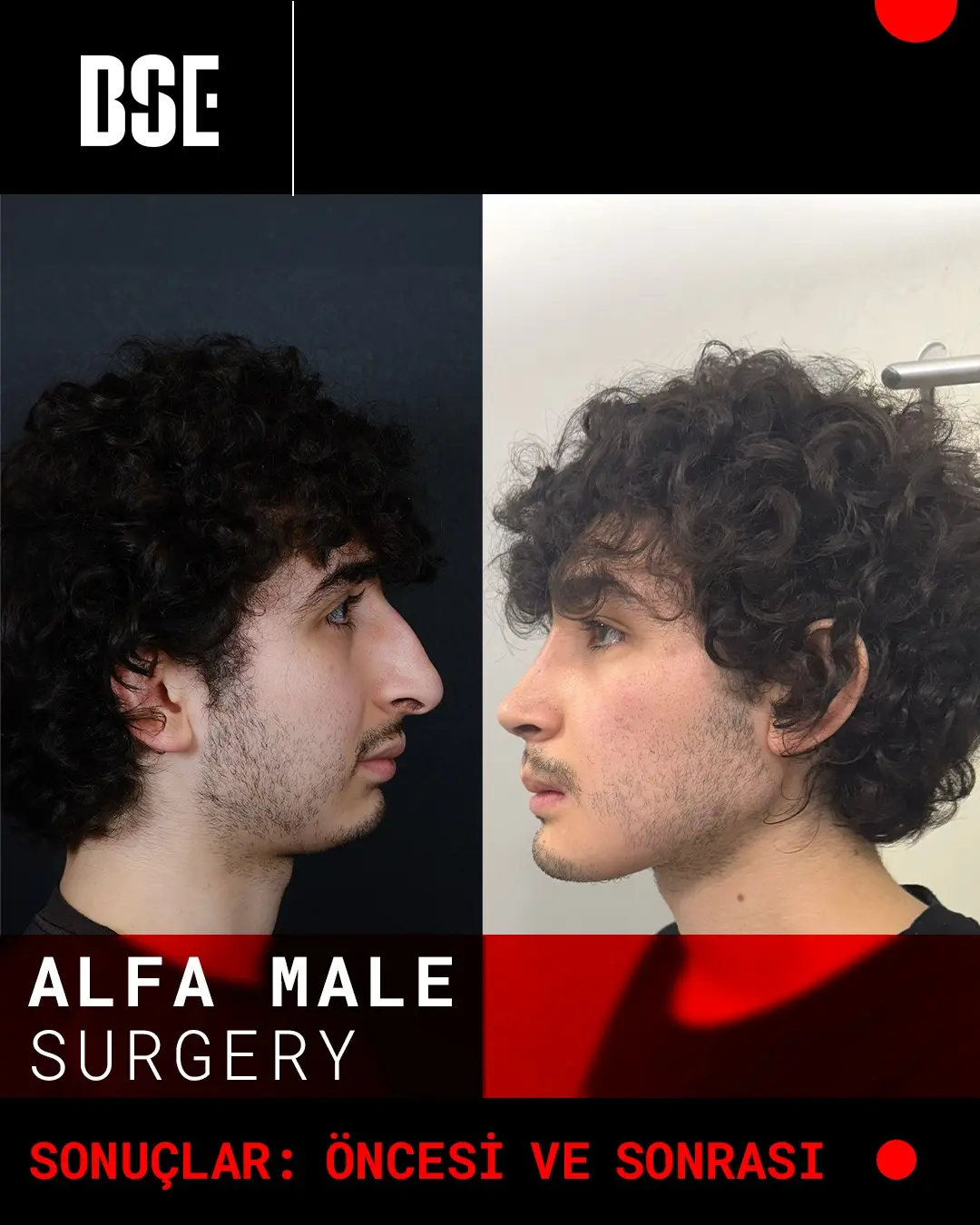
- Alpha Male Plastic Surgery
- Otoplasty (ear reshaping surgery) combined with rhinoplasty or other facial procedures in appropriate candidates
- Non-surgical combinations: lip augmentation, botulinum toxin treatments, and dermal fillers can often be performed in the same session without the constraints of general anaesthesia
Body Procedure Combinations:
- Breast augmentation (augmentation mammoplasty) combined with breast lift (mastopexy) where both are clinically indicated
- Liposuction combined with abdominoplasty (tummy tuck) — a pairing that demands thorough candidate assessment, as the tissue demands of each procedure must be evaluated against each other
- Body contouring procedures combined with liposuction of adjacent areas in appropriate candidates
What Cannot Be Safely Combined:
Not all combinations are appropriate, and an ethical board-certified surgeon will decline requests for unsafe pairings regardless of patient preference. Procedures involving extensive tissue manipulation, significant blood loss risk, or lengthy operating times are generally staged across separate sessions. Most board-certified plastic surgeons operate within a guideline of six to eight hours total anaesthetic time for combined elective aesthetic surgery. Exceeding this threshold meaningfully increases perioperative risk.
| DR. Burak’s NOTE In consultations, one of the first things I assess when a patient comes to me with multiple aesthetic goals is whether those goals are best served by combining procedures or by planning a staged approach. Combining surgery when appropriate reduces total anaesthesia exposure and shortens overall recovery time. But this decision is never made on the grounds of efficiency alone. It is always made on the basis of what the patient’s physiology can safely support. Natural, sustainable results require that foundation. |
| Ready to understand whether a combined procedure approach suits your goals? To assess whether multi-procedure planning is clinically appropriate for your individual situation, scheduling a comprehensive consultation is the logical first step. Assoc. Prof. Dr. Burak offers initial evaluations for international patients, including guidance on surgical sequencing and recovery planning in Istanbul. Contact us to arrange your consultation: buraksercanercin.co/contact |
Is Combining Procedures Safe? What the Evidence Says
Combination aesthetic surgery is a well-studied area of plastic surgical practice. Research published in peer-reviewed literature, including studies in the Aesthetic Surgery Journal and Plastic and Reconstructive Surgery, consistently supports the safety of combining procedures when patients are appropriately selected and when surgical and anaesthetic parameters are carefully managed.
The critical factors that determine whether combination surgery is safe for a given patient include the following:
- Patient health status: Patients with uncontrolled systemic conditions such as hypertension, diabetes, or coagulation disorders are generally not appropriate candidates for extended combination procedures. A thorough preoperative medical evaluation is non-negotiable.
- BMI and tissue health: Patients outside a healthy BMI range face elevated risks in body contouring procedures, and those risks compound when procedures are combined.
- Total anaesthetic duration: The risk profile of general anaesthesia increases with operative time. Most board-certified surgeons apply institutional guidelines limiting elective combination procedures to a maximum total operative window.
- Surgeon experience: Combination surgery requires not only individual technical proficiency in each procedure, but also the operative planning capacity to sequence multiple interventions safely within a single anaesthetic episode.
The evidence does not suggest that combination surgery is inherently riskier than single procedures. What it consistently confirms is that inappropriate patient selection and inadequate preoperative assessment are the primary sources of avoidable complications. With rigorous screening, the approach is well within standard surgical practice.
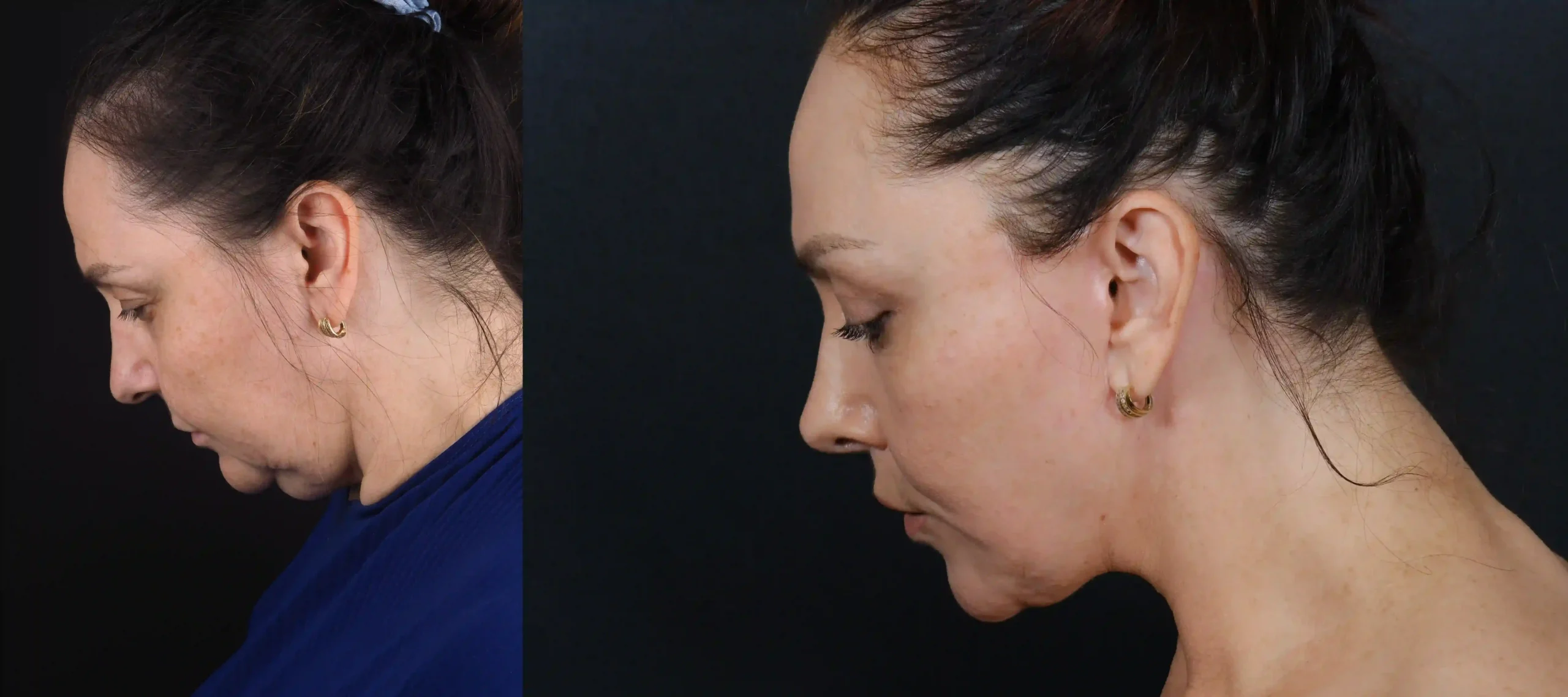
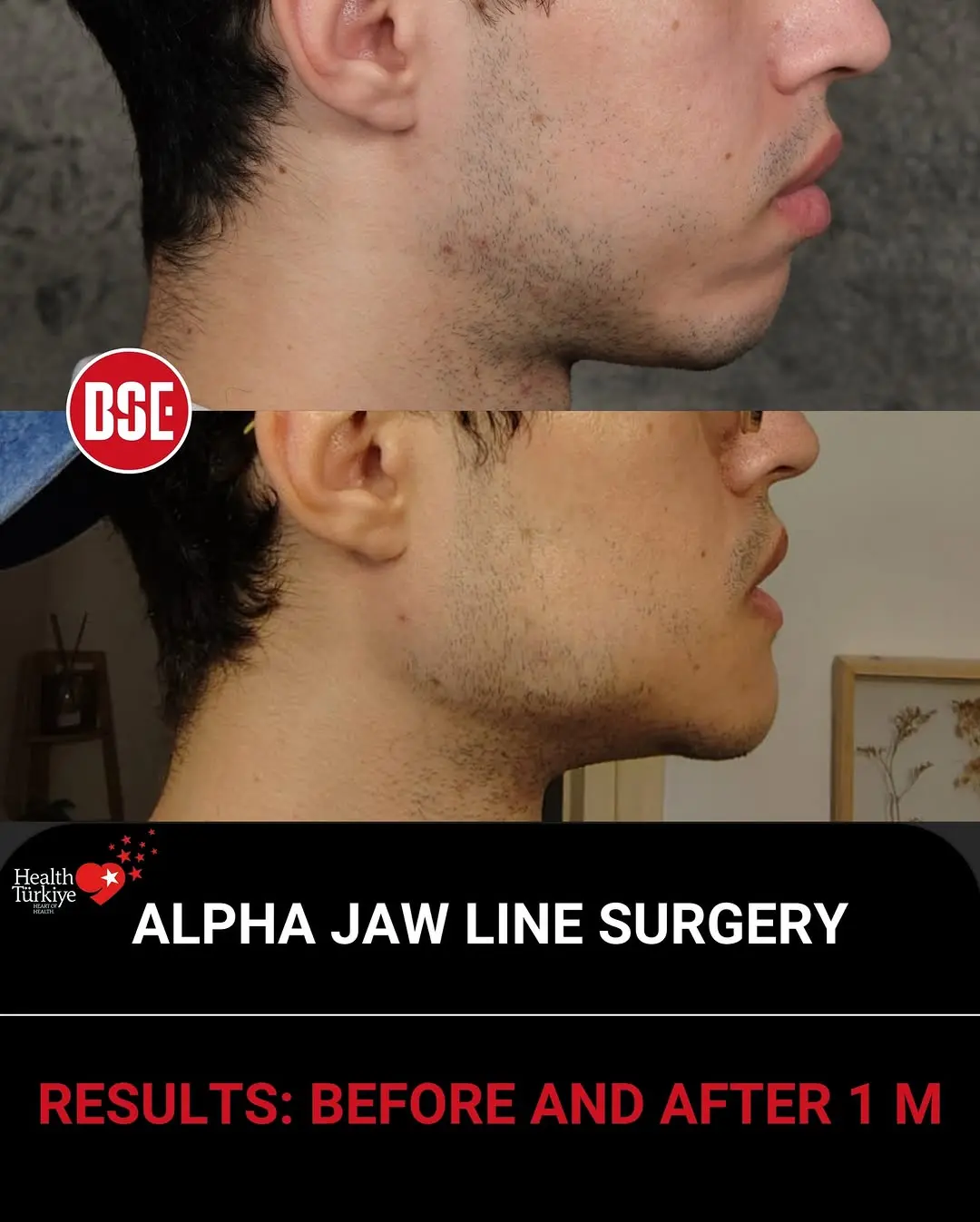
Gallery of Before/After
Who Is — and Who Is Not — a Suitable Candidate?
Patients who are generally well-positioned to discuss multiple-procedure planning include those who meet the following profile:
- Adults in good general health with no significant uncontrolled medical conditions
- Non-smokers, or patients who have ceased smoking at least four to six weeks before the planned procedure date — smoking significantly impairs wound healing and anaesthetic recovery
- Patients with realistic expectations about outcomes and who understand that results vary meaningfully between individuals
- Patients with stable body weight, particularly when body contouring procedures are under consideration
- Patients able to commit to the recommended recovery period in Istanbul before travelling home
Patients for whom a multi-procedure approach may not be appropriate, or who require a staged strategy, include:
- Patients with active systemic illness or poorly controlled chronic conditions
- Patients with a BMI outside the safe operative range for the procedures being considered
- Patients seeking procedures that individually carry longer recovery demands, where combining them would require an impractically extended stay
- Patients with a history of poor wound healing, keloid formation, or clotting disorders
- Patients seeking non-surgical treatments only, who may not require general anaesthesia at all
This list is indicative rather than exhaustive. Candidacy is always assessed individually and can only be determined following a thorough in-person consultation and review of the patient’s complete medical history. For an overview of reconstructive surgery options where medical indication may intersect with aesthetic goals, the reconstructive section of this site covers relevant procedures in detail.
The Planning Process: How a Multi-Procedure Journey Is Structured
For international patients, the planning pathway for a surgerymaxxing-style approach in Istanbul typically follows a structured sequence. Understanding each stage helps patients prepare realistically.
- Initial consultation (in-person or video): The patient presents their aesthetic goals. The surgeon assesses anatomy, discusses realistic outcomes, identifies any contraindications, and proposes a procedural framework.
- Medical evaluation: Preoperative blood work, cardiac assessment if indicated, and any specialist referrals are arranged. For patients travelling from abroad, this frequently involves coordination with their local GP before arriving in Istanbul.
- Surgical sequencing decision: The surgeon and patient agree on which procedures will be performed in a single session versus staged across two or more visits. This decision is made entirely on medical grounds.
- Operational planning: Hospital scheduling, anaesthesia consultation, estimated recovery duration, and the patient’s planned departure date are factored into the surgical timeline. Patients are strongly advised not to book a fixed return flight until the post-operative travel window is confirmed.
- Post-operative follow-up: Most international patients attend at least one in-person follow-up within five to seven days post-surgery before travel is considered. Some procedures require a longer minimum stay.
- Long-term review: Final aesthetic outcomes in procedures such as rhinoplasty are typically assessed at six to twelve months, when post-operative swelling has fully resolved. Remote consultations can be arranged for patients who have returned home.
For more information about our clinic’s approach to patient care and how international consultations are structured, the About Us page provides further context.
Recovery Planning for International Patients
Recovery planning is one of the most consistently underestimated aspects of surgical tourism. Patients who arrive in Istanbul expecting a brief stay and a quick return home frequently underestimate both the physical demands of recovery and the clinical importance of post-operative oversight.
The following outlines general recovery considerations for the most commonly combined procedures. These are indicative timeframes based on standard clinical outcomes; individual recovery varies.
| Procedure | Typical Splint/Suture Removal | Min. Recommended Istanbul Stay |
| Rhinoplasty | 7-10 days | 10-14 days |
| Blepharoplasty | 5-7 days | 7-10 days |
| Chin Augmentation | 5-7 days | 7-10 days |
| Breast Augmentation | 5-7 days | 10-14 days |
| Abdominoplasty | 7-10 days | 14-21 days |
| Liposuction | 5-7 days | 10-14 days |
Flying after surgery carries independent considerations. Deep vein thrombosis (DVT) risk is elevated in the early post-operative period, particularly following body procedures and on longer flights. Patients should discuss the specific timing of air travel with their surgeon before booking return travel. For procedure-specific recovery information, the clinic’s blog provides further detail on individual procedures and what to expect across different recovery stages.
| DR. BURAK’S NOTE International patients frequently ask me how long they need to plan for in Istanbul. My answer is always the same: it depends on which procedures are involved and how each individual heals, and both of those vary considerably. I always advise patients to build a recovery buffer into their travel plans rather than committing to a fixed departure date before surgery has taken place. Rushing the recovery phase to meet a flight is one of the most consistent sources of entirely avoidable complications in medical tourism. |
Setting Realistic Expectations: Social Media vs. Clinical Reality
The online discourse around surgerymaxxing is predominantly shaped by before-and-after content on social media platforms, which presents results selectively, without adequate timeline context, and frequently after significant editing. Several realities are consistently absent from that narrative.
Results take time to emerge. Rhinoplasty patients, in particular, encounter a substantially different aesthetic picture at one week, one month, and twelve months post-surgery. Swelling resolves gradually, and the final result of most procedures is not visible for months. A post-operative photograph taken at three weeks does not represent the outcome.
Natural results are the standard of excellence, not a compromise. The ideal outcome of well-performed aesthetic surgery is that an observer cannot identify that a procedure has occurred, only that the patient looks well, proportionate, and harmonious. Overcorrected or exaggerated surgical results typically reflect poor planning or an absence of the naturalness principle that should guide the process.
A social media reference image is not a surgical brief. Requesting the same outcome as a specific influencer’s before-and-after is not a clinically sound approach to aesthetic planning. A skilled plastic surgeon evaluates the patient’s own anatomy, facial and body structure, skin quality, and individual proportions to determine what is achievable and what will look genuinely natural for that specific person. Results differ between individuals, and that principle is not a caveat — it is the foundation of responsible aesthetic practice.
Frequently Asked Questions
Is it safe to combine multiple procedures in one surgical session in Turkey?
Combining procedures is clinically safe when patients are appropriately assessed and when total anaesthetic duration remains within established safety parameters. A board-certified plastic surgeon will determine, based on your individual health status and the specific procedures under consideration, whether a combined or staged approach is most appropriate. There is no universal answer — candidacy is assessed individually, and the decision is made on medical grounds.
How long should I plan to stay in Istanbul for a combined procedure?
The minimum recommended stay varies by procedure. For facial combinations such as rhinoplasty with blepharoplasty or chin augmentation, most patients should plan for a minimum of ten to fourteen days. Body procedures, particularly those involving abdominoplasty, generally require a longer minimum stay. Your surgeon will advise on the safe departure window based on your specific procedural plan.
When can I fly home after surgery in Turkey?
The timing of safe air travel depends on the procedures performed. DVT risk is elevated in the early post-operative period. For most facial procedures, flying after seven to ten days is typically discussed, subject to the surgeon’s individual assessment. For body procedures, this window is longer. Patients should never book a fixed return flight before confirming the post-operative travel timeline directly with their surgeon.
Will I have visible scarring after combination surgery?
Scar outcomes vary between individuals based on skin type, genetic predisposition, surgical technique, and post-operative care. Experienced plastic surgeons place incisions within natural skin lines and anatomically concealed locations to minimise visible scarring. Most patients find that scars fade considerably over twelve to eighteen months with appropriate post-operative management. Scar maturation is a gradual process, and outcomes differ between individuals.
Are the results of aesthetic surgery permanent?
Longevity varies by procedure. Structural changes achieved through rhinoplasty or chin augmentation are generally long-lasting. Procedures such as blepharoplasty address a specific anatomical concern but do not halt the natural ageing process. Breast implants are medical devices with a finite expected lifespan and may require revision at some stage. Your surgeon will outline the expected durability of each procedure’s results during your consultation.
Who is not a suitable candidate for combination surgery?
Patients with uncontrolled systemic conditions, active smoking habits close to surgery, or BMI outside a safe operative range for the planned procedures are generally not appropriate candidates for combination surgery. Patients with unrealistic expectations, those unable to commit to the required recovery period in Istanbul, or those seeking to replicate specific social media imagery rather than anatomically appropriate refinement are also typically not well suited to this approach. Individual assessment determines candidacy.
What should I look for when choosing a plastic surgeon in Turkey?
Board certification through bodies such as EBOPRAS (European Board of Plastic Reconstructive and Aesthetic Surgery) or the Turkish Board of Plastic, Reconstructive and Aesthetic Surgery indicates that a surgeon has completed a formal specialty training programme and passed rigorous examinations. This is distinct from practitioners in adjacent fields who may offer aesthetic procedures without full plastic surgery training. Verify your surgeon’s specific board certification, hospital affiliations, and academic credentials independently.
What to Consider Before Planning Your Surgical Journey to Istanbul
Three considerations stand above others for any patient seriously evaluating multi-procedure surgery in Turkey. First, candidacy is always individual. The combination of procedures that is appropriate for one patient may not be appropriate for another, and this can only be determined through a thorough consultation and medical assessment, not through self-assessment based on online content. Second, surgeon credentials matter more than marketing. Verify board certification, hospital affiliations, and professional standing through primary sources. Third, recovery is not an optional element to be compressed. Patients who reduce their recovery stay to save time or cost are accepting measurable additional risk. Build adequate recovery time into your planning from the outset — not as an afterthought.
Whether you are considering a single procedure or a carefully planned combination, the foundation of a sound outcome is an honest, individualised conversation with a qualified specialist. The goal is not transformation for its own sake, but a result that looks natural, lasts, and was arrived at through an informed process.
Dr. Burak’s Approach
Assoc. Prof. Dr. Burak Sercan Erçin is a board-certified specialist in Plastic, Reconstructive, and Aesthetic Surgery, holding EBOPRAS certification and serving on the academic faculty at Bahçeşehir University. With over 15 years of clinical experience and more than 6,000 procedures performed, his surgical philosophy rests on a single governing principle: naturalness and patient safety are always the priority.
When patients arrive at the clinic in Kadikoy, Istanbul — whether from the UK, Germany, the Gulf, or further afield — the consultation begins not with a procedural recommendation but with a conversation. What is the patient genuinely seeking to achieve? What anatomy are they working with? Do their expectations align with what can be responsibly delivered? These questions are answered before any procedural planning begins.
For patients exploring combination procedures, the approach involves a sequencing framework that accounts for patient physiology, total anaesthetic parameters, tissue demands, and recovery logistics. The clinical objective is not the most comprehensive intervention possible, but the most appropriate and natural-looking result for that specific individual. Overcorrection and surgical hyperbole are the opposite of the standard applied.
International patients consulting Dr. Burak can expect detailed pre-operative communication, a personalised surgical plan, and coordinated support for the practical aspects of their Istanbul stay. For more information about Dr. Burak’s professional background, training, and clinical affiliations, his profile page provides a full overview of his credentials and approach.
This content was written by Assoc. Prof. Dr. Burak Sercan Erçin in line with clinical experience and current medical literature. It is intended for general informational purposes only and does not constitute medical advice. A personal consultation with Dr. Erçin is recommended for individual assessment.
Faculty Member · Bahçeşehir University
Graduate of Ege University Faculty of Medicine, Assoc. Prof. Dr. Erçin completed advanced fellowships at Tampa General Hospital (USA) under Dr. Deniz Dayıcıoğlu in breast reconstruction and burn surgery, and at the clinic of Dr. Pedro Cavadas in Valencia, Spain in reconstructive microsurgery. After passing the EBOPRAS examination in 2018, he joined Bahçeşehir University as a faculty member and continues his private practice on Bağdat Avenue, Istanbul, specialising in face, breast and body aesthetics alongside complex reconstructive surgery.