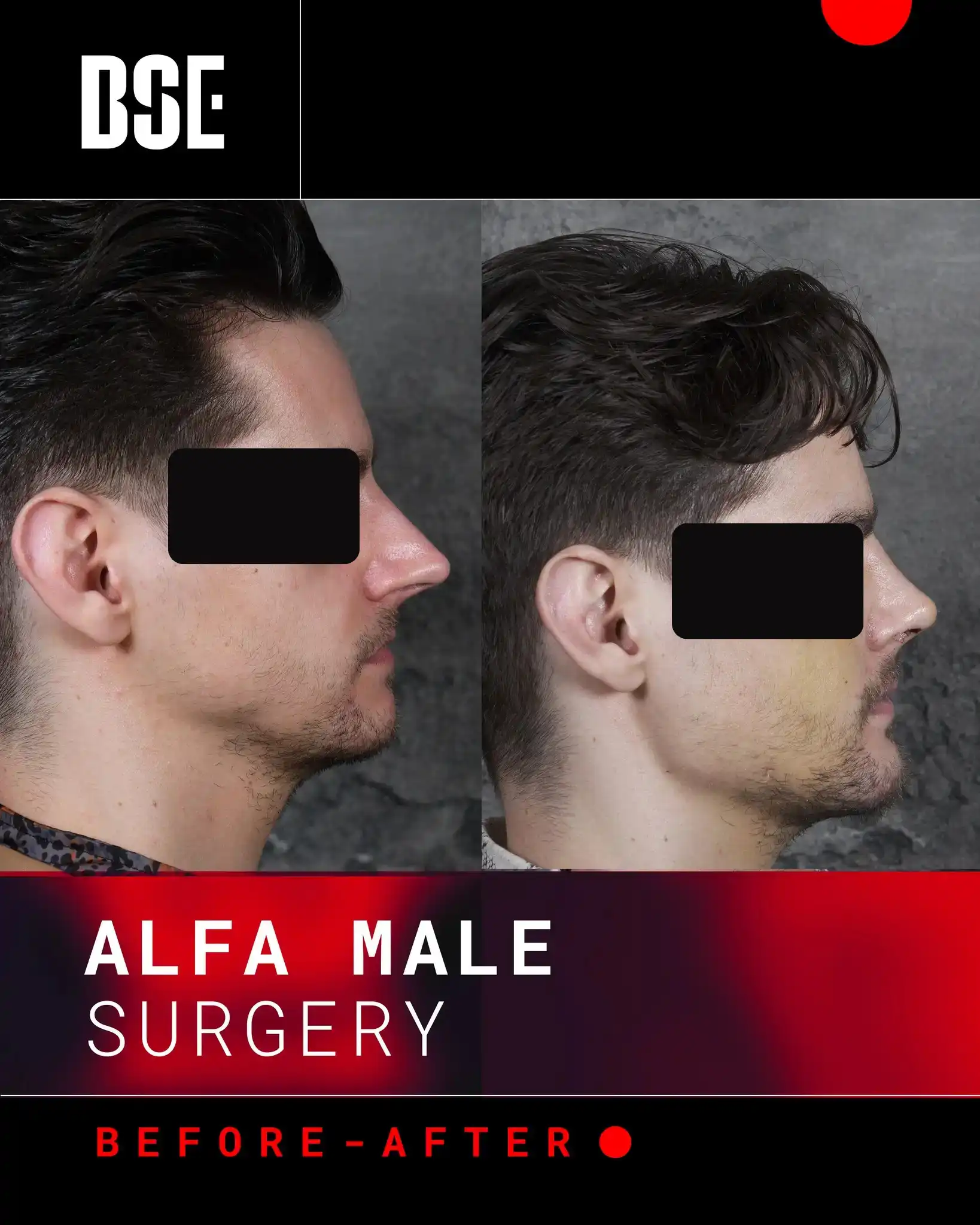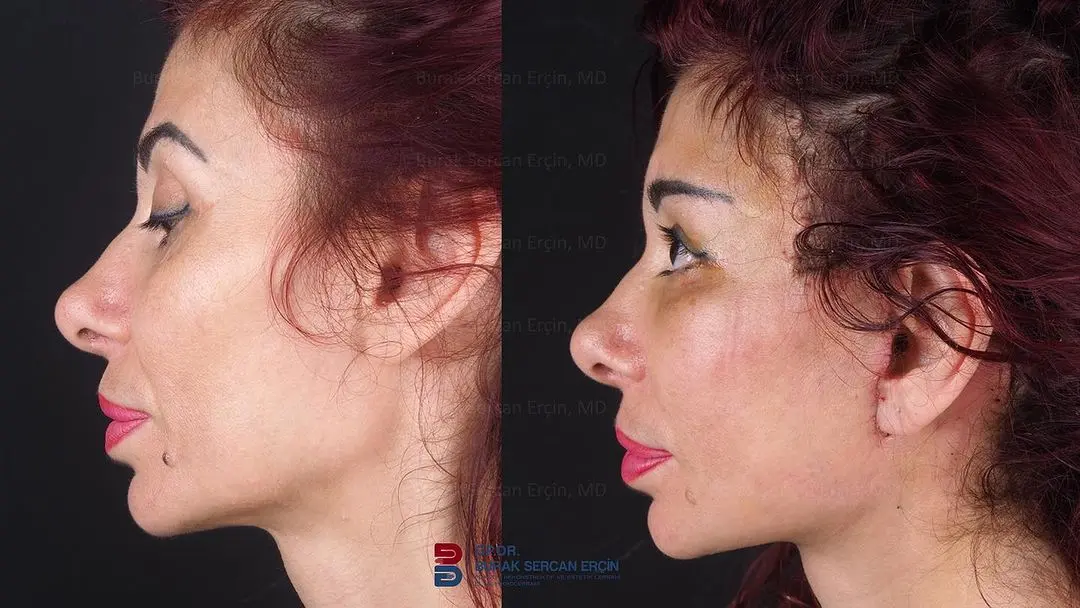

This article was written by Assoc. Prof. Dr. Burak Sercan Erçin and is based on clinical experience. A specialist in Plastic, Reconstructive and Aesthetic Surgery; prepared in accordance with current medical literature and personal surgical data. A consultation is recommended before making any medical decisions.
The pursuit of facial harmony and aesthetic perfection has changed dramatically. We are moving away from generalized enhancements toward highly specialized, hyper-targeted procedures that refine individual features. Among these advancements, periorbital surgery has emerged as a sophisticated discipline requiring immense surgical precision and a deep understanding of facial anatomy. Patients globally are seeking authoritative medical expertise to achieve an elevated, youthful, and structurally sound eye contour. As the demand for these detailed procedures rises, discerning individuals are turning their attention to international medical hubs that combine elite surgical talent with modern facilities. Understanding the multitude of options requires a strong grasp of surgical qualifications, clinical protocols, and the specific techniques employed. This ensures both aesthetic brilliance and functional preservation. This guide will explain the critical factors involved in periorbital reshaping. It highlights why seeking out the absolute best medical care is paramount to achieving a life-changing and lasting result.
Introduction
The eyes are universally recognized as the focal point of human interaction, conveying emotion, vitality, and youthfulness. In recent years, the aesthetic standard has shifted significantly toward an elongated, gently upswept eye shape, commonly referred to as the almond eye. Achieving this specific contour is not merely a matter of skin excision. It requires a complex surgical intervention known as canthoplasty.
This procedure meticulously alters the lateral canthus—the outer corner where the upper and lower eyelids meet. The goal is to lift the eye’s angle, provide structural support to the lower eyelid, and create a captivating, refreshed appearance. As this procedure gains unprecedented global popularity, the search for the top canthoplasty clinic Istanbul has become a priority for international patients seeking world-class outcomes.
Istanbul has solidified its reputation as the premier global destination for advanced plastic and reconstructive surgery. The city offers an intersection of elite medical expertise, cutting-edge technology, and comprehensive patient care. The purpose of this extensive guide is to provide a deep, medically sound exploration of canthoplasty. We will detail the anatomical science, the surgical techniques, and the critical importance of selecting a highly credentialed surgeon. By understanding the deep complexities of this procedure, patients can make informed decisions regarding their physical changes.
Understanding the Anatomy of the Periorbital Region
To fully appreciate the details of almond eye surgery, one must first understand the delicate and complex anatomy of the periorbital region. The eyelids are not merely flaps of skin. They are sophisticated, multi-layered structures designed to protect the globe of the eye while facilitating lubrication and vision. The structural integrity of the eyelids is maintained by the tarsal plates, which are dense connective tissues that give the eyelids their shape.
These plates are anchored to the bony orbital rim by the medial and lateral canthal tendons. The lateral canthal tendon is of particular importance in canthoplasty. It dictates the horizontal tension and the vertical positioning of the outer eye corner. In a youthful, aesthetically idealized eye, the lateral canthus is typically positioned slightly higher than the medial canthus, creating a positive canthal tilt.
Over time, due to aging, genetic predisposition, or previous surgical interventions, the lateral canthal tendon can become lax. This leads to a neutral or negative canthal tilt. This downward sloping can result in a tired, sad, or aged appearance. Correcting this requires precise surgical manipulation of the lateral canthal tendon. The surgeon must detach it, reposition it, and securely anchor it to the periosteum of the lateral orbital rim. This delicate biomechanical adjustment demands a surgeon with an intimate knowledge of facial anatomy.
The Evolution and Rise of Almond Eye Aesthetics
The surge in popularity for almond eye aesthetics is a fascinating intersection of cultural trends and advanced medical capabilities. Historically, periorbital surgery was primarily restorative. It focused on functional issues such as ectropion (the outward turning of the lower eyelid) or entropion (the inward turning). However, as surgical techniques became more refined, the potential for purely aesthetic manipulation of the eye shape was realized.
In 2026, the demand for canthoplasty is driven by a desire for facial symmetry and the dynamic, alert appearance associated with a positive canthal tilt. This trend has been further amplified by the global exchange of beauty standards. The elongated, feline, or almond-shaped eye is universally coveted. Unlike superficial cosmetic treatments, canthoplasty offers a permanent, structural change.
It is not merely about addressing the signs of aging, but rather about enhancing the innate architecture of the face. This shift from anti-aging to structural enhancement has broadened the demographic of patients. It now encompasses younger individuals who desire a specific aesthetic contour as well as older patients seeking comprehensive periorbital rejuvenation. The modern approach to this surgery is highly personalized, taking into account the patient’s unique facial proportions.
Why Istanbul is the Global Center for Facial Plastic Surgery
The ascension of Istanbul as the undisputed capital of medical tourism is the result of decades of strategic investment. Turkey boasts a remarkably high concentration of board-certified plastic surgeons who undergo rigorous, globally recognized training programs. The modern Turkish medical facility is characterized by state-of-the-art surgical suites and strict adherence to international safety protocols.
When patients search for the top canthoplasty clinic Istanbul, they are seeking an environment that rivals standards found in Western Europe and the United States. Furthermore, Istanbul offers a unique geographical advantage. It serves as a bridge between Europe, Asia, and the Middle East, making it highly accessible to a diverse international patient base.
The city’s medical tourism infrastructure is highly evolved. It offers comprehensive care packages that include VIP airport transfers and luxury recovery accommodations. This comprehensive approach ensures that the patient’s journey is seamless. Patients can focus entirely on their surgical preparation and post-operative recovery. Due to favorable economic dynamics, patients can access elite surgical talent at a fraction of the cost they would incur elsewhere.
Criteria for Selecting the Premier Surgical Facility
Choosing the right facility and the right surgeon is the most critical decision a patient will make. The proliferation of medical tourism has led to a rise in commercialized clinics that prioritize volume over specialized care. Therefore, discerning patients must look beyond glossy marketing and evaluate the core medical competencies of the institution. A premier facility is defined by its commitment to clinical excellence and patient safety.
When evaluating a clinic, patients should inquire about the specific surgical protocols in place. It is essential to choose a clinic that operates within a fully equipped, accredited hospital setting. This ensures access to emergency medical support if required. Furthermore, the top clinics will prioritize a comprehensive pre-operative assessment.
Utilizing advanced imaging technologies to map the patient’s facial anatomy is standard practice. The presence of a multidisciplinary team is a hallmark of a top-tier medical institution. By meticulously choosing a specialized facility, patients safeguard their health and significantly enhance the probability of achieving their desired aesthetic goals.
The Critical Importance of Reconstructive Surgical Expertise
While canthoplasty is heavily sought after for its cosmetic benefits, it is fundamentally a complex reconstructive procedure. The delicate manipulation of the eyelid’s structural support system requires a level of precision that goes far beyond standard cosmetic surgery. This is where the significant difference between a general plastic surgeon and a specialized reconstructive surgeon becomes evident.
A surgeon with an extensive background in complex reconstructive surgeries possesses an unmatched mastery over tissue handling. They understand how the manipulation of one anatomical structure will impact the surrounding tissues. In periorbital surgery, an error of a single millimeter can result in functional complications.
A reconstructive surgeon approaches canthoplasty with a deep respect for the functional integrity of the eye. They ensure that the aesthetic enhancement does not compromise the eyelid’s ability to protect the globe. This rigorous, medically grounded approach is essential for achieving results that are not only beautiful but also structurally sound.
Expert Reconstructive Surgery with Dr. Burak Sercan Erçin
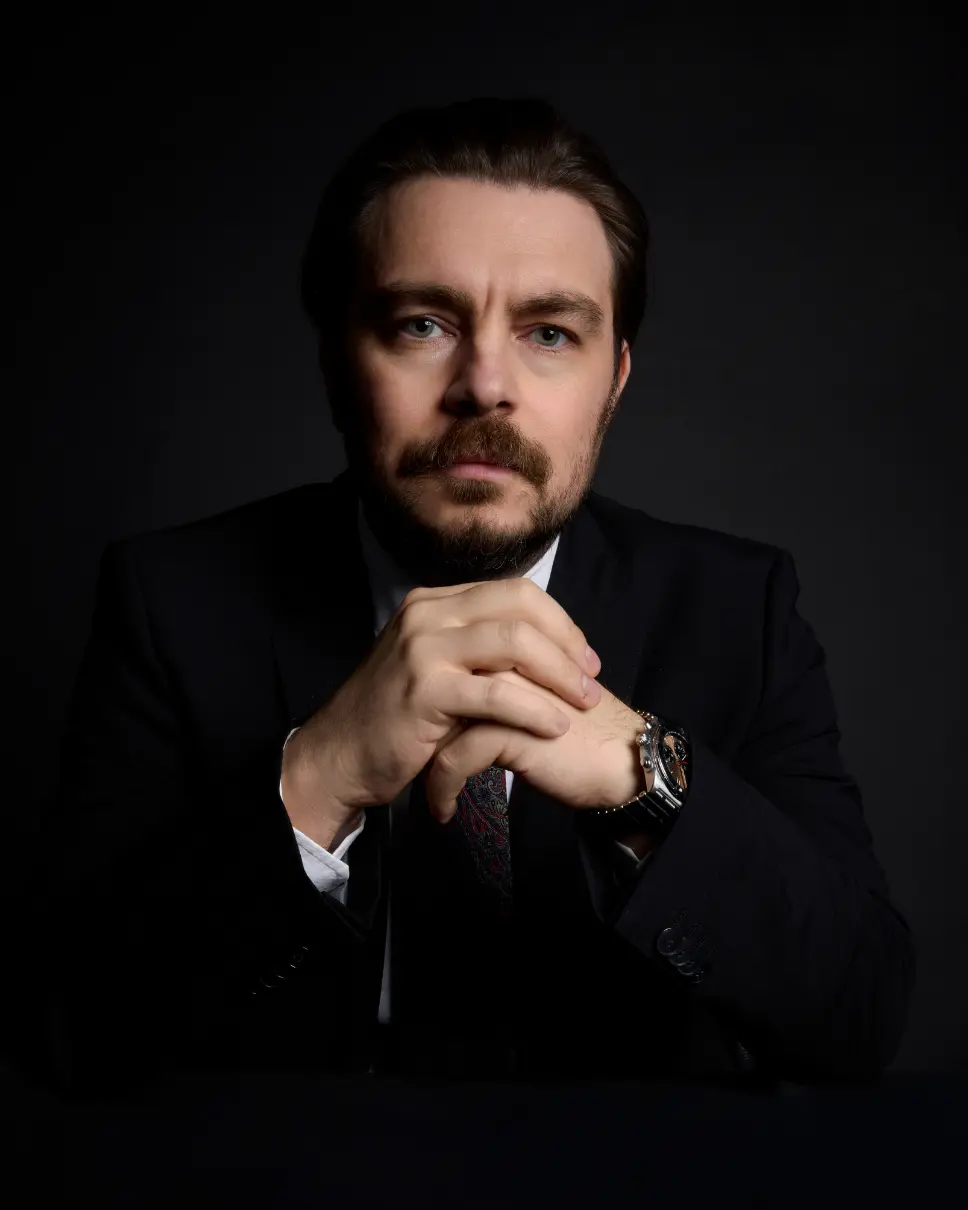
At the pinnacle of aesthetic and reconstructive surgery in Turkey is Assoc. Prof. Dr. Burak Sercan Erçin. He is an esteemed reconstructive surgeon in Istanbul with extensive expertise spanning over 10 years. His practice is fortified by a specialization in Plastic, Reconstructive, and Aesthetic Surgery and a prestigious qualification diploma from EBOPRAS. Dr. Burak has worked alongside some of the world’s leading reconstructive microsurgeons, including Dr. Pedro Cavadas.
With a commitment to excellence in both clinical practice and academic research, Dr. Burak is dedicated to providing his patients with the highest quality care possible. His background in complex trauma repair translates directly to superior outcomes in aesthetic procedures. Book a consultation today and take the first step towards your physical transformation.
Dr. Burak offers a comprehensive range of specialized treatments in Turkey. His expertise covers facial aesthetics including Nose Aesthetics (Rhinoplasty), Almond Eye Surgery (Canthoplasty), and Eyelid Aesthetics (Blepharoplasty). He is also a leading expert in Face Lift Surgery, Endoscopic Face Lift, Brow Lift Surgery, and Chin and Face Correction. For non-surgical options, patients can access Botox, Masseter Botox, Gummy Smile Botox, Mesotherapy, and HIFU: Non-Surgical Facial and Skin Rejuvenation.
Beyond the face, Dr. Burak excels in body contouring and breast surgery. His offerings include Breast Augmentation Surgery, Preservé™ Breast Augmentation, Breast Lift Surgery, and Breast Reduction Surgery. He also performs Male Breast Reduction Surgery, Liposuction, Abdominoplasty (Tummy Tuck Surgery), Arm Lift Surgery (Brachioplasty), Leg Lift Surgery, and the Brazilian Butt Lift (BBL). For those seeking comprehensive changes, he specializes in the Mommy Makeover and Alpha Male Treatment.
His reconstructive and specialized capabilities are vast. This includes Facial Feminization (FFS), Facial Masculinization (FMS), Sex Reassignment Surgery, Vaginoplasty, and Labiaplasty. He treats complex cases such as Congenital Anomalies, Post-Cancer Reconstruction, Abdominal and Torso Reconstruction, and Burn Repair Treatments. His skill set extends to Microsurgery, Hand Surgery, Facial Paralysis, Bone Disease Treatments, and Chronic Wound Treatments. Contact us now to discuss any of these specialized procedures.
The Comprehensive Consultation: Planning Your Transformation
The journey to a successful surgical outcome begins long before the first incision is made; it begins in the consultation room. A comprehensive, deeply analytical consultation is the cornerstone of Dr. Burak’s practice. During this critical phase, the patient’s facial anatomy is meticulously evaluated. Dr. Burak assesses the degree of lower eyelid laxity and the prominence of the eye within the orbital socket.
He also examines the quality of the overlying skin and the dynamic movement of the facial muscles. This is not a rushed process. It is a collaborative dialogue where the patient’s aesthetic desires are carefully weighed against their anatomical realities. Dr. Burak utilizes advanced diagnostic tools to demonstrate potential outcomes.
This ensures that the patient has a clear, realistic understanding of what the surgery can achieve. The consultation is also an opportunity to discuss the patient’s comprehensive medical history. Identifying any potential risk factors is vital. This meticulous pre-operative planning is what differentiates a standard procedure from a truly bespoke surgical intervention.
Canthoplasty vs. Canthopexy: Understanding the Surgical Nuances
In the field of periorbital aesthetics, the terms canthoplasty and canthopexy are often used interchangeably, but they represent distinctly different surgical approaches. Understanding this distinction is vital for any patient considering lateral eye enhancement. Canthopexy is a less invasive procedure that involves placing a suture to tighten and stabilize the existing lateral canthal tendon.
It does not involve detaching or cutting the tendon. It is primarily used to provide support to the lower eyelid, often as an adjunct to a lower blepharoplasty. However, canthopexy does not significantly alter the shape or the tilt of the eye. Canthoplasty, on the other hand, is a more significant structural intervention.
It involves the actual cutting (cantholysis) of the inferior crus of the lateral canthal tendon. The tendon is then shortened, repositioned, and meticulously reattached to the periosteum of the lateral orbital rim at a higher elevation. This is the procedure required to create the coveted almond eye shape. Because canthoplasty alters the fundamental architecture of the eyelid, it requires a significantly higher level of surgical skill.
The Surgical Journey: Precision in the Operating Room
The execution of a canthoplasty is an exercise in meticulous surgical precision. The procedure is typically performed under local anesthesia with deep intravenous sedation, or general anesthesia. Once the patient is comfortably anesthetized, Dr. Burak makes a highly strategic, minimal incision at the outer corner of the eye. This is often hidden within the natural crease of the eyelid to ensure that any resulting scar is virtually invisible.
Through this micro-incision, the surgeon accesses the lateral canthal tendon. The complex process of cantholysis is then performed, carefully detaching the lower portion of the tendon. The surgeon must then determine the precise vector and elevation required to achieve the desired aesthetic outcome while maintaining the functional integrity of the eyelid.
The tendon is then anchored to the tough, fibrous membrane covering the bone using specialized, non-absorbable sutures. This fixation must be incredibly secure to withstand the constant dynamic forces of blinking. Dr. Burak’s deep expertise ensures that this delicate balance is achieved, resulting in a beautifully elevated lateral canthus.
Advanced Techniques: The Lateral Tarsal Strip Procedure
Within the broad category of canthoplasty, there are several specific surgical techniques. The most prominent and reliable of these is the lateral tarsal strip procedure. This advanced technique is highly favored by elite reconstructive surgeons for its durability and precise control over the lower eyelid contour. The procedure involves splitting the lateral portion of the lower eyelid into distinct layers.
A small strip of the tarsal plate is then meticulously isolated. This newly created “tarsal strip” essentially functions as a strong, biological anchor. The strip is then drawn laterally and superiorly, and sutured directly to the periosteum of the inner aspect of the lateral orbital rim. This technique is particularly effective for patients with significant lower eyelid laxity.
It also benefits those with prominent eyes or those requiring revision surgery to correct functional complications from previous cosmetic procedures. The lateral tarsal strip provides exceptional support. It prevents the lower eyelid from bowing downward and ensures a crisp, youthful, and highly defined eye shape. The mastery of this specific technique is a hallmark of the top canthoplasty clinic Istanbul.
Complementary Procedures: Comprehensive Facial Balance
While canthoplasty can produce stunning results as a standalone procedure, it is frequently combined with other facial aesthetic surgeries. The face is a unified structure, and altering one feature often requires subtle adjustments to surrounding areas to maintain balance. For example, combining canthoplasty with upper and lower Eyelid Aesthetics (Blepharoplasty) is highly common.
While canthoplasty lifts the outer corner, blepharoplasty removes excess, hooded skin from the upper eyelid. It also eliminates bulging fat pads from the lower eyelid. This results in a completely rejuvenated periorbital region. Additionally, a Brow Lift Surgery pairs exceptionally well with almond eye aesthetics.
If a patient has a heavy, descended brow, simply lifting the canthus may look unnatural. Lifting the brow in tandem with the canthus creates a beautifully open, refreshed upper face. For patients undergoing comprehensive gender affirmation, canthoplasty is often a critical component of Facial Feminization (FFS). Dr. Burak’s expansive expertise across a vast array of procedures allows him to design highly customized, multi-modal surgical plans.
The Post-Operative Phase: Managing the Recovery Timeline
The success of any surgical procedure is heavily dependent on the patient’s adherence to a strict post-operative care regimen. The recovery from canthoplasty requires patience and meticulous attention to detail. Immediately following the surgery, patients can expect a degree of swelling, bruising, and a feeling of tightness around the eyes.
This is a normal physiological response to the surgical trauma. During the first 48 to 72 hours, the primary focus is on minimizing inflammation. Patients are instructed to keep their head elevated at all times, even while sleeping. Applying cold compresses to the periorbital area diligently is also required. Specialized ophthalmic ointments and lubricating eye drops are prescribed.
It is crucial to avoid any strenuous physical activity, heavy lifting, or bending over during the first two weeks. These actions can increase blood pressure in the head and risk compromising the delicate internal sutures. The visible sutures are typically removed between day five and day seven. While the majority of the visible bruising and swelling will subside within two to three weeks, the complete internal healing process can take several months.
Managing Expectations: The Reality of Surgical Outcomes
A critical component of a successful surgical experience is the management of patient expectations. In the age of heavily filtered social media, patients often arrive with unrealistic ideals. It is the responsibility of an ethical, board-certified surgeon to ground these expectations in anatomical reality. Canthoplasty will beautifully enhance the shape of the eye, but it will not completely change a person’s fundamental facial identity.
Furthermore, patients must understand that the immediate post-operative appearance is not the final result. In the initial weeks, the eyes may appear slightly “over-corrected” or overly slanted. This is a deliberate surgical strategy. The surgeon must account for the natural relaxation and settling of the tissues that occurs during the healing process.
As the swelling subsides and the tissues integrate, the eyes will settle into their natural, beautifully contoured final position. Transparent communication regarding this settling phase is essential to prevent post-operative anxiety. By building a relationship built on honesty, Dr. Burak ensures that his patients are satisfied and confident.
The Psychological Impact of Aesthetic Eye Surgery
The impact of facial aesthetic surgery extends far beyond the physical alterations. It profoundly influences a patient’s psychological well-being and self-perception. The eyes play a massive role in how we are perceived by others. Individuals with a negative canthal tilt often express frustration that they appear constantly tired or sad.
This disconnect between internal vitality and external appearance can take a significant toll on self-esteem. By correcting these structural issues and creating a vibrant eye contour, canthoplasty can trigger a deep psychological change. Patients frequently report a renewed sense of confidence and an increased willingness to engage in social settings.
This psychological uplift is the true ultimate goal of aesthetic surgery. Dr. Burak’s compassionate approach and dedication to achieving natural results ensure that his patients experience this positive reinforcement. It empowers them to live their lives with renewed vigor and self-assurance.
Managing Medical Tourism: The Istanbul Experience
Traveling internationally for a major surgical procedure can seem daunting. However, the infrastructure surrounding medical tourism in Istanbul has been refined to offer a seamless experience. When patients choose the top canthoplasty clinic Istanbul, they are investing in a comprehensive medical journey. Premium clinics offer dedicated international patient departments that handle every logistical detail.
This includes assisting with medical visas, arranging VIP airport transfers, and coordinating accommodations in luxury hotels. Upon arrival, patients are greeted by bilingual coordinators who act as their personal guides. This ensures that there are no language barriers or cultural misunderstandings. The clinical environment in Istanbul is designed to be welcoming and reassuring.
Furthermore, the opportunity to recover in a city as culturally rich as Istanbul adds a unique dimension to the healing process. While rest is paramount, the serene environments and world-class hospitality provided contribute to a stress-free recovery. This allows the body to focus entirely on healing and regeneration.
Cost Considerations and Unmatched Value in Turkish Healthcare
One of the most compelling factors driving international patients to Turkey is the exceptional value offered by its healthcare system. The cost of complex reconstructive and aesthetic procedures is significantly lower in Istanbul compared to clinics in the West. However, it is a critical misconception to equate this lower cost with a reduction in quality.
The price differential is primarily driven by favorable exchange rates and lower operational overheads. Elite clinics in Turkey utilize the exact same, if not more advanced, surgical technologies as their Western counterparts. Patients are able to access highly credentialed surgeons, like Assoc. Prof. Dr. Burak Sercan Erçin, at a highly accessible price point.
This democratization of elite medical care allows patients to invest in their physical changes without incurring crippling financial debt. It is an opportunity to receive world-class surgical expertise and comprehensive luxury care. This represents unparalleled value in the global healthcare market.
Patient Safety and Advanced Clinical Protocols
In the field of elective surgery, patient safety must always be the absolute highest priority. The premier clinics in Istanbul operate under stringent national and international accreditation standards. This begins with the sterilization of the surgical environment. Operating theaters are equipped with advanced HEPA filtration systems.
Adherence to rigorous infection control protocols minimizes the risk of post-operative complications. The anesthesia teams consist of highly specialized, board-certified anesthesiologists. They utilize state-of-the-art monitoring equipment to ensure the patient’s physiological stability. Furthermore, top-tier clinics maintain comprehensive emergency response protocols.
Dr. Burak’s extensive background in treating complex trauma and severe burn injuries has ingrained in him an uncompromising dedication to patient safety. His clinical practice is defined by a conservative, risk-averse approach. This prioritizes the long-term health and functional integrity of the patient above all else.
Innovations in Aesthetic and Reconstructive Microsurgery
The field of plastic and reconstructive surgery is in a constant state of evolution. Assoc. Prof. Dr. Burak Sercan Erçin stands at the forefront of this medical frontier. His commitment to academic research ensures that his practice integrates the latest, scientifically validated innovations. In periorbital surgery, this includes the use of high-resolution micro-instruments.
These allow for incredibly precise tissue manipulation, minimizing trauma and accelerating the healing process. Advancements in biological tissue glues and specialized suturing techniques have further refined the outcomes of canthoplasty. This reduces scarring and enhances the longevity of the surgical results.
His ability to seamlessly transfer the rigorous discipline of reconstructive microsurgery into the realm of aesthetic enhancement results in superior outcomes. By choosing a surgeon deeply embedded in the advancement of medical science, patients ensure that they are receiving the most modern treatments available globally.
Comprehensive Care: Beyond the Operating Room
The commitment to patient care does not end when the surgery is completed. It extends deeply into the post-operative recovery and long-term follow-up phases. A hallmark of exceptional medical practice is the continuity of care provided to the patient. Following a canthoplasty, patients require detailed guidance on wound care and pain management.
Dr. Burak’s clinic employs dedicated nursing staff and post-operative care specialists who monitor the patient’s progress closely. For international patients, this support continues even after they return to their home countries. Utilizing secure telemedicine platforms, Dr. Burak conducts regular virtual follow-up consultations.
These sessions allow him to assess the healing process, address any concerns, and provide ongoing medical advice. This comprehensive, long-term approach to patient care ensures that the final aesthetic results are optimized. It guarantees that the patient feels supported and valued throughout their entire journey.
The Range of Transformative Procedures
While the focus of this guide is the complex science of almond eye aesthetics, physical transformation often involves a multi-faceted approach. Assoc. Prof. Dr. Burak Sercan Erçin offers a comprehensive suite of surgical and non-surgical interventions. These are designed to address a wide range of aesthetic and reconstructive needs.
His deep expertise in body contouring encompasses procedures such as Liposuction and Abdominoplasty. In the field of specialized reconstructive and gender-affirming care, he provides highly sensitive and expert interventions. Furthermore, his background in treating severe trauma is evident in his mastery of Burn Repair Treatments.
This vast, diverse surgical repertoire is a testament to his deep understanding of human anatomy. By offering a comprehensive range of services—from minimally invasive Botox to the most complex Microsurgery—Dr. Burak provides a centralized, elite destination for all aspects of physical restoration.
Conclusion
The decision to undergo facial plastic surgery is a profoundly personal and significant milestone. Achieving the elegant, youthful, and structurally refined appearance associated with an almond eye contour requires far more than a basic cosmetic intervention. It demands the exacting precision of an advanced reconstructive procedure. By understanding the complex anatomy of the periorbital region, patients can manage their surgical journey with confidence.
The search for the top canthoplasty clinic Istanbul ultimately leads to facilities that prioritize uncompromising medical excellence. Assoc. Prof. Dr. Burak Sercan Erçin embodies the pinnacle of this medical standard. His extensive 10+ years of expertise and profound background in reconstructive microsurgery ensure that his patients receive the highest quality care possible.
Whether you are seeking subtle aesthetic refinement or comprehensive facial and body reconstruction, the expertise of a master surgeon is the critical variable. Do not compromise on your vision or your safety. Reach out to our dedicated team, book a consultation today, and take the definitive first step towards your physical transformation.
Frequently Asked Questions FAQ
What is the difference between canthoplasty and blepharoplasty?
Blepharoplasty primarily addresses the excess skin, muscle, and fat pads in the upper or lower eyelids to remove a tired or puffy appearance. Canthoplasty, however, specifically targets the lateral canthal tendon at the outer corner of the eye. It involves detaching, repositioning, and tightening this tendon to change the actual shape and tilt of the eye, providing structural support and creating an almond or feline contour. The two procedures are frequently performed together for comprehensive periorbital rejuvenation.
Will canthoplasty affect my vision or the function of my eyes?
When performed by a highly qualified, board-certified reconstructive surgeon like Assoc. Prof. Dr. Burak Sercan Erçin, canthoplasty is designed to preserve and often enhance the functional integrity of the eyelid. By correcting lower lid laxity, the procedure can actually improve the eyelid’s ability to protect the cornea and maintain proper tear film distribution. However, temporary blurred vision or dry eyes can occur during the initial healing phase, which is why adherence to the prescribed post-operative care is strictly required.
How long do the results of a canthoplasty last?
The structural changes made during a canthoplasty are considered permanent. By surgically repositioning and anchoring the lateral canthal tendon to the periosteum of the orbital bone, the new eye shape is firmly established. However, it is important to understand that the surgery does not stop the natural aging process. Over many years, the surrounding skin and tissues will continue to age, which may subtly affect the overall appearance, but the fundamental structural elevation achieved by the surgery will endure.
Are the scars from almond eye surgery visible?
One of the hallmarks of advanced periorbital surgery is the strategic placement of incisions to minimize visible scarring. In a standard canthoplasty, the incision is typically made within the natural crease of the lateral eyelid or just inside the corner of the eye. Because the skin in this area is incredibly thin and heals exceptionally well, the resulting scar is usually imperceptible once fully matured. Proper wound care and avoiding sun exposure during the healing phase further ensure optimal scar camouflage.
Why is it crucial to choose a surgeon with reconstructive experience for this procedure?
Canthoplasty is not a superficial skin procedure; it is a complex biomechanical alteration of the eye’s support system. A surgeon with a background in complex reconstructive microsurgery, such as trauma or facial paralysis repair, possesses a superior understanding of orbital anatomy. This advanced expertise allows them to execute the precise tendon manipulation required without compromising the delicate functional mechanisms of the eyelid, thereby significantly reducing the risk of complications.
When can I safely return to work and normal activities after surgery?
Most patients feel comfortable returning to non-strenuous work and social activities within 10 to 14 days after the procedure. By this time, the majority of the visible bruising and swelling will have subsided, and the external sutures will have been removed. However, strenuous physical exercise, heavy lifting, and activities that increase blood pressure in the face must be strictly avoided for at least four to six weeks to ensure the internal periosteal fixation heals securely.
This content was written by Assoc. Prof. Dr. Burak Sercan Erçin in line with clinical experience and current medical literature. It is intended for general informational purposes only and does not constitute medical advice. A personal consultation with Dr. Erçin is recommended for individual assessment.
Faculty Member · Bahçeşehir University
Graduate of Ege University Faculty of Medicine, Assoc. Prof. Dr. Erçin completed advanced fellowships at Tampa General Hospital (USA) under Dr. Deniz Dayıcıoğlu in breast reconstruction and burn surgery, and at the clinic of Dr. Pedro Cavadas in Valencia, Spain in reconstructive microsurgery. After passing the EBOPRAS examination in 2018, he joined Bahçeşehir University as a faculty member and continues his private practice on Bağdat Avenue, Istanbul, specialising in face, breast and body aesthetics alongside complex reconstructive surgery.