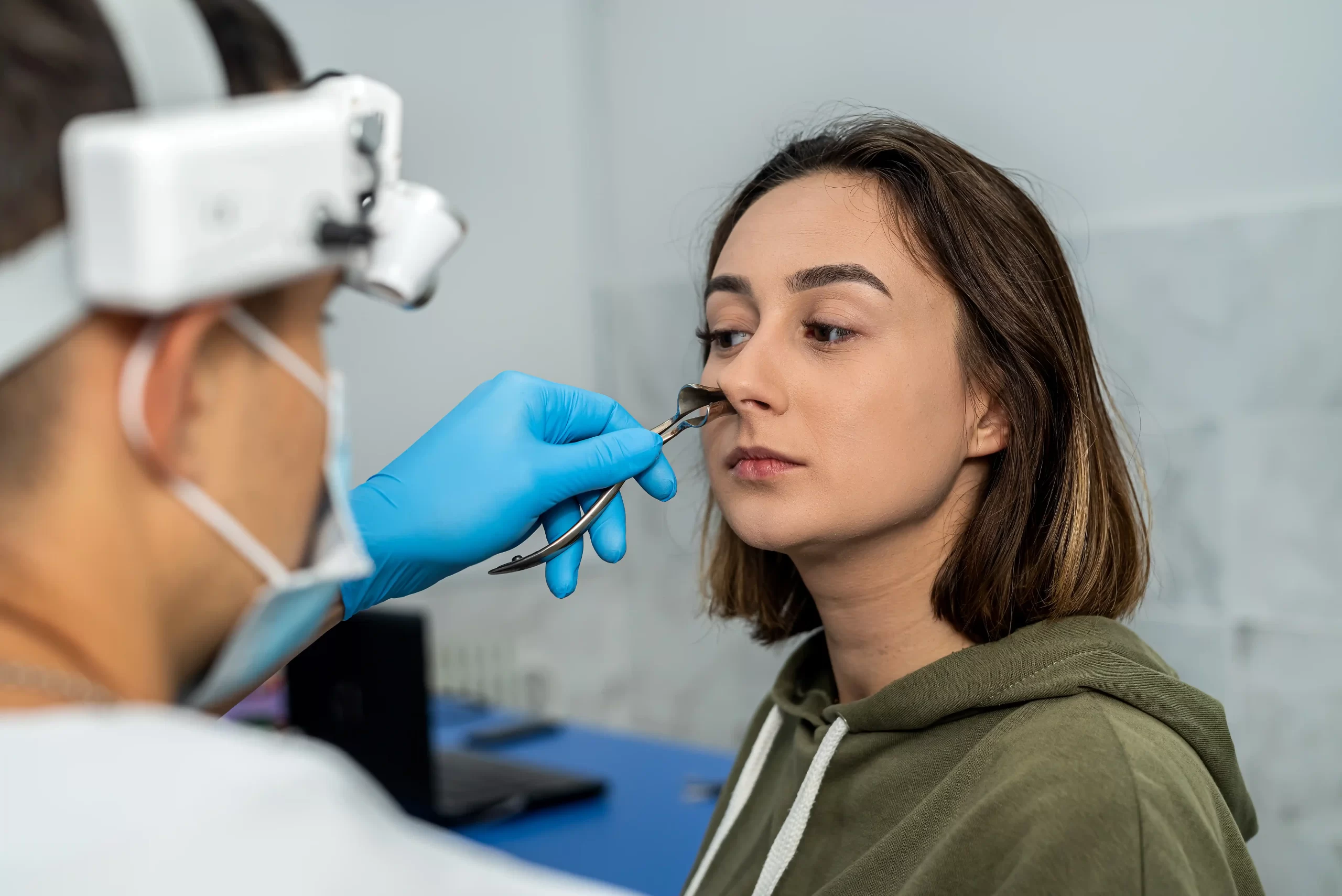

This article was written by Assoc. Prof. Dr. Burak Sercan Erçin and is based on clinical experience. A specialist in Plastic, Reconstructive and Aesthetic Surgery; prepared in accordance with current medical literature and personal surgical data. A consultation is recommended before making any medical decisions.
Facial trauma is more than just a physical injury; it can profoundly affect how we see ourselves and interact with the world. For individuals recovering from severe accidents, burns, or surgeries to remove tumors, the journey back requires exceptional skill. It calls for a reconstructive surgeon who combines medical knowledge with the precision of a microsurgical artist. In this highly specialized field, Turkey has become a leading destination, offering elite European medical standards combined with the latest microsurgical advancements. This guide provides an in-depth look at the process of trauma face reconstruction in Istanbul. We will explore the sophisticated methods used by specialists like Assoc. Prof. Dr. Burak Sercan Erçin to restore not only the face’s appearance but also its vital functions, helping patients reclaim their identity.
The face is a canvas for our emotions and our primary tool for communication. When a traumatic event, such as a car crash, a severe burn, or cancer surgery, damages this canvas, the consequences are deeply felt. The impact extends beyond physical function, touching the very core of a person’s identity and self-confidence. Fortunately, the field of reconstructive surgery has made incredible strides. The goal is no longer simply to close a wound; it is to meticulously rebuild, aiming to restore the patient’s appearance and function to how it was before the trauma. It’s about giving them back their reflection in the mirror.
Turkey has firmly established itself as a global leader in this surgical transformation. While well-known for aesthetic procedures, Istanbul is also a major center for complex trauma face reconstruction. The city attracts patients from all over the world who need the highest level of microsurgical skill. At the heart of this clinical excellence is Assoc. Prof. Dr. Burak Sercan Erçin, a surgeon whose credentials speak volumes. Holding the prestigious EBOPRAS diploma and having trained with world-renowned microsurgeons, he represents a new benchmark in patient care and surgical outcomes. This guide will walk you through the details of facial reconstruction, explain the essential role of microsurgery, and show why Turkey is the ideal choice for those seeking world-class restorative surgery.
Understanding the Complexity of Facial Trauma
Facial trauma is almost never a simple, single-layer injury. It’s what surgeons call a “compound deficit,” meaning it affects multiple layers of tissue at once. This includes the skin, the underlying fat, muscles responsible for expression, crucial nerves, and the foundational bone structure. An effective trauma face reconstruction in Turkey must start with a precise diagnosis of each of these damaged layers. A successful outcome depends on addressing every aspect of the injury, from the inside out, to rebuild the face in a way that is both structurally sound and aesthetically pleasing. Each layer presents its own unique set of challenges that require specialized techniques and a comprehensive surgical plan.
Maxillofacial Bone Fractures: Rebuilding the Foundation
High-impact events like car accidents or falls often result in complex fractures of the facial skeleton. The bones that can be affected include the orbital floors which support the eyes, the zygomatic arches that form the cheekbones, and the mandible, or jawbone. These fractures can lead to significant changes in facial appearance, as well as problems with vision, chewing, and breathing. The modern approach to repairing these injuries is a technique called osteosynthesis. This involves using medical-grade titanium plates and screws to carefully realign and fix the broken bone fragments. This rigid fixation provides stability, allowing the bones to heal in their correct anatomical position and enabling patients to regain function more quickly.
Before the surgery even begins, Dr. Burak utilizes advanced 3D CT imaging to create a detailed map of the fractures. This technology allows for meticulous pre-operative planning, where the surgeon can visualize the injury from every angle and plan the exact placement of each plate and screw. This level of precision is critical for restoring facial symmetry down to the millimeter. The goal is not just to fix the bones, but to rebuild the scaffold of the face accurately, ensuring that the final result is as close to the patient’s pre-injury appearance as possible. This careful planning minimizes surprises during surgery and leads to more predictable and successful outcomes.
Soft Tissue and Volume Loss: Restoring Natural Contours
The natural shape and fullness of our face are defined by specific compartments of fat and muscle located just beneath the skin. Traumatic injuries can cause a significant loss of this soft tissue, a condition known as avulsion. Simply stitching the skin together over these voids is not enough; this often results in a sunken, hollowed, or scarred appearance that serves as a constant reminder of the trauma. True restoration requires rebuilding this lost volume to bring back the face’s natural, healthy contours. This is a delicate process that requires an artistic eye and a deep understanding of facial anatomy.
To address this, surgeons use advanced techniques like autologous fat grafting. This procedure involves harvesting the patient’s own fat from another area of the body, such as the abdomen or thighs, and carefully injecting it into the hollowed areas of the face. Because the patient’s own tissue is used, the risk of rejection is eliminated. For larger defects, a more complex procedure called a free tissue transfer may be necessary. This involves transplanting a section of skin, fat, and muscle, along with its blood supply, from another part of the body to the face. These techniques are essential for filling depressions, smoothing out irregularities, and preventing the gaunt look that can follow a serious facial injury.
Nerve Damage and Facial Paralysis: Reanimating Expression
One of the most life-altering consequences of severe facial trauma is damage to the facial nerve, also known as cranial nerve VII. This nerve controls all the muscles of facial expression. When it is damaged, the result can be partial or complete facial paralysis. This condition affects more than just appearance; it robs a person of the ability to communicate non-verbally. The inability to smile, raise an eyebrow, or even fully close an eye can have a profound psychological impact, leading to feelings of self-consciousness and isolation. Restoring these dynamic movements is one of the most challenging yet rewarding aspects of facial reconstruction.
Advanced reconstructive surgery offers hope for patients with facial paralysis. One common technique is nerve grafting, where a section of a less critical sensory nerve, often the sural nerve from the lower leg, is used to bridge the gap in the damaged facial nerve. Over time, the nerve fibers can regrow through this graft, restoring signals to the facial muscles. For cases where the muscles themselves have atrophied, a dynamic muscle transfer is performed. This involves transplanting a muscle, such as the gracilis muscle from the thigh, to the face. The muscle’s nerve and blood vessels are then microsurgically connected to a nerve and vessels in the face, allowing it to function as a new muscle for smiling. These sophisticated procedures can reanimate the face, bringing back the ability to express emotion.
The Microsurgery Difference: Precision and Expertise
What truly distinguishes a top-tier reconstructive specialist from a general plastic surgeon is their expertise in microsurgery. This is not just a technique; it is a subspecialty that requires years of additional, intensive training. Microsurgery involves operating on extremely small structures, such as blood vessels and nerves that are less than one millimeter in diameter. Surgeons use a high-powered operating microscope that magnifies these structures up to 40 times, along with specialized instruments and sutures that are often thinner than a human hair. This level of precision is absolutely essential for the most complex facial reconstruction cases.
Microsurgery is the key that unlocks the ability to perform free flap procedures. A “free flap” is a section of tissue—which can include skin, fat, muscle, or even bone—that is taken from one part of the body and transplanted to another. The success of this procedure hinges on the surgeon’s ability to immediately re-establish blood flow to the transplanted tissue. This is done by meticulously connecting the tiny arteries and veins of the flap to recipient vessels in the face. Without a successful microsurgical connection, the tissue would not survive. This skill allows surgeons to rebuild complex defects with the patient’s own living tissue, offering the most natural and durable results possible. Assoc. Prof. Dr. Burak Sercan Erçin is an esteemed reconstructive surgeon in Istanbul with extensive expertise (10+ years and counting) in breast and burn reconstructive surgeries. With a specialization in Plastic, Reconstructive, and Aesthetic Surgery and a qualification diploma from EBOPRAS, MD. Burak has worked alongside some of the world’s leading reconstructive microsurgeons, including Dr. Pedro Cavadas. With a commitment to excellence in both clinical practice and academic research, Dr. Burak is dedicated to providing his patients with the highest quality care possible. You can book a consultation today and take the first step towards your physical transformation.
The “Cavadas” Influence: Training with a Legend
Assoc. Prof. Dr. Burak Sercan Erçin brings an exceptional level of training and experience to his practice. A significant part of his expertise was shaped by his time working alongside Dr. Pedro Cavadas, a true pioneer and a living legend in the world of reconstructive microsurgery. Dr. Cavadas is internationally renowned for his groundbreaking work, including performing the world’s first double leg transplant and Spain’s first face transplant. Training under such a master provides an education that goes far beyond what is taught in standard medical residency programs. It means being exposed to the most difficult and extreme cases of reconstruction, where innovative solutions and flawless technique are required on a daily basis.
This mentorship instilled in Dr. Burak a unique problem-solving mindset and honed his skills to the highest possible level. It is one thing to learn the theory of microsurgery from a textbook; it is another entirely to learn it in the operating room from someone who is constantly pushing the boundaries of what is surgically possible. This “Cavadas influence” is a mark of distinction, signifying a deep understanding of complex anatomy, advanced surgical planning, and the ability to execute procedures that other surgeons might deem impossible. For patients, this means being under the care of a surgeon who is equipped with the knowledge and confidence to handle any challenge that may arise during their reconstruction.
Why Microsurgery is Crucial for Your Recovery
When you are facing a complex facial reconstruction, the role of microsurgery cannot be overstated. It is the difference between a basic repair and a true restoration of form and function. Here’s why it is so important for patients:
- Tissue Viability: The primary benefit of microsurgery is that it ensures the survival of transplanted tissue. By re-establishing a robust blood supply, the surgeon guarantees that the “free flap” will live and integrate into its new location. This is crucial for covering large defects and rebuilding significant parts of the face. Without it, the tissue would die, and the surgery would fail.
- Functional Restoration: Facial trauma often involves damage to nerves that control sensation and movement. Microsurgery allows for the precise repair of these tiny nerves. By suturing the severed ends of a nerve back together under a microscope, surgeons can create a pathway for nerve regeneration. This can restore feeling to numb areas of the face and, most importantly, bring back movement to paralyzed muscles, allowing for a more natural and expressive appearance.
- Superior Aesthetics: Microsurgery enables what is often called “spare part” surgery. This means using the body’s own tissues to reconstruct features like a nose, an ear, or a lip. For example, cartilage from a rib can be used to create a framework for a new ear, which is then covered by a thin flap of skin with its own blood supply from the forearm. This approach, using living tissue, produces results that look and feel much more natural than those achieved with synthetic implants. Furthermore, using the body’s own tissue significantly reduces the long-term risks of infection and rejection associated with artificial materials.
If your injury is complex and involves significant tissue loss or nerve damage, settling for a standard surgical approach may not be enough. Book a consultation today with Dr. Burak to learn how advanced microsurgery can be the key to restoring your appearance, your function, and your quality of life.
Why Turkey is a Premier Destination for Trauma Reconstruction
While the lower cost of medical procedures in Turkey often grabs headlines, the real reason that patients travel here for complex reconstructive surgery is the unparalleled level of volume-based expertise. The country’s top surgeons have a depth of experience that is difficult to find elsewhere. This combination of high-level skill, adherence to rigorous international standards, and cost-effectiveness makes Turkey a strategic and intelligent choice for patients seeking the best possible care for facial trauma. It offers a unique value proposition where quality is not sacrificed for affordability.
High-Volume Trauma Centers and Surgical Proficiency
Surgeons in Turkey, particularly in major hubs like Istanbul, manage an exceptionally high volume of complex trauma cases. This is due to a combination of factors, including the country’s large and dynamic population and its geographical position as a crossroads between Europe and Asia. In medicine, there is a well-established principle that “practice makes perfect.” The sheer number of cases a surgeon performs, often referred to as their “n-number,” has a direct and significant impact on their skill and proficiency. A surgeon who repairs multiple complex facial fractures every week will naturally develop a higher level of expertise and achieve better outcomes than a surgeon who only sees a few such cases per year.
This high volume means that Turkish surgeons are constantly exposed to a wide variety of challenging injuries. They become adept at handling rare complications and are skilled in a broader range of surgical techniques. They are not just following a textbook; they are refining their methods with every single case. This environment of constant practice and innovation fosters a level of surgical mastery that benefits every patient who walks through their doors. When you choose a high-volume center, you are choosing a team that has seen it all and is prepared for any situation.
The EBOPRAS Standard: A Guarantee of Quality
When considering surgery abroad, one of the biggest concerns for patients is ensuring the surgeon’s qualifications meet the highest international standards. This is where credentials like the EBOPRAS (European Board of Plastic, Reconstructive and Aesthetic Surgery) diploma become critically important. Dr. Burak is a proud holder of this diploma, and it is far more than just a certificate to hang on the wall. It is considered the gold standard of surgical training and competence in Europe.
To earn the EBOPRAS diploma, a surgeon must first complete a rigorous and lengthy residency program in plastic surgery. After that, they must pass a series of demanding written and oral examinations that are set and evaluated by the European Union of Medical Specialists (UEMS). These exams test every aspect of a surgeon’s knowledge, from basic science to the most advanced surgical techniques. Holding this credential signifies that the surgeon has achieved a level of expertise that is recognized and respected across the entire European continent. For a patient, seeing the EBOPRAS qualification is a powerful assurance of safety, quality, and a commitment to excellence. When you are searching for `trauma face reconstruction Turkey`, looking for this credential should be your first step in finding a trustworthy and highly skilled surgeon.
Cost-Efficiency Without Compromising on Quality
It is a fact that complex medical procedures are significantly more affordable in Turkey than in countries like the United States, the UK, or Western Europe. A major facial reconstruction involving microsurgery could easily cost over $100,000 in the U.S. In Turkey, the same procedure, performed by a surgeon with equivalent or even superior credentials, could be 50-70% lower. It is crucial to understand why this price difference exists. It is not because the quality of care is lower or because corners are being cut. The surgeons, techniques, and materials are of the same high standard.
The cost savings are due to differences in the economic structure of the healthcare system. Operational costs, such as hospital facility fees, staff salaries, and medical malpractice insurance, are substantially lower in Turkey. This allows hospitals and clinics to offer their services at a much more accessible price point. Patients can be confident that they are receiving the best care possible. Surgeons like Dr. Burak use the exact same FDA and CE-approved implants, titanium plates, and microsurgical sutures that are used in the top hospitals in the world. The difference is that you are not paying the exorbitant overhead costs associated with Western healthcare systems. This makes world-class reconstructive surgery accessible to a much wider range of patients.
Dr. Burak’s Specialized Reconstructive Services
Dr. Burak’s practice is dedicated to providing a comprehensive range of reconstructive procedures, each one carefully tailored to the unique needs of the patient and the specific nature of their trauma. The approach is never one-size-fits-all. Instead, it is a highly personalized process that begins with a thorough evaluation and ends with a detailed surgical plan designed to achieve the best possible functional and aesthetic outcome. From the intricate work of burn repair to the complex demands of post-cancer reconstruction, every service is delivered with the highest level of skill and compassion.
Burn Reconstruction and Advanced Scar Revision
Burn injuries to the face are particularly challenging because they often result in the formation of scar contractures. These are thick, tight bands of scar tissue that are not elastic like normal skin. As they heal, they can pull on surrounding features, distorting the eyelids, nose, or mouth, which can severely limit function and alter one’s appearance. Dr. Burak is highly experienced in treating these complex injuries. One of the primary techniques he uses is tissue expansion. This involves placing a small, inflatable balloon under an area of healthy skin near the burn scar. Over several weeks, the balloon is gradually filled with saline solution, which gently stretches the skin, creating a new supply of healthy, well-matched tissue. This new skin can then be used to replace the scarred area, providing a much better cosmetic result and releasing the contractures.
In addition to surgical revision, the practice also integrates advanced non-surgical treatments to improve the quality of healed skin. CO2 fractional lasers are used to resurface the scar, breaking down the tough scar tissue and stimulating the growth of new collagen. This helps to soften the scar, improve its texture, and reduce redness. This treatment is often combined with PRP Treatment (Platelet Rich Plasma), where the patient’s own growth factors are concentrated and injected into the scar tissue to further enhance healing and regeneration. The practice’s focus on Burn Repair Treatments and Chronic Wound Treatments ensures that patients receive comprehensive care for even the most severe injuries.
Post-Oncological Reconstruction After Cancer Surgery
The surgical removal of skin cancers or tumors of the head and neck can be life-saving, but it often leaves patients with significant defects that can be both physically and emotionally devastating. Losing a part of one’s nose, cheek, or jaw can dramatically alter their appearance and function. Dr. Burak has a special focus on Post-Cancer Reconstruction, working closely with oncological surgeons to plan the reconstruction often before the tumor is even removed. This collaborative approach ensures that the defect is closed in the most effective and aesthetic way possible, minimizing the impact of the cancer surgery.
The technique used for reconstruction depends on the size and location of the defect. For smaller defects, “local flaps” may be used, which involves rearranging nearby skin to cover the wound. This is often ideal as the skin tone and texture are a perfect match. For larger and more complex defects, “free flaps” are required. This microsurgical procedure involves transplanting a section of skin, muscle, and sometimes bone from a distant part of the body, such as the thigh, back, or arm, to rebuild the missing facial structure. The goal is always to respect the “aesthetic units” of the face, ensuring that scars are hidden in natural creases and that the final result looks as harmonious and balanced as possible.
Oculoplastic and Periorbital Trauma Repair
The area around the eyes, known as the periorbital region, is incredibly delicate and functionally vital. Trauma to this area can damage the thin bones of the eye socket, the eyelids, and the tear drainage system. Injuries can lead to functional problems like ectropion, where the eyelid turns outward, leaving the eye exposed and dry, or ptosis, where the eyelid droops and can obstruct vision. These conditions are not just cosmetic issues; they can compromise the health of the eye itself.
Dr. Burak performs highly specialized oculoplastic procedures to address these problems. This can include intricate Eyelid Aesthetics (Blepharoplasty) techniques to repair lacerations and restore the normal position of the eyelid. He also performs canthoplasty, a procedure that tightens and supports the outer corner of the eye, which is crucial for restoring the protective function of the eyelids and achieving a natural, alert eye shape. Reconstructing this area requires a surgeon with a deep understanding of its complex anatomy to ensure that both vision and appearance are preserved.
Correcting Congenital and Secondary Deformities
Some adults live with the long-term effects of congenital conditions, such as a cleft lip and palate, that were not fully corrected in childhood. Others may be unhappy with the outcome of a previous surgery, which may have left them with asymmetry, unnatural-looking scars, or functional problems. Revision Surgery is a specialized area of Dr. Burak’s practice dedicated to helping these patients. Performing surgery on an area that has already been operated on is significantly more challenging due to the presence of scar tissue and altered anatomy.
Whether the goal is to improve the appearance of a cleft lip scar, correct a nasal deformity from a previous rhinoplasty, or address a Congenital Anomaly that is causing functional issues, the approach is always tailored to the individual’s unique situation. It requires meticulous planning, precise surgical technique, and a clear understanding of the patient’s goals. The ultimate aim is to normalize the anatomy, improve function, and create a result that is both aesthetically pleasing and emotionally healing. For many patients, revision surgery is a chance to finally achieve the outcome they had hoped for and to move forward with renewed confidence. Are you living with the consequences of a past injury or surgery? It is never too late to seek a better outcome. Contact Dr. Burak’s team to discuss your options for revision surgery.
The Patient Journey: A Roadmap for International Patients
Traveling to another country for a major reconstructive surgery can feel like a daunting prospect, but with careful planning and a clear process, it can be a smooth and manageable experience. Dr. Burak’s clinic has a well-established protocol designed specifically for international patients, ensuring that you are supported and informed at every step of the way. Here is a clear roadmap of what you can expect on your journey to recovery.
Phase 1: The Virtual Consultation
Your journey begins from the comfort of your own home with a comprehensive digital assessment. This first step is crucial for establishing whether you are a good candidate for surgery and for developing a preliminary surgical plan. You will be asked to submit high-resolution photographs of your face from multiple angles, along with any relevant medical documents you may have, such as CT scans, MRI reports, or notes from previous doctors. Dr. Burak reviews every case personally. He will carefully analyze the information you provide to understand the full extent of your injury. Based on this initial review, he will give you his professional opinion on the best surgical approach. It is important to remember that for trauma cases, restoring function—such as breathing, eating, and vision—is always the top priority, alongside achieving the best possible aesthetic result.
Phase 2: Arrival and Pre-Operative Planning in Istanbul
Once you arrive in Istanbul, the planning process becomes more detailed. You will have an in-person consultation with Dr. Burak, where he will conduct a thorough physical examination. This is also when you will undergo any necessary advanced imaging, such as a 3D CT scan, which provides a highly detailed view of your facial anatomy. This information is used to finalize the surgical plan, confirming the techniques to be used and the goals of the procedure. You will also meet with the anesthesiologist and have standard pre-operative tests, including blood work, to ensure that you are in good health and ready for surgery. This comprehensive pre-op phase is designed to maximize safety and ensure that everything is perfectly in place for a successful operation.
Phase 3: The Day of Your Surgery
The length and complexity of reconstructive surgeries can vary greatly. A more straightforward procedure might take 3-4 hours, while a complex case involving microsurgery and multiple free flaps could last for 10 hours or even longer. You will be under the care of a highly skilled surgical team in a state-of-the-art operating room. For patients undergoing microsurgical procedures, it is standard to spend the first night after surgery in the Intensive Care Unit (ICU). This is a precautionary measure that allows for close and constant monitoring of the blood flow to the newly transplanted tissue. The nursing staff is specially trained to check the flap regularly, ensuring it remains healthy and viable, which is critical for the success of the surgery.
Phase 4: Recovery and Healing in Istanbul
The recovery period for major reconstructive surgery is different from that of more minor cosmetic procedures. While a patient might fly home a few days after a simple cosmetic surgery, trauma reconstruction requires a longer stay in Istanbul, typically around 10 to 14 days. This extended period is essential for your initial healing and safety. During this time, the medical team will be able to remove sutures, monitor the healing of your bone fixation, and manage any post-operative discomfort. It also allows for the start of any necessary early physical therapy, such as gentle exercises for jaw movement or facial muscles, which can be crucial for regaining function. Staying in Istanbul for this period ensures that you are in the best hands should any issues arise in the critical early days of recovery.
Phase 5: Long-Term Follow-Up and Final Results
The healing process for bone, nerves, and soft tissue is a long-term journey that continues for many months after you return home. The final results of your surgery will emerge gradually as swelling subsides and tissues settle into their new positions. Dr. Burak and his team remain committed to your care throughout this entire process. They will maintain regular contact with you through video calls and email to monitor your progress. These follow-up consultations are important for tracking the reduction of swelling, checking on scar maturation, and answering any questions you may have. This ongoing support guides you through the final “settling” phase and ensures you have the guidance you need to achieve the best possible long-term outcome.
Conclusion: Restoring Identity, Rebuilding Lives
Trauma face reconstruction is a profound journey that goes far beyond repairing broken bones or mending skin. It is about restoring a person’s sense of self, their confidence, and their ability to face the world without feeling defined by their injuries. This remarkable transformation requires a surgeon who not only possesses the technical brilliance of a microsurgeon but also the artistic vision to recreate the natural harmony and balance of the human face.
In the vibrant medical landscape of Istanbul, Assoc. Prof. Dr. Burak Sercan Erçin offers this unique and powerful combination of skills. His expertise has been built in the demanding environment of high-volume academic trauma centers and polished through training with global pioneers like Dr. Pedro Cavadas. Dr. Burak’s practice is founded on a deep commitment to excellence in every aspect of patient care. Whether you are in need of Post-Cancer Reconstruction after a life-saving surgery, specialized Burn Repair Treatments, or a complex Microsurgery to restore function and form, your path to a complete physical and emotional recovery begins here.
Do not let trauma dictate the course of your future. Book a consultation today and take the first, most important step toward restoring your identity with the help of Assoc. Prof. Dr. Burak Sercan Erçin.
—
Frequently Asked Questions (FAQ)
How long does swelling last after facial trauma reconstruction?
Swelling is a completely normal and expected part of the healing process after both the initial injury and the reconstructive surgery. The most significant swelling and bruising, often referred to as “social downtime,” typically improves greatly within the first 2 to 3 weeks. However, for more complex procedures involving extensive bone work or free flap transfers, some amount of residual swelling can persist for much longer. It may take anywhere from 6 to 12 months for the swelling to fully resolve and for the final, refined contours of your face to become apparent. Dr. Burak utilizes advanced surgical techniques and provides post-operative care instructions, which may include lymphatic drainage massage and specific medications, to help manage and minimize this swelling period as much as possible.
Can facial paralysis be cured years after the injury?
Yes, in many cases, significant improvements can be made even years after the initial injury that caused the facial paralysis. While repairing the facial nerve immediately after the trauma generally yields the best results, it is not the only option. For patients with long-standing paralysis, there are advanced facial reanimation techniques available. These can include procedures like a temporalis muscle transfer, where a chewing muscle is repositioned to help lift the corner of the mouth, or a cross-face nerve graft, where a nerve from the unaffected side of the face is used to power the paralyzed side. Dr. Burak will conduct a thorough assessment, which may include electrical studies, to evaluate the health and viability of the remaining facial muscles to determine the most effective surgical strategy for your specific case.
Is it safe to fly after facial fracture surgery?
It is generally recommended that patients wait for a period of time before flying after surgery on facial fractures. This is especially important if the surgery involved the sinuses or the bones of the eye socket (orbit). Changes in cabin pressure during a flight can cause a build-up of pressure in these spaces, which can be painful and could potentially compromise the surgical repair. The typical recommended waiting period is between 10 to 14 days. Dr. Burak will monitor your recovery closely and will only provide you with a “Fit to Fly” certificate when he is confident that it is medically safe for you to travel home by air.
Does insurance cover trauma reconstruction in Turkey?
Most international health insurance plans differentiate between cosmetic surgery and medically necessary reconstructive surgery. Trauma reconstruction is almost always considered a medical necessity. However, the extent of coverage for treatment received in another country can vary widely between different insurance providers and policies. It is essential that patients contact their insurance company well in advance to understand their specific coverage for “out-of-network” or “overseas” medical care. Dr. Burak’s clinic is experienced in dealing with international patients and can provide all the necessary documentation, including detailed medical reports and operative notes, to help you with your insurance reimbursement claim.
What is the difference between a plastic surgeon and a reconstructive microsurgeon?
This is an important distinction. While all reconstructive microsurgeons are fully qualified plastic surgeons, not all plastic surgeons have completed the additional, highly specialized training required to become a microsurgeon. A board-certified plastic surgeon is trained in a wide range of cosmetic and reconstructive procedures. A reconstructive microsurgeon, like Dr. Burak, has gone on to complete a fellowship or an equivalent period of intensive training focused specifically on using a microscope to repair tiny blood vessels and nerves. This advanced skill set is absolutely critical for the success of complex trauma cases that involve transplanting tissue (free flaps) or reattaching severed parts, as it is the key to ensuring tissue survival and restoring function.
This content was written by Assoc. Prof. Dr. Burak Sercan Erçin in line with clinical experience and current medical literature. It is intended for general informational purposes only and does not constitute medical advice. A personal consultation with Dr. Erçin is recommended for individual assessment.
Faculty Member · Bahçeşehir University
Graduate of Ege University Faculty of Medicine, Assoc. Prof. Dr. Erçin completed advanced fellowships at Tampa General Hospital (USA) under Dr. Deniz Dayıcıoğlu in breast reconstruction and burn surgery, and at the clinic of Dr. Pedro Cavadas in Valencia, Spain in reconstructive microsurgery. After passing the EBOPRAS examination in 2018, he joined Bahçeşehir University as a faculty member and continues his private practice on Bağdat Avenue, Istanbul, specialising in face, breast and body aesthetics alongside complex reconstructive surgery.