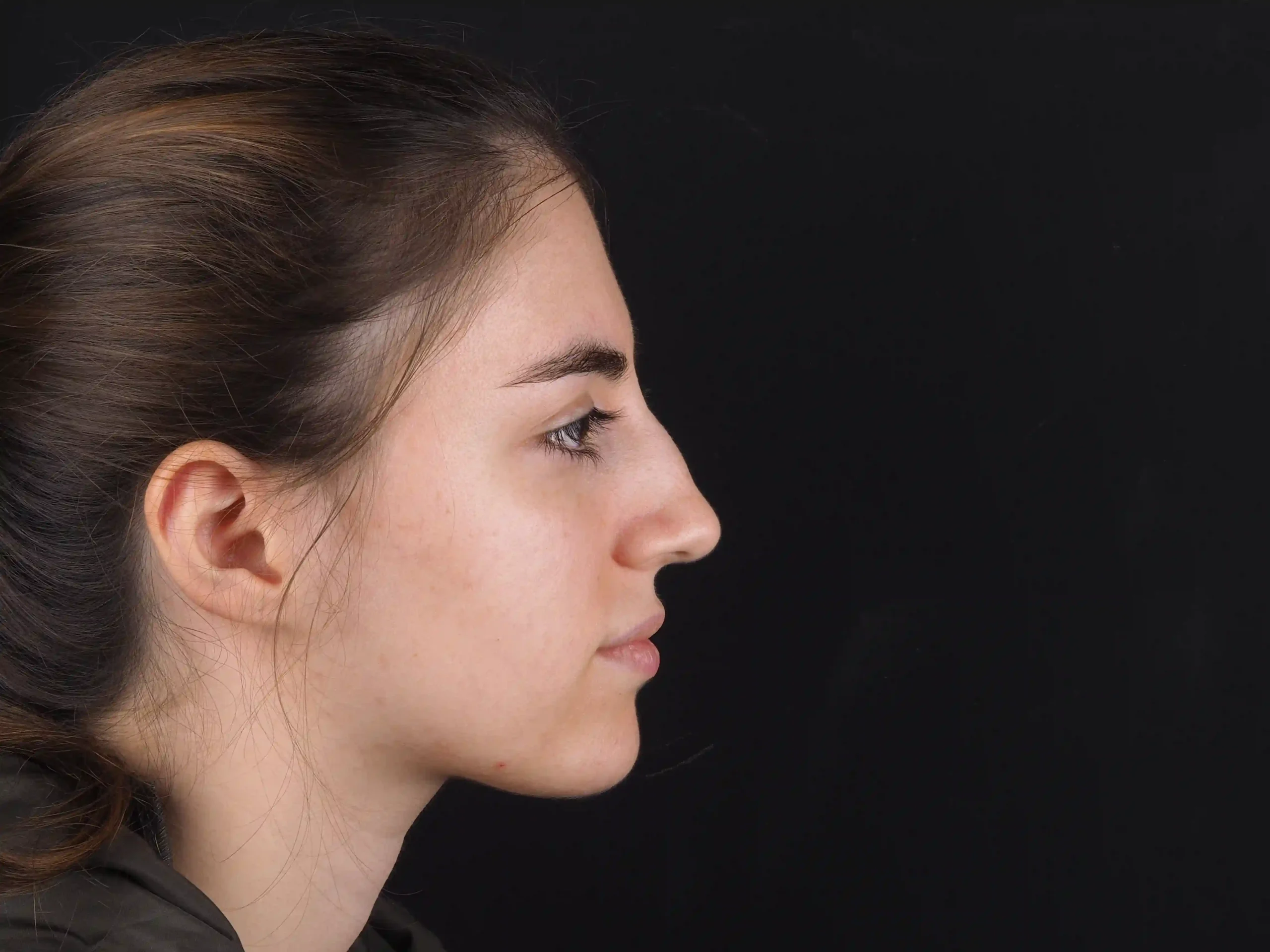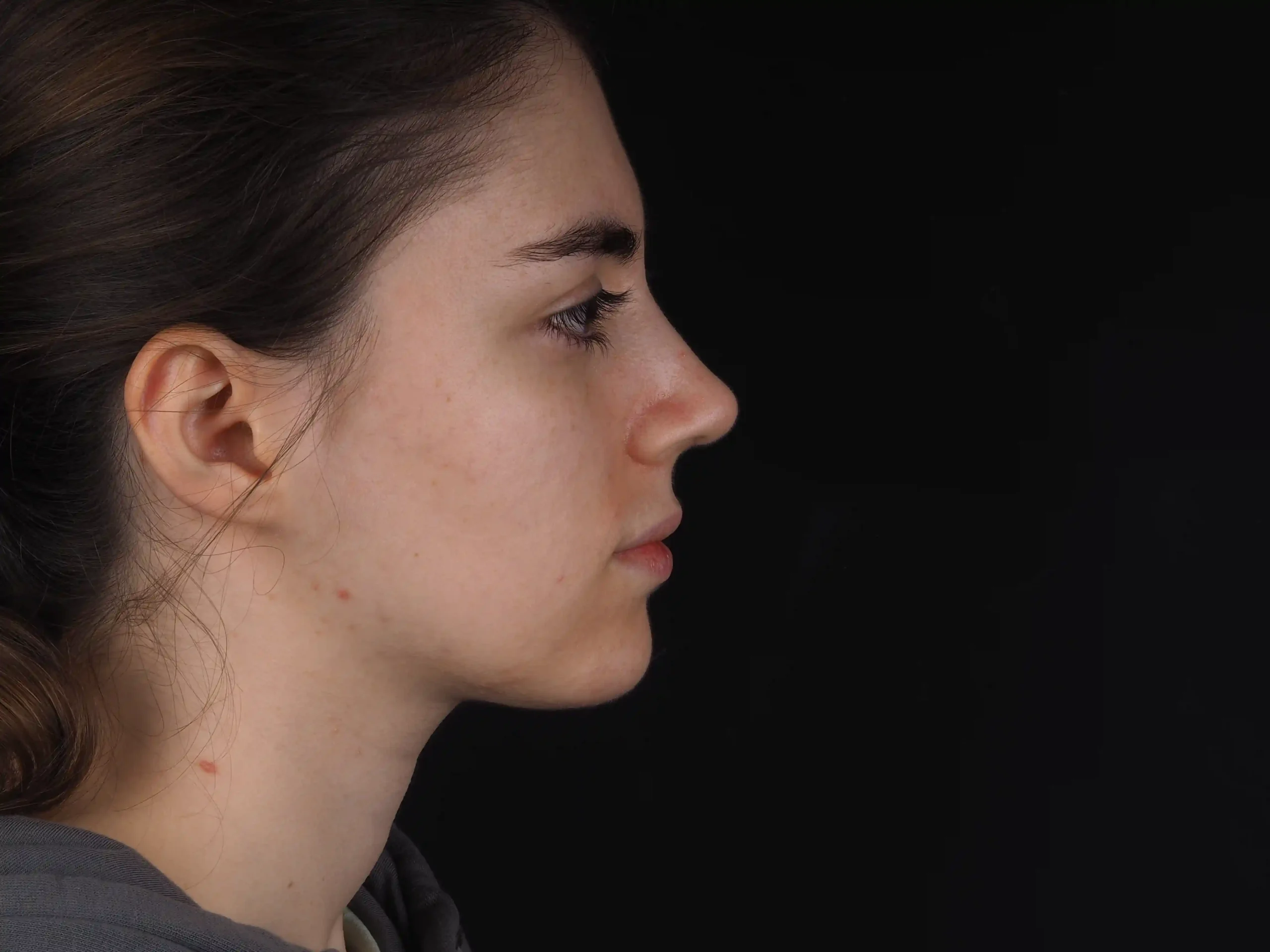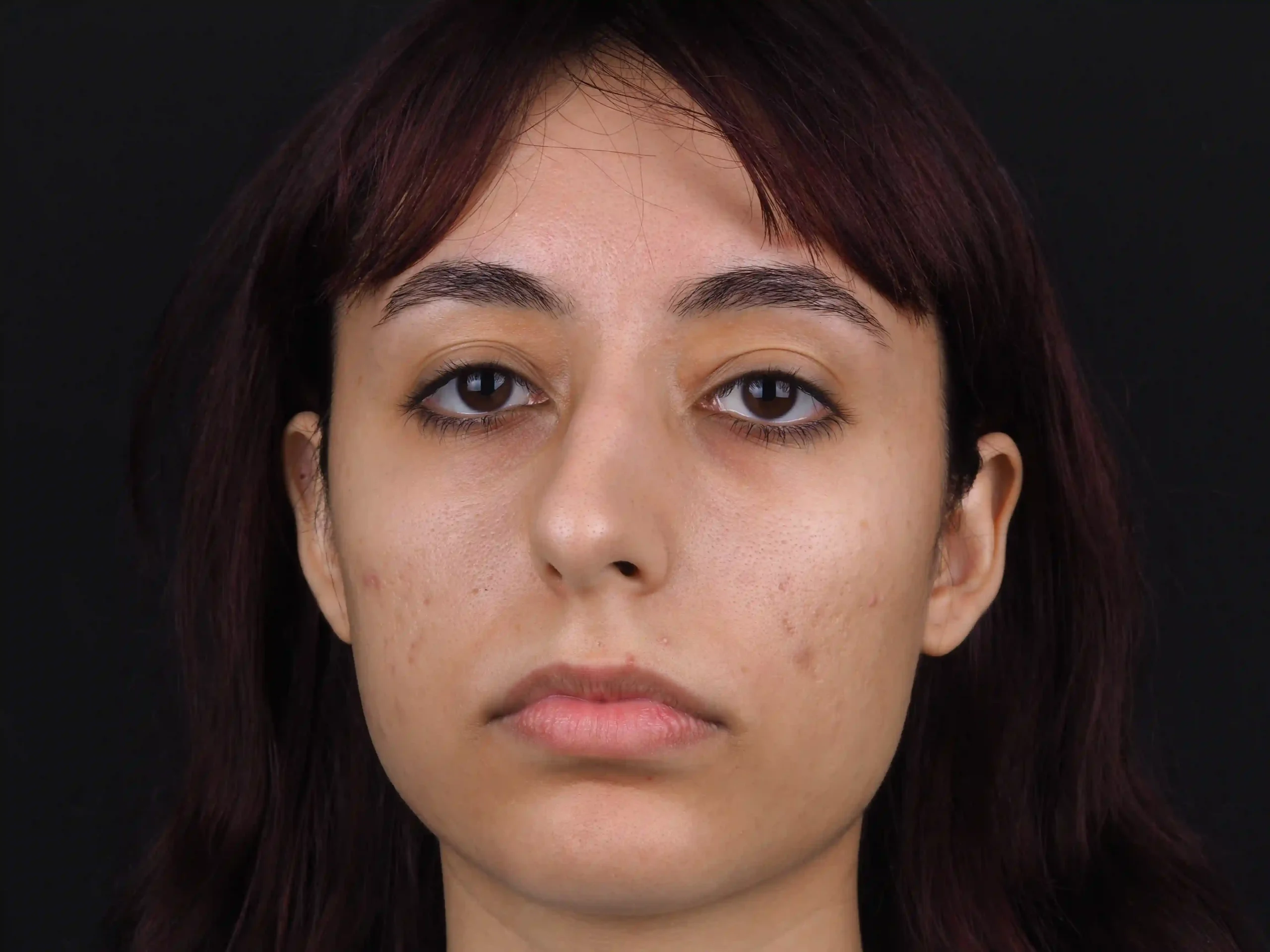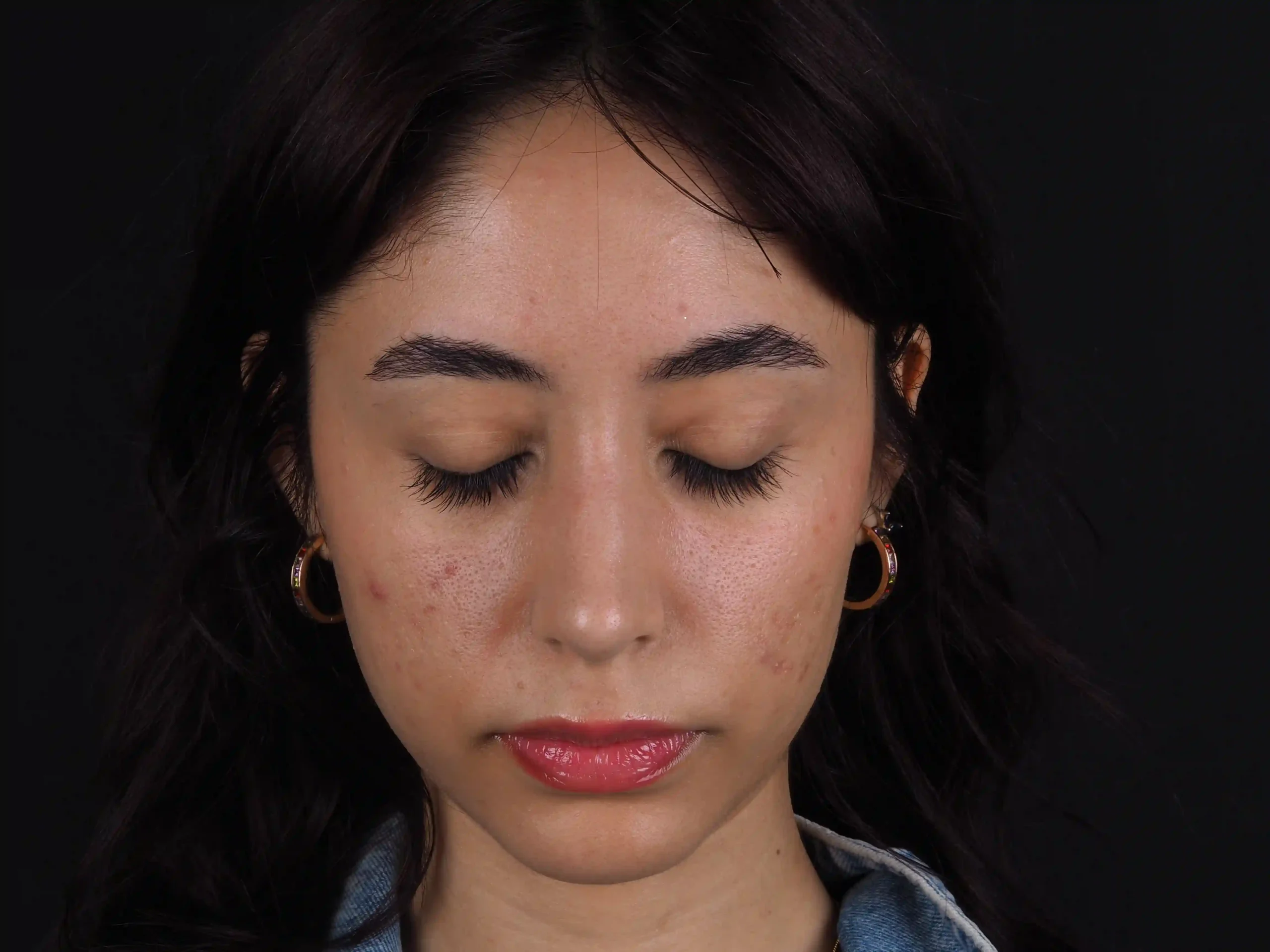
Nose Rhinoplasty
Rhinoplasty is the operation that is preferred to repair the differences in the shape of the nose, bone shape and cartilage, or to repair congenital differences.
Dr Burak is the scientific lead in such operations, as per the research and before/after shown in the research linked.

What is Rhinoplasty?
Rhinoplasty is the operation that is preferred to repair the differences in the shape of the nose, bone shape and cartilage, or to repair congenital differences. Rhinoplasty is a plastic surgery operation. Rhinoplasty can be defined as “nasoplasty” and “rhinoplasty”. Rhinoplasty treatment is one of the most preferred plastic surgery operations. Rhinoplasty may be preferred for;
Congenital,
Repair of subsequent situations,
Regarding the deformities of the nose damaged by trauma.
While rhinoplasty is generally preferred to treat deformities of the nose, it is preferred to treat respiratory diseases of some patients. No matter what conditions are preferred to treat rhinoplasty, the condition that needs to be taken into consideration is to continue the functioning of the “respiratory tract” or to make it function better. During an operation;
Shaping the nose (reconstruction), Treating deformities may be applied.
More than one treatment method can be applied during rhinoplasty.

Contact Dr. Burak Now

Rhnioplasty Statistics and Modern Insights
1. Objective AI and Quantitative Metrics
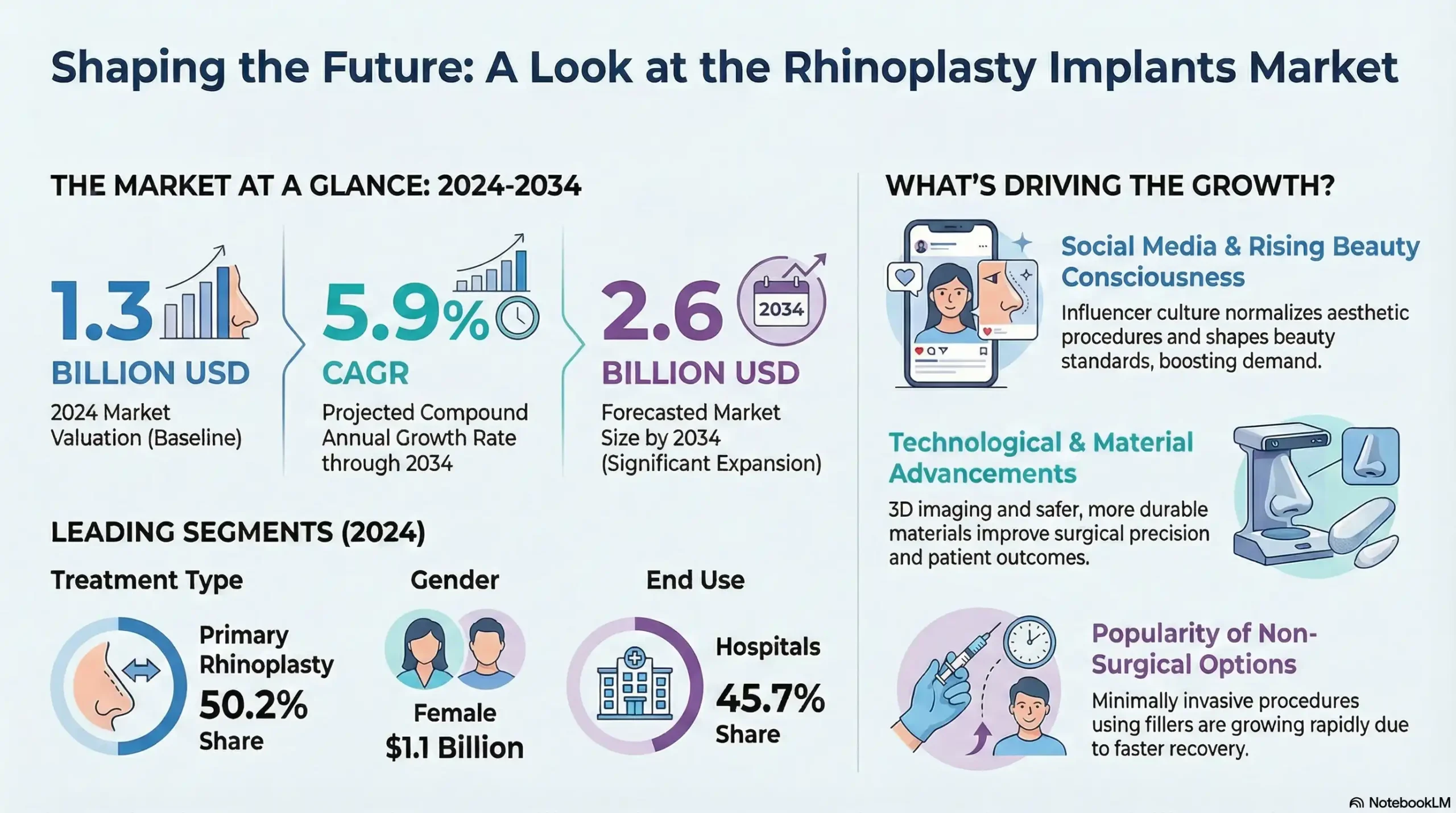
Harnessing Computer Vision for Precision Results Beyond subjective mirrors, our approach integrates automated, quantitative frameworks to evaluate aesthetic success. Using advanced computer-vision pipelines like MediaPipe FaceMesh, we can analyze 468 facial landmarks to calculate a precise symmetry error score. Research indicates that 96.2% of rhinoplasty patients show statistically significant improvement in nasal measurements. Specifically, studies show the highest gains in the alar width to face width ratio (77% improvement) and the nose length to face height ratio (41.5% improvement). Furthermore, AI-driven age estimation models confirm that these refinements contribute to perceived rejuvenation, often reducing the “apparent age” of a patient’s face.
2. Statistical Safety and Biometric Integrity
Proven Safety Standards and Identity Preservation Choosing a high-volume specialist in Turkey means choosing a surgeon who often performs 200 to 400 rhinoplasties annually, far exceeding typical caseloads in other regions. This extensive experience helps maintain high standards of safety; research shows major complications in aesthetic rhinoplasty occur in only approximately 0.7% of cases when performed by experienced hands. While global revision rates range from 5% to 15%, high-volume clinics aim for rates below 10%. Importantly, modern rhinoplasty preserves your biometric identity. State-of-the-art face recognition models (like AdaFace) confirm a 99.5% True Match Rate post-operatively, ensuring your identity remains consistent even as your aesthetic harmony improves.
3. Advanced Material and Non-Surgical Trends
Innovation in Materials and Minimally Invasive Options The field of nasal reconstruction is evolving with 3D-printed, tailor-made implants that offer personalized surgical precision. We utilize biocompatible materials such as silicone, valued for its strength and predictable, permanent results, and Gore-tex (ePTFE), which provides exceptional flexibility and a natural feel by integrating more easily with the body’s tissues. For patients not yet ready for a permanent change, the non-surgical rhinoplasty segment is growing at a 6% CAGR. This “liquid nose job” using hyaluronic acid fillers allows patients to “trial” a new look with no downtime, serving as a gateway for those considering future permanent enhancements.
4. International Patient Logistics and Regulation
Standardized Care for Global Patients As a hub for international medical tourism, Turkey follows strict regulations mandated by the Ministry of Health, including the requirement for an International Health Tourism Authorization Certificate. Per these regulations, authorized units must have at least two English-speaking employees to ensure clear communication throughout your journey. For international travelers, planning is key: while initial healing is fast, it is generally safe to fly home only 7 to 10 days post-surgery to ensure the splint has been removed and healing is stable. Our all-inclusive packages provide total transparency, itemizing surgeon fees, anesthesia, a 1-night hospital stay, 3–4 nights of 5-star accommodation, and VIP transfers to eliminate hidden costs.
To Whom Rhinoplasty is Applied?
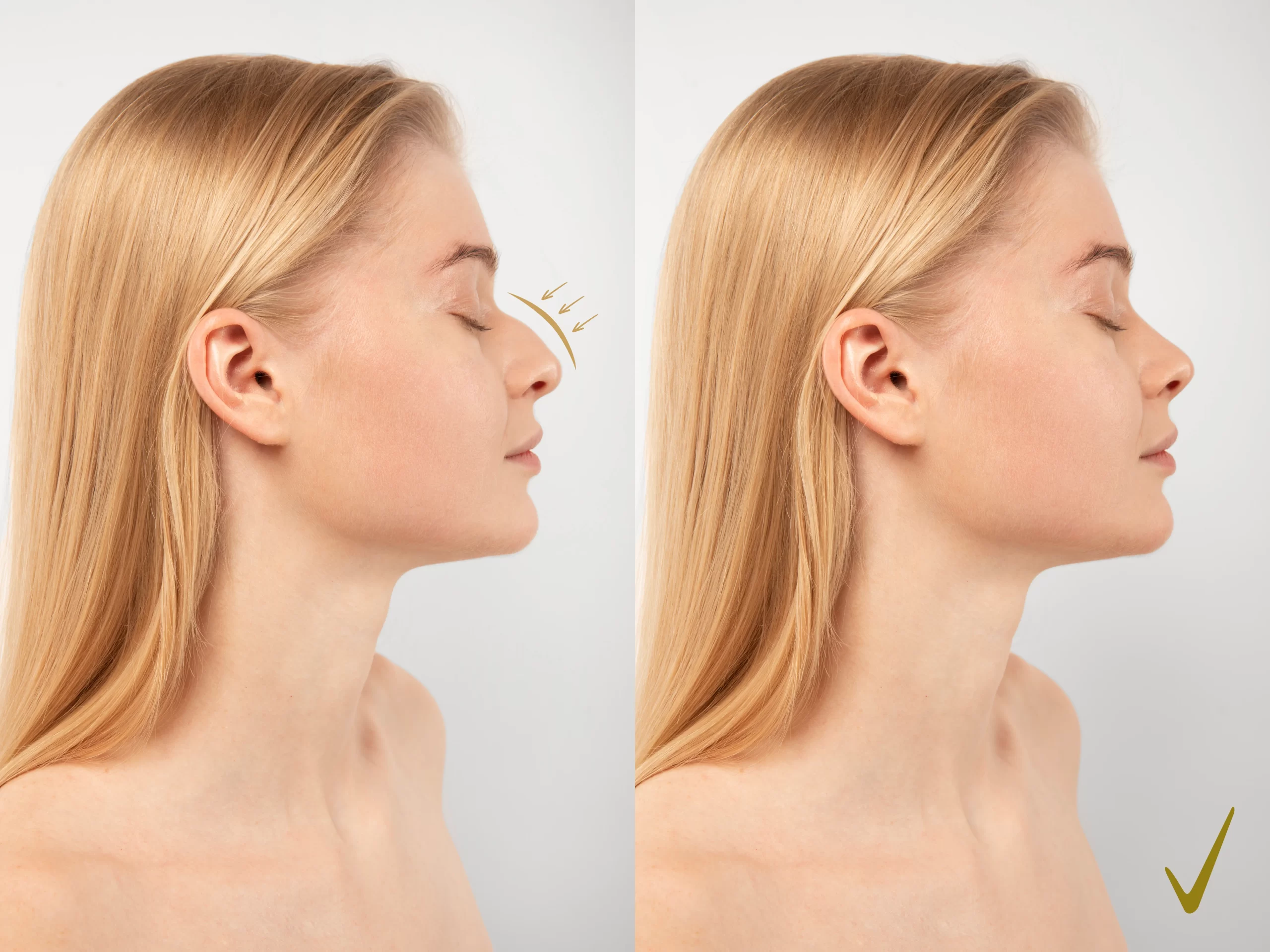
While rhinoplasty surgery is applied both aesthetically, it is also in the category of operation that is preferred for the treatment of some conditions. Rhinoplasty, that is, nose aesthetic surgery, is applied to patients with the following diseases and aesthetic problems;
Patients with nasal arches,
Patients with low nasal tip,
Patients with asymmetry in the nostrils,
Patients with curvature of the nasal bone,
Rhinoplasty surgery is applied to patients with wide nasal tip.
Rhinoplasty treatment may be needed if there is difficulty in breathing.
After the age of 16 for girls and after the age of 18 for boys, rhinoplasty is performed.
Rhinoplasty Surgery Process
Rhinoplasty surgery process may vary depending on whether the surgery is performed open or closed. Rhinoplasty surgery process may proceed as follows;
Open Rhinoplasty;
In open rhinoplasty, a small incision is made between the two nostrils of the nose. With this incision, the surgeon can see the inside of the nose with a wide angle of view. There are two main reasons for the implementation of this operation;
Advanced nasal deformity
The patient has had rhinoplasty before and no results have been achieved.
Closed Rhinoplasty;
In closed nose surgery, the incision is made through the two nostrils. With this incision, the surgeon can see the inside of the nose with a narrow angle of view. The biggest advantage of this type of rhinoplasty is that a faster healing process takes place. Noses with smaller deformities can be treated with this treatment method.


Recovery Process After Rhinoplasty
After rhinoplasty nose plastic surgery, bruises and swelling around the eyes may occur. Rhinoplasty recovery takes place between 7 days and 10 days. The most important factor affecting the healing process in rhinoplasty is the patient’s complete compliance with the doctor’s recommendations. Blows to the nose or the development of complications may also prolong the healing process. For this reason, it is very important not to have blows to the nose and to use and care for the drugs recommended by the doctor.
LET OUR RESULTS SPEAK FOR THEMSELVES !