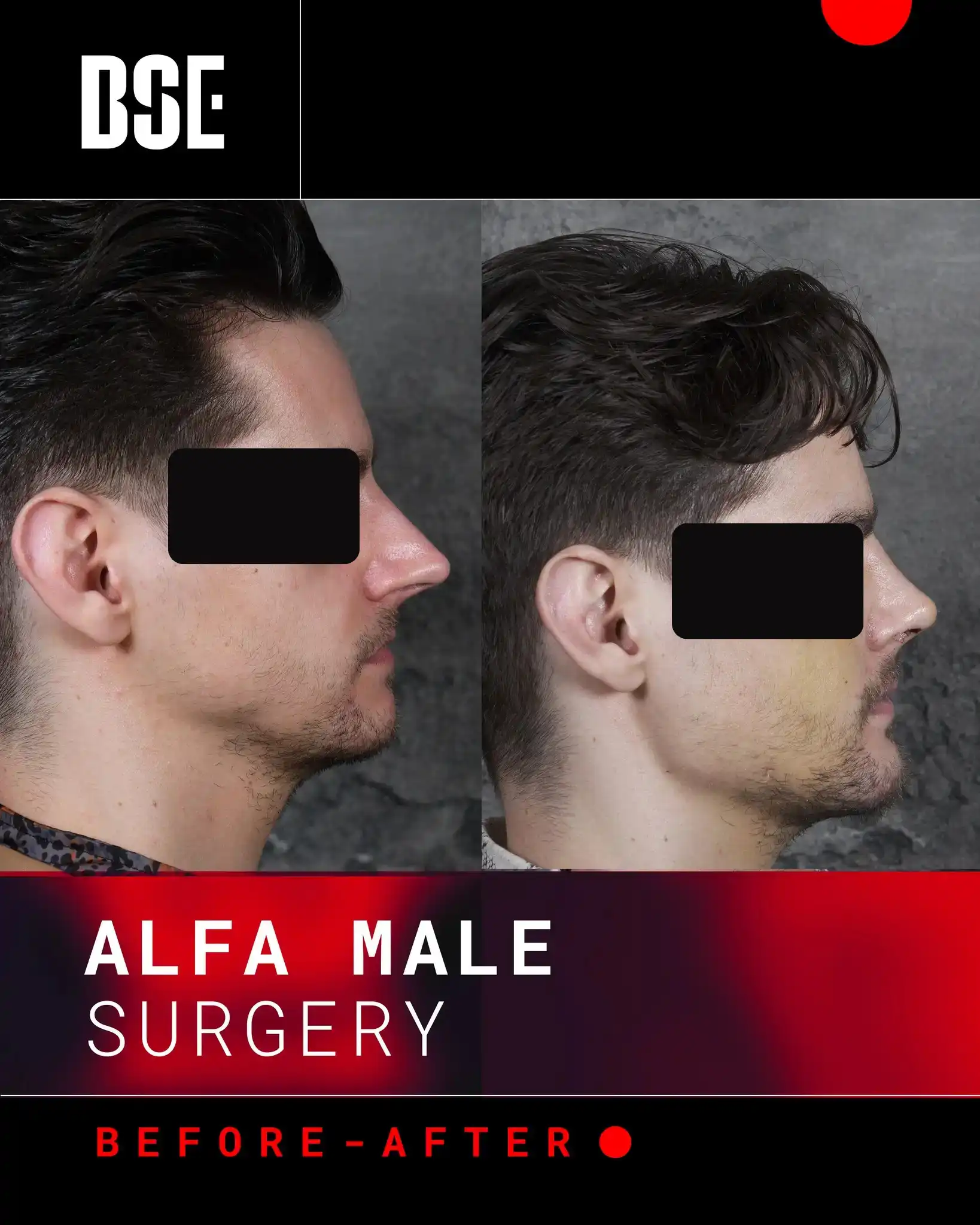

This article was written by Assoc. Prof. Dr. Burak Sercan Erçin and is based on clinical experience. A specialist in Plastic, Reconstructive and Aesthetic Surgery; prepared in accordance with current medical literature and personal surgical data. A consultation is recommended before making any medical decisions.
The quest for the perfect gaze is a timeless aesthetic goal. In recent years, social media trends have spotlighted sharp, lifted eye shapes, leading many to explore cosmetic options. While temporary solutions like thread lifts offered a glimpse of this look, discerning individuals are now seeking lasting, more refined results. This has led to a significant shift away from fleeting trends and towards structurally sound surgical procedures. The focus is no longer on an extreme, unnatural pull, but on creating a sophisticated and harmonious eye shape that enhances one’s natural beauty. This evolution in aesthetic desire has positioned surgical canthoplasty as the premier choice for permanent periorbital rejuvenation. Istanbul, in particular, has emerged as a global center for this specialized surgery, offering a unique combination of elite medical talent and exceptional value.
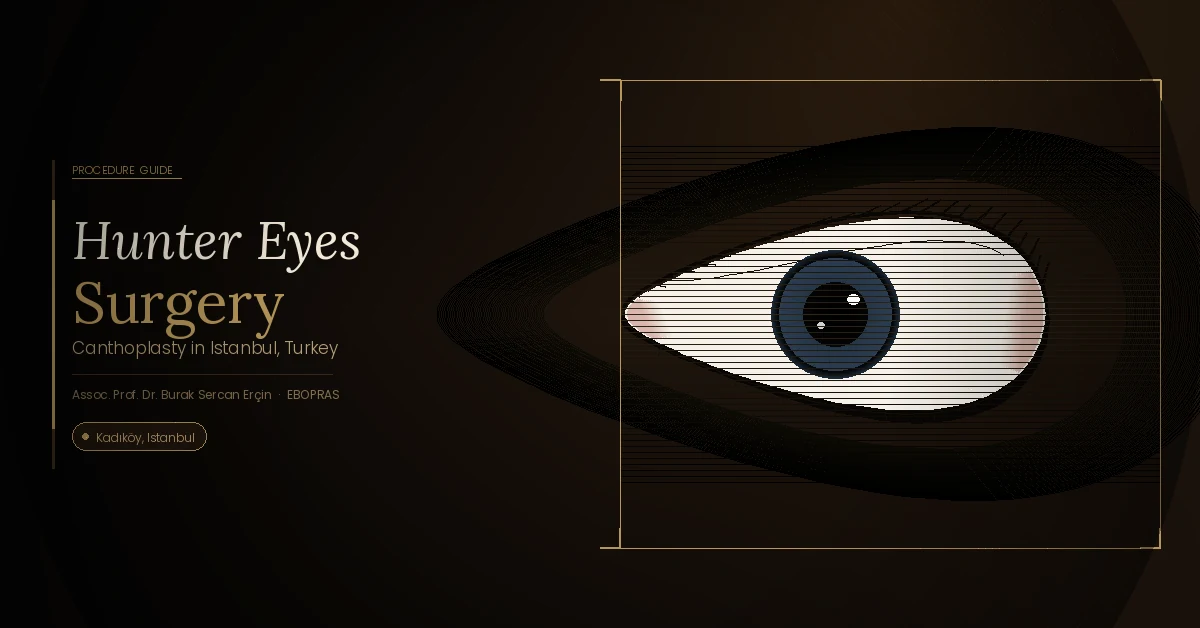
The world of aesthetic surgery is constantly changing, with new trends emerging every season. One of the most talked-about looks has been the “Fox Eye,” an elongated, uptilted eye shape made popular by celebrities and social media influencers. Initially, this look was achieved through makeup or temporary thread lifts. However, as we progress, the aesthetic has matured. The overly dramatic, pulled look is being replaced by the more elegant and timeless Almond Eye. This sophisticated shape offers a natural allure that respects the face’s unique anatomy.
This shift highlights a crucial point for anyone considering cosmetic procedures: true, lasting beauty comes from deep structural changes, not from temporary fixes. This is where surgical expertise becomes essential. Istanbul has become a leading destination for advanced procedures like canthoplasty, with specialists such as Assoc. Prof. Dr. Burak Sercan Erçin offering world-class skill.
Choosing to have Fox eye canthoplasty in Istanbul is about more than just cost. It’s a decision to access the highest level of microsurgical expertise. The eyelid’s anatomy is incredibly complex, and altering it requires a surgeon who understands how to not only lift tissue but also securely anchor it to the bone. This ensures both beautiful form and proper function. This guide will explore the details of the procedure, explain why surgery is superior to threads, and show why Istanbul is the top choice for this type of advanced oculoplastic surgery.
The Evolution of the Gaze: From “Bella” to “Siren”
The journey of eye aesthetics has been remarkable. In the early 2020s, the “Bella Hadid” look sparked a huge demand for thread lifts. These procedures used dissolvable PDO (Polydioxanone) threads to physically pull the brow and the outer corner of the eye upward. The initial results were striking, but they were also temporary, typically lasting only three to six months. More importantly, they came with a range of problems, including visible threads under the skin, skin dimpling, and the formation of internal scar tissue.
Now, the aesthetic standard has become more refined. We’ve moved into the era of the “Siren Eye” or the “Defined Almond Eye.” This look is defined by several key features. It involves a subtle but permanent upward tilt of the outer corner of the eye, known as the lateral canthus. The eye’s horizontal opening is also widened, creating an appearance that is both seductive and alert. Finally, the tail of the eyebrow is lifted to match the new angle of the eye, achieving a harmonious look without appearing overly surprised.
This sophisticated new standard cannot be achieved with threads. It requires a surgical procedure known as Canthoplasty. This operation directly modifies the tension and position of the canthal tendon, which anchors the eyelid. By adjusting this deep structure, surgeons can create a beautiful and, most importantly, permanent new eye shape. It represents a move from temporary cosmetic tricks to lasting architectural changes.
Why a Reconstructive Surgeon Matters for Cosmetic Eyes
When you’re considering surgery on your eyes, the type of surgeon you choose is incredibly important. There’s a significant difference between a general cosmetic surgeon and a Reconstructive Microsurgeon. The eyelids are not simple flaps of skin. They are highly complex structures that include the orbicularis oculi muscle, the tarsal plate, delicate mucous membranes, and the canthal tendons that anchor the eye to the orbital bone. Every component must work together perfectly for the eye to function correctly.
Assoc. Prof. Dr. Burak Sercan Erçin possesses a level of expertise that is rare in the commercial aesthetic field. His qualifications are a testament to his dedication to the highest standards of care. Holding a qualification from the European Board of Plastic Reconstructive and Aesthetic Surgery (EBOPRAS) is recognized as the pinnacle of surgical training in Europe. It signifies that a surgeon has met rigorous standards of knowledge, skill, and ethical practice.
Furthermore, Dr. Burak’s background in microsurgery sets him apart. Having trained with renowned surgeons like Dr. Pedro Cavadas, he has mastered the techniques required to work on the smallest structures of the human body, like reconnecting tiny blood vessels and nerves under a microscope. This incredible precision is directly applicable to eyelid surgery. When working on the delicate, millimeter-thin tissues of the eye, a microsurgeon’s touch minimizes trauma, reduces scarring, and helps preserve nerve function, leading to better and safer results.
A reconstructive surgeon’s approach is fundamentally different because their primary goal is always to preserve or restore function. With canthoplasty, there are real risks, such as developing “dry eye” or “lagophthalmos” (the inability to close the eye completely), if the surgeon is too aggressive. Dr. Burak always prioritizes the health of the cornea and the natural blinking mechanism. He ensures that your new, beautiful look is achieved without compromising the health and safety of your eyes. The goal is to create an aesthetic enhancement that is both stunning and sustainable.
Anatomy of the Fox Eye: What Actually Happens?
To truly appreciate why Fox eye canthoplasty in Istanbul is the best choice, it’s helpful to understand the anatomy involved. This procedure is far more than a simple “skin-only” operation. It is a deep, structural modification that re-engineers the support system of the outer eye. A skilled surgeon must have an intimate knowledge of four key anatomical components to achieve a successful and lasting result.
1. The Canthus
The corners of your eyes are called the canthi. The Lateral Canthus, or the outer corner, is held in place by a small but powerful tendon that attaches the eyelid to the orbital bone. In most people, this outer corner is at roughly the same level as the inner corner. To create the desired Fox Eye or Almond Eye shape, the surgeon must surgically detach this tendon and carefully re-anchor it about 2-4 millimeters higher on the orbital rim. This single step is what creates the signature upward tilt.
2. The Tarsal Strip
Inside your lower eyelid is a firm, cartilaginous structure called the tarsal plate, which gives the lid its shape and rigidity. During a Canthoplasty, the surgeon often performs a tarsal strip procedure. This involves shortening and tightening a small portion of this plate. This technique is crucial for eliminating any existing laxity or droopiness in the lower lid. It creates the necessary tension to support the new, elevated position of the outer corner, preventing future sagging and ensuring a crisp, defined eye shape.
3. The Orbicularis Oculi
This is the circular muscle that surrounds your eye and is responsible for closing it when you blink or squint. It plays a vital role in both function and appearance. In some canthoplasty techniques, a small strip of this muscle is suspended to the periosteum, which is the tough membrane covering the bone of the temple. This creates a “muscle sling” that provides dynamic support for the lift. It helps the new eye shape look natural during facial expressions, rather than appearing static or pulled.
4. The Periosteal Fixation
This is arguably the most critical step for ensuring the longevity of the results. It is also the step most often overlooked in less invasive or non-surgical “fox eye” procedures. Dr. Burak uses strong, permanent or long-lasting sutures to anchor the canthal tendon directly to the periosteum of the inner orbital rim. Anchoring to the bone’s tough covering provides a solid, stable foundation that will not stretch or sag over time. This bone-level fixation is what makes the surgical result permanent, unlike thread lifts which are anchored only in soft tissue.
Surgical Techniques: Canthoplasty vs. Canthopexy
Patients often hear the terms canthoplasty and canthopexy and may think they are the same. However, the difference between these two procedures is significant and directly impacts the final outcome. Understanding this distinction is key to choosing the right surgery for your aesthetic goals. Dr. Burak carefully assesses each patient’s anatomy and desired look to recommend the most appropriate technique.
Canthopexy (The “Mild” Lift)
A canthopexy is the less invasive of the two procedures. In this technique, the lateral canthal tendon is not cut or detached. Instead, the surgeon uses sutures to plicate, or fold, the tendon onto itself and then anchors it to a higher position on the orbital rim. It essentially reinforces and tightens the existing structure without fundamentally changing it.
This procedure is best suited for younger patients who have good eyelid tone and no lower lid laxity. It is ideal for those who desire a very subtle “cat eye” tilt rather than a dramatic transformation. The main advantages of a canthopexy are a quicker recovery time and the fact that it is more easily reversible. However, the results are less dramatic, and there is a higher chance that the tendon will stretch back to its original position over time.
Canthoplasty (The “True” Fox Eye)
A canthoplasty is a more comprehensive and powerful procedure. During a canthoplasty, the surgeon makes a small incision at the outer corner of the eye to access the lateral canthal tendon. The tendon is then divided, or cut, allowing the surgeon to fully reposition the corner of the eye. The lower eyelid is often slightly shortened and tightened using the tarsal strip technique mentioned earlier. The entire canthal complex is then securely re-anchored to the orbital rim at a higher and sometimes more recessed point.
This technique is indicated for patients who want the definitive, noticeable “Fox Eye” shape. It is also the procedure of choice for individuals who have some degree of lower lid drooping, also known as scleral show (when the white of the eye is visible below the iris). The benefits are a permanent result, a dramatic elongation of the eye, and the correction of a “sad” or tired appearance. The trade-offs are a slightly longer recovery period due to more extensive tissue manipulation and the fact that the surgery is technically more demanding.
The “Golden Trinity”: Combination Procedures
In modern facial aesthetics, surgeons increasingly recognize that the face ages as a whole, not in isolated parts. For this reason, performing a single procedure without considering the surrounding features can sometimes lead to an unbalanced or unnatural result. Lifting the corner of the eye while ignoring a heavy, drooping brow can create a disharmonious look. To achieve the most beautiful and comprehensive rejuvenation, Dr. Burak often performs the Fox Eye Canthoplasty as part of a synergistic trio of procedures, often referred to as the “Golden Trinity.”
1. Temporal Lift (Brow Lift)
The position of the eyebrow has a huge impact on the appearance of the eye. As we age, the tail of the brow can descend, creating a heavy or hooded look over the upper eyelid. A Temporal Lift, which can often be performed endoscopically through tiny incisions in the hairline, specifically targets this outer portion of the brow. It clears away the weight from the temporal area, opening up the eye and allowing the new geometry of the canthoplasty to be fully appreciated. This creates a parallel vector of lift, where both the eye corner and the brow tail move upward in perfect harmony.
2. Upper Blepharoplasty
If a patient has excess skin on their upper eyelid, a condition known as hooding, simply lifting the outer corner with a canthoplasty will not be enough. This “curtain” of skin will still obscure the eyelid platform and make the eye appear small. An Upper Blepharoplasty is a procedure designed to remove this excess skin and sometimes a small amount of fat. When combined with a canthoplasty, it completely revitalizes the upper eye area, making the eye look larger, more alert, and more youthful.
3. Mid-Face Lift (Endoscopic)
For a truly holistic rejuvenation, it is important to consider the area just below the eye. The cheek, or malar fat pad, provides crucial support to the lower eyelid. With age, this fat pad can descend, leading to a hollowed look under the eyes and a deepening of the nasolabial folds. An Endoscopic Mid-Face Lift elevates this cheek tissue back to its youthful position. This creates a smooth, seamless transition from the lower eyelid to the cheek, erasing tear troughs and providing robust support for the lower lid. This combination ensures that the entire central part of the face is lifted and refreshed, resulting in a completely natural and balanced outcome.
If you are considering a transformation, it is beneficial to explore all your options. Assoc. Prof. Dr. Burak Sercan Erçin is an esteemed reconstructive surgeon in Istanbul with extensive expertise (10+ years and counting) in a wide range of procedures, including breast and burn reconstructive surgeries. With a specialization in Plastic, Reconstructive, and Aesthetic Surgery and a qualification diploma from EBOPRAS, MD. Burak has worked alongside some of the world’s leading reconstructive microsurgeons, including Dr. Pedro Cavadas. With a commitment to excellence in both clinical practice and academic research, Dr. Burak is dedicated to providing his patients with the highest quality care possible. He offers procedures such as PRP Treatment (Platelet Rich Plasma), Breast Augmentation Surgery, Nose Aesthetics (Rhinoplasty), Almond Eye Surgery (Canthoplasty), Eyelid Aesthetics (Blepharoplasty), Face Lift Surgery, Mommy Makeover, and Liposuction. Book a consultation today and take the first step towards your physical transformation.
The Longevity Debate: Threads vs. Surgery
One of the most frequent questions patients ask is, “Why shouldn’t I just get threads?” The appeal of thread lifts is easy to understand. They promise a minimally invasive procedure with little downtime and a lower initial cost compared to surgery. However, when it comes to the delicate and dynamic area around the eye, the biophysics of threads are fundamentally flawed, making them a poor long-term choice.
First, there is the “Cheese Wire” Effect. PDO threads rely on small barbs to grip the underlying soft tissue and pull it upward. The skin around the eyes is the thinnest on the entire body, and the fat pads are very delicate. Over time, the tension from the threads can cause them to cut through this soft tissue, much like a wire cutting through a block of cheese. When this happens, the lift fails, often within a matter of weeks or a few months.
Second, the process of thread dissolution creates internal scar tissue. As the PDO material breaks down, the body forms bands of fibrosis along the path where the thread was placed. While a small amount of collagen stimulation is often touted as a benefit, excessive or poorly placed scar tissue can make a future surgical procedure more difficult. A surgeon must navigate this scarred tissue, which can lead to a more unpredictable outcome.
Finally, threads often lead to asymmetry. The threads on each side of the face can relax or dissolve at different rates. It is very common for patients to find that after two or three months, one eye appears higher than the other, creating an unbalanced look that requires either more threads or a different corrective procedure.
In stark contrast, Surgical Canthoplasty provides a permanent solution because it relies on biological fixation. By anchoring the canthal tendon directly to the bone, the surgeon is creating a new, stable anatomical structure. Once the tendon heals to the periosteum, a process that takes about six weeks, the result is structurally permanent. While the natural aging process will, of course, continue, the fundamental shape and elevated position of your eye are locked in for good.
Recovery: The Patient Journey
Choosing to have Fox eye canthoplasty in Istanbul is an exciting decision, but it requires proper planning. Although it is typically performed as an outpatient procedure, it is still a significant surgery, and a smooth recovery is essential for achieving the best possible results. Understanding the recovery timeline can help you prepare and feel more comfortable throughout the process.
Week 1: The “Social Downtime”
The first week is when you will experience the most noticeable effects of the surgery. For the first one to three days, swelling and bruising around the eyes are completely normal and expected. Your eyes may feel tight, and you might have some temporary difficulty closing them completely for the first 48 hours. Using cold compresses regularly during this time is crucial for minimizing swelling. Your surgeon will also prescribe lubricating eye drops to keep your eyes comfortable. By day five to seven, your stitches will typically be removed. The bruising will start to fade, often turning a yellowish color. At this point, most patients feel comfortable returning to remote work or other non-public activities.
Week 2: The “Reveal”
During the second week, you will see a significant improvement. Most of the prominent swelling will have gone down, and you can usually start wearing makeup to conceal any remaining bruising. You will begin to see the new almond shape of your eyes emerge. It is important to know that the corners may look “over-corrected” or pulled a bit too high at this stage. This is intentional. A skilled surgeon plans for a slight, natural drop that occurs as the tissues settle during the healing process.
Month 1-3: The “Settling”
This is the period of refinement. The tissues around your eyes will continue to soften, and the initial tightness will disappear. The extreme slant you may have noticed in the first few weeks will relax into a more natural, elegant, and seductive tilt. The small incisions, which were placed in the natural crease of the eyelid or the outer corner, will fade into nearly invisible white lines. You will start to feel that the results are truly a part of you.
Month 6: The Final Result
By the six-month mark, the healing process is typically complete. Your eyes will be fully healed, their function will be perfect, and their shape will be permanently enhanced. You can now enjoy the final, beautiful outcome of your procedure, which will last for many years to come.
Risks and Safety: The Reconstructive Safety Net
Every surgical procedure comes with potential risks, and it is important to be fully informed. For canthoplasty, the specific risks include Chemosis (swelling of the conjunctiva, the clear membrane covering the eye), Dry Eye Syndrome, and Asymmetry. While these risks exist with any surgeon, choosing a specialist with a background in reconstructive microsurgery, like Dr. Burak, provides a powerful safety net.
A reconstructive surgeon’s primary focus on function is your best defense against complications. For example, to prevent Dry Eye Syndrome, Dr. Burak meticulously assesses the “vector of pull” to ensure that the eyelids will still meet perfectly when you blink. He can use advanced techniques, such as a “punctal sparing” method, to make sure that the tear drainage system is not compromised.
Chemosis can be an annoying side effect, but an experienced surgeon knows how to manage it. Dr. Burak’s understanding of the lymphatic drainage pathways around the eye allows him to handle the tissues delicately during the operation, which significantly minimizes this type of swelling.
Finally, while perfect facial symmetry is impossible, a microsurgeon’s precision greatly reduces the risk of noticeable asymmetry. The human face is naturally asymmetrical, but Dr. Burak uses precise instruments like calipers and makes detailed intra-operative measurements—a standard practice in reconstructive surgery—to ensure the new angles of your eyes are as symmetrical as anatomically possible. This meticulous approach ensures that your aesthetic enhancement is both beautiful and safe.
Cost Analysis: Istanbul vs. The World
In the current global economy, the financial argument for medical tourism in Turkey is compelling. However, the true advantage lies not just in the cost, but in the incredible value you receive. When comparing prices, it’s essential to look at the whole picture.
In the United States or the United Kingdom, a comprehensive procedure combining a Canthoplasty, Blepharoplasty, and Brow Lift can easily cost over £12,000 / $15,000. This price often only covers the surgeon’s fee and facility costs, with anesthesia, post-operative care, and medications billed separately.
In contrast, the same combination of procedures, performed in Istanbul by a highly qualified, EBOPRAS-certified surgeon like Dr. Burak, typically falls in the range of €3,500 – €5,500 (approximately £3,000 – £4,600). This significant price difference often leads people to question the quality, but the reason for the savings has nothing to do with a lower standard of care.
The cost difference is a result of economic factors. Operational overheads, such as staff salaries, facility costs, and insurance, are much lower in Turkey. The favorable currency exchange rate provides an additional advantage for international patients. Furthermore, the Turkish government actively supports the medical tourism sector, which helps keep costs competitive. You are not paying for “cheaper” healthcare; you are paying for world-class healthcare in a more favorable economic environment. Most packages in Istanbul are also all-inclusive, covering your surgery, hotel stay, and local transportation, offering unparalleled convenience and value.
Why Choose Dr. Burak Sercan Erçin?
In a city like Istanbul, which is filled with cosmetic surgery clinics, choosing the right surgeon can feel overwhelming. Dr. Burak Sercan Erçin is distinguished not only by his credentials but by his philosophy and approach. He is not a surgeon who focuses on high volume; instead, he is an academic and a craftsman who views each procedure as a unique work of art.
His deep foundation in microsurgery means he approaches every operation with an unparalleled level of precision. He dedicates the necessary time to plan and execute each surgery with meticulous attention to detail. This patient-centric approach ensures that the results are not just technically correct but also tailored to the individual’s unique facial harmony. Whether you are seeking the subtle elegance of an Almond Eye, a comprehensive facial feminization, or complex reconstructive surgery, Dr. Burak’s method is always bespoke and centered on your safety and satisfaction.
Assoc. Prof. Dr. Burak Sercan Erçin is an esteemed reconstructive surgeon in Istanbul with extensive expertise (10+ years and counting) in breast and burn reconstructive surgeries. With a specialization in Plastic, Reconstructive, and Aesthetic Surgery and a qualification diploma from EBOPRAS, MD. Burak has worked alongside some of the world’s leading reconstructive microsurgeons, including Dr. Pedro Cavadas. With a commitment to excellence in both clinical practice and academic research, Dr. Burak is dedicated to providing his patients with the highest quality care possible.
Conclusion
The “Fox Eye” has evolved from a fleeting social media trend into a classic aesthetic goal for individuals seeking a more youthful, engaged, and alluring appearance. Achieving this look in a way that is both safe and permanent, however, requires more than a simple thread lift; it demands the surgical precision and artistry of canthoplasty. This procedure offers a lasting structural change that temporary solutions simply cannot match.
Istanbul has firmly established itself as the premier destination for this advanced surgery, offering a perfect blend of world-class medical expertise and outstanding value. By selecting a surgeon with a profound background in reconstructive microsurgery, you are making the most important decision for your health and safety. You ensure that your pursuit of beauty will not compromise the function of your most expressive feature. Your eyes are the centerpiece of your face; entrust them to a surgeon who has the skill to build, repair, and perfect them with the utmost care.
Frequently Asked Questions (FAQ)
What is the difference between Almond Eye Surgery and Fox Eye Surgery?
While the terms are often used interchangeably, there is a subtle difference in the desired outcome. Fox Eye Surgery typically aims for a more dramatic, upward slant of the outer corner and brow, creating a fierce, lifted look. Almond Eye Surgery focuses on widening the eye and removing lower lid droop to create a soft, oval shape without necessarily changing the brow position drastically. Dr. Burak can customize the technique to achieve either aesthetic.
Will the surgery leave visible scars?
In skilled hands, scarring is minimal. The incisions for canthoplasty are typically hidden within the natural crease of the outer eye corner or the upper eyelid fold (if combined with blepharoplasty). Dr. Burak utilizes microsurgical suturing techniques—using threads thinner than a human hair—to ensure incisions heal as invisible, fine lines.
Can I combine Fox Eye surgery with a Facelift?
Absolutely. In fact, it is highly recommended for patients over 40. A Face Lift Surgery or Endoscopic Face Lift addresses the lower face and neck, while the Fox Eye/Temporal Lift addresses the upper third. Treating the entire face ensures a balanced, harmonious rejuvenation rather than a “patchwork” result.
Is the result of Fox Eye Canthoplasty permanent?
Yes, surgical canthoplasty provides permanent structural changes. Unlike threads which dissolve in months, the re-anchoring of the canthal tendon to the bone provides a long-lasting lift. While the natural aging process continues, your eyes will always maintain a more lifted and youthful position than they would have without the surgery.
How soon can I fly home after surgery in Istanbul?
Most patients are cleared to fly 5 to 7 days after surgery, once the sutures are removed and the initial swelling is assessed. Dr. Burak’s team provides a comprehensive “Fit to Fly” certificate and detailed aftercare instructions for your journey home.
What kind of anesthesia is used for canthoplasty?
The type of anesthesia depends on the extent of the procedure. For an isolated canthoplasty, it can often be performed under local anesthesia with sedation, meaning you are relaxed and comfortable but not fully asleep. If canthoplasty is combined with other procedures like a brow lift or blepharoplasty, general anesthesia is typically used to ensure your comfort and safety throughout the longer operation.
This content was written by Assoc. Prof. Dr. Burak Sercan Erçin in line with clinical experience and current medical literature. It is intended for general informational purposes only and does not constitute medical advice. A personal consultation with Dr. Erçin is recommended for individual assessment.
Faculty Member · Bahçeşehir University
Graduate of Ege University Faculty of Medicine, Assoc. Prof. Dr. Erçin completed advanced fellowships at Tampa General Hospital (USA) under Dr. Deniz Dayıcıoğlu in breast reconstruction and burn surgery, and at the clinic of Dr. Pedro Cavadas in Valencia, Spain in reconstructive microsurgery. After passing the EBOPRAS examination in 2018, he joined Bahçeşehir University as a faculty member and continues his private practice on Bağdat Avenue, Istanbul, specialising in face, breast and body aesthetics alongside complex reconstructive surgery.