This article was written by Assoc. Prof. Dr. Burak Sercan Erçin and is based on clinical experience. A specialist in Plastic, Reconstructive and Aesthetic Surgery; prepared in accordance with current medical literature and personal surgical data. A consultation is recommended before making any medical decisions.

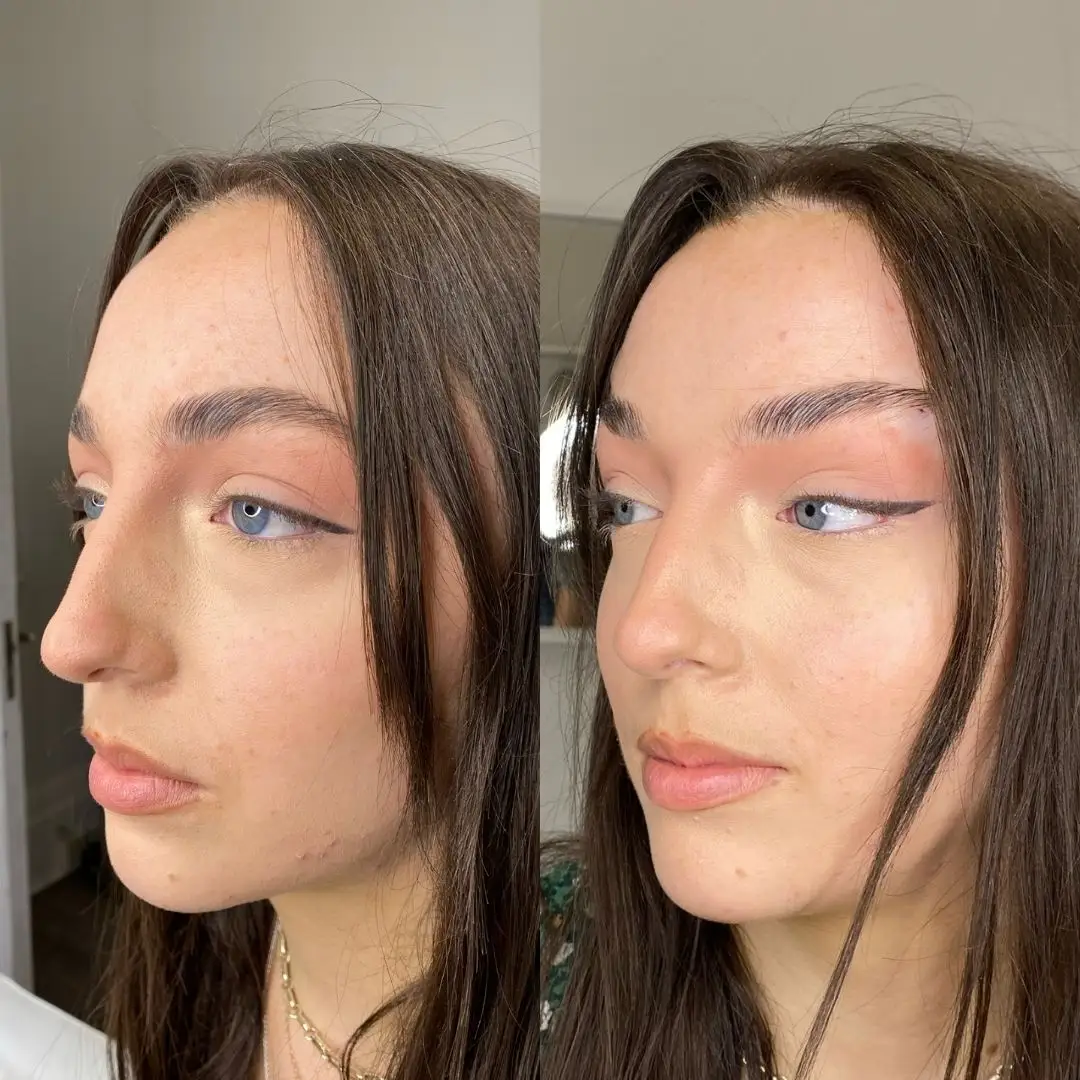
Canthoplasty, commonly referred to as the “Fox Eye Lift,” is a surgical procedure designed to reshape the outer corner of the eye (lateral canthus) to achieve a more elongated, almond-shaped appearance. This aesthetic enhancement has gained popularity among individuals seeking to emulate the lifted eye look often associated with models and celebrities.
Who Should Perform the Surgery?
Given the complexity and precision required for canthoplasty, it is imperative that the procedure be performed by a qualified and experienced plastic surgeon. In Turkey, one notable expert in this field is Assoc. Prof. Dr. Burak Sercan Erçin, a distinguished reconstructive surgeon based in Istanbul. With over a decade of experience in plastic, reconstructive, and aesthetic surgery, Dr. Erçin has collaborated with leading microsurgeons globally and is committed to providing the highest quality care to his patients.
Canthoplasty vs. Canthopexy
While both canthoplasty and canthopexy are procedures aimed at enhancing the eye’s appearance, they differ in technique and purpose:
- Canthoplasty: This surgical procedure involves cutting and repositioning the lateral canthal tendon to achieve a more lifted and elongated eye shape. It is often chosen for its ability to create a significant change in eye contour.
- Canthopexy: A less invasive procedure, canthopexy involves tightening the existing lateral canthal tendon without cutting it. This method provides subtle support and is typically used to correct minor sagging or drooping of the eyelid.
Recovery After Eye Reconstructive Procedures
Recovery from eye reconstructive surgeries like canthoplasty requires careful adherence to post-operative instructions to ensure optimal healing:
- Immediate Aftercare: Patients may experience swelling and bruising around the eyes, which typically subsides within one to two weeks. Applying cold compresses and keeping the head elevated can help reduce these symptoms.
- Activity Restrictions: It’s advisable to avoid strenuous activities, heavy lifting, and bending over for at least two weeks post-surgery to prevent increased blood flow to the eyes, which could exacerbate swelling.
- Eye Care: Patients should refrain from rubbing their eyes and follow their surgeon’s guidance regarding the use of eye drops or ointments to keep the eyes lubricated and prevent infection.
- Follow-Up Appointments: Regular check-ins with the surgeon are essential to monitor healing progress and address any concerns promptly.
Before & After Photos
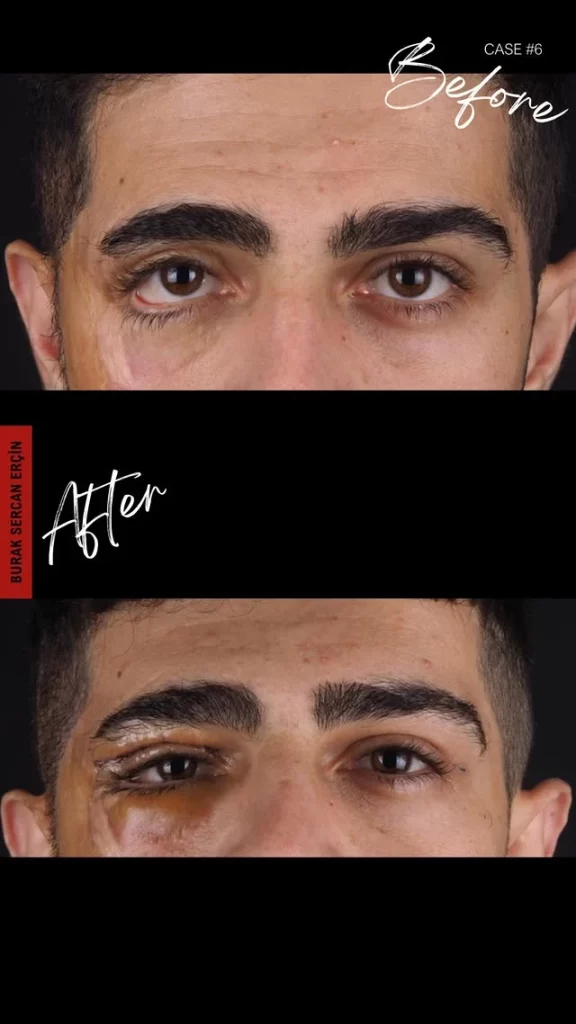
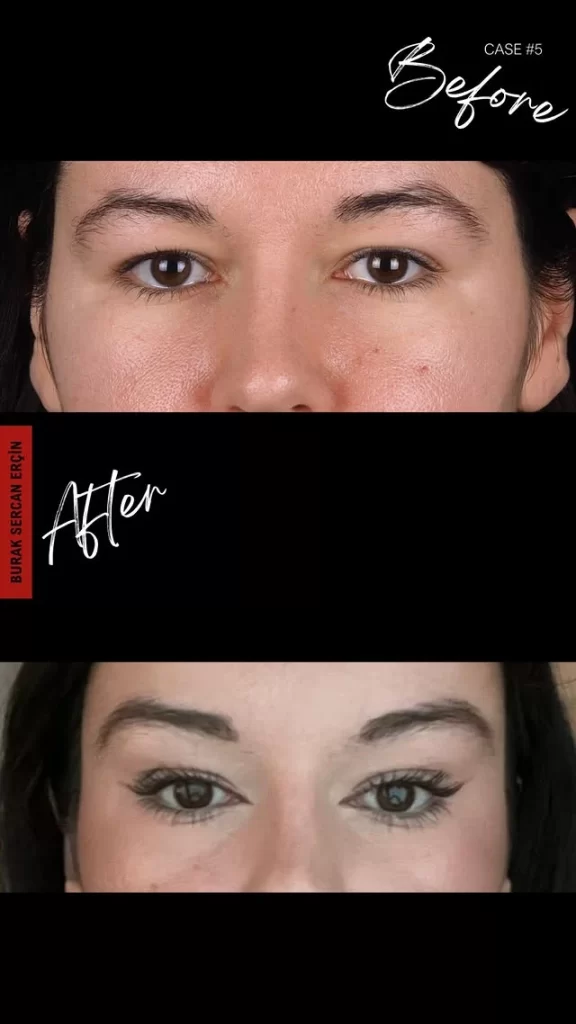
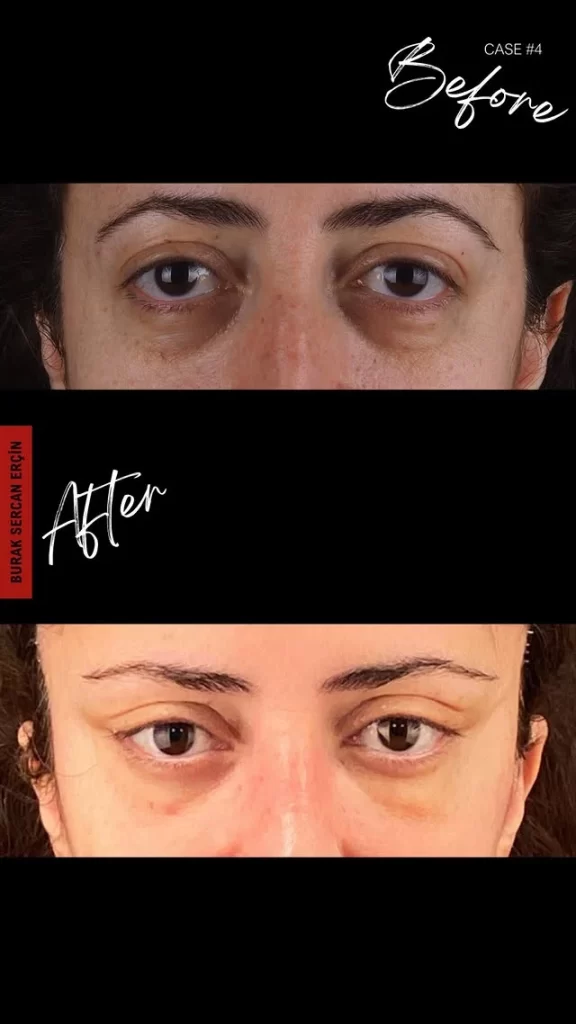
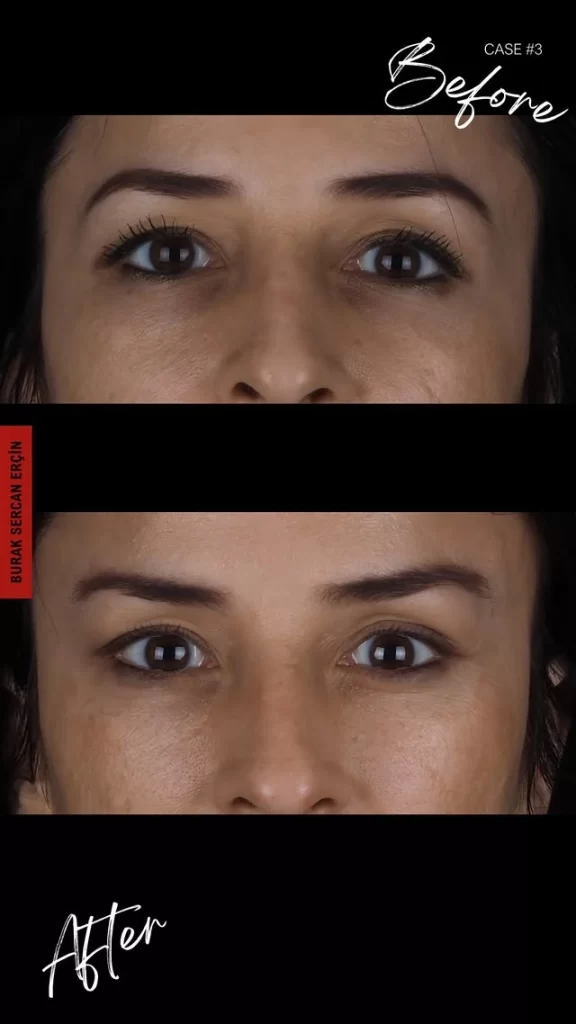
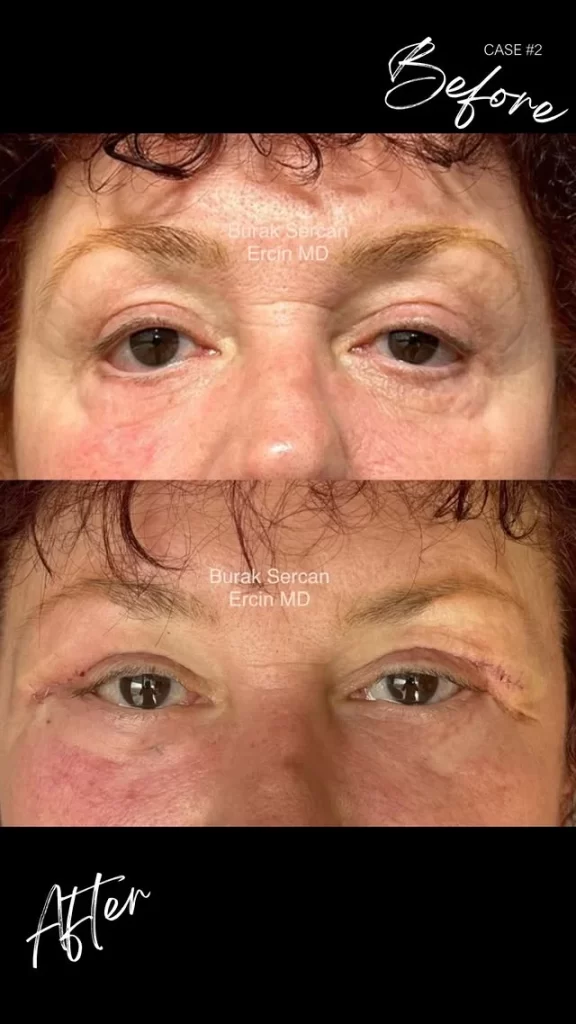
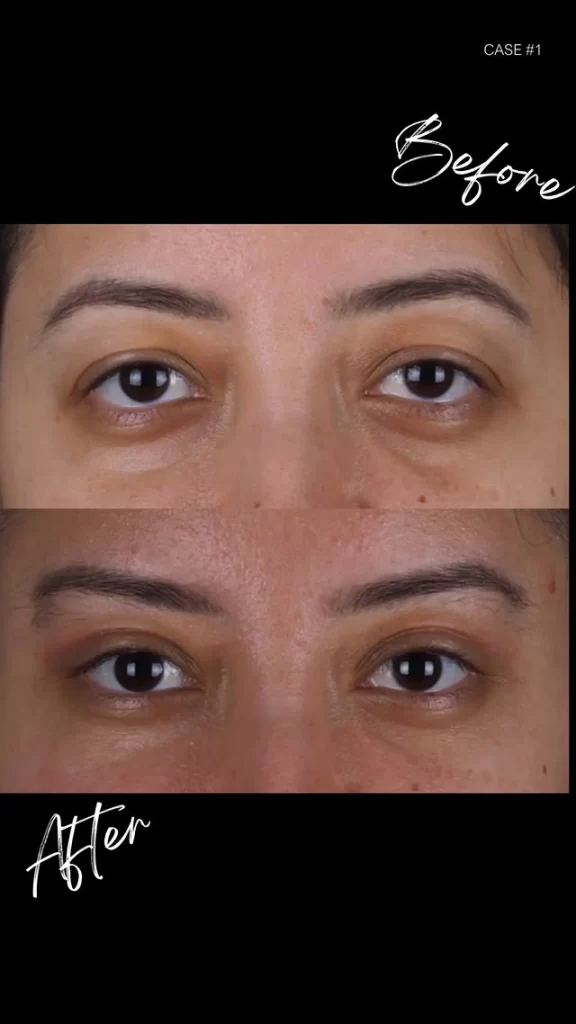
Click Here for the Full Instagram Reel
This content was written by Assoc. Prof. Dr. Burak Sercan Erçin in line with clinical experience and current medical literature. It is intended for general informational purposes only and does not constitute medical advice. A personal consultation with Dr. Erçin is recommended for individual assessment.
Faculty Member · Bahçeşehir University
Graduate of Ege University Faculty of Medicine, Assoc. Prof. Dr. Erçin completed advanced fellowships at Tampa General Hospital (USA) under Dr. Deniz Dayıcıoğlu in breast reconstruction and burn surgery, and at the clinic of Dr. Pedro Cavadas in Valencia, Spain in reconstructive microsurgery. After passing the EBOPRAS examination in 2018, he joined Bahçeşehir University as a faculty member and continues his private practice on Bağdat Avenue, Istanbul, specialising in face, breast and body aesthetics alongside complex reconstructive surgery.