
This article was written by Assoc. Prof. Dr. Burak Sercan Erçin and is based on clinical experience. A specialist in Plastic, Reconstructive and Aesthetic Surgery; prepared in accordance with current medical literature and personal surgical data. A consultation is recommended before making any medical decisions.
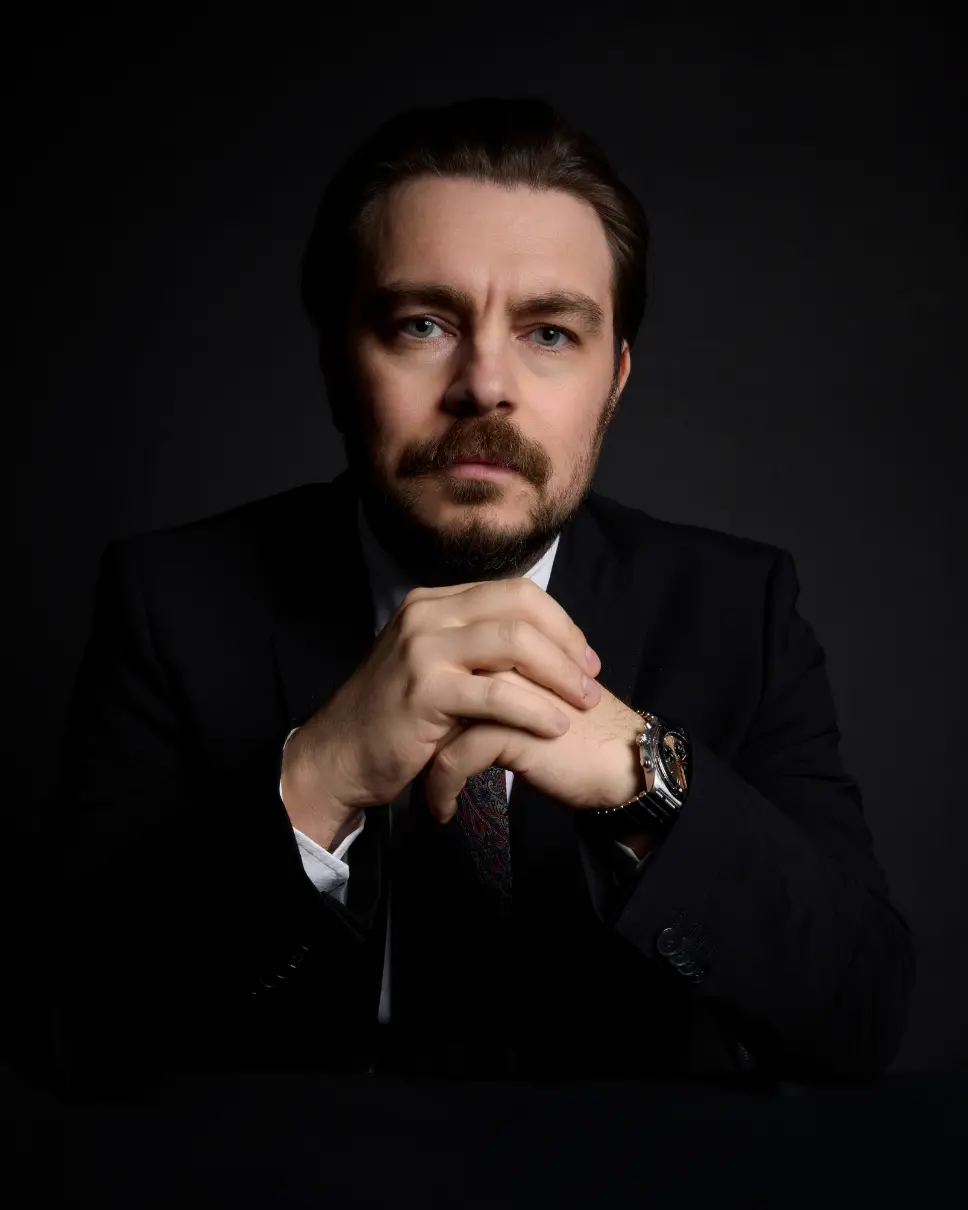
Every October, Turkey’s plastic surgeons gather for the national congress of their professional society. This year it is the 48th, and Assoc. Prof. Dr. Burak Sercan Erçin went to Antalya with three sessions on the programme. He chaired a full ultrasound course and taught in the hand surgery course. He also presented on microsurgery in complex head and neck reconstruction.
This article walks through each session in plain language. It explains what was discussed, why it matters to colleagues, and what it means for patients. If you are researching a reconstructive or aesthetic procedure in Turkey, it also shows the kind of work that sits behind a surgeon’s name.
About the 48th National Congress (TPRECD 2026)
The congress is organised by the Turkish Society of Plastic, Reconstructive and Aesthetic Surgeons, known by its Turkish initials TPRECD. Founded in 1961, the society is the professional umbrella organisation for plastic surgery in Turkey. It also publishes the Turkish Journal of Plastic Surgery.
The 48th National Congress runs from 21 to 25 October 2026. Programme details and registration are on the official TPRECD 2026 congress website. This year’s edition also hosts the society’s ordinary general assembly, which shapes its direction for the coming term.
The venue is the Susesi Luxury Resort congress centre in Belek, on the Antalya coast. It is one of the largest congress centres on the Mediterranean, with 17 meeting rooms and a daylight foyer. Its halls carry city names, which is why the sessions below took place in rooms called İzmir and İstanbul.
Dr. Burak’s programme at a glance
Three sessions in two days, across three different fields, is a demanding schedule. It also reflects how plastic surgery really works: imaging, limb reconstruction and facial microsurgery all rest on the same knowledge of vessels and tissue.
Session 1: Ultrasound in Plastic Surgery
On Wednesday 21 October, Dr. Burak chaired the congress ultrasound course, titled Ultrasonography in Plastic Surgery: Basic Principles and Clinical Applications. The aim was practical. Ultrasound has moved from the radiology department into the hands of surgeons, and the course showed colleagues how to use it well.
Ultrasound uses sound waves rather than radiation to create a live image. A surgeon can hold the probe over the area being planned and see what lies beneath the skin in real time. That makes it fast, repeatable and safe enough to use at every visit.
Mapping blood vessels before surgery
Many reconstructive operations depend on finding the right blood vessel. Ultrasound can locate the small perforator vessels that feed a flap of skin and fat, and it can show their size and flow. Planning around a vessel that has been seen, rather than guessed, makes the operation shorter and more predictable.
The same principle applies in aesthetic work. Knowing where major vessels run in the face helps keep injections and incisions away from them.
Seeing fillers and implants
Ultrasound can show where filler has settled, how much remains and whether it sits in the intended layer. This is especially useful when a patient does not know which product was used years ago. It can also guide the safe dissolving of hyaluronic acid filler when needed.
For breast implants, ultrasound helps assess the implant shell and the surrounding capsule. Readers interested in implant choice can see our guides on Preservé breast implants and breast implant brands in Turkey. Filler-related planning is covered in our Algeness filler guide.
Reading the layers of tissue
Skin, fat, muscle and the fibrous layers between them all appear differently on ultrasound. Measuring them helps a surgeon decide how much fat can be safely removed or where a graft will survive best. It turns a general plan into one built around a single patient’s anatomy.
From the congress podium
Why ultrasound changes planning before the first incision
“Ultrasound lets us see vessels, fillers, implants and tissue layers before surgery, without using any radiation. Planning becomes more personal, and procedures become safer. That is the message I wanted every colleague to leave the course with.”
For patients, the practical benefit is simple. A consultation that includes imaging, where appropriate, can answer questions that a visual examination alone cannot.
Session 2: Free Flap Reconstruction of the Arm and Hand
Later the same day, at 14:20 in the İstanbul 1 hall, Dr. Burak spoke in the hand surgery course. His topic was Reconstruction of the Upper Extremity with Free Flaps. It addressed one of the hardest problems in reconstructive surgery: large tissue loss in the arm or hand.
What a free flap is
A free flap is a block of living tissue moved from one part of the body to another together with its own artery and vein. At the new site, those vessels are reconnected to local vessels under a microscope. The tissue keeps its blood supply and survives as living tissue in its new home.
Flaps can carry skin, fat, muscle, bone or tendon, depending on what the injury needs. Our introduction to tissue transplantation explains the wider family of techniques.
The goal is movement, not just closing a wound
In the hand and forearm, closing the wound is only the first goal. The deeper aim is to restore movement, grip and sensation so that the patient can work and live normally again. A good reconstruction gives tendons a smooth bed to glide on and protects nerves and joints.
That is why flap choice in the upper limb is so careful. A thin, pliable flap may suit the back of the hand, while a deeper injury may need tissue that can also carry tendon or bone. Related procedures are explained in our guides to reconstructive hand surgery, tendon transfer and finger transplantation.
Why timing and planning matter
Upper limb injuries often involve several structures at once. Bone, tendon, nerve, vessel and skin may all need attention. Planning the order of repair, and choosing a flap that will not need replacing later, saves patients from multiple operations. Our hand surgery guide covers what international patients can expect.
Session 3: Microsurgery in Complex Head and Neck Reconstruction
On Thursday 22 October, at 16:12 in the Head and Neck 1 hall, Dr. Burak presented his third talk. Its full title was Microsurgery in Complex Head and Neck Reconstruction: Difficult Cases, Pedicle Problems and Salvage Strategies. This is microsurgery at its most demanding.
After cancer surgery or major trauma, the face and neck can be left with complex defects. The jaw, palate, tongue, cheek or skin may all be missing. Free flaps are often the only way to rebuild them, and the vessels joined under the microscope can be little more than a millimetre or two wide.
Difficult cases
Head and neck patients often come with challenges that make microsurgery harder. Previous radiotherapy can damage the vessels in the neck. Earlier operations may have used the best recipient vessels already. Some patients have health conditions that affect healing.
The talk focused on how surgeons plan around these problems before the operation begins. That can mean choosing vessels further away, using vein grafts to bridge gaps, or picking a flap with a longer pedicle.
Pedicle problems
The pedicle is the bundle of artery and vein that keeps a flap alive. If it kinks, twists, gets compressed or develops a clot, the flap starts to fail. In the head and neck, swelling, neck position and tight closures can all put the pedicle at risk.
Salvage strategies
Most flap problems show themselves within the first days after surgery. That is why flaps are monitored closely, checking colour, temperature, refill and sometimes Doppler signals. When warning signs appear, a fast return to the operating theatre gives the best chance of saving the flap.
Salvage can involve removing a clot, redoing the vessel connection, adding a vein graft or freeing a compressed pedicle. The session shared the decision-making behind these steps. It covered when to act, what to check first, and what to do when the first rescue attempt does not work.
For readers interested in facial reconstruction, our guides on complex facial reconstruction, trauma face reconstruction and nose reconstruction go further.
This principle is the thread running through all three sessions, and it is worth looking at more closely.
Why a Reconstructive Congress Matters to Aesthetic Patients
It is easy to assume that reconstructive and aesthetic surgery are separate worlds. In practice, the skills overlap heavily. A surgeon who maps perforator vessels for a flap brings that same awareness to a facelift or a breast operation.
Knowing exactly where blood supply runs helps protect skin during a deep plane facelift. Microsurgical training shapes how a surgeon handles delicate tissue in breast reconstruction. Ultrasound skills make filler correction and implant assessment safer.
For an international patient, academic activity is also a useful signal. Teaching at a national congress means presenting your methods to experienced colleagues and answering their questions. It is a form of peer scrutiny that marketing claims cannot replace.
What to Ask When Choosing a Surgeon in Turkey
Turkey has many excellent plastic surgeons, and patients travelling from abroad deserve a clear way to compare them. A few questions help separate real expertise from promotion.
- Board certification: ask whether the surgeon holds national board certification and international credentials such as EBOPRAS, the European board diploma.
- Academic activity: ask whether the surgeon teaches, publishes or presents at congresses like TPRECD.
- Relevant experience: ask how often the surgeon performs your specific procedure, not just plastic surgery in general.
- Imaging and planning: ask how your case will be assessed before surgery, and whether imaging such as ultrasound is used when appropriate.
- Follow-up: ask how aftercare will work once you return home.
Dr. Burak’s credentials and training, including his time with reconstructive microsurgeon Dr. Pedro Cavadas, are listed on his profile page.
Congress weeks are also a chance to look back at the academic path that led here.
Previous Congresses and Academic Work
TPRECD 2026 is part of a longer record of academic participation. Earlier events are covered on this site, including the 46th National Congress, the International Microsurgery Congress and surgical meetings in the Netherlands.
A broader overview of clinical work is available in the 2024 work review. Together, these pages show a surgeon who keeps reconstructive microsurgery at the centre of his practice while offering aesthetic procedures built on the same foundations.
Frequently Asked Questions
Patients and readers often have questions after seeing congress news from a surgeon they follow. The answers below cover the most common ones.
What is TPRECD?
TPRECD is the Turkish Society of Plastic, Reconstructive and Aesthetic Surgeons. Founded in 1961, it is Turkey’s professional umbrella body for plastic surgery.
It organises scientific meetings and courses each year, with the national congress as its main annual event.
Where and when was the 48th National Congress held?
The 48th National Congress takes place from 21 to 25 October 2026. The venue is the Susesi Luxury Resort congress centre in Belek, Antalya.
Dr. Burak’s three sessions took place on 21 and 22 October.
What is a free flap?
A free flap is living tissue moved from one area of the body to another with its own artery and vein. The vessels are reconnected under a microscope so the tissue keeps its blood supply.
Free flaps are used to rebuild areas after trauma, cancer surgery or severe infection.
Is ultrasound used in aesthetic plastic surgery?
Yes, increasingly. It can map facial vessels, show where filler sits and assess breast implants without radiation.
Whether it is useful in your case depends on the procedure and your history, which is assessed at consultation.
What happens if a free flap has a problem after surgery?
Flaps are monitored closely in the first days because most problems appear early. If the blood flow is threatened, the surgeon usually returns to theatre quickly to fix the cause.
Speed matters, because early salvage gives the flap the best chance of survival.
Does Dr. Burak treat international patients for reconstructive surgery?
Yes. International patients can share photos, scans and medical records online for an initial review before deciding to travel.
You can start through WhatsApp or the contact page.
From Antalya Back to the Operating Theatre
Three sessions in two days covered imaging, limb reconstruction and facial microsurgery. On the surface they look like three separate subjects. Underneath, they share one idea: safe surgery starts with a precise understanding of blood supply and tissue.
That idea travels back from the congress hall into every consultation. Whether the procedure is a complex reconstruction or a subtle aesthetic refinement, the same anatomy-first thinking shapes the plan. Assoc. Prof. Dr. Burak Sercan Erçin is an EBOPRAS and Turkish Board certified plastic surgeon with more than 15 years of experience and over 6,000 operations, and a faculty member at Bahçeşehir University.
This content was written by Assoc. Prof. Dr. Burak Sercan Erçin in line with clinical experience and current medical literature. It is intended for general informational purposes only and does not constitute medical advice. A personal consultation with Dr. Erçin is recommended for individual assessment.
Faculty Member · Bahçeşehir University
Graduate of Ege University Faculty of Medicine, Assoc. Prof. Dr. Erçin completed advanced fellowships at Tampa General Hospital (USA) under Dr. Deniz Dayıcıoğlu in breast reconstruction and burn surgery, and at the clinic of Dr. Pedro Cavadas in Valencia, Spain in reconstructive microsurgery. After passing the EBOPRAS examination in 2018, he joined Bahçeşehir University as a faculty member and continues his private practice on Bağdat Avenue, Istanbul, specialising in face, breast and body aesthetics alongside complex reconstructive surgery.